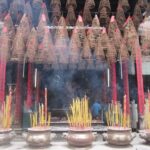
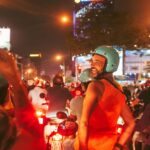
Saigon’s best street-photography lesson may begin not with a camera, but with a conversation over coffee about how to approach people and make a picture with care. On this morning walk, you’ll explore five locations around central Ho Chi Minh City with a professional photographer, hear stories about the buildings and neighborhoods, and get advice you can use on the spot.
I especially like the mix of hands-on photography coaching and local history, plus the guide’s emphasis on respectful portraits and making people comfortable. One thing to plan around: the published duration varies, and the exact meeting spot is confirmed after booking, so leave room in your morning and check the details carefully.
- What to know before you book
- Coffee first, then a camera check
- Five Saigon settings, each with a different lesson
- Learn to read the light and the moment
- A walk with context, not just photo locations
- Timing, meeting point and price
- Who will get the most from this walk
- Should you book the Saigon Street Photography Experience?
- FAQ
- What time does the experience start?
- How long does the walk last?
- Where is the meeting point?
- Where does the experience end?
- Is the experience suitable for beginners?
- What locations might I visit?
- Who might lead the experience?
- Are coffee and refreshments included?
- Can I cancel or change my booking?
- More Photography Tours in Ho Chi Minh
- More Tours in Ho Chi Minh
- More Tour Reviews in Ho Chi Minh
- Not for you? Here's more nearby things to do in Ho Chi Minh we have reviewed
What to know before you book
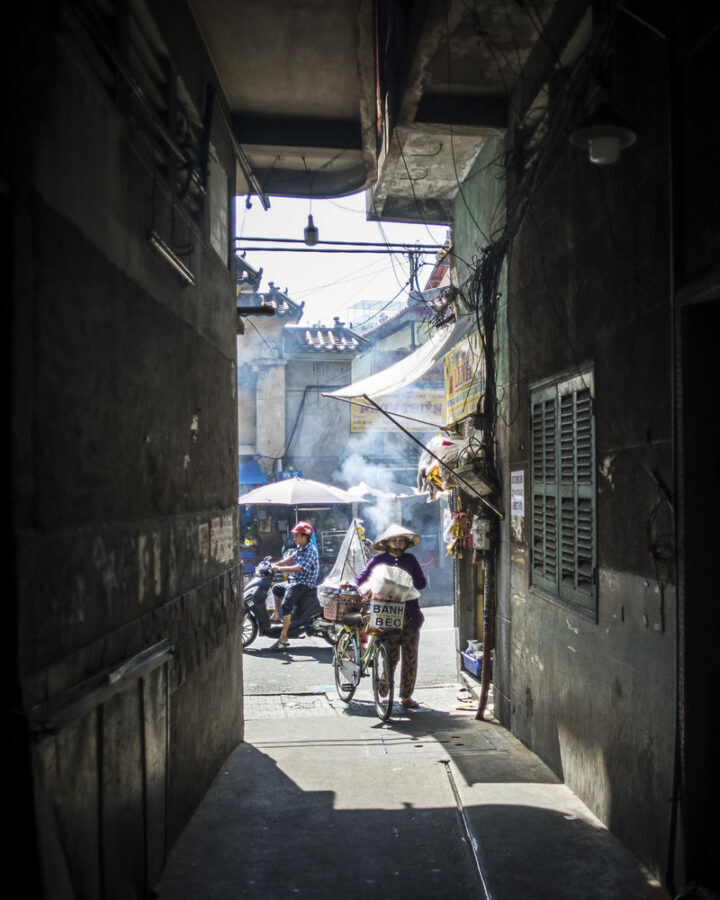
- Five places, not five photo stops on a checklist: The walk may take in old apartment buildings, a hardware market, a temple and everyday alleyways. Each location offers a different setting and a reason to look closer.
- Beginner-friendly instruction: You can ask about camera settings, light, composition and approaching people. The teaching is described as useful for beginners as well as photographers with more experience.
- A personal approach to street portraits: The guide helps with ways to speak to locals and photograph them politely. That can ease the nerves if you are new to taking candid street photos.
- A morning start: The departure time is 7 am. The route is scheduled for about two and a half hours, though the experience is described as lasting around two and a half to three hours.
- Small groups, with private options: Groups range from two to ten people, and private experiences are available. Ask how your booking will run if a small-group format matters to you.
- Budget for a variable listed price: The supplied prices are from $72.80 and from $80.09. Check your chosen date and package for the current price.
Coffee first, then a camera check
The outing starts over coffee or tea, a useful pause before you head into the streets. Your host can talk through photo basics, camera settings and what to notice in a scene, as well as how to approach people without treating them like props.
That opening is particularly helpful if you are still learning your camera. One person who had no formal training wanted to take better travel pictures and began by going over fundamental settings and techniques with the guide. More experienced photographers can use the same time to explain what they want to improve, such as reading light or making quick street shots.
The experience was created with photographer Frederik Wissin, who has worked in Vietnam for 17 years and has photographed for hotel groups, companies and international publications. Kevin Lee, a commercial photographer and producer with experience leading street-photography meetups in Singapore, is also named as a host.
The guide on the day may vary. Trung is also named in accounts of the experience, so if you have a preference or a particular skill you want to work on, ask who will lead your session when confirming details.
You can also read our reviews of more photography tours in Ho Chi Minh
Five Saigon settings, each with a different lesson
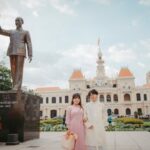
The route is built around five photogenic places in the heart of the city. The schedule may change with traffic and weather, and the exact order of stops is not fixed in the information provided. Think of the outing as a guided walk through different kinds of street scenes, rather than a rigid sequence of attractions.
French colonial and war-era apartment buildings offer a chance to study how older architecture sits within the city’s daily life. The guide can connect what you see to Saigon’s downtown history and buildings, helping you frame a photograph with more than a facade in mind.
A local hardware market gives you another sort of subject: a working place with people, objects and activity. It may take a little patience to find a clear composition, but that is part of the exercise. You can ask the guide how to choose a moment, manage a busy frame or use the available light.
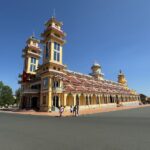
A temple provides a quieter contrast to the market and lanes. You can pay attention to details and atmosphere, while remembering that this is a place of worship, not simply a backdrop. Your guide can help explain the setting and how to photograph with care.
The alleyways are where the walk turns from buildings into neighborhood life. You may see how Vietnamese families live in close-knit lanes and get the chance to meet some of the people who live there. These are not spaces you should treat as open-air sets. The value of having a local guide is practical as well as cultural: they can help introduce you and make a portrait feel more like an exchange than an interruption.
The route includes places that are easy to miss if you are simply following a main street. That does not mean every stop is secret or exclusive, but a guide who knows the area can lead you into corners you might otherwise pass without noticing.
Learn to read the light and the moment
The strongest part of the experience is the combination of instruction and immediate practice. You can ask a question while making photographs, then get feedback on the light, framing or timing while the scene is still there. That is more useful than saving every question for a later classroom session.
The guide can also work from your level. If you are new, you can get help with camera settings and basic photographic choices. If you already shoot regularly, you can focus on specific challenges, such as working quickly or feeling more at ease with street portraits.
This is not only about technical settings. Street photography asks you to decide what is worth photographing, when to raise the camera and how to behave around people. A guide who explains how to start a conversation, and models politeness and gratitude, gives you a method you can carry into the rest of your trip.
That approach matters because confidence is often the real hurdle. A camera may be ready, but you may hesitate to photograph someone you have never met. Seeing how an experienced photographer engages with locals can make the act feel less awkward and more respectful.
The walk also leaves room for conversation about the craft. The guide’s advice can include practical technique, personal ways of seeing and the cultural context of the neighborhoods. If you want a strict lesson plan with a set list of camera exercises, ask about the teaching format before booking. The experience appears to adapt to the person or group rather than follow a formal course syllabus.
A walk with context, not just photo locations
The city history is part of what gives the route its shape. Old apartment blocks, alleyways and local businesses are not merely attractive backgrounds. They reveal how the center has changed and how daily life carries on among different eras of architecture.
You will hear historical and cultural details as you walk, though the precise stories depend on the route and guide. This is a good fit if you like knowing why a place looks the way it does, rather than collecting images without context.
The walk is also a chance to see a side of central Ho Chi Minh City that a standard landmark circuit might not show. The market, temple and narrow lanes bring you close to ordinary neighborhood routines. You should still expect a guided introduction, not an invitation to wander freely through private homes or photograph anyone without permission.
At its best, the guide’s local relationships make the walk feel relaxed. A thoughtful introduction can help residents feel at ease, and it gives you a better chance of making a natural portrait. The point is not to guarantee a particular image, but to learn how to approach a scene and the people in it.
Timing, meeting point and price
The experience starts at 7 am and is scheduled to finish around 9:30 am. The supplied information describes the duration both as two hours and as two and a half to three hours, while the route itself is listed at about two and a half hours. I would reserve at least three hours, then check the confirmed schedule before arranging anything immediately afterward.
The departure point is listed as Cafe Linh, with the exact meeting details confirmed after booking. The return information names Lacaph at 220 D. Nguyen Công Tru, District 1, and also refers to Cafe Linh. Since there are two Cafe Linh locations, confirm the precise starting point rather than choosing one from a map on your own.
Arrive ten minutes before departure. The route may change with traffic or weather, so keep your morning flexible. Coffee, tea and refreshments are included, but personal expenses are not.
The listed starting prices differ: the package information gives US$72.80, while the overview says from US$80.09. Treat either as a starting figure, not a guaranteed total for every date or booking option, and check the price shown for your chosen session.
For that cost, the value depends on what you want from the morning. If you only need someone to point out places to photograph, a self-guided walk will cost less. If you want feedback from a professional, help approaching people and context for the streets you are photographing, the fee buys instruction as well as a route.



Who will get the most from this walk
This experience suits you if you enjoy making photographs and want to improve by practicing in real settings. Beginners can ask for help with basics, while experienced photographers can bring a clear goal and seek more targeted advice.
It is also a good choice if you want to explore side streets with a guide who can explain the neighborhood and help with respectful interactions. You do not need to be a serious photographer to take part. You may simply want to learn a few useful camera habits while seeing local places that are not obvious from the main thoroughfares.
It is less suited to someone looking for a relaxed sightseeing bus tour, a guaranteed list of secret locations or a formal photography course with a fixed curriculum. You will be on foot, the route can shift, and the experience centers on taking pictures and learning as you go.
Participants must be at least 13 years old. Groups range from two to ten, and private sessions are available, which may be a better fit if you want more one-to-one coaching or have a particular pace in mind.
Should you book the Saigon Street Photography Experience?
Book it if you want to make better street photographs and are willing to learn by trying things in the moment. The mix of professional guidance, neighborhood history and practical advice on photographing people is the main reason to choose this over simply wandering with your camera.
Skip it if photography is not a priority and you mainly want a broad overview of the city’s major sights. Before paying, confirm the exact meeting point, current price, expected duration and who will host your session. If those details work for you, this is a worthwhile way to see central Saigon with your eyes and camera working a little harder.
Saigon Street Photography Experience
“Wonderful experience with Trung. I greatly appreciated his expertise, advice, historical and cultural knowledge. Time passed very quickly, we had a…”
FAQ
What time does the experience start?
It starts at 7 am. Arrive at the meeting point ten minutes before departure.
How long does the walk last?
The route is listed at about two and a half hours, and the experience is described as lasting around two and a half to three hours. Other supplied duration details say two hours, so confirm the schedule for your booking.
Where is the meeting point?
Cafe Linh is listed as the departure point, with exact details confirmed after booking. Because two Cafe Linh locations are mentioned, check your confirmation for the correct one.
Where does the experience end?
The return details name Lacaph at 220 D. Nguyen Công Tru, District 1, and also mention Cafe Linh. Confirm your return arrangements with the booking details.
Is the experience suitable for beginners?
Yes. It is described as suitable for photographers of any level, including people who want to learn basic photography skills.
What locations might I visit?
The walk may include French colonial and war-era apartment buildings, a local hardware market, a temple and alleyways where Vietnamese families live.
Who might lead the experience?
The named hosts include professional photographers Frederik Wissin and Kevin Lee. Trung has also led the experience, so the host may vary.
Are coffee and refreshments included?
Yes. Coffee or tea is offered at the start, and refreshments are included. Other personal expenses are not included.
Can I cancel or change my booking?
A full refund is available if you cancel at least 24 hours before the activity date, using destination local time. Changes are allowed until 24 hours before the activity, subject to the stated booking exceptions.