
Ranger Red’s Zoo is a compact wildlife park where the appeal is close contact with animals, not a marathon march past endless exhibits. You can spot kangaroos, peacocks, goats, birds and snakes, then choose from optional encounters such as a koala or dingo session.
I like that the park mixes daily animal sessions with themed habitats, including the African Savannah and Amazon Rainforest. I also like that the ticket gives all-day entry, so you can take your time rather than race through the grounds.
The trade-off is scale: this is a small zoo, and some enclosures may look less polished than you expect. At $19.29 to start, it makes most sense if you value animal encounters and a relaxed outing over a full day of big-city zoo exhibits.
At a glance
- A small park with a close-up feel: Plan on a more compact visit than at a major city zoo.
- Animals to look for: Kangaroos, goats, peacocks, birds and snakes are among the residents noted by visitors.
- Themed habitats: The African Savannah and Amazon Rainforest offer a change of scene as you walk around.
- Optional encounters: Koala, dingo, squirrel glider, Birds of the Night and zookeeper experiences are listed as package choices.
- Allow two to three hours: The ticket allows all-day entry, but you cannot re-enter after leaving.
- Easy to reach by car: The zoo is about a 24-minute drive from Mandurah Visitor Centre via Pinjarra Road.
- At a glance
- A compact wildlife visit in Pinjarra
- Animals, themed habitats and close encounters
- Plan around the daily sessions
- Is the ticket good value?
- Practical details before you go
- Who will enjoy Ranger Red’s Zoo?
- Should you book?
- FAQ
- How long should I plan to spend at Ranger Red’s Zoo?
- What are the zoo’s opening hours?
- Where is Ranger Red’s Zoo?
- What is included with general admission?
- Are animal encounters included in general admission?
- Do young children need a ticket?
- Can I bring a stroller or use a wheelchair?
- Can I feed the animals?
A compact wildlife visit in Pinjarra
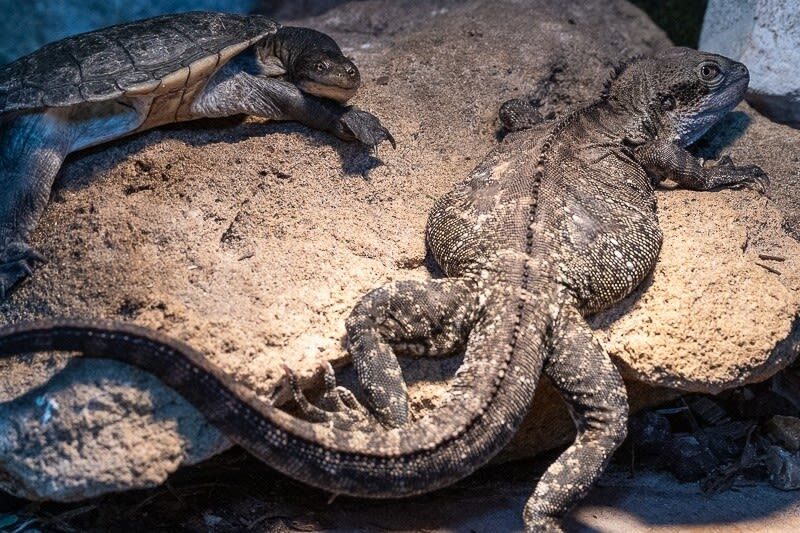
Ranger Red’s Zoo and Conservation Park sits on Sanctuary Drive in Pinjarra, roughly a 24-minute drive from Mandurah Visitor Centre along Pinjarra Road. It is an easy outing to pair with time in the Mandurah area if you have a car and want a break from town.
The advertised visit length is one to three hours, with two to three hours suggested for seeing the zoo at a comfortable pace. That is a useful expectation to set: you are not signing up for a huge, all-day institution, but you should have enough time to wander, look closely and catch a scheduled session.
The park’s modest size can be a plus if you are visiting with children or simply want a manageable day. You are less likely to spend the whole visit checking a map and more likely to pause when an animal catches your eye. On the other hand, if you expect extensive grounds and elaborate habitats, the scale may feel limited.
Animals, themed habitats and close encounters
The zoo presents animals from different parts of the world in themed settings, including an African Savannah and an Amazon Rainforest area. These themes help give your walk a sense of variety, though the experience is still centred on seeing animals at a compact park rather than exploring vast, naturalistic ranges.
Kangaroos, goats, peacocks, a variety of birds and snakes are among the animals you may encounter. That mix gives the visit broad appeal: children can look for familiar Australian wildlife, while bird and reptile fans have other residents to seek out. The available information does not specify every species or where each is housed, so treat the named animals as a useful guide, not a guaranteed checklist.
The optional encounters are worth considering if getting closer to an animal is your main reason for going. Package choices include koala, dingo, squirrel glider and Birds of the Night encounters, as well as a zookeeper experience. These are distinct from general admission, so check that you select the encounter you want rather than assuming it comes with the standard ticket.
The zoo promotes its visit as educational and conservation-focused. That can give the outing more purpose than simply ticking off animal sightings, especially for children. Still, the quality of the experience depends partly on the enclosures and presentation. Some visitors have found areas in need of tidying or improvement, so go expecting a small, hands-on park rather than a polished showcase at every turn.
Plan around the daily sessions
Daily shows, feeding sessions and activities are part of the zoo’s family-friendly offer. The published schedule includes time windows in the afternoon, along with sessions listed at 11:00 to 11:15 and 12:30 to 12:45 every day, and another at 14:30 to 15:00. The descriptions attached to those times are not fully clear, so ask staff which sessions are running and where to go when you arrive.
If a particular encounter or animal session matters to you, don’t leave your whole visit until late in the day. The park’s last admission is one hour before closing, and the session timetable may shape how you use your time. Arriving earlier gives you room to see the grounds first and then fit in a scheduled activity.
Opening hours vary by day. Monday to Friday, the zoo is open from 10:00 to 16:00. On Saturday and Sunday, it opens earlier, at 09:00, and closes at 17:00. The longer weekend hours allow a more leisurely visit, while weekday visitors should keep the 16:00 closing time in mind.
The ticket is valid for the selected date, and it allows all-day entry. But once you leave, you cannot re-enter. That makes it sensible to bring what you need for the visit and avoid planning an exit for lunch or a break elsewhere.
Is the ticket good value?
General admission starts at $19.29, which is a fairly approachable price for a few hours out, especially if you are travelling with children who enjoy animals. The value improves if you take time to see the different areas and catch a session. It may feel less compelling if your priority is a large zoo with many exhibits, extensive grounds or consistently high-end enclosure design.
A small park has a different kind of value from a big-city zoo. You can keep the outing simple, focus on a handful of animals and perhaps add a close-up encounter. If you are comparing prices, remember that koala, dingo and other named encounters appear as separate package options. The supplied starting price is for admission, not a promise that every encounter is included.
A current score of 3.5 out of 5 reflects a mixed but generally positive impression. The strongest points are the chance to interact with animals, the variety of interesting species and the quieter, smaller-park feel. The main reservations are the zoo’s size and the condition of some enclosures. Those details matter: you are paying for access to a local wildlife park, not a city-scale attraction.
Practical details before you go
You can present your mobile voucher at the entrance and go straight in. The ticket is date-specific, so make sure the date you choose matches your plans. Free cancellation is available if you cancel at least 24 hours before the activity date, using the destination’s local time.
Infants and children must be included in the passenger headcount, even though children aged 0 to 2 enter free. Children aged 0 to 15 must be with a paying adult; visitors aged 16 and older pay the adult rate.
The park is accessible by stroller and wheelchair. Transport, meals, drinks and personal expenses are not included, so arrange your own ride and bring any provisions you need. The supplied address is Sanctuary Drive, Pinjarra WA 6208.
A few simple rules protect the animals and the people around them. Avoid strong perfume, do not feed animals unless staff give permission, and leave prohibited items such as bottles, firecrackers and lasers at home. Smoking and drinking are not allowed inside the venue.
One especially useful note for bird owners: disinfect your feet, hands and shoulders before and after visiting to help prevent the spread of disease. It is a small precaution, but worth taking seriously if you keep birds at home.
Who will enjoy Ranger Red’s Zoo?
This is a good fit for families looking for a manageable outing, animal lovers who enjoy close encounters, and anyone staying near Mandurah who wants to add a few hours in Pinjarra. The optional experiences make it especially appealing if a koala, dingo or other named encounter is high on your list.
It may not be the best match if you want a sprawling zoo, pristine enclosures throughout or a full day’s worth of exhibits. If you are comfortable with a smaller park and go in with realistic expectations, you can have a pleasant, hands-on visit without committing an entire day.
Should you book?
Book Ranger Red’s Zoo if you want a reasonably priced, compact wildlife visit and the chance to add an animal encounter. Allow two to three hours, arrive with enough time for the daily sessions, and check which activities are running when you get there.
Skip it if you are mainly seeking the scale and finish of a major city zoo. The park’s strongest draw is its approachable size and interactive options, while its limited scale and some enclosure upkeep are fair reasons to pause. For families and animal fans already in the area, it can be a worthwhile stop; for a destination trip on its own, weigh that modest scope against your expectations.
Ranger Red’s Zoo Ticket
“This was a great experience and so much better than traditional parks/zoo's. I would've given 5 stars however the enclosures need some work and to…”
FAQ
How long should I plan to spend at Ranger Red’s Zoo?
Allow at least two to three hours to enjoy the zoo. The ticket allows all-day entry, but re-entry is not allowed once you leave.
What are the zoo’s opening hours?
Monday to Friday, the zoo is open from 10:00 to 16:00. Saturday and Sunday hours are 09:00 to 17:00. Last admission is one hour before closing.
Where is Ranger Red’s Zoo?
It is on Sanctuary Drive, Pinjarra WA 6208, Australia. The drive from Mandurah Visitor Centre takes about 24 minutes via Pinjarra Road.
What is included with general admission?
General admission includes entry to Ranger Red’s Zoo and Conservation Park. Transport, meals, beverages and personal expenses are not included.
Are animal encounters included in general admission?
The koala, dingo, squirrel glider, Birds of the Night and zookeeper experiences are listed as separate package options. General admission is for entry to the zoo.
Do young children need a ticket?
Children aged 0 to 2 enter free, but infants and children must be included in the passenger headcount. Children aged 0 to 15 must be accompanied by a paying adult.
Can I bring a stroller or use a wheelchair?
Yes. The activity is listed as stroller-accessible and wheelchair-accessible.
Can I feed the animals?
Do not feed the animals unless staff give you permission. The zoo also asks visitors to avoid strong scented perfume because animals are sensitive to odours.