Hoi An makes its best case on foot: a former trading port where Chinese, Japanese, and Vietnamese design meet in old merchant houses and temple courtyards. This private tour gets you there from Da Nang, then gives you a guide to explain what you’re seeing before you head off on your own.
I like the hotel pickup and private pace, which can make the trip easier for families and anyone who wants room to ask questions. I also like the option to stay through sunset, when lanterns brighten the old town. One thing to plan for: entrance tickets cost extra, and the walk can feel hot, crowded, or tiring.
- At a glance
- Why a guide helps in Hoi An
- From Da Nang to Hoi An
- The Phuc Kien Assembly Hall
- Tan Ky House and the life of a merchant family
- The Japanese Covered Bridge
- Phung Hung House and the architectural mix
- A private walk, with room to make it your own
- Staying for lantern light
- What the price does and does not cover
- Who should book this walk?
- FAQ
- How long is the guided walk?
- What sights are included in the walking route?
- Is the tour private?
- Are transfers from Da Nang included?
- Are entrance fees included?
- Can I stay in Hoi An after the guided tour?
- What should I bring and wear?
- Can young children join?
- The Best Of Hoi An!
- More Walking Tours in Hoi An
- More Tours in Hoi An
- More Tour Reviews in Hoi An
- Not for you? Here's more nearby things to do in Hoi An we have reviewed
At a glance
 1 / 5
 2 / 5
 3 / 5
 4 / 5
 5 / 5
- Walk the old trading quarter: Hoi An’s port was trading as early as the 15th century, and the town became a UNESCO World Heritage Site in 1999.
- Visit four landmark buildings: The usual route includes the Phuc Kien Assembly Hall, Tan Ky House, the Japanese Covered Bridge, and Phung Hung House.
- Ride from Da Nang: Round-trip transfers are included for hotels in central Da Nang, with some property exclusions.
- Keep your afternoon or evening open: After the guided walk, you can explore independently and arrange a return as late as 9:00 pm.
- Bring extra cash for admission: The entrance fee is VND 120,000 per person and is not included.
- Prepare for heat and steps: Wear walking shoes and bring sunscreen and sunglasses. A hat or umbrella can also help on a sunny day.

👉 See our pick of the 25 Best Shopping Tours In Hoi An
Why a guide helps in Hoi An
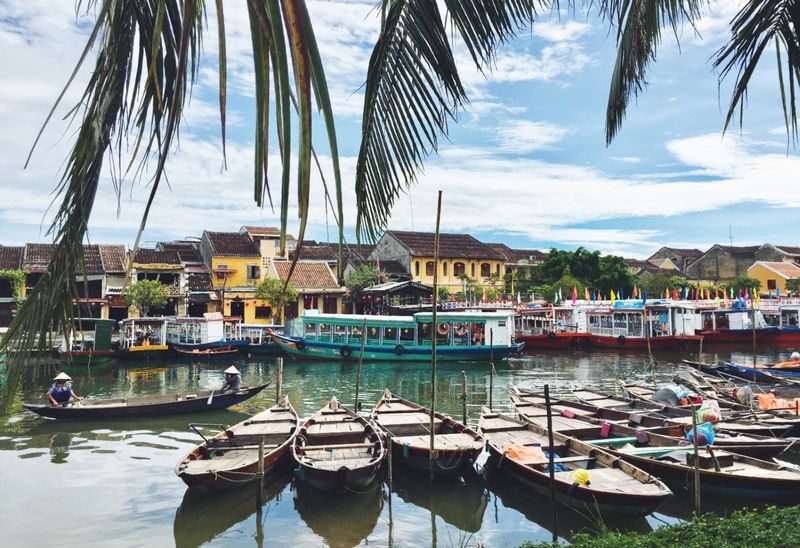
Hoi An is a pleasure to wander without a plan. Its old streets, wooden shopfronts, lanterns, and riverside setting do much of the work. But without some context, the buildings can blur into a handsome row of façades. A guide helps you spot how the town’s trading past shaped its temples and homes.
The town grew as a port with business dating to the 15th century. Its architecture reflects contact among Vietnamese residents and Chinese and Japanese communities, along with other foreign traders. The result is not one neat style, but a mix of influences you can see in courtyards, rooflines, and the layout of old houses.
This tour gives you that background during a roughly two-hour guided walk, then leaves time to explore on your own. That balance is one of its best features. You get enough explanation to make the old town more legible, without spending every hour following a guide.
You can also read our reviews of more walking tours in Hoi An



From Da Nang to Hoi An
The day starts with a hotel pickup in central Da Nang, or with a meeting at the stated Da Nang address if your hotel is outside the pickup area. The operator reconfirms the pickup time in advance. Pickups are not available at InterContinental Hotels & Resorts or Son Tra Resort & Spa, and properties outside the designated area require you to make your own way to the meeting point.
The ride gives you a simpler alternative to arranging transport between cities yourself. One tour account describes the journey to the Hoi An meeting point as about 40 minutes, though traffic and pickup arrangements can affect the trip. The driver and guide may be separate people, so keep your phone available for coordination and confirm the return plan before the walk begins.
The available start times are 8:30 am and 2:00 pm. A morning start can suit you if you would rather walk before the late-day crowds and heat build. The afternoon option gives you a chance to stay for dusk and lantern light, though it can mean more people in the old town. Either way, you can ask to return earlier or arrange to stay longer.
The Phuc Kien Assembly Hall
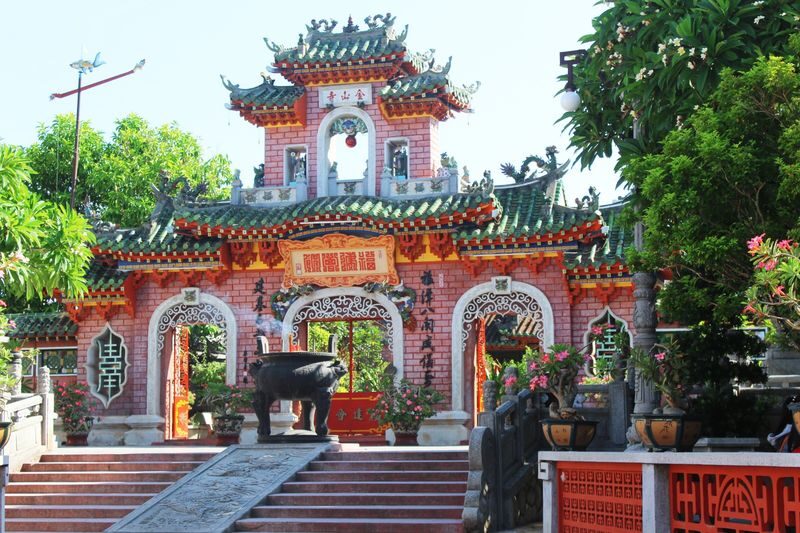
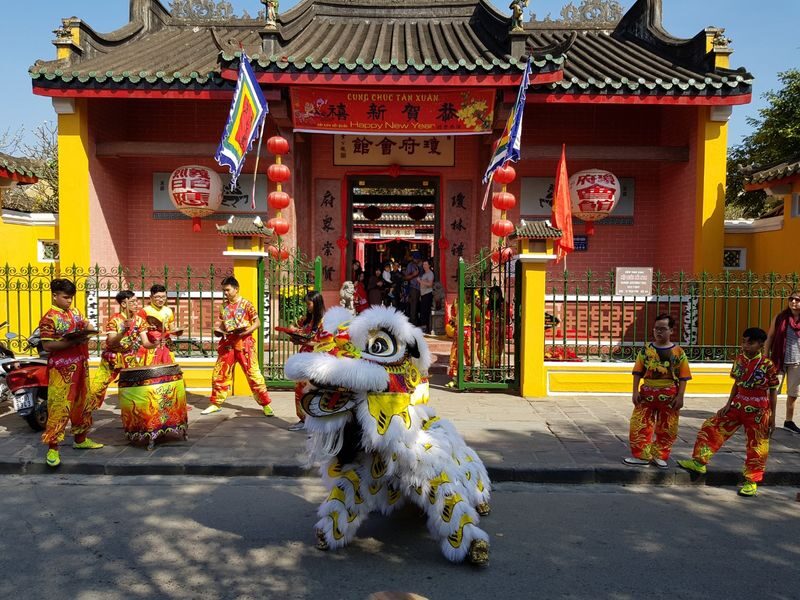
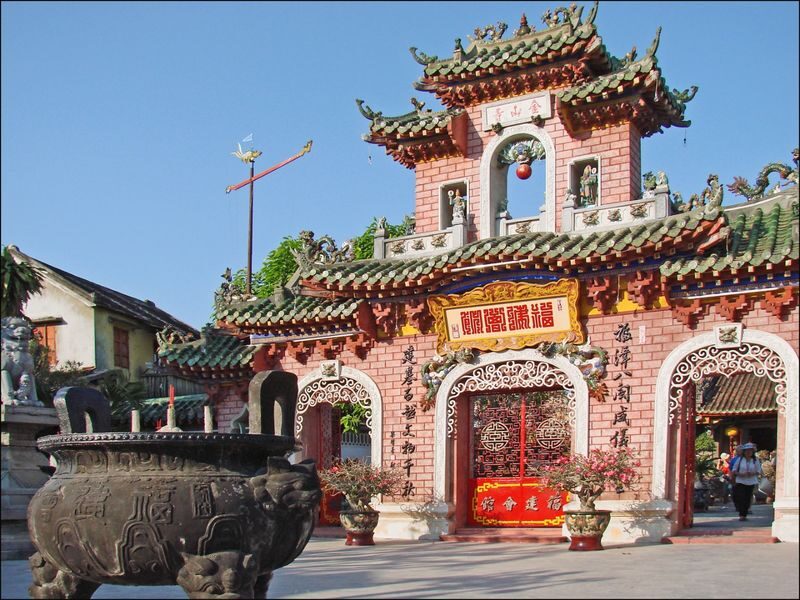
The first stop is the Phuc Kien Assembly Hall, also called the Fukian or Fujian Assembly Hall. It began as a meeting place for members of the Fujian Chinese community, where they could gather and socialize, and later became a place of worship.
The building’s ornate Chinese-style design makes it a strong opening to the walk. Your guide can help explain the hall’s purpose, rather than leaving you to admire its decoration without knowing why it is there. For me, that is the point of the guided format: a few useful details can turn a photo stop into a place with a story.
Admission to the old town’s attractions is not included in the tour price. The stated entrance fee is VND 120,000 per person, so factor it into your budget and bring enough money to cover it.
Tan Ky House and the life of a merchant family
At Tan Ky House, the focus shifts from public worship to private life. The 18th-century merchant’s home has been maintained by more than seven generations of the same family. Inside, antique-filled rooms hold traces of the trade and cultural exchange that helped shape Hoi An.
The house gives you a more domestic view of the port’s past. Rather than reading the town only through temples and public monuments, you can see how a prosperous trading family lived and how different cultural influences met under one roof. Expect close quarters and older interiors, not a grand museum with wide galleries.
The stop can involve stairs or uneven surfaces in historic buildings. The general walk is described as easy and flat, but one museum visit on a similar route included steep steps. If stairs are a concern, tell your guide before the tour starts so you can discuss the pace and which stops work for you.
The Japanese Covered Bridge
The Japanese Covered Bridge is Hoi An’s best-known landmark. It was built by the Japanese community to connect with the Chinese quarter, making it a practical link as well as a striking piece of architecture.
Its fame comes with a trade-off: it is often one of the busiest spots in town. You may need patience for a clear look or photograph, especially later in the day. The guide’s explanation helps put the bridge in context, while the surrounding lanes offer quieter details once you move on.
The bridge is a natural highlight, but it should not be the only reason you book. Hoi An’s appeal lies in the connections among its buildings, communities, and trade. The walk is more rewarding when you pay attention to the whole old quarter, not just its most photographed structure.
You can also read our reviews of more private tours in Hoi An






Phung Hung House and the architectural mix
The final stated stop is Phung Hung House, a two-storey building near the Japanese Covered Bridge. Its design combines Chinese and Japanese elements, while its handicrafts point to Vietnamese culture and heritage.
This is a useful closing stop because it brings the town’s architectural blend into one place. You can compare what you have seen at the assembly hall and Tan Ky House, then notice how different influences appear together in a single building. The tour ends here, leaving you free to continue exploring or return to Da Nang.
Some guides may add other sights or activities. Past tour experiences have included a traditional performance, museum stops, markets, or a food break, but those additions are not guaranteed by the stated route. If you have a particular interest, such as local food or a cultural performance, ask your guide what can fit into your visit rather than assuming it is part of every tour.
A private walk, with room to make it your own
The private format is valuable less for exclusivity than for control over pace. Families with children, older relatives, or anyone who prefers to stop often can ask for a slower walk or a short break. Guides named in tour experiences include Jackie, Tin Tin, Emma, Thuy, and Quin, though you cannot count on a particular guide being assigned.
The quality of a guided experience depends partly on how well you and your guide communicate. English-speaking guides are included, but pronunciation and fluency can vary. If an explanation is unclear, ask for it again or request a simpler version. You are paying for a private walk, so it is reasonable to speak up about the pace, your interests, and when you need a rest.
The walk is not recommended for anyone with impaired physical mobility. Hoi An’s old streets are pedestrian-only in parts, which makes them pleasant for walking but means you will be on foot for the sightseeing. Wear comfortable walking shoes, and bring sunscreen and sunglasses. In hot weather, a hat or umbrella is a sensible addition.
Staying for lantern light
After the guided portion, you can return to Da Nang or stay in Hoi An to explore on your own. Tell the guide what return time you want to arrange. The latest departure back to Da Nang is 9:00 pm.
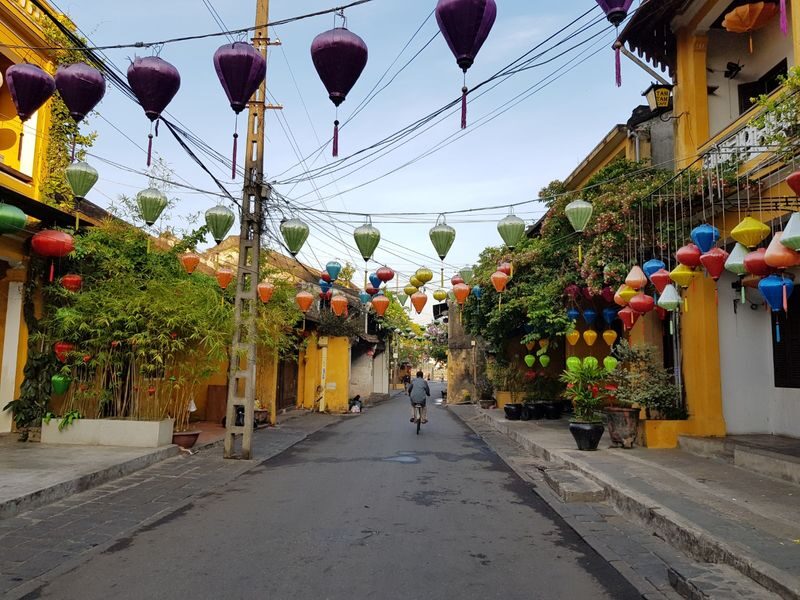
Staying until after sunset is worth considering if lanterns are high on your list. As daylight fades, colored lanterns light the old town’s pebbled streets. The change in atmosphere is one of the pleasures of the afternoon option, though the same evening hours can bring heavier crowds. A morning walk tends to be more practical for cooler sightseeing; an afternoon walk gives you the chance to see the town after dark.
You may also have time to browse shops or visit the night market before your ride back. Shops can be expensive, and bargaining may be possible. Keep some time unplanned rather than trying to fit in every lane and storefront. The guided tour gives you an introduction; the free time is where you can follow your own curiosity.
What the price does and does not cover
The tour is advertised from US$35.40, while the package details also show a starting price of US$30.79. Prices can vary, so check the amount shown for your date and booking before you pay. The package is priced per person, even though the tour itself is private.
The price includes an English-speaking guide, bottled water, private-tour arrangements, and round-trip transfers to and from eligible hotels. It does not include meals, tips, or the VND 120,000-per-person entrance fee. That separate admission charge matters when comparing the tour with a self-guided visit.
I see the value chiefly in the transport and the guide. If you already have a way to reach Hoi An and are content to wander without much background, you may not need a private tour. If you want a structured introduction, someone to connect the buildings to the town’s trading past, and a return ride arranged for you, the extra cost can be worthwhile.
An additional charge of VND 150,000 per person applies on January 1, April 30, May 1, December 24 and 25, and December 31, 2027. Children aged 0 to 3 can join free of charge. The tour also offers a full refund if you cancel at least 24 hours before the activity date, based on local time.
Who should book this walk?
This tour suits first-time visitors staying in Da Nang who want to see Hoi An without arranging every part of the trip themselves. It is especially useful if you value a guide’s explanations, want a private pace, or would like to stay for the evening and have a return transfer waiting at an agreed time.
It is less suited to anyone who wants a full day of unhurried sightseeing, dislikes walking in heat, or needs step-free access. It is also not the best fit if you expect meals, tickets, or a fixed list of extra performances to be included. For a focused introduction to Hoi An, followed by independent time, it strikes a practical balance.
Private Hoi An Half Day Walking Tour from Da Nang
“We booked the private tour for four people. Pickup from our hotel was on time and the van was spacious and comfortable. The guide was friendly, pat…”
FAQ
How long is the guided walk?
The guided walk is about two hours. The full outing takes longer because it includes the transfer from Da Nang and any time you choose to spend in Hoi An afterward.
What sights are included in the walking route?
The stated route includes the Phuc Kien Assembly Hall, Tan Ky House, the Japanese Covered Bridge, and Phung Hung House.
Is the tour private?
Yes. The package is described as a private tour and is priced per person.
Are transfers from Da Nang included?
Round-trip transfers are included for hotels in central Da Nang. Pickup is not available at InterContinental Hotels & Resorts or Son Tra Resort & Spa. If your hotel is outside the pickup area, you need to make your own way to the meeting point.
Are entrance fees included?
No. The stated entrance fee is VND 120,000 per person.
Can I stay in Hoi An after the guided tour?
Yes. You can keep exploring on your own or return to Da Nang when arranged with your guide. The latest departure back to Da Nang is 9:00 pm.
What should I bring and wear?
Wear walking shoes and bring sunscreen and sunglasses. A hat or umbrella can also be useful in hot weather.
Can young children join?
Children aged 0 to 3 can join free of charge. The walk is not recommended for anyone with impaired physical mobility.