Broome’s pearling story comes into focus around a restored pearl lugger, a working boat built for a dangerous trade. On this 90-minute tour, you’ll see the vessel alongside old diving equipment and other artifacts, then hear how pearls, buttons, and risk shaped the town.
I like two things in particular: the display puts real equipment and a full-size lugger at the center of the story, and the pearl meat tasting gives you a small, distinctly local taste of the industry. A past guide named Stuart was praised for answering questions and keeping the tour lively, though your guide may be someone else.
One consideration: the tour runs at 11:30 and includes seafood, with no accommodation for allergies or special diets. It is also a focused indoor-and-display experience, not a boat trip or transport service.
- The useful details at a glance
- A close look at Broome’s pearling past
- Meet the lugger and the gear
- Buttons, Keshi pearls, and the local trade
- A taste of pearl meat
- What the 90-minute visit is like
- Is the price good value?
- Who will get the most from it
- Should you book the Pearl Luggers Tour?
- FAQ
- Where does the Pearl Luggers Tour meet?
- What time does the tour start?
- How long is the tour?
- What is included in the tour?
- Is pearl meat served on the tour?
- Can the tour accommodate dietary needs?
- Is the tour accessible for wheelchairs and strollers?
- The Best Of Broome!
- More Tours in Broome
- More Tour Reviews in Broome
- Not for you? Here's more nearby things to do in Broome we have reviewed
The useful details at a glance
- A restored lugger anchors the story: See a fully rigged pearl lugger, a vessel designed for Broome’s pearling trade.
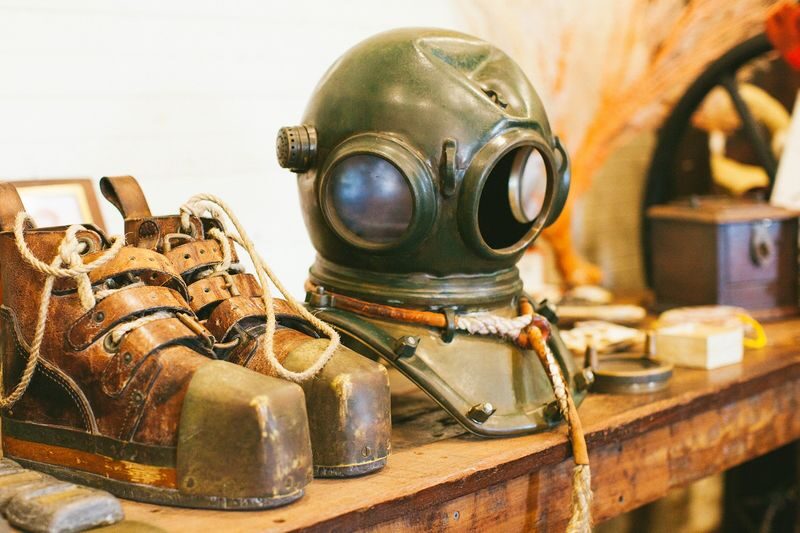
- The displays cover 150 years: Expect hard-hat equipment and other artifacts tied to the work and dangers of pearling.
- Broome’s button trade gets its due: Learn about the mother-of-pearl industry and the saying that Broome was built on buttons.
- Keshi pearls are part of the story: Your guide introduces these imperfect, distinctive pearls alongside the broader trade.
- Pearl meat is included: You get a small taste of Pinctada maxima oyster meat, subject to seasonal ingredient availability.
- Plan for a set start time: The tour runs daily at 11:30 and takes 90 minutes.

👉 See our pick of the Best Shopping Tours In Broome
A close look at Broome’s pearling past
Broome’s early pearling trade was built on hard work, high risk, and the hope of a valuable catch. This tour gives you a compact way to understand that past without having to piece it together from scattered town sights. Its subject is not only the pearl itself, but also the boats, gear, labor, and mother-of-pearl that supported the trade.
The setting is Willie Creek Pearls Chinatown at 31 Dampier Terrace. The experience focuses on exhibits and a restored vessel, with the story connected to the mangroves along the foreshore of Dampier Creek. That link matters: pearling was tied to the local waters, not just to polished objects in a shop display.
The tour lasts about an hour and a half. That is long enough to give the objects context, but short enough to fit into a day of Broome sightseeing. You’ll want to arrive ready to listen and ask questions. The displays will make more sense when you understand what each tool was used for and what the job demanded.
You can also read our reviews of more tours and experiences in Broome.


Meet the lugger and the gear
The restored pearl lugger is the visual heart of the visit. Fully rigged and set beside a replica intertidal jetty and tenders store, it helps you picture the practical side of the trade: boats and shore facilities were essential parts of the work. The setting gives the vessel a clearer purpose than a standalone boat display would.
You’ll also see a broad range of pearling artifacts, including equipment connected with hard-hat work underwater. These objects help explain why pearling carried real danger, as well as the possibility of fortune. The tour covers the people who took those risks and the tools that shaped their work.
This is a display-based experience, not a ride on a lugger. If you’re hoping to go out on the water, this is not that kind of tour. Its value is in seeing the vessel and equipment up close while a guide explains how they fit into Broome’s past.
A guide makes a particular difference here. A past session was led by Stuart, who handled many questions and kept the presentation entertaining. Guide assignments can vary, but the format should suit curious visitors: the objects give you plenty to look at, while the spoken history helps connect them.
Buttons, Keshi pearls, and the local trade
Pearls are only part of the story. Mother-of-pearl also had commercial value, and the tour introduces the old saying that Broome was built on buttons. It is a useful reminder that the pearling economy involved more than the rare, lustrous pearls most people picture today.
You’ll also hear about Keshi pearls, described here as perfectly imperfect. That phrase points to an important distinction: not every pearl is a neatly matched, uniform sphere. A Keshi pearl’s irregularity is part of its character, and seeing it in the context of the trade makes the subject more than a lesson in jewelry.
The exhibits span about 150 years of Broome’s pearling history. That gives the visit a broad arc, from the demanding work of the early industry to the pearls and artifacts that now help explain it. If you already know a little about pearls, the local details are likely to be the most rewarding part. If you’re new to the subject, the guide can help you connect the terms and objects.
This section also makes the tour useful for visitors who want more than a quick look at a display case. The point is not simply to admire a pearl; it is to understand how a natural product, a dangerous occupation, and a town’s economy became linked.
A taste of pearl meat
The tour includes a tasting of pearl meat from the Pinctada maxima oyster. It is described as having a subtle flavor, and it offers a small, practical connection to the local food culture as well as the pearling story. You’re not just hearing about the oyster as a source of pearls; you also get to sample another part of it.
Treat the tasting as a small addition to the tour, not a meal. The ingredients may vary by season and availability, so the menu is subject to change. If food is a main reason you’re considering the visit, bear in mind that the tasting is included as part of a history tour, not as a full dining experience.
There is an important dietary limit: pearl meat is seafood, and the operator cannot accommodate allergies, gluten intolerance, vegetarian diets, or other dietary needs. Tell the operator about allergies when booking, but do not assume that this will make the tasting safe or allow a substitute. If you have dietary restrictions, the history and displays may still interest you, but the food portion may not be suitable.
What the 90-minute visit is like
The tour begins at Willie Creek Pearls in Chinatown, where you meet your English-speaking guide. The scheduled start is 11:30, every day of the week. Arrive five minutes early, since late arrivals and no-shows are not refundable.
From there, expect a guided introduction to Broome’s pearling past, including the hard-hat equipment and other historic artifacts. The displays cover both pearling and mother-of-pearl, giving the guide material to explain how the industry worked and why it carried danger as well as the prospect of profit.
The restored lugger and replica jetty setting help bring that explanation into view. You can examine the boat display and imagine the role of the vessel and shore facilities without needing a long excursion beyond the site. The experience also makes room for the smaller stories, including Keshi pearls and the trade in mother-of-pearl buttons.
The pearl meat tasting is included during the visit, though the exact food offering depends on seasonal availability. The full program takes around 90 minutes. The group can range from one to 40 participants, so the feel may be more intimate in a small session and more like a group presentation when attendance is high.
The tour is wheelchair- and stroller-accessible. Bring a water bottle, and plan your own transport: getting to the meeting point is not included, with private car or local taxi suggested as the best options.


Is the price good value?
The join-in tour starts at US$26. For that price, you get a guide, a 90-minute history presentation, access to the pearling and mother-of-pearl displays, the restored lugger presentation, and a pearl meat tasting. That is reasonable value if you want a concentrated introduction to a defining part of Broome’s past.
The value depends on your interests. If you’re curious about local history, working boats, or the process behind pearls, the mix of artifacts and explanation should justify the modest cost. The tasting adds a memorable local detail, but it is not a reason to book on its own.
There is no transport included, so factor in the trip to 31 Dampier Terrace. You also need to book for a specific date and time, and the voucher is valid only for that booking. If severe weather or another unforeseen event forces the operator to cancel, you can reschedule or request a full refund.
Who will get the most from it
I’d recommend this tour to anyone who wants a compact, guided account of Broome’s pearling industry, especially if you like learning through objects rather than a long talk alone. The lugger, hard-hat gear, and mother-of-pearl artifacts make the history concrete, while the guide can answer questions as they come up.
Families can bring children. Ages 0 to 4 are free, while ages 5 to 15 are classified as children based on official ID. The 90-minute length is manageable for many families, and the site is stroller-accessible, though the tour’s appeal will depend on a child’s interest in boats, tools, and local history.
It may be less suitable if you want an active boat outing, need a flexible start time, or have dietary needs the operator cannot support. It also isn’t a substitute for broader sightseeing around Broome. Think of it as a focused local-history stop that can add context to the rest of your visit.
Should you book the Pearl Luggers Tour?
Book it if you want to understand why pearling mattered to Broome, and you value a guide who can bring equipment and a restored boat to life. The strongest reasons are the unusually tangible displays, the concise 90-minute format, and the chance to taste pearl meat as part of the story.
Skip it if you’re mainly looking for a boat ride, a full meal, or a tour that can adapt to dietary restrictions. For most history-minded visitors with an open 11:30 slot, though, this is a practical way to get beyond the surface of Broome’s pearling identity.
Pearl Luggers Tour in Broome
“Even though I had an interest in the history of the pearl industry, I enjoyed this experience more than I expected! The tour was well-structured, a…”
FAQ
Where does the Pearl Luggers Tour meet?
Meet at Willie Creek Pearls Chinatown, 31 Dampier Terrace, Broome WA 6725, Australia.
What time does the tour start?
The tour starts at 11:30 and is available Monday through Sunday. Arrive five minutes before the scheduled start.
How long is the tour?
The tour takes about 90 minutes.
What is included in the tour?
You get an English-speaking guide, an introduction to Broome’s pearling history and hard-hat work, the pearl lugger display, historic pearling and mother-of-pearl artifacts, and a pearl meat tasting.
Is pearl meat served on the tour?
Yes. Pearl meat from the Pinctada maxima oyster is included. The food offering may change depending on the season and ingredient availability.
Can the tour accommodate dietary needs?
No. The activity cannot accommodate allergies, gluten intolerance, vegetarian diets, or other dietary needs. Pearl meat is a seafood product, so consider this before booking.
Is the tour accessible for wheelchairs and strollers?
Yes. The activity is wheelchair- and stroller-accessible.