The best part of this Siem Reap class is that the meal starts before you reach the cooking table. You visit a local market to see the produce and meat used in Khmer cooking, then prepare a starter, main dish, and dessert with a Paper Tiger chef. You finish by eating what you made.
I like the choice of dishes, from fish or chicken amok to beef loc lac, and the chance to adapt for vegetarian diets and other needs. I also like that instructors such as Sopheap, Channy, and Sinuon explain the steps in clear English. One consideration: the class is scheduled for 2 hours and 30 minutes, despite being described elsewhere as three hours, and the market visit can be brief.
- What to know before you book
- A market walk before the first cut
- Choosing a starter, main, and dessert
- Cooking, not watching
- Sitting down to the meal you made
- Timing, cost, and class options
- Who will get the most from this class
- Should you book Paper Tiger?
- FAQ
- How long is the Paper Tiger cooking class?
- What dishes can I make?
- Can the class accommodate dietary needs?
- Where does the class meet?
- Are children allowed?
- What is included in the price?
- The Best Of Siem Reap!
- More Cooking Classes in Siem Reap
- More Tours in Siem Reap
- More Tour Reviews in Siem Reap
- Not for you? Here's more nearby things to do in Siem Reap we have reviewed
What to know before you book
 1 / 4
 2 / 4
 3 / 4
 4 / 4
- The market visit sets up the cooking: See fresh ingredients and hear how they are used before heading to the kitchen.
- You prepare three courses: The format includes one starter, one main, and one dessert, with menu options that can vary by season.
- Amok is a popular pick: Choose fish, chicken, or a vegetarian version, alongside options such as curry and beef loc lac.
- The instruction is hands-on: You chop, prepare, and cook with guidance, rather than simply watching a chef work.
- Expect a filling meal: Portions can be large, so you may have food left over.
- Recipes come as a digital book: It is intended to help you cook the dishes again at home, though the recipe material may not always match the class exactly.

👉 See our pick of the 25 Best Guided Tours In Siem Reap
A market walk before the first cut
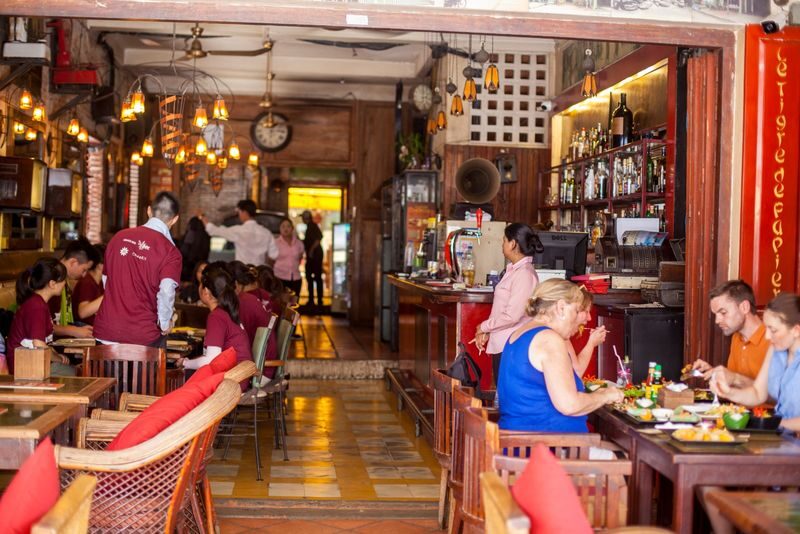
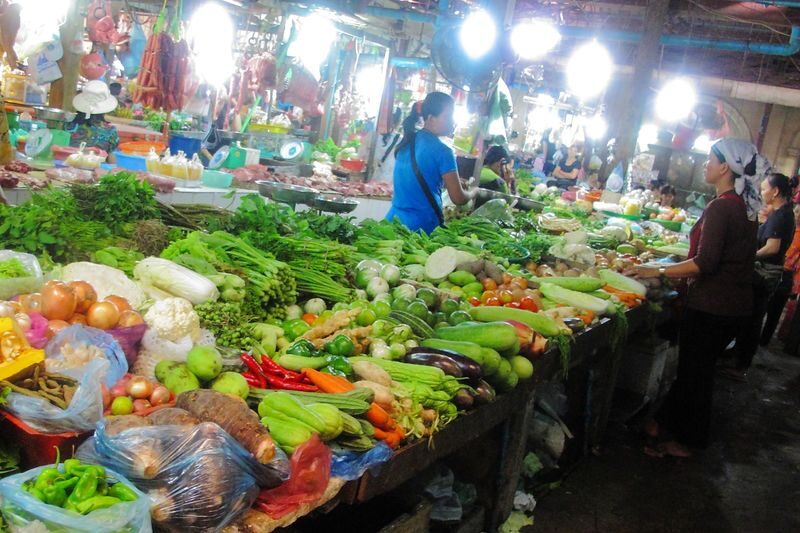
Paper Tiger Eatery, also called Le Tigre de Papier, is at 59 Street 08 in Siem Reap. The class begins with a visit to a local market, where your instructor points out fresh vegetables and other ingredients used in Khmer dishes. That short walk gives the cooking lesson a useful local frame: you see the raw ingredients before they arrive washed, chopped, and ready to cook.
Instructors including Sopheap, Channy, and Sinuon have led classes here. Their teaching style matters because many dishes involve ingredients or methods you may not know. The class is designed for beginners as well as people who already cook, and the instructors demonstrate each stage while helping you as needed. English is used for instruction, and participants have found it easy to follow, including those who are not native English speakers.
Keep your expectations for the market stop modest. It is a guided look at ingredients, not a long food tour or a full lesson in shopping at a Cambodian market. One participant found the walk quick. If market visits are your main reason for booking, you may want more time there; if you want a useful introduction before cooking, it does the job.
The market can also help you recognize unfamiliar herbs, vegetables, and fruits. Instructors have explained local names and how ingredients are used in Cambodian dishes. That context becomes more helpful later, when a recipe calls for something you might not see in your home supermarket.
You can also read our reviews of more cooking classes in Siem Reap


Choosing a starter, main, and dessert
After the market, you head to the eatery’s cooking space and select dishes for the class. The sample menu includes fresh or deep-fried spring rolls and green mango salad for starters. Main choices may include fish, chicken, or vegetarian amok; chicken curry, with a vegetarian option; beef loc lac; and deep-fried chicken with bok choy.
The menu can change with the season and ingredient availability, so treat those choices as examples rather than a fixed promise. The class also includes a dessert, though the specific dessert is not listed in the sample menu. Banana with passion fruit has been prepared in class, and some participants have made fried banana with a passion-fruit glaze.
I would choose amok if you want to learn one of Cambodia’s best-known dishes. It is a chance to work through a Khmer favorite with a chef there to explain the process. Beef loc lac is another good choice if you want a hearty main, while spring rolls or green mango salad offer a lighter start.
There is room to cook for different tastes. The class can accommodate vegetarian diets, allergies, gluten intolerance, and other dietary needs. Tell the operator about your requirements when arranging the class, rather than assuming every menu choice can be adjusted at the last minute. Participants have found the staff flexible, including when one person wanted a vegetarian meal and another chose meat.
Cooking, not watching
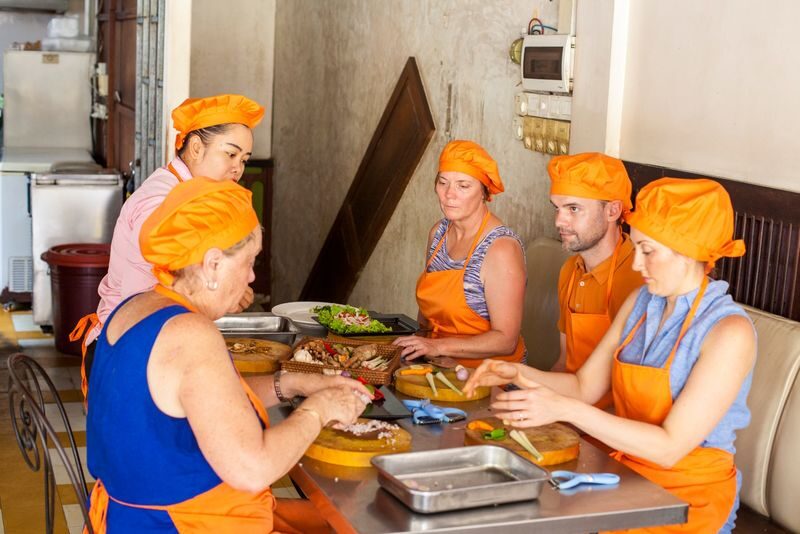
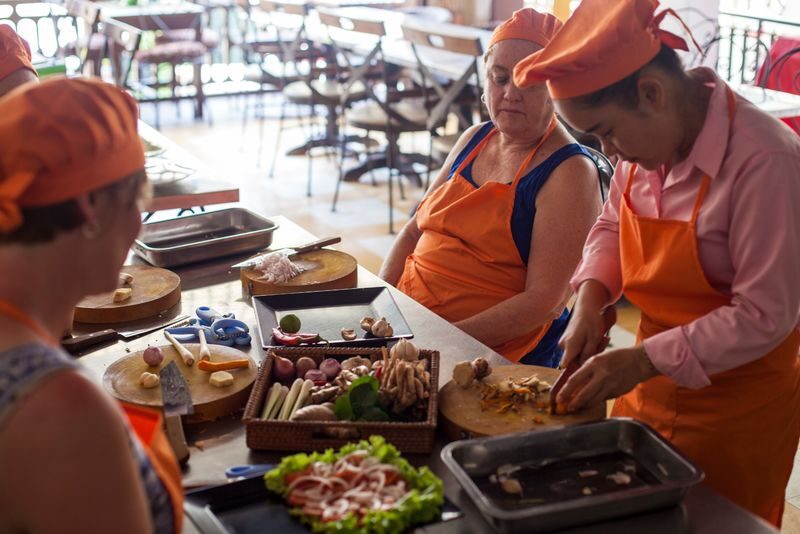
The class is built around making your own dishes with the chef nearby to demonstrate and guide. You can expect to prepare ingredients, cook, and plate the food. Instructors have also shown participants how to make sauces and decorate dishes with vegetables. It is a practical class, not a chef’s performance with a tasting at the end.
The pace can be brisk. You have several dishes to complete in a limited session, so the chef keeps things moving. Some people have found the teaching close to one-on-one, especially when a small group or a single participant booked the session. But group size is not guaranteed, and a shared class may include other students.
The balance of help is worth noting. A good instructor gives you enough direction to make the dish safely and well, while leaving you with a sense that you cooked it yourself. Instructors such as Sopheap, Channy, and Sinuon have been praised for patient, clear demonstrations and a warm manner. The class is suitable for newcomers, but it should still interest anyone who wants to understand how the dishes come together.
The cooking area has been described as open-air and hot, with no air conditioning in at least one participant’s experience. Siem Reap heat can make an active cooking session feel warmer than a restaurant meal, so wear light clothes and consider the evening class if you prefer a cooler time of day. The activity runs in all weather conditions, but it is not suitable for people with serious medical conditions or people with disabilities, according to the activity information.
Sitting down to the meal you made
Once the cooking is done, you eat the meal with the other students. This is the satisfying payoff: you taste the dishes while they are fresh and see how your own work turned out. The portions can be generous, sometimes more than one person can finish. If you have leftovers, staff have helped pack them to take away.
The meal also gives you time to compare dishes and talk about what you might cook again at home. The class includes complimentary drinks, ingredients, a certificate of completion, and a digital recipe book. There is no need to arrange a separate lunch or dinner after the session unless you are especially hungry or want to keep exploring Siem Reap’s food scene.
One detail to keep in mind is the recipe book. It is meant to help you repeat the dishes, but some participants have found it too simplified, outdated, or different from the method used in class. Others have received recipes promptly and enjoyed using them later. If recreating a dish is important to you, take notes during the lesson and ask the instructor to clarify quantities, sauces, or substitutions while you are together. Some ingredients may be hard to find at home, so ask what alternatives could work.
Timing, cost, and class options
The scheduled morning class runs from 10:00 to 12:30 and includes the market visit, cooking, and lunch. Afternoon options run from 13:00 to 15:30 or 17:00 to 19:30, ending with a late lunch or dinner. The schedule gives you a compact half-day activity, but do not mistake the three-course format for a long culinary workshop. The listed session is two and a half hours.
The shared class is advertised from US$23.09, while the private experience starts from US$29.49. The overall price information also gives a starting rate of $25.39, so the amount you see may depend on the selected package and booking details. At these prices, value comes from more than the meal: ingredients, instruction, a market visit, drinks, and a full lunch or dinner are included. For a first introduction to Khmer cooking, that is a useful bundle.
A private booking may suit you if you want focused attention or are traveling as a family. Shared classes can also feel personal when numbers are small, but do not count on being alone. Children aged seven and older can take part. Children aged zero to six may join, but they share ingredients with a parent or guardian.
There is no hotel pickup or drop-off, so plan your own way to Paper Tiger Eatery. Use the address, 59 Street 08, and check your booking for the chosen session time. A participant has had trouble interpreting the time in the booking interface and contacting the operator, so confirm the start time before setting out. You need to show your mobile voucher at the meeting point.
You can also read our reviews of more tours and experiences in Siem Reap


Who will get the most from this class
This class is a good fit if you want a relaxed, practical activity between temple visits, or if food is one of the ways you like to understand a place. You do not need to be an experienced cook. The dishes are approachable, the chef guides you through each step, and you get to eat the result.
Families with school-age children may also find it a welcome change of pace. Children can take part in tasks such as chopping, peeling, and cooking with guidance, and instructors have been patient with young participants. For very young children, remember that ingredients are shared with an adult.
It may be less suited to you if you want a long market tour, an advanced cooking course, or a cool, air-conditioned kitchen. The market visit is brief, the cooking session moves at a steady clip, and heat can be a factor. The recipe book is a useful extra, but I would not rely on it as a perfect record of every technique. Make notes and ask questions while the instructor is beside you.
Should you book Paper Tiger?
I would book this class if you want to cook Khmer dishes yourself, eat a generous meal, and spend a few hours doing something more hands-on than sightseeing. Its strongest points are the approachable instruction, the choice of familiar local dishes, and the chance to connect market ingredients with the food on your plate. The price is sensible when you count the lesson and meal together.
Choose a class time that fits your day, flag dietary needs in advance, and take your own notes as you cook. If you want the market visit to be the main event or expect a detailed cookbook afterward, adjust your expectations. For a first cooking class in Siem Reap, Paper Tiger offers a practical, tasty introduction.
Paper Tiger Cooking Class in Siem Reap
“I joined this Khmer cooking class yesterday with Sopheap. She is professional, full of energy and speaks fluent English, which made the whole sessi…”
FAQ
How long is the Paper Tiger cooking class?
The scheduled sessions last 2 hours and 30 minutes. They include a market visit, cooking, and a meal.
What dishes can I make?
Sample choices include spring rolls or green mango salad, followed by fish, chicken, or vegetarian amok, chicken curry, beef loc lac, or deep-fried chicken with bok choy. The menu can change with the season and ingredient availability.
Can the class accommodate dietary needs?
Yes. The activity can accommodate allergies, gluten intolerance, vegetarian diets, and other dietary needs.
Where does the class meet?
Meet at Paper Tiger Eatery, also called Le Tigre de Papier, at 59 Street 08, Krong Siem Reap, Cambodia.
Are children allowed?
Participants must be at least seven years old to take part. Children aged zero to six may join but share ingredients with a parent or guardian.
What is included in the price?
The class includes ingredients, complimentary drinks, the cooking session, a certificate of completion, and a digital recipe book. Hotel transport and tips are not included.