
Escobar’s self-built prison, La Catedral, sits high above Medellín, where the city views make a strange backdrop to the story of a man who built his own place of confinement. This small-group tour links that site with other places connected to his life and death, using photographs and a guide’s account to put the cartel era in context.
I like two things in particular: La Catedral is included, a stop many similar tours leave out, and the group is capped at four, so you can ask questions without competing with a busload of people. Guides Juan Eduardo and Eduardo are praised for explaining the history clearly, including during the drives between sites.
One consideration: this is a serious subject, and the tour focuses on violence and its consequences, not just the celebrity side of Escobar. The route also involves long drives between stops, and the actual outing can run closer to five hours than the stated 270 minutes.
- La Catedral adds a rare stop: See the site of Escobar’s self-built prison and hear how its story fits into the wider cartel history.
- Five sites build a timeline: The route connects places linked to Escobar’s home life, confinement, burial, and death.
- A group of no more than four: A small group makes it easier to ask questions and follow the guide’s visual material.
- Juan Eduardo and Eduardo lead the history: The guides use photographs and examples to explain people, places, and events.
- Car transport saves your legs: The sites are spread out, and a car can reach La Catedral in the mountains where a bus may not.
- Think about the subject before booking: This is a tour of a violent period in Colombian history, approached as a history lesson rather than a light outing.
- Medellín’s cartel past, told at the places it happened
- Five stops, from a former home to the site of his death
- La Catedral, the mountain stop worth the drive
- Photos and storytelling make the history easier to follow
- A personal route, with a few practical limits
- Is fair value for this tour?
- What to bring, and who should go
- Should you book the Pablo and the drug trafficking world tour?
- FAQ
- How long does the tour take?
- What languages does the guide speak?
- How many people are in the group?
- Is transportation included?
- Which places does the tour visit?
- Are food and drinks included?
- What should I bring?
- Is the tour suitable for children?
- Can I meet Escobar’s brother during the tour?
- More Tours in Envigado
- More Tour Reviews in Envigado
- Not for you? Here's more nearby things to do in Envigado we have reviewed
Medellín’s cartel past, told at the places it happened
 1 / 8
 2 / 8
 3 / 8
 4 / 8
 5 / 8
 6 / 8
 7 / 8
 8 / 8
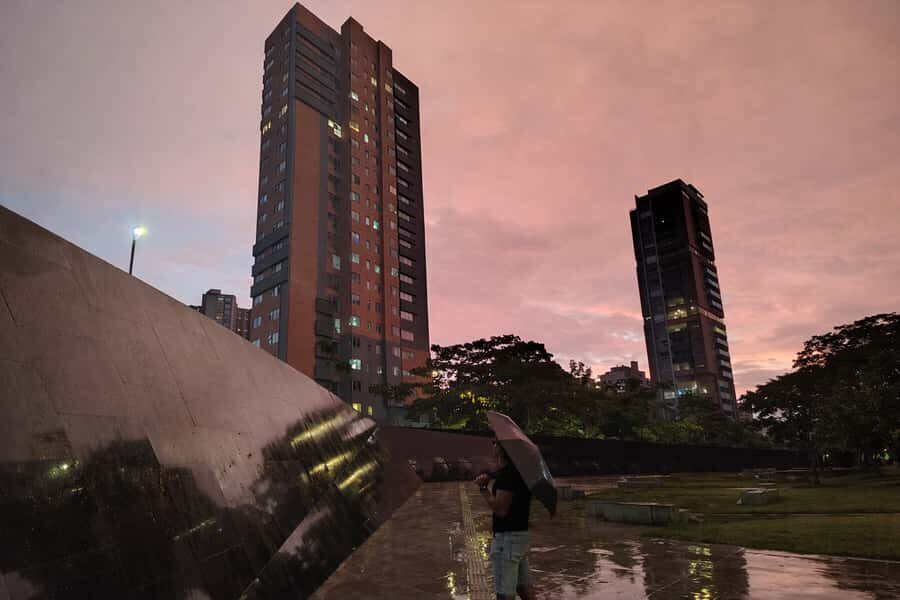
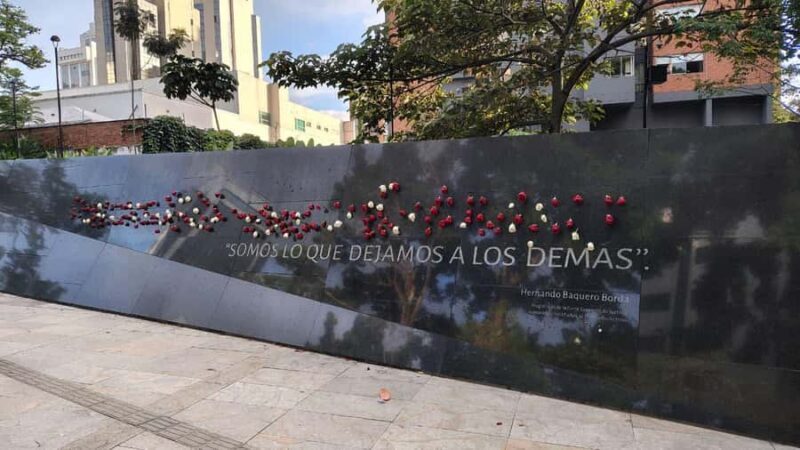
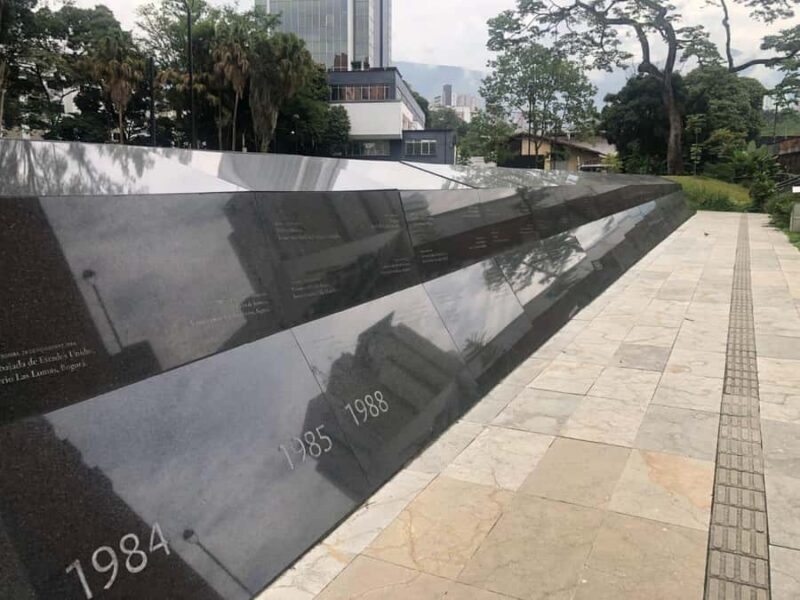
This is not just a drive past famous addresses. The aim is to connect locations associated with Escobar to the wider story of the Medellín Cartel, the violence that affected the city and country, and the changes that followed. The guide explains how Escobar entered drug trafficking and uses photos to help you picture how people and places looked during that period.
That context matters. A stop at a grave or former hideout can easily become morbid sightseeing if it is treated as a spectacle. The value here is in hearing what the place meant, what was happening around it, and how Medellín is understood today in contrast with its most dangerous years.
The tone is intended to be serious and well-documented. You can still ask about the figures and events that interest you, but the subject includes real victims and lasting consequences. I would book this for historical understanding, not for an Escobar fan experience built around glamorizing a drug lord.
Five stops, from a former home to the site of his death
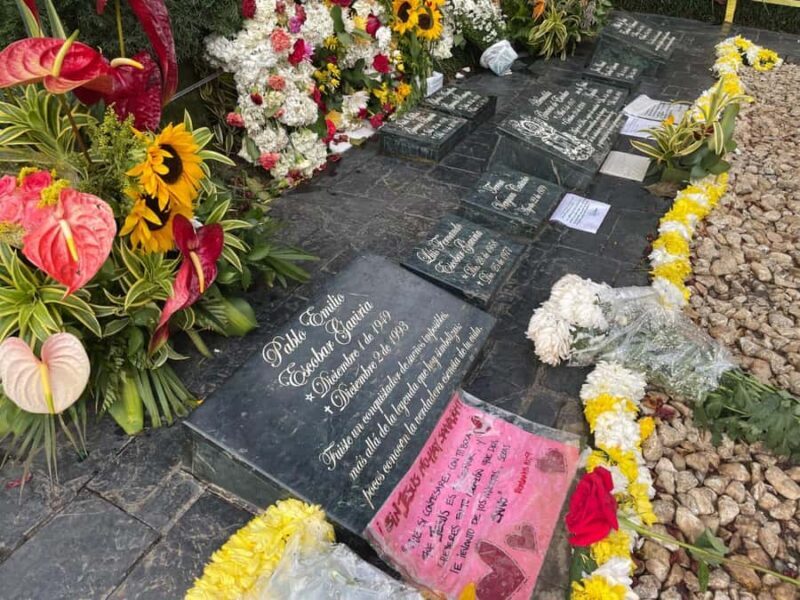
The tour is presented as a visit to five places associated with Escobar: one of his former houses, now a memorial park; La Catedral, the prison he built for himself; a place tied to his teenage years; his grave; and the house where he was found and shot. Together, these stops offer a rough arc through his life and the end of his rule.
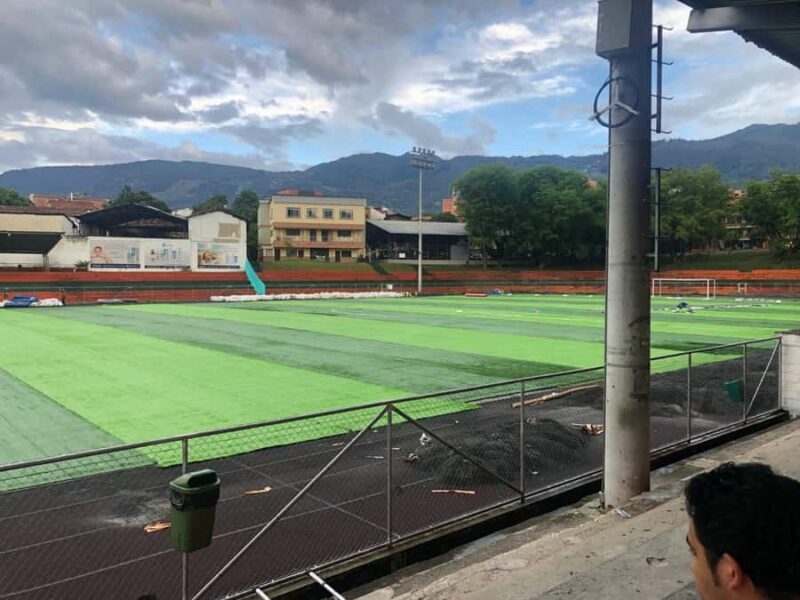
The listed route also names Restaurante Pastelería Emmy, a location identified by map code, Cancha El Dorado, Jardines Montesacro, and the house where he hid. Jardines Montesacro is the cemetery stop, while the house is the final stop described in the route. The promotional description and the named stop list do not match one for one, so confirm the exact sequence and locations with the guide before setting out.
At each stop, you have time for photos if you want them. The scheduled visits range from about 15 to 25 minutes, which is enough to look around and hear the guide’s explanation, but not to linger for a long time. The larger story is often filled in during the drives, when the guide can show images and answer questions.
You can also read our reviews of more tours and experiences in Envigado.
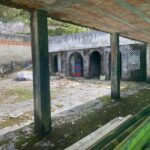


La Catedral, the mountain stop worth the drive
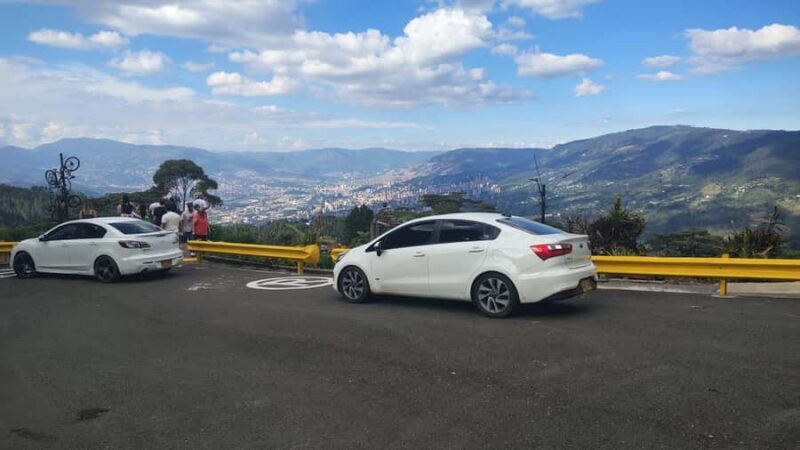
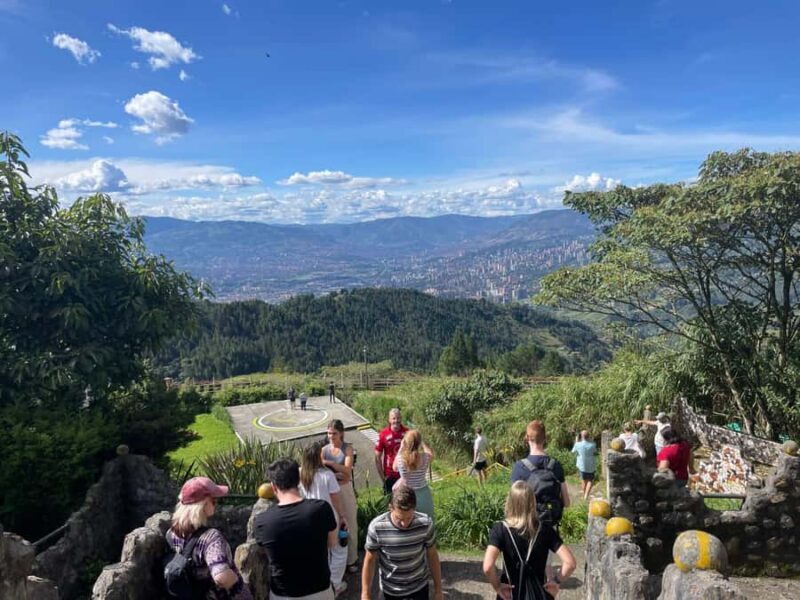
For many people, La Catedral is the defining stop. Escobar had the prison built for himself as part of the arrangement that allowed him to surrender, and the site’s mountain setting makes the history feel very different from reading about it in town. Visitors have particularly valued hearing about his time there and seeing the views over Medellín.
The drive is part of the experience. The prison sits in the mountains, and a small car can reach places that larger vehicles may not. One visitor noted that the helipad pictured in promotional material is no longer accessible, so do not expect to visit it. The appeal is the site, the story, and the views, not access to every feature shown in old photos.
The route up also means travel time and changing conditions matter. Morning tours have been described as reaching sites before other groups arrive, while afternoon pickup is arranged in Laureles to help avoid rush-hour delays. If La Catedral is your main reason for booking, ask the guide to confirm that it is included on your date.
Photos and storytelling make the history easier to follow
Juan Eduardo and Eduardo are repeatedly praised for explaining the subject in detail, speaking good English, and making room for questions. The small group helps: with no more than four people, the tour can feel closer to a conversation than a set-piece talk. That is useful when the story raises questions about the cartel, its members, or the lives affected by its violence.
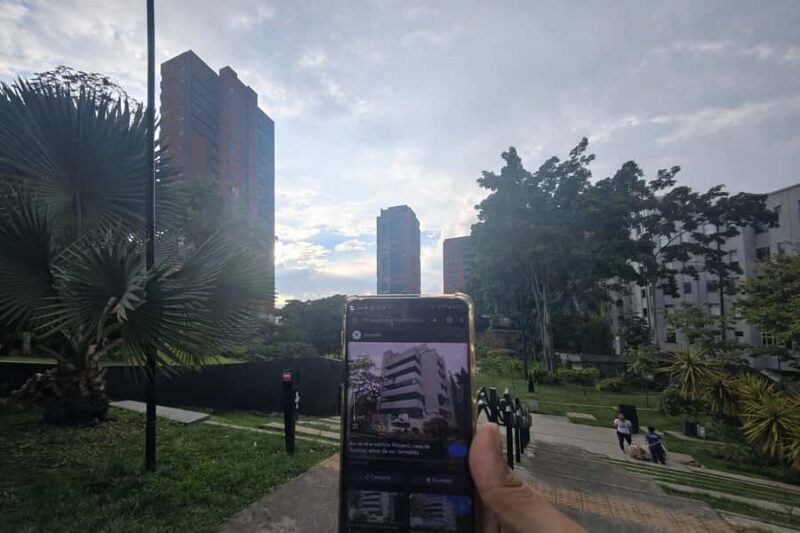
The guides use photographs to show people and places as they appeared in the past. That visual material can help make the timeline clearer, especially when you are standing at a location that has changed or is now used for a different purpose. Several stops may be short, but photos and explanations help connect them rather than leaving you to guess at the significance.
There is also information shared while driving between locations, so the time in the car is not simply dead time. The sites are spread across the city and its outskirts, making private transport a practical part of the tour. The car-based format also means less walking than an outing based on public transit, although you should still expect to get in and out at several stops.
A personal route, with a few practical limits
Pickup is included from meeting points in Poblado and Laureles, with the exact location sent by WhatsApp the day before. The afternoon meeting point is Primer Parque de Laureles, chosen to make the route more efficient during rush hour. Keep your number current and check for the message, since the exact pickup details are confirmed close to the tour.
The finish is listed as Éxito Wow Poblado. In some cases, guides have also offered to drop people at their accommodation, but treat that as a courtesy rather than a guaranteed part of the route. One account describes a problem with the guide’s car being clamped near the final stop, which prevented a return to the original starting point. It is a useful reminder to know how you will get back if plans change.
The stated duration is 270 minutes, or four and a half hours. Some accounts describe the outing as lasting around five hours, so keep a little flexibility in your schedule. The actual time can vary with traffic, the route, and time spent at the stops.
Is $50 fair value for this tour?
At $50 per person, the tour costs more than a basic group outing, but the price buys more than a ride between landmarks. You get transport across several locations, a bilingual guide, a small group, historical photos, and access to La Catedral, which is a major reason people choose this route over alternatives. For a half-day history tour, that is a solid package if the subject matters to you.
The group limit is a meaningful part of the value. A maximum of four gives you a better chance to ask the guide about details that interest you, rather than following a large group on a fixed script. You also avoid needing to figure out how to reach widely spaced sites on your own.
A special-month promotion advertises 20 percent off, but the timing and final price can change. Check the price shown for your date before booking. Snacks and drinks are not included, so carry cash if you may want to buy water or something to eat along the way.

What to bring, and who should go
Bring sunscreen, personal medication, and your passport or a copy. The first stop can be sunny, and the guide notes that police may occasionally stop the car to ask for information. Carrying a copy is a sensible precaution, even though such a stop is not described as a daily occurrence.
There is a bathroom at the third stop. If you need one earlier or later, let the guide know. You can also ask to stop for snacks or drinks, but neither is included in the price.
The tour is not recommended for children under eight or people over 75. It is a good match for adults interested in Colombia’s recent history, true crime, or the forces that shaped Medellín. It also suits anyone who wants a guided account rather than a collection of photo stops, and who prefers a small group and car transport to a large bus.
It is available in English and Spanish only. An optional meeting with Escobar’s brother may be possible for an extra fee, but that is treated as a separate tour. If that option interests you, ask about it before booking rather than assuming it is part of the standard route.
Should you book the Pablo and the drug trafficking world tour?
I would book this tour if you want a careful, personal introduction to Escobar’s history and its impact on Medellín, especially if La Catedral is high on your list. The small group, photographs, and guide-led storytelling give the stops substance, while the car makes a spread-out route more manageable.
Skip it if you want a light sightseeing trip, dislike long drives, or would rather focus on Medellín’s present-day attractions. And before you confirm, check the route details, pickup point, and current price. The subject is heavy, but approached with care, this tour can help you understand why the city’s past still matters.
Pablo and the drug trafficking world
FAQ
How long does the tour take?
The stated duration is 270 minutes, or four and a half hours. Allow extra time, since the outing may run closer to five hours.
What languages does the guide speak?
The tour is offered in English and Spanish. No other languages are included.
How many people are in the group?
The group is limited to four participants, making it a small-group experience.
Is transportation included?
Yes. Transportation from a meeting point in Poblado or Laureles is included. The guide sends the exact pickup location by WhatsApp the day before.
Which places does the tour visit?
The tour is described as visiting five sites connected to Escobar, including La Catedral, his grave, and the house where he was found and shot. Named route stops also include Restaurante Pastelería Emmy, Cancha El Dorado, Jardines Montesacro, and a location given by map code. Confirm the exact route with the guide.
Are food and drinks included?
No. Snacks and drinks are not included, though you can ask to stop if you need something.
What should I bring?
Bring sunscreen, personal medication, and your passport or a copy. Cash is useful if you want to buy water or a snack.
Is the tour suitable for children?
It is listed as unsuitable for children under eight. It is also not recommended for people over 75.
Can I meet Escobar’s brother during the tour?
An optional meeting may be possible for an additional fee. It is treated as a separate tour, not part of the standard price.
You can check availability for your dates here: