Nuremberg brings two very different chapters of German history into one day: imperial-era streets and churches, followed by the stark remains of the Nazi Party Rally Grounds. I like the chance to see both sides with an English-speaking guide, and the mix of medieval Old Town and World War II history gives the trip more depth than a quick city walk.
The main trade-off is travel time. This tour has often used trains and local public transport rather than a private coach, and service changes can squeeze the hours you have in Nuremberg. Expect a full day on your feet, not a leisurely visit with long breaks.
- The city’s past comes in two distinct parts: expect medieval landmarks and the old center, alongside the former Nazi rally grounds.
- Guides provide the historical thread: guides including Achim, Elisabeth, Suzanne, Jason, Kevin and Sabri have led tours, with detailed English commentary a frequent strength.
- Transport may mean trains and local transit: the day can involve connections and public buses, not just a direct coach ride.
- Plan for plenty of walking: the Old Town and rally grounds require time on foot, and comfortable shoes are essential.
- The group is limited to 4 to 25 people: the minimum is four participants, and children must be at least six.
- Check the price and schedule before booking: listed starting prices differ, and rail or weather conditions can affect the day’s plan.
- Two sides of Nuremberg in one day
- From Munich’s Radius Tours office to the Old Town
- The medieval center: churches, market square and Dürer
- The rally grounds: history without the easy answers
- The guide makes the difference
- What the price buys, and what it does not
- Walking, weather and timing
- Who should book this Nuremberg day trip?
- FAQ
- Where does the tour depart from?
- What time does the tour leave Munich?
- What time does the tour return?
- How long is the tour?
- Is the tour conducted in English?
- Does the price include meals?
- Does the tour use a coach or a train?
- How much walking should I expect?
- Can children join the tour?
- Is the tour wheelchair-accessible?
- The Best Of Bavaria!
- More Tours in Bavaria
- More Tour Reviews in Bavaria
- Not for you? Here's more nearby things to do in Bavaria we have reviewed
Two sides of Nuremberg in one day
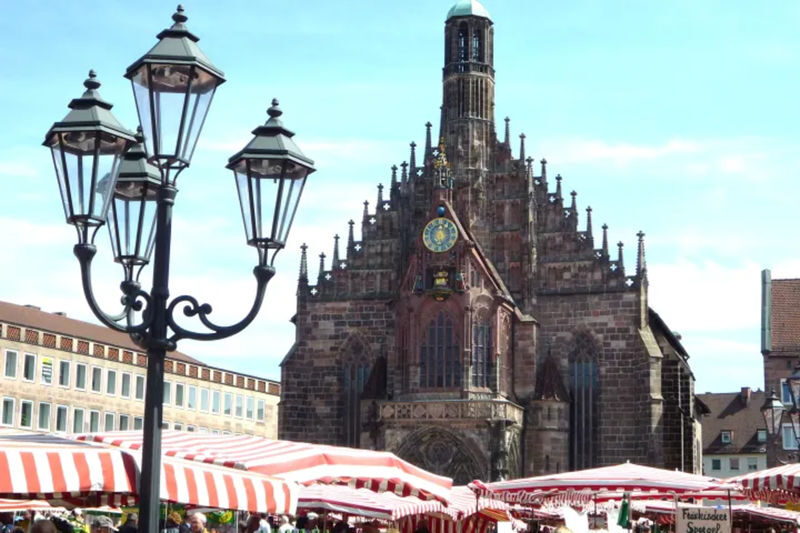
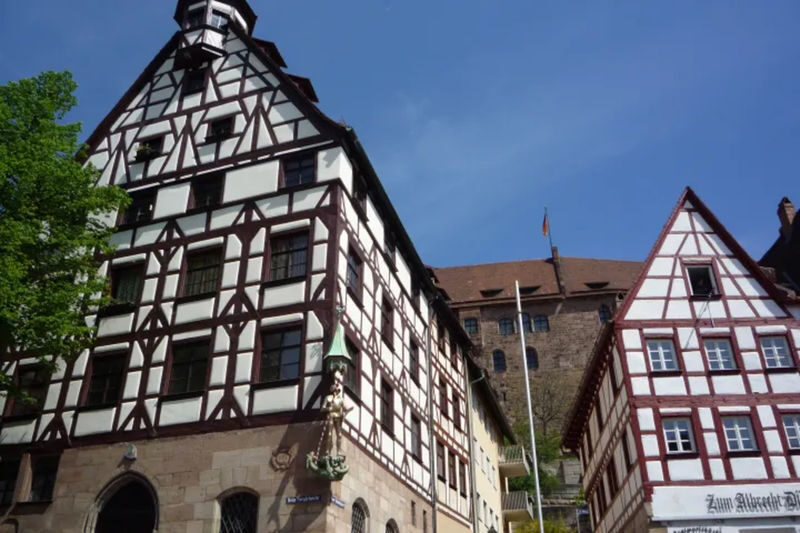
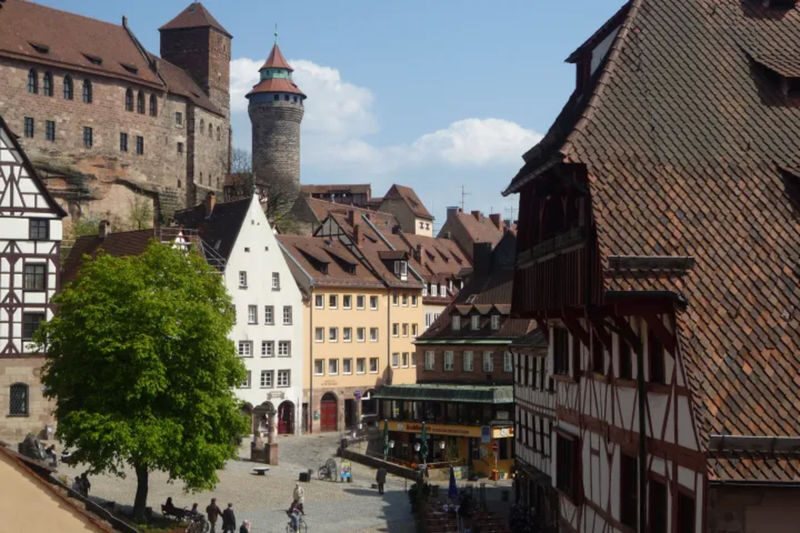
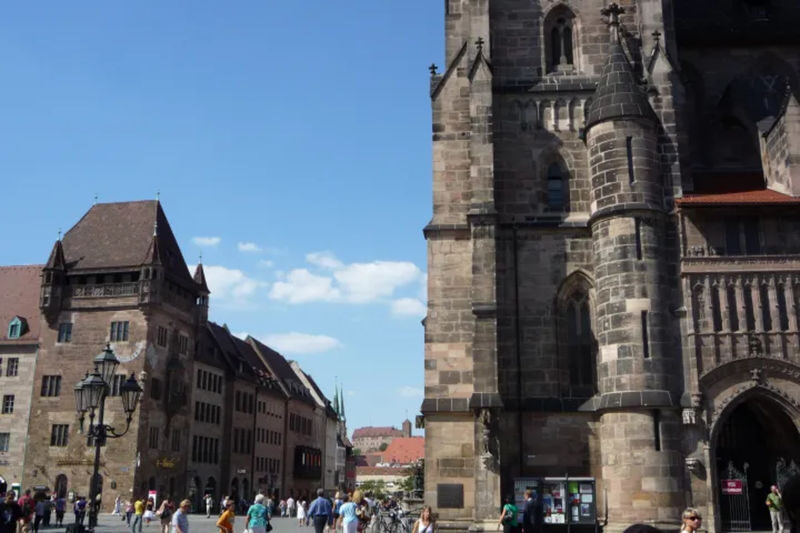
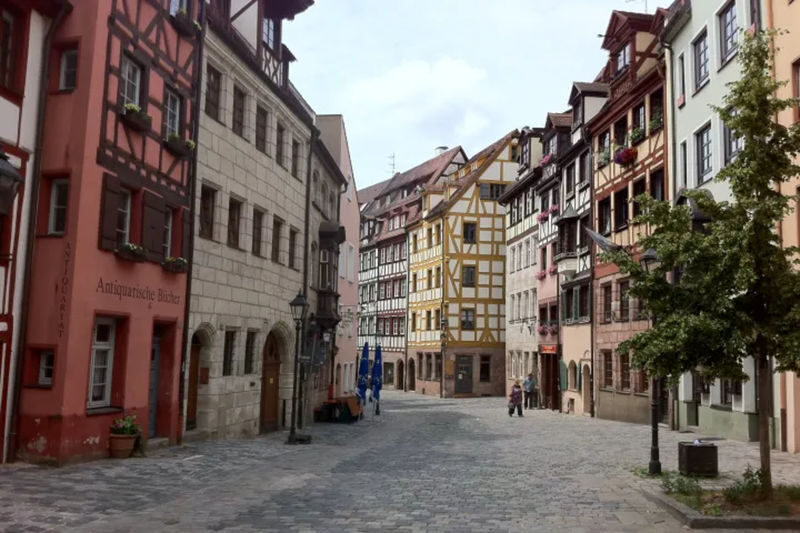
Nuremberg’s appeal is not just that it is old or historically important. It is that its medieval streets and buildings sit alongside places tied to the Nazi regime, making the city’s story unusually visible. This tour gives you a guided introduction to both.
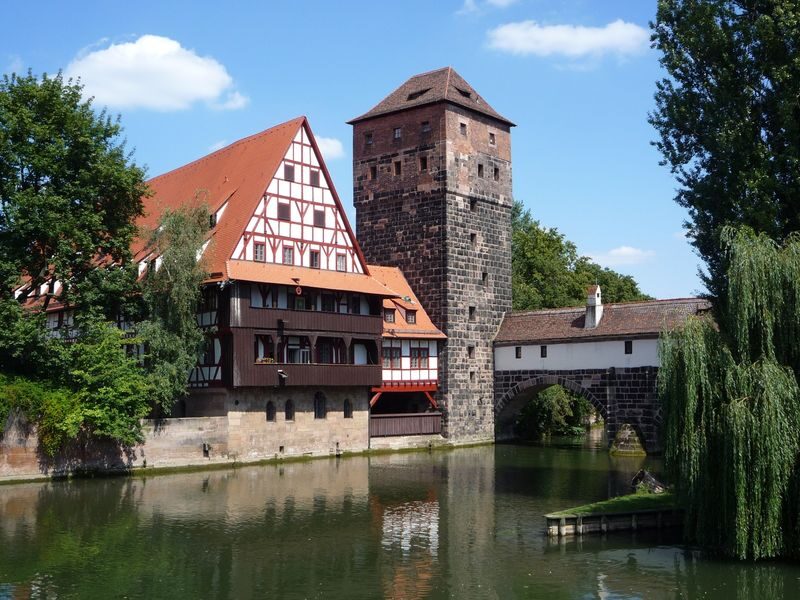
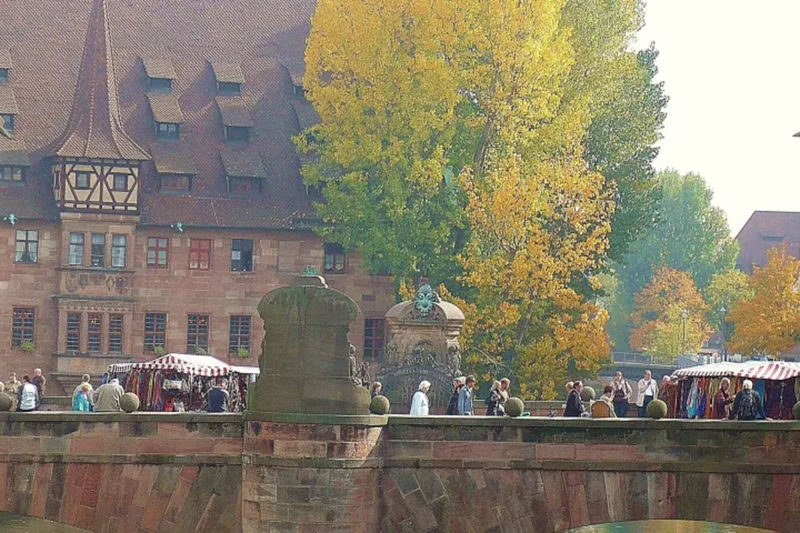
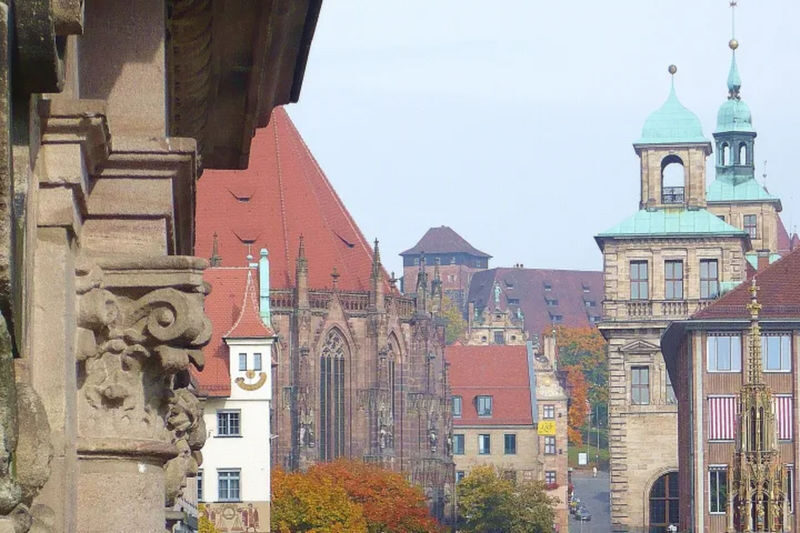
In the Old Town, you can expect to see the Hauptmarkt, St. Sebaldus Church and streets associated with the city’s medieval character. The tour also introduces Albrecht Dürer, the Nuremberg artist whose work is part of the city’s cultural story. The itinerary does not list every stop in detail, so think of these as likely highlights rather than a guaranteed sequence.
The later focus on the former Nazi Party Rally Grounds changes the mood. These sites help explain how the Third Reich used grand public spaces and spectacle to project power. They are not simply picturesque ruins. A guide can give context that is easy to miss if you arrive on your own, especially when you are trying to understand how Nuremberg’s earlier civic importance connects with its later role in Nazi history.
That contrast is the tour’s strongest idea. You are not asked to treat the city as a pretty backdrop or as a single chapter of World War II. You get an introduction to its long civic and cultural past, then a sobering look at its more recent history.

👉 See our pick of the Best Workshops And Classes In Bavaria
From Munich’s Radius Tours office to the Old Town
The meeting point is the Radius Tours office at Dachauer Str. 4, near Munich’s central station area. The listed departure is 10:30, with a return around 20:30, though the exact time is confirmed after booking. Arrive 15 minutes early and use the time to find the office before the group gathers.
The day is advertised as including round-trip transfers, but you should not assume that means a private bus. The transport described by people who have taken this tour has often involved trains between Munich and Nuremberg, followed by local public transport and walking. The exact arrangements can vary, so check the current plan with the operator before you go.
That distinction matters. A train journey can be a pleasant way to travel, but connections and service changes can eat into your sightseeing time. Some departures have involved slower trains and transfers, and a disruption can make the return ride longer than expected. One past trip was affected by a canceled service, while another had an air-conditioning problem on the train. These are not reasons to rule out the tour, but they are reasons to keep your schedule flexible.
The departure is relatively late for a day trip. By the time you reach Nuremberg, the afternoon may be underway, leaving a limited window for the city center and the rally grounds. The guide manages the day, but you will want to follow meeting times closely and avoid assuming there is time for a long independent detour.
You can also read our reviews of more tours and experiences in Bavaria.

The medieval center: churches, market square and Dürer
Nuremberg’s Old Town is the part of the day to slow down and look closely. The city’s medieval identity is more than a collection of old facades: it reflects Nuremberg’s former position as an Imperial Free City and its role in the Holy Roman Empire. The tour introduces this background as you move through the historic center.
The Hauptmarkt is a natural anchor for the visit. It is a central square and a useful place to get your bearings, with the guide pointing out what matters and suggesting places to browse. In winter, the Christmas market can add a festive stop to the visit. If you are going during market season, expect extra crowds and a lively square, and keep an eye on the group’s return time.
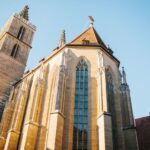
St. Sebaldus Church offers a different kind of pause. Its historic architecture makes it one of the Old Town’s important landmarks, and a guide can connect the building to the city’s religious and civic past. Albrecht Dürer provides another thread: his connection to Nuremberg gives the city a strong artistic dimension as well as a political one.
The guided format is useful here because the city’s meaning is not always obvious from a quick look. Guides such as Achim, Sabri and Kevin have been praised for clear explanations, while other named guides, including Elisabeth and Suzanne, have also led trips. Your guide will depend on the date, but the tour’s value rests heavily on how well that person makes the history understandable.
There is a trade-off: a guided walk is not the same as a free afternoon to take photos, visit every shop or linger over lunch. Some past itineraries have felt rushed, and the walking can add up. If you care most about independent exploring, you may prefer to travel to Nuremberg by yourself and set your own pace.
The rally grounds: history without the easy answers
The visit to the former Nazi Party Rally Grounds is the most sobering part of the day. Nuremberg was used as a stage for mass Nazi rallies, and the scale of the sites helps explain how public architecture and carefully planned spectacle served the regime. The guide’s commentary can help you read the place as a historical setting, not merely a photo stop.
Allow for the fact that this portion may take time to reach. Local buses, trains or other public transport have been part of some tour days, alongside considerable walking. One itinerary has included a lengthy excursion to a place described as a valley, which a participant felt took time away from the city center. Since the exact route can change, ask the operator what the current rally-grounds visit includes and how much time it leaves for the Old Town.
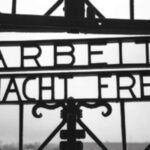
Do not book this expecting a concentration camp visit. The described tour focuses on Nuremberg’s former rally grounds and the city’s historical sites; a camp visit is not listed. If that is your priority, you will need a different itinerary.
This part of Nuremberg is important, but it is not a light sightseeing break. The material can be difficult, and the value is in understanding how the city’s past is remembered and presented. A guide helps you connect the physical site to the broader story, while also keeping the group moving through a packed day.
The guide makes the difference
The strongest reason to join is the commentary. A good guide can turn a sequence of buildings and transit stops into a coherent account of Nuremberg’s imperial, cultural and Nazi-era roles. Several guides have been singled out by name for detailed explanations, clear instructions and a friendly manner. Achim, for instance, has been praised for his historical command; Elisabeth, Suzanne, Jason, Kevin and Sabri have also been named positively.
English is the tour language. If you are comfortable listening to spoken English for much of the day, you can expect a history-focused experience with opportunities to ask questions. If you are still building confidence, the day can double as useful listening practice, but fast or specialized historical explanations may take effort.
The group size ranges from four to 25 participants. A smaller group can make it easier to hear the guide and keep track of the day, though a larger group may mean more waiting when everyone boards transit or gathers at a landmark. The minimum of four also means a departure can be canceled if too few people sign up, with an alternative date or refund offered if that happens.
What the price buys, and what it does not
The displayed prices are not identical: the package information gives a Join-In Tour price from US$88.49, while the summary lists a starting price of US$101.79. Treat either figure as a guide, not a final quote. Check the price for your date and package before paying.
The value depends on what you want from the day. Your fee includes an English-speaking guide and round-trip transfers from the Munich meeting point. You are paying for someone to organize the route, explain the history and manage the group across a long day. If the guide’s context is your priority, that can be worthwhile.
Meals, drinks and personal expenses are not included. Bring money for food and water, and consider carrying a snack. Breaks can be short, and one past trip left little time to sit down for lunch. The schedule is built around seeing as much as possible, not lingering over a meal.
If you are confident navigating German trains and local transit, doing the journey independently may give you more control over departure times and stops. But you would need to plan your own route and supply your own historical context. The tour’s price is most defensible if you value the guide and prefer not to organize the day yourself.




Walking, weather and timing
Wear comfortable walking shoes. Past trips have involved enough walking to feel like a proper walking tour, and public transport can add standing time as well as steps. The activity is not wheelchair-accessible, so it is not a suitable choice if you need a wheelchair-accessible route.
Dress for the forecast. Nuremberg can feel very different in winter and summer, and the tour runs in changing weather. A warm layer or rain protection may matter more than you expect when you are outside and waiting for transport. In hot weather, public transit and extended walking can be tiring, so bring water.
There is little room for a slow pace. One day gives you an introduction, not an exhaustive visit. You will likely need to choose between spending longer in the center and following the full route, especially if transit is delayed. Keep your own sightseeing ambitions realistic, and treat the guide’s meeting times as firm.
Who should book this Nuremberg day trip?
I would consider this tour if you are staying in Munich, want a guided introduction to Nuremberg, and value historical explanation more than independent browsing. It is especially suited to people interested in both medieval Germany and the Nazi period, and who are comfortable with a long day of walking and public transport.
I would think twice if you want a private coach, a relaxed lunch, lots of free time or a visit to a concentration camp. You may be happier making your own train plans if you are comfortable navigating the journey and would rather spend the day at your own pace.
Before booking, confirm the transport plan and the rally-grounds route for your date. Then decide whether a guide’s context is worth the trade-off of a fixed schedule. If it is, this is a practical way to see two important sides of Nuremberg in one demanding but worthwhile day.
Nuremberg Day Tour from Munich
“Achim is amazing. He knows his stuff and highly recommended! But the aircon went malfunction on the train ride to Nuremberg, it's hot and stuffy. R…”
FAQ
Where does the tour depart from?
The meeting point is the Radius Tours office at Dachauer Str. 4, 80335 Munich. Arrive 15 minutes before your selected departure time.
What time does the tour leave Munich?
The listed departure time is 10:30. The confirmed time is provided after booking, so follow the time on your confirmation.
What time does the tour return?
The listed return time is 20:30 at the Radius Tours office in Munich. The schedule can change because of traffic, weather or transport conditions.
How long is the tour?
The tour lasts about 10 hours, including travel between Munich and Nuremberg.
Is the tour conducted in English?
Yes. An English-speaking guide is included.
Does the price include meals?
No. Meals, beverages, personal expenses, tips and gratuities are not included.
Does the tour use a coach or a train?
Round-trip transfers are included, but the transport used on the day can involve trains and local public transport. Confirm the current arrangement with the operator before booking.
How much walking should I expect?
Expect substantial walking through the Old Town and around the rally grounds, with public transport also part of some tour days. Comfortable walking shoes are recommended.
Can children join the tour?
Participants must be at least six years old. Infants and children must be included in the passenger headcount.
Is the tour wheelchair-accessible?
No. The activity is not wheelchair-accessible.