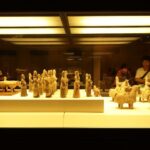
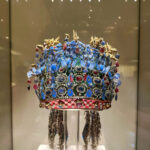
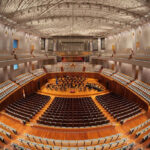
China’s story is told here on a monumental scale: the National Museum holds artifacts that span thousands of years, from early human life to the empires that shaped the country. I like the chance to see pieces such as the 832.84-kilogram Houmuwu Ding, and I like that a guided option can turn a long parade of dynasties into a more understandable story.
You can book a basic entry reservation with an electronic audio guide, or pay more for an English- or Chinese-language group tour. The guide option is the better choice if history feels hard to organize on your own, but the museum gets crowded, and long entry or exhibit queues can eat into your time.
- Key points before you book
- A museum built for big historical questions
- The Ancient China exhibition on B1
- Bronze, jade, and porcelain, with stories attached
- Choosing a guide or an audio option
- The real cost: a free museum with paid reservation help
- Crowds, entry checks, and how much time to allow
- Pairing the museum with the Temple of Heaven
- Who will get the most from this visit
- Should you book this National Museum experience?
- FAQ
- Is the National Museum of China open every day?
- Is admission to the museum free?
- What does the basic package include?
- Are guided tours available in English?
- How long should I allow for the museum?
- What are the cancellation terms?
- The Best Of Beijing!
- More Museum Experiences in Beijing
- More Tours in Beijing
- More Tour Reviews in Beijing
- Not for you? Here's more nearby things to do in Beijing we have reviewed
Key points before you book
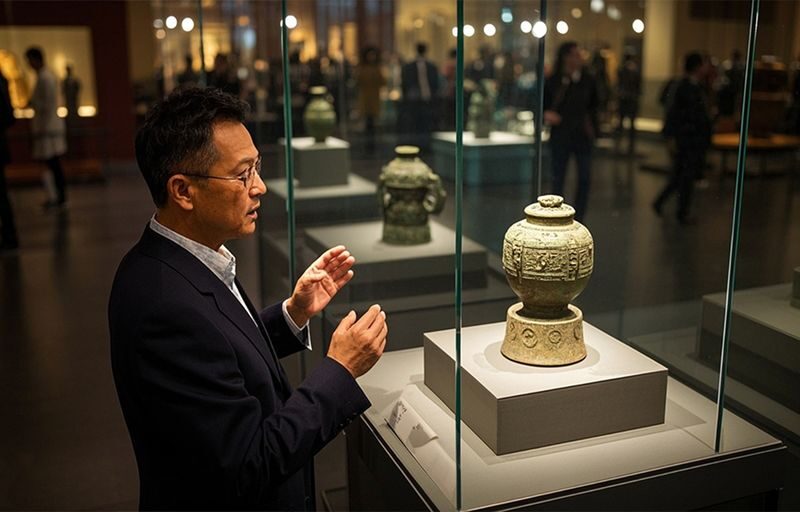
- The Houmuwu Ding is a headline treasure: This enormous bronze vessel offers a striking look at ancient casting skill and the ceremonial power of bronze.
- Ancient China is on B1: The permanent exhibition follows the origins and development of Chinese civilization.
- A live guide adds context: English and Chinese group tours are available, with guides such as William Hu, Zhang Yang, and Qi Shuai praised for clear, detailed explanations.
- Entry is free at the museum, but reservations can be difficult: The Klook option charges for reservation assistance and, depending on the package, an audio guide or tour.
- Allow extra time for security and crowds: Several checks may be required, and popular displays can have their own queues.
- The museum is too large for a quick stop: A guided visit is listed as two hours, while some tours run closer to three.
👉 See our pick of the 25 Best Shopping Tours In Beijing
A museum built for big historical questions
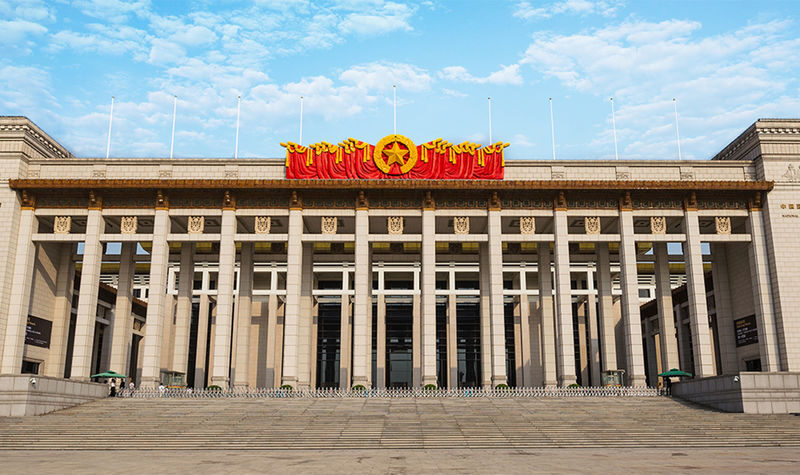
The National Museum of China faces Tiananmen Square at 16 East Chang’an Avenue. Its scale is a clue to what awaits inside: this is not a small collection you can absorb between lunch and a stroll. The permanent Ancient China exhibition alone covers a long arc, and the wider museum includes extensive displays of art and artifacts.
That breadth is both the attraction and the challenge. A bronze vessel, a jade object, and a porcelain bowl may each be beautiful on their own, but their meaning becomes clearer when you understand who made them, what their designs signaled, and how political power changed over time. The guided package is aimed at making those connections rather than leaving you to read labels in a crowded hall.
The museum’s collection includes ancient Chinese jade and porcelain, along with major national artifacts. The Houmuwu Ding is a particularly memorable example: at 832.84 kilograms, it is described as the pinnacle of Bronze Age casting. Its size is impressive, but the useful story is what bronze vessels represented in ritual and political life.
You can also read our reviews of more museum experiences in Beijing

The Ancient China exhibition on B1
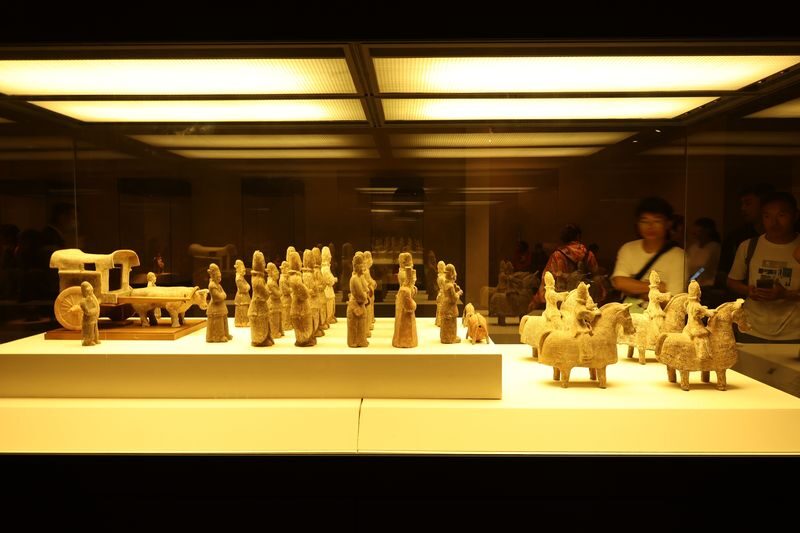
The main historical thread begins in the Ancient China exhibition on the basement level, B1. It traces the development of Chinese civilization across thousands of years, starting with early human life and moving through successive dynasties. For a first visit, this is the section most likely to help you build a mental timeline.
That timeline matters. China’s dynastic changes can be difficult to follow if you arrive without much background, particularly when the museum presents a great deal of information in a short space. A guide can connect the objects to the period and explain why an artifact mattered, rather than asking you to make sense of every display label alone.
The route is not a complete survey of every gallery. A two-hour guided explanation gives you a focused introduction, while some groups spend close to three hours. Even that longer visit only scratches the surface of a museum this large, so it helps to decide in advance whether you want a guided overview or extra time for particular collections.
Bronze, jade, and porcelain, with stories attached
The Houmuwu Ding is an obvious focal point, but it is not the only reason to pay attention to the collection. Bronze objects can show how practical skill and state power met: casting a vessel of this weight required remarkable technical ability, while its ritual role connected it to the authority of the people who commissioned and used it.
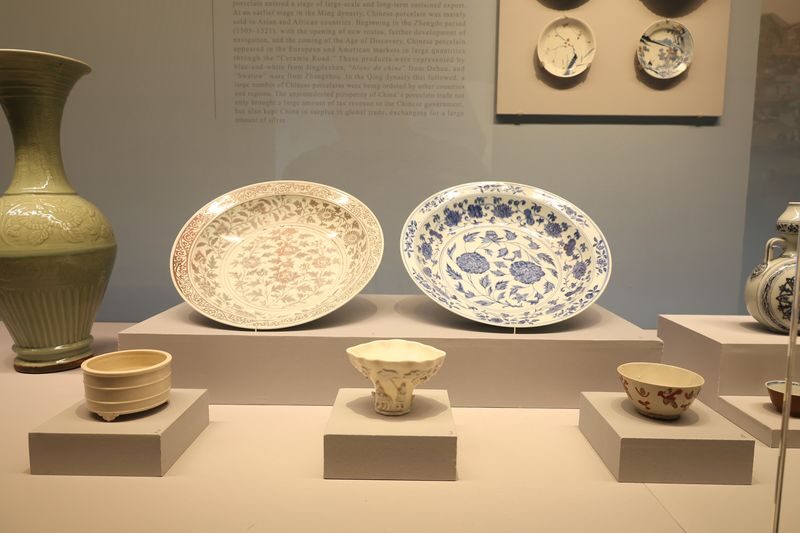
Jade and porcelain tell a different story. Their form, decoration, and patterns reflect craft traditions and ideas about beauty, status, and good fortune. If you are visiting without a guide, pause long enough to look closely at the details rather than treating each display as another stop on a checklist.
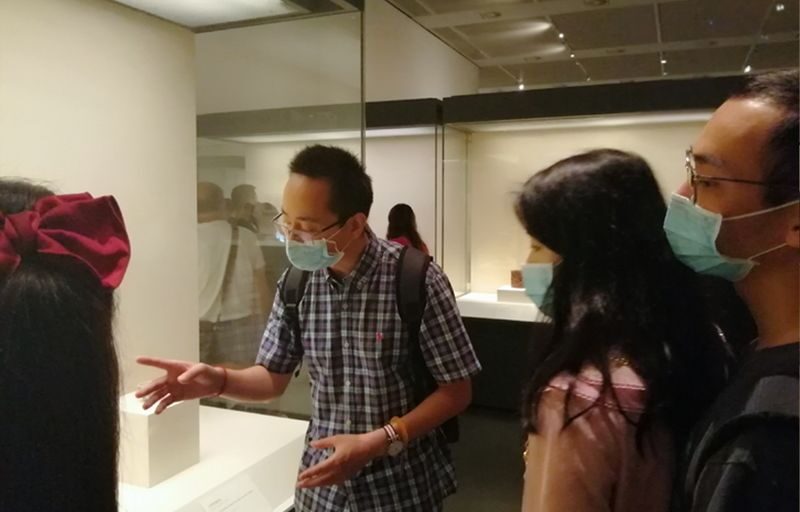
A good guide can make these objects easier to read. Guides including Zhang Yang and Qi Shuai have been praised for clear, detailed explanations; William Hu has also led English-language tours. Some guides use photos or a tablet to show details that are hard to see in a packed gallery. That can be especially helpful when the object is behind glass or the group has limited viewing space.
Choosing a guide or an audio option
The lowest-cost package, from $8.25, combines an entry reservation with an electronic audio guide advertised in Chinese, English, Japanese, and Korean. It is a practical option if you want to explore at your own pace and are comfortable managing a digital guide. The stated languages sound useful for international visitors, but some people have had trouble finding or accessing the guide, including a reported need for WeChat to use the English version.
If you want a person to organize the history for you, the English group tour starts from $57.15. A Chinese group tour starts from $32.99. These are different products, so check the selected package carefully before paying. A reservation and audio guide are not the same as an in-person tour.
The live guide is likely the best value for a first visit if you want interpretation, not just entry. The strongest part of the experience is the chance to ask questions and hear the connections between objects and periods. The trade-off is a fixed route and pace. A guide has to keep a group moving, and the time spent at each gallery may not match your interests.
The audio option suits a more independent visit, especially if you prefer to stop where you like. But do not assume the guide will work automatically on arrival. Check the instructions and access method in advance, and have a backup plan: gallery labels and your own notes can still help if the digital service proves awkward.
The real cost: a free museum with paid reservation help
Admission to the museum is normally free, but entry requires a reservation. The Klook price pays for a reservation service and, depending on the package, an audio guide or guided tour. That distinction is important when you compare the $8.25 starting price with a free entry policy: you are paying for convenience and support, not simply for access to a ticketed exhibition.
The fee may make sense if the official reservation process is difficult to use or no places appear available. Some bookings have enabled entry even when arranging a reservation directly was proving difficult, including at short notice. But the service is not a bargain for everyone. If you can secure your own reservation and do not need an audio guide, the paid package may feel expensive for a museum that does not charge general admission.
For a richer historical explanation, the higher price of the English group tour has a clearer purpose. A good guide can save you from drifting through a huge collection without context. Just weigh that benefit against your budget and whether you prefer a structured visit.



Crowds, entry checks, and how much time to allow
The museum is open Tuesday through Sunday from 9:00 a.m. to 5:00 p.m., with last entry at 4:00 p.m. It is closed on Mondays except on national holidays. From June 1 to October 31, hours extend to 5:30 p.m., with last entry at 4:30 p.m.
Plan for more than the advertised tour duration. Several security or entry checks may stand between the street and the galleries, and busy days can bring long waits. Some people have reported queuing again to reach the B1 exhibition or waiting for a particular display. The museum’s popularity is part of the experience, but it can make close, quiet viewing difficult.
Follow the meeting time and entry window for your chosen package rather than arriving far earlier on guesswork. One English-tour booking had a scheduled start time that did not match the early arrival advice, leaving the participant waiting. If the instructions tell you to arrive early, confirm the actual ticket window so you do not trade a queue outside for an unnecessary hour of waiting.
Once inside, keep your plans flexible. There may be more people around the main artifacts than you expect, and a queue for a popular object can take time. If the line is long, decide whether the close view is worth sacrificing another gallery. A photograph from farther back may be enough for you.
Pairing the museum with the Temple of Heaven
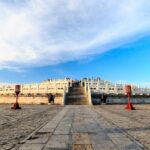
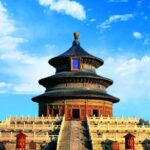
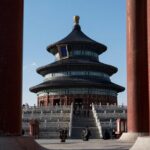
Some package options combine the National Museum with the Temple of Heaven, with the museum scheduled in the morning or afternoon and an English audio guide included. This can make sense if you want to link a history-focused indoor visit with a second major Beijing sight in one day.
The combined option needs careful timing. The museum is large, and queues can make a half-day feel short. One issue reported with a combined booking was a late QR ticket for the Temple of Heaven, which arrived after the afternoon visit had already begun. Check the status of every part of a bundled booking before setting off, and do not assume one confirmation automatically means all entry details are ready.
There is also a Chinese-language day trip that combines the Forbidden City, the National Museum, and a tram ride. It offers a broad day of sightseeing, but it is a different, more tightly scheduled experience than visiting the museum alone. Choose it for convenience and a guide-led overview, not for hours of unhurried time in the museum.
Who will get the most from this visit
I would steer a first-time visitor toward the English group tour if they want a clear introduction to Chinese history and do not already have a strong grasp of the dynasties. The value is not merely hearing facts; it is having someone decide what deserves attention and explain how the artifacts fit together.
Families can also benefit from a guided route, particularly when younger visitors need a story to hold their attention. Children under 14 must be accompanied by an adult aged 18 or older. Solo visitors who like to set their own pace may prefer the reservation and audio-guide package, provided they confirm how to access the audio.
If you are an art enthusiast with a particular interest in calligraphy, ceramics, or another collection, consider treating the tour as an introduction rather than the whole visit. The museum is too large to cover everything in a short guided session. Leave time afterward to return to the displays that caught your eye.
Should you book this National Museum experience?
Book the entry reservation package if securing a place is your main concern and the extra cost is worth avoiding the reservation hassle. Choose the English group tour if you want a guide to explain the dynasties and key artifacts, and choose the Chinese group tour if that is your preferred language. The guides can add real substance, but the crowds and queues remain outside their control.
Before you pay, verify the selected package, date, language, entry time, and audio-guide instructions. The museum itself is worth time in Beijing; the best booking is the one that matches how you like to explore. If you want context, pay for a guide. If you want freedom, reserve entry and plan your own route.
National Museum of China
“Tour guide Zhang Yang gave a very good explanation.”
FAQ
Is the National Museum of China open every day?
It is open Tuesday through Sunday from 9:00 a.m. to 5:00 p.m., with last entry at 4:00 p.m. It is closed on Mondays except for national holidays. From June 1 to October 31, it stays open until 5:30 p.m., with last entry at 4:30 p.m.
Is admission to the museum free?
General admission is normally free, but you need a reservation. The package price is for reservation assistance and may also include an audio guide or an in-person tour.
What does the basic package include?
The basic option includes one National Museum of China entry reservation and an electronic audio guide advertised in Chinese, English, Japanese, and Korean. Confirm the instructions for accessing the guide before your visit.
Are guided tours available in English?
Yes. An English group tour is available, as is a Chinese group tour. The English group tour starts from US$57.15, while the Chinese group tour starts from US$32.99.
How long should I allow for the museum?
The guided explanation is described as a two-hour experience, though some tours run close to three hours. The museum is very large, and queues and security checks can add time, so allow extra time if you want to explore beyond the guided route.
What are the cancellation terms?
A full refund is available if you cancel before 4:00 p.m. seven days before departure. A 50 percent refund is available before 4:00 p.m. two days before departure. No refund is available after 4:00 p.m. two days before departure.
The Best Of Beijing!

More Museum Experiences in Beijing


More Tours in Beijing
- Beijing Mutianyu Great Wall Day Tour (Optional Cable Car/ropeway/Toboggan Package)
★ 4.8 · 11,505 reviews


More Tour Reviews in Beijing
- Beijing Mutianyu Great Wall Day Tour (Optional Cable Car/ropeway/Toboggan Package)
★ 4.8 · 11,505 reviews