The appeal here is the setting: a former négociant’s residence and office, with vaulted cellars dating to 1720. You get a compact look at Bordeaux’s wine trade, followed by a tasting of two or three wines, rather than a trip out to a vineyard.
I like two things in particular: the cellar gives the history a tangible home, and the tasting makes the connection between Bordeaux’s wine business and the wine in your glass. A cannelé and Sauternes grapes are included, too, a welcome local touch.
The main consideration is that this is a small city museum, not a winery or the large Cité du Vin. Tasting explanations are in English or French, and the session may take longer than expected if the group ahead is still tasting.
- What to know before you go
- A cellar visit, not a vineyard tour
- Begin with Bordeaux’s merchants and wine trade
- Step into the vaulted cellar from 1720
- Taste two or three Bordeaux wines
- What the ticket price does and does not cover
- Getting to Rue Borie and planning your visit
- Who will get the most from this museum
- Should you book the Musée du Vin et du Négoce?
- FAQ
- How long does the visit take?
- What is included with admission?
- How many wines will I taste?
- What languages are available for the tasting?
- Can I visit if I am under 18?
- Do I need to bring identification?
- When is the museum open?
- Where is the museum?
- How do I get there by bus?
- Can I cancel or change my booking?
- The Best Of Bordeaux!
- More Tours in Bordeaux
- More Tour Reviews in Bordeaux
- Not for you? Here's more nearby things to do in Bordeaux we have reviewed
What to know before you go
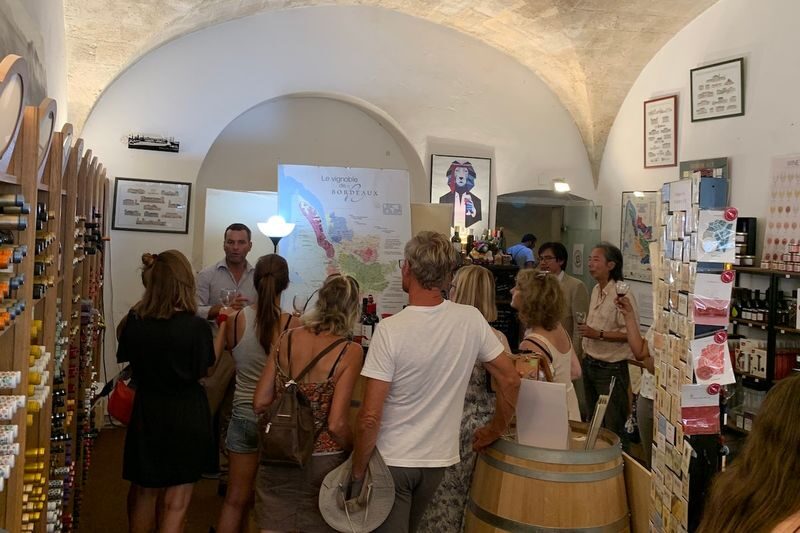
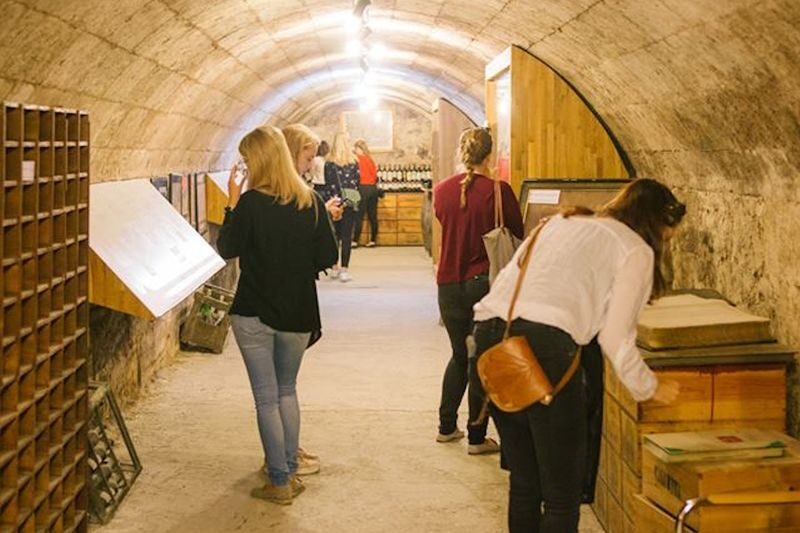
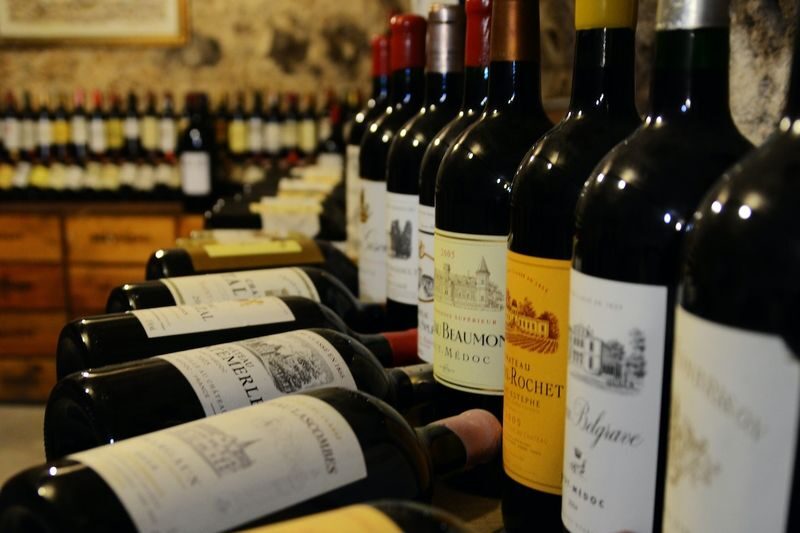
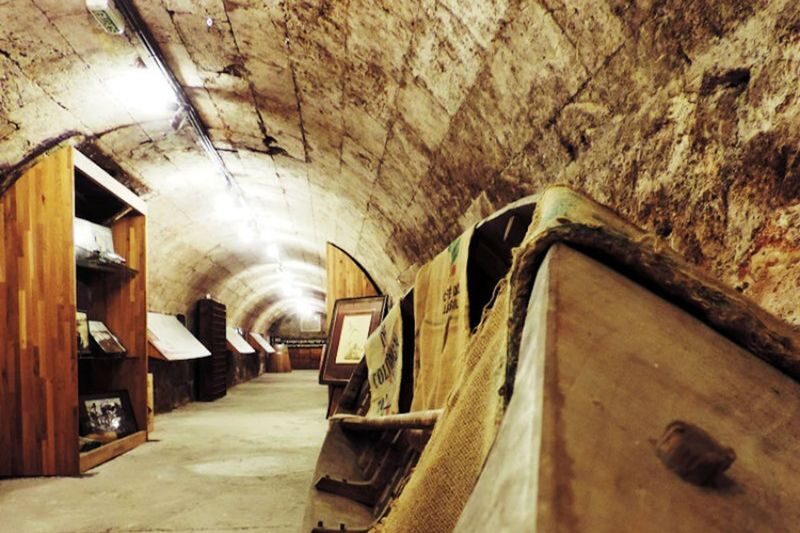
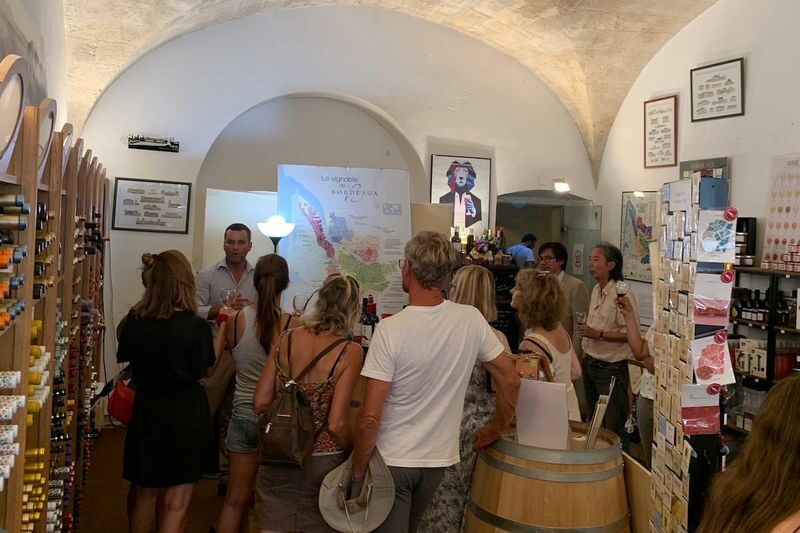
- The 1720 cellar is the star: Expect vaulted rooms and a setting tied to Bordeaux’s wine trade, rather than vineyard scenery.
- This is about négociants: Displays explain the merchants who helped move Bordeaux wine from producers to buyers.
- Taste two or three wines: The venue selects the wines, and the tasting is introduced in English or French.
- A local bite comes with the wine: Your admission includes a cannelé and Sauternes grapes.
- Allow one to two hours: The museum is open daily from 10:00 to 18:00, though tasting pace can affect your visit.
- Check the ticket terms: Prices start at $14.85, and the voucher is valid only for the selected date and time. The booking is nonrefundable.

👉 See our pick of the 6 Best Shopping Tours In Bordeaux
A cellar visit, not a vineyard tour
The Musée du Vin et du Négoce de Bordeaux sits at 41 Rue Borie in the Chartrons district. Its focus is the wine trade: the businesses and people who bought, stored, sold, and shipped Bordeaux wine. That makes it a useful stop if you want context for the region’s famous bottles without leaving the city.
Keep the distinction clear when choosing what to book. This is not La Cité du Vin, Bordeaux’s better-known wine museum, and it is not a working winery visit. You will not be driven through vineyards or introduced to a château’s production line. Instead, the museum tells a more local, trade-focused story inside a historic building.
That narrower scope is a strength if you are curious about how Bordeaux wine became a major business. It is also a limitation if you expect a large collection, elaborate displays, or a full lesson in winemaking. One visitor found the exhibits limited but clear about the link between wine and négociants; that is a fair way to set your expectations.
You can also read our reviews of more tours and experiences in Bordeaux.


Begin with Bordeaux’s merchants and wine trade
The visit starts with an introduction to Bordeaux’s vineyards and wine culture. An English- or French-speaking guide explains the tasting and sets up the story of the négociants, the merchants who have long connected wine producers with buyers. This context matters: Bordeaux wine is not only about grape varieties and estates, but also about the trade networks that brought bottles to market.
You can then look through displays of wine-related objects, including aged bottles, labels, corks, and cards. These are modest, tangible pieces rather than a grand museum collection. I like that sort of evidence because it gives you something concrete to consider: a label is both a record of a wine and part of the way it was presented and sold.
If you are interested in the business behind a famous region, the museum’s angle adds a layer that a tasting alone might miss. If you mainly want dramatic exhibits or a broad, interactive overview of wine, this compact collection may feel spare. Go in expecting a small historical museum with a clear subject, not a full-scale wine attraction.
Step into the vaulted cellar from 1720
The cellar is the most distinctive part of the visit. Its vaulted rooms date to 1720, and their age gives the wine-trade story a sense of place that a display case cannot quite provide. You can see the kind of environment associated with storing wine, while learning how wooden barrels were used and how coopers, the craftspeople who made them, shaped the vessels.
The focus on barrels is useful because it moves the visit beyond the familiar idea that wine is simply made from grapes and left to age. Storage and the skilled work behind it were part of the trade. The museum also links the cellar to three centuries of Bordeaux wine history, so the building itself becomes part of the explanation.
Still, this is an urban cellar, not a working winery. If you have toured vineyards or cellar facilities at an estate, you may find the rooms less surprising. If you have not, the old architecture and the chance to connect trade history with storage make this a worthwhile stop, especially at a modest ticket price.
Taste two or three Bordeaux wines
The tasting follows the museum visit and includes two or three wines selected by the venue. The tasting is presented in English or French. It is a chance to put the earlier discussion to practical use: you can taste wines from the region while learning how to approach them, rather than leaving with only dates and objects in mind.
A pairing of grape chocolate with Bordeaux red wine has been enjoyed as part of the tasting, adding a small contrast to the wine’s flavor. Your included food items are a cannelé and Sauternes grapes. The information provided does not promise a particular wine, grape variety, or pairing on every visit, so treat the tasting as an introduction rather than a fixed menu.
Timing can be less predictable here than in the museum rooms. A tasting may wait until English-speaking staff and visitors who need an English explanation are available. One group reported waiting close to an hour while an earlier French-speaking group continued tasting; that is not a guaranteed delay, but it is a useful caution if your day is tightly scheduled. Leave some flexibility rather than planning a close connection immediately afterward.
You will need to be 18 or older to drink alcohol in France, and the venue asks you to bring valid ID as proof of age. Children aged 0 to 17 can enter free, but the tasting itself is for adults of legal drinking age.
What the ticket price does and does not cover
Admission starts at $14.85 and includes entry, an English- or French-speaking guide, two or three selected wines, a cannelé, and Sauternes grapes. For that price, the value lies in combining a small museum visit with a guided tasting in a historic cellar. If you would otherwise pay separately for a short tasting, the included samples make the ticket easier to justify.
The ticket is not a full-day tour. You are paying for a focused stop that generally takes one to two hours, not transport to wineries or a broad regional excursion. Personal purchases, including bottles from the shop, are extra. The shop gives you a chance to buy wines you enjoyed, but a purchase is optional.
Reduced tickets are available on-site for students, disabled visitors, and job-seekers. If one of those categories applies to you, compare the venue’s reduced price with the advance ticket before booking. Prices can vary, so check the amount shown for your chosen date rather than assuming the starting price will apply.
There is also a trade-off in booking flexibility. Your voucher is valid only on the date and time selected, and the booking cannot be cancelled or refunded. The ability to book for the same day and receive instant confirmation is handy, but choose a time you can keep.


Getting to Rue Borie and planning your visit
The museum address is 41 Rue Borie, 33300 Bordeaux, also identified as the Cellier des Chartrons. Bus line 4 stops at Picard, a two-minute walk away. Present your mobile voucher at the venue entrance.
Opening hours are 10:00 to 18:00, Monday through Sunday. Since the tasting is part of the visit, give yourself enough time to see the rooms and enjoy the samples without rushing. The stated visit length is one to two hours; an unusually slow tasting can stretch that plan.
For language, pick up a guide when you arrive if you need a written translation. Chinese-language materials have been available, but the tasting explanation itself is in English or French. That difference matters: you may be able to follow the museum material in another language while still needing one of the two spoken languages for the wine presentation.
Who will get the most from this museum
I would choose this visit if you want a compact, indoor introduction to Bordeaux wine history and are curious about the trade behind the region’s bottles. The old cellar, the négociant focus, and a small tasting work well together, particularly if you have an hour or two free in the city.
It suits wine drinkers who want to taste a few local selections without committing to a full-day excursion. It can also work for a mixed group where some people are more interested in history than tasting, though anyone under 18 cannot drink. The free admission for children aged 0 to 17 may make the museum itself an affordable short stop for families.
I would look elsewhere if you want vineyard views, a winery tour, extensive exhibits, or a tasting conducted in a language other than English or French. For those goals, consider a wine-region tour or a larger wine museum instead. This small museum is most rewarding when you value its specific subject and historic cellar, not when you expect it to cover everything about Bordeaux wine.
Should you book the Musée du Vin et du Négoce?
Book it if a historic cellar, the story of Bordeaux’s wine merchants, and a tasting of two or three wines sound like a good use of one to two hours. The included cannelé and Sauternes grapes add a local detail, and the starting price is reasonable for a visit that combines admission and tasting.
Skip it if you want a winery visit, a large museum, or a tightly timed activity with no chance of a tasting delay. For a more focused city stop, though, it offers a practical way to connect Bordeaux’s wine trade with the bottles themselves. Check your preferred language, confirm the date and time, and leave a little breathing room afterward.
Musee du Vin et du Negoce de Bordeaux Admission
“Klook tickets are cheaper than buying them on-site or on the official website. You can enter the museum by showing the QR code upon arrival. The wi…”
FAQ
How long does the visit take?
Plan for one to two hours. The tasting may take longer if the group ahead is still being served.
What is included with admission?
Admission includes entry to the museum, an English- or French-speaking guide, a tasting of two or three selected wines, a cannelé, and Sauternes grapes.
How many wines will I taste?
The tasting includes two or three wines selected by the venue.
What languages are available for the tasting?
The tasting explanation is available in English or French.
Can I visit if I am under 18?
Children aged 0 to 17 can enter free. The legal drinking age in France is 18, so visitors must be at least 18 to drink wine.
Do I need to bring identification?
Bring valid ID to prove your age if you plan to take part in the wine tasting.
When is the museum open?
It is open daily, Monday through Sunday, from 10:00 to 18:00.
Where is the museum?
It is at Cellier des Chartrons, 41 Rue Borie, 33300 Bordeaux, France.
How do I get there by bus?
Take bus line 4 to Picard station, then walk about two minutes.
Can I cancel or change my booking?
The booking is nonrefundable, and the voucher is valid only for the date and time selected.