Muscat’s best introduction comes from seeing how its white marble landmarks, old harbor and mountain-backed waterfront fit together. This guided tour connects the Grand Mosque and Opera House with the lanes of Mutrah, saving you the hassle of arranging separate rides across a spread-out city.
I like two things in particular: the chance to ask a local guide about Omani life as you go, and the mix of grand architecture with everyday places such as the souq and fish market. Meals, bottled water and pickup are included, which make the $75 price easier to justify.
The main caution is timing. The tour is described as 270 minutes, but the listed stop lengths add up to much longer, and some attractions have separate entry fees. Confirm the actual schedule and which stops you will visit before booking, especially if you have a flight to catch.
- Key points to know before you book
- Muscat’s landmarks make more sense together
- The Grand Mosque deserves your time
- The Opera House offers a different kind of grandeur
- Mutrah Corniche links the city to the sea
- Mutrah Souq rewards browsing, but watch the clock
- The museum adds context, with an extra ticket
- Palace, forts and the fish market need a little clarification
- Meals and transport help explain the price
- The guide can make a group tour feel personal
- Is this the right Muscat tour for you?
- FAQ
- How long does the tour take?
- Is pickup available from the airport?
- Are lunch and dinner included?
- Which entrance fees are extra?
- What should I wear to visit the Grand Mosque?
- What languages does the guide speak, and is the tour wheelchair accessible?
- The Best Of Muscat!
- More Guided Tours in Muscat
- More Tours in Muscat
- More Tour Reviews in Muscat
- Not for you? Here's more nearby things to do in Muscat we have reviewed
Key points to know before you book
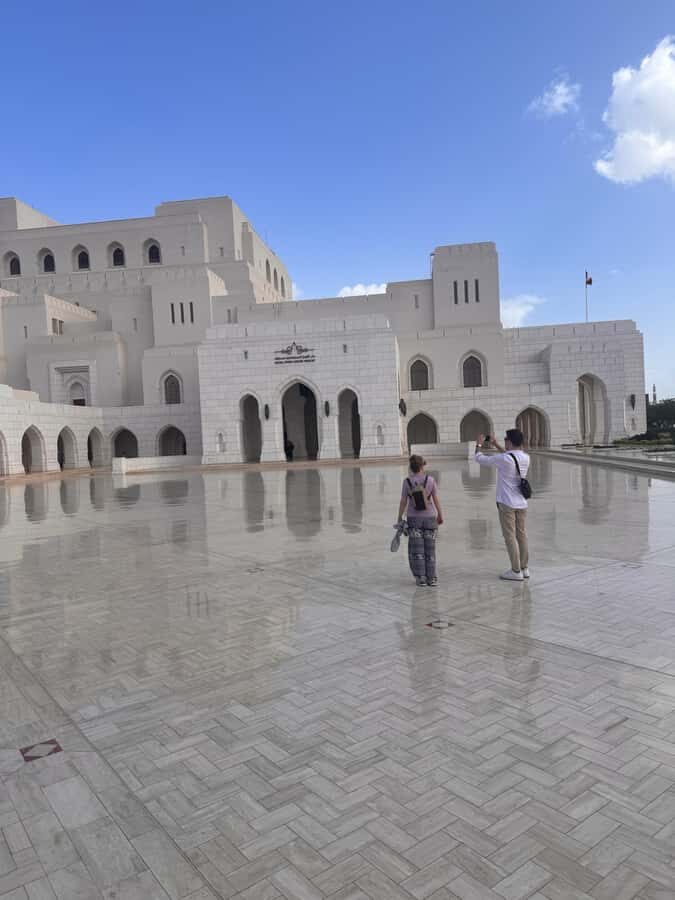 1 / 10
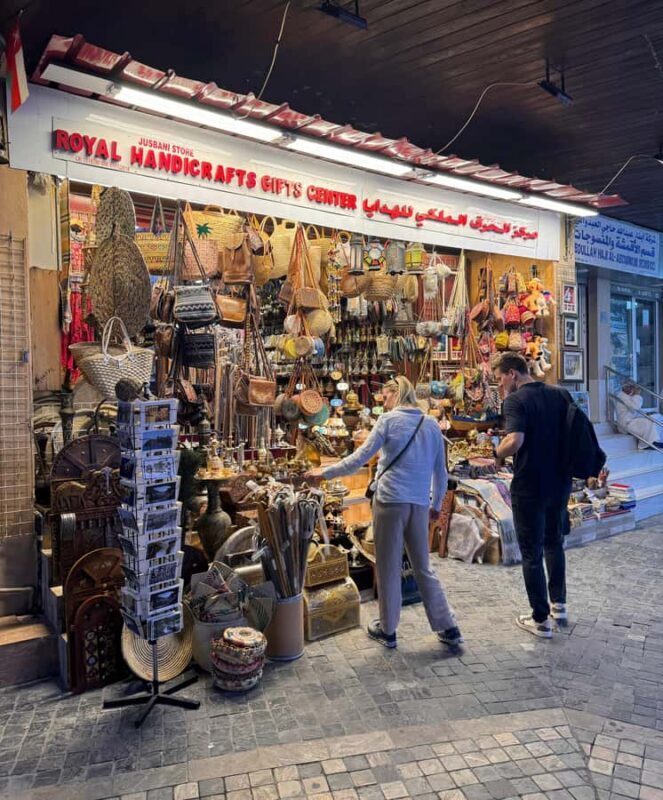 2 / 10
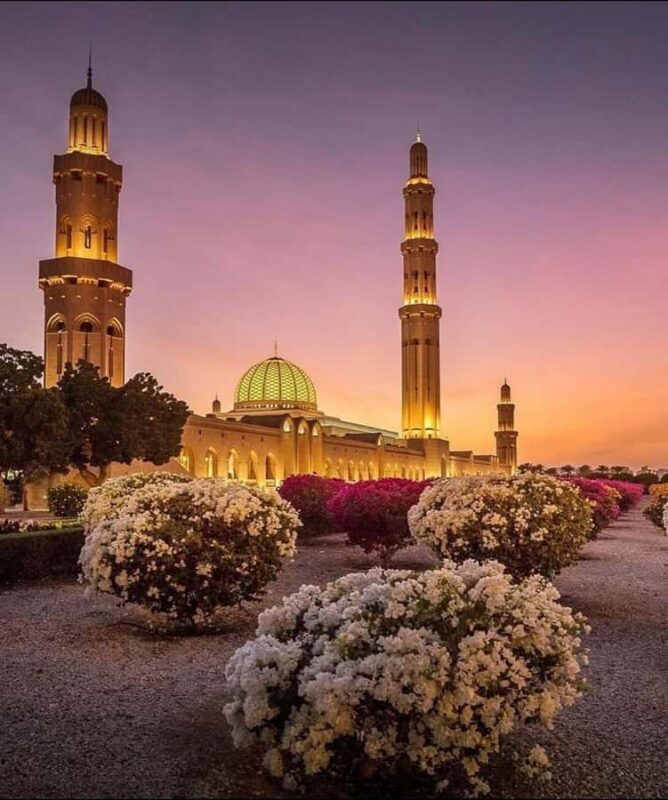 3 / 10
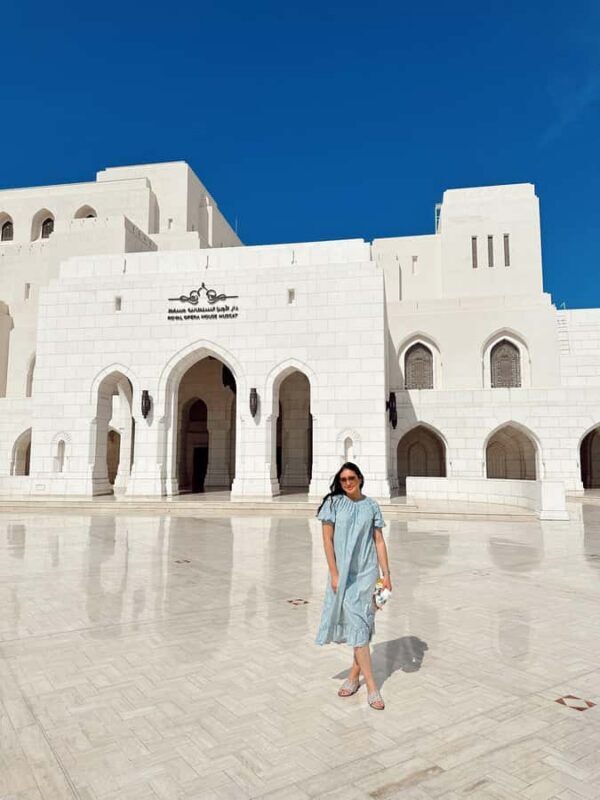 4 / 10
 5 / 10
 6 / 10
 7 / 10
 8 / 10
 9 / 10
 10 / 10
- The Grand Mosque is the essential stop: Its marble courtyards, large hand-woven carpet and crystal chandelier are the tour’s most memorable architectural sights.
- The city is spread out: Pickup and an air-conditioned vehicle make it easier to connect central Muscat’s attractions without arranging your own transport.
- Mutrah combines shopping and harbor views: You get time at the old souq, plus stops along the Corniche and at the fish market.
- Guides shape the day: Names praised for clear explanations and considerate pacing include Muadh, Wahab, Alhussain, Hamed and Nasser. Your assigned guide may differ.
- Some admission costs extra: Opera House, Mutrah Fort and Bait Al Zubair Museum tickets are not included in the $75 price.
- The timetable needs checking: The stated 4.5-hour duration does not match the longer durations shown for individual stops and the meal break.

👉 See our pick of the 9 Best Scuba Diving Experiences In Muscat
Muscat’s landmarks make more sense together
Muscat is not a compact old town where you can walk from one major sight to the next. Its landmarks are spread between the capital’s newer districts, the harbor at Mutrah and the older ceremonial center. A guided drive is useful here: you spend less effort working out transport and more time understanding what you are looking at.
The tour’s appeal is its range. You move from the quiet, formal setting of Sultan Qaboos Grand Mosque to the modern cultural statement of the Royal Opera House, then to the waterfront and trading lanes of Mutrah. The palace and historic forts add another layer, while the museum can help put Omani traditions into context.
You should think of this as an introductory survey, not a slow visit to every site. The tour includes several short photo stops, and the listed itinerary gives the souq more time than the palace or Corniche. If a particular place matters most to you, tell your guide early and ask how the schedule can accommodate it.
You can also read our reviews of more guided tours in Muscat



The Grand Mosque deserves your time
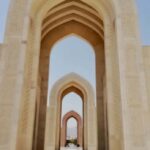
The Sultan Qaboos Grand Mosque is the tour’s strongest stop. Its scale is impressive, but the details are what make a visit worthwhile: carved Islamic decoration, broad marble courtyards, an enormous hand-woven carpet and a large crystal chandelier. Even if you have seen famous mosques elsewhere, the combination of craftsmanship and calm is a good reason to begin here.
The planned visit is listed as 90 minutes, including a guided tour. That gives you a chance to look around rather than rush straight through, though the exact time may depend on the day’s schedule. Non-Muslim visitors can enter during designated visiting hours, so check that the tour’s start time lines up with access.
Dress respectfully and bring a headscarf. The tour’s practical guidance also recommends comfortable shoes, a hat and sunscreen. The grounds and courtyards involve walking, and the local sun can make a hat useful even when the air feels mild.
The Opera House offers a different kind of grandeur
The Royal Opera House is a striking contrast to the mosque. It represents Oman’s investment in the performing arts, and its architecture gives you a glimpse of the country’s modern cultural life as well as its formal style. The tour sets aside an hour for a visit and guided look, but the $8.50 entry ticket is not included.
Check what that hour covers before you go. The activity describes a visit to the interiors, while the ticket is listed as an extra cost. If you would rather admire the exterior and save the admission fee, ask whether the stop can be adjusted. If seeing the inside is important, budget for the ticket.
The Opera House is one of the places where a guide’s explanation can add useful context. Guides including Muadh, Wahab and Hamed have been praised for speaking clearly and explaining local history and culture. Names are not guaranteed, but the tour’s Arabic- and English-speaking guide service is part of the experience.
Mutrah Corniche links the city to the sea
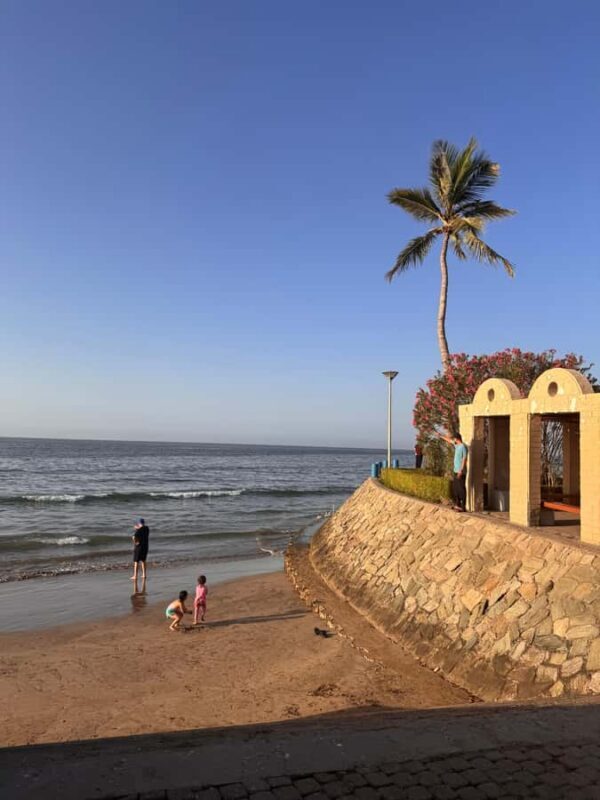
The Corniche is a brief stop in the scheduled plan, listed at 20 minutes. It offers views of the harbor, traditional dhows and the Hajar Mountains rising behind the city. This is a good place to pause for photographs and get a sense of Muscat’s geography: sea, rocky hills and built-up districts meet in a narrow coastal strip.
The short allocation means you should not expect a long waterfront walk as part of the standard schedule. If strolling along the Corniche matters to you, ask your guide whether there is room to stay longer or trade time at another stop. Light can change the feel of the view, too, so an afternoon schedule may not suit every photograph.
Mutrah Souq rewards browsing, but watch the clock
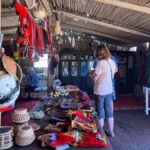
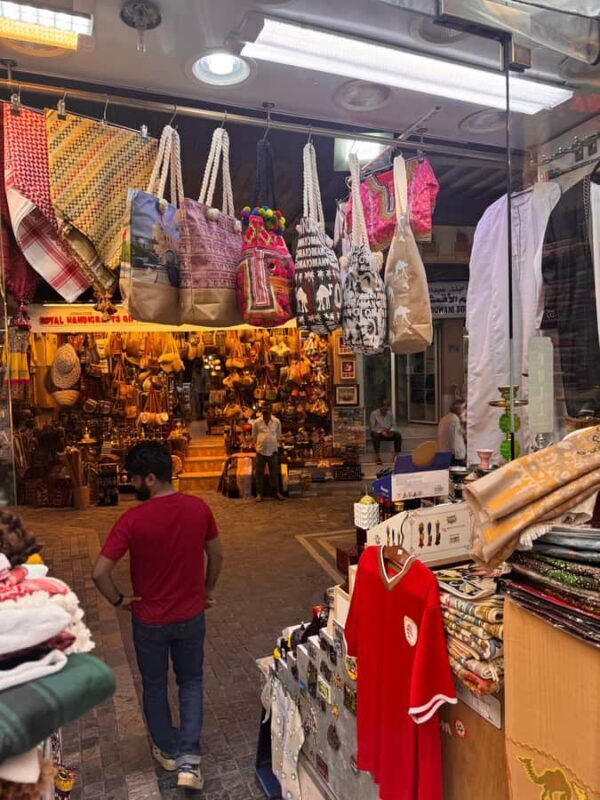
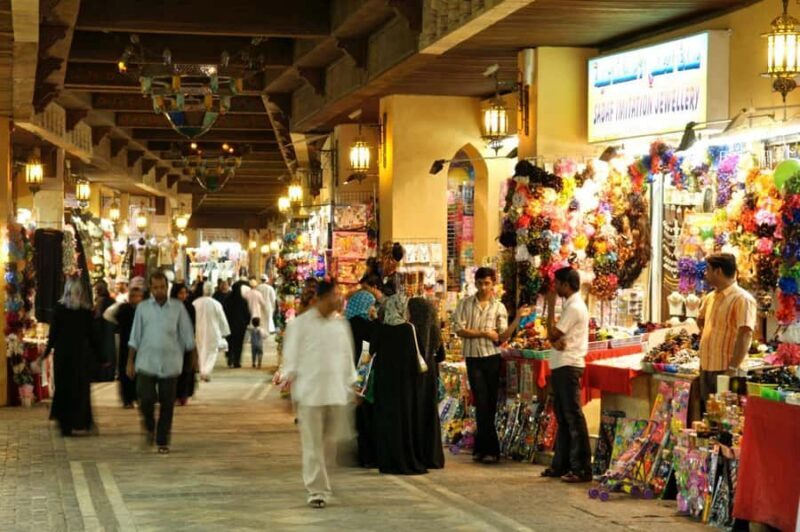
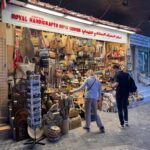
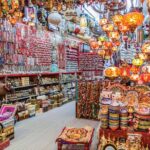
Mutrah Souq is one of Oman’s oldest markets, and the planned 80-minute visit gives you time to browse spices, textiles, jewelry and traditional crafts. It is a lively place to shop, but it is also a working market, so look beyond the souvenir stalls and notice the small details of daily trade.
Guides can be especially useful here. Several have helped visitors compare prices, find traditional shops and bargain. That is practical help, not a promise of a special discount, and you should still decide what an item is worth to you before buying.
The souq can easily absorb more time than planned. One visitor’s practical advice was to keep shopping time in check if you want to see every other stop. That is sensible: agree on a return time with your guide, and leave room for a quick look at the surrounding lanes rather than trying to inspect every shop.
You can also read our reviews of more city tours in Muscat



The museum adds context, with an extra ticket
Bait Al Zubair Museum is described as a collection focused on Omani heritage, including traditional clothing, weapons and household objects. A museum visit can make the city’s architecture and markets feel less like a string of photo stops and more like parts of a living culture.
The schedule assigns the museum 90 minutes, which is generous compared with the brief palace and waterfront stops. The admission charge, however, is not included and is listed at $5.50 per person. If you are short on time, ask whether the museum visit can be shortened; if you enjoy cultural collections, this is one stop you may want to protect.
There is a naming mismatch in the tour details: the timed itinerary says Bait Al Zubair Museum, while some descriptions refer to the National Museum. Confirm which museum is planned for your departure rather than assuming the two names refer to the same stop.
Palace, forts and the fish market need a little clarification
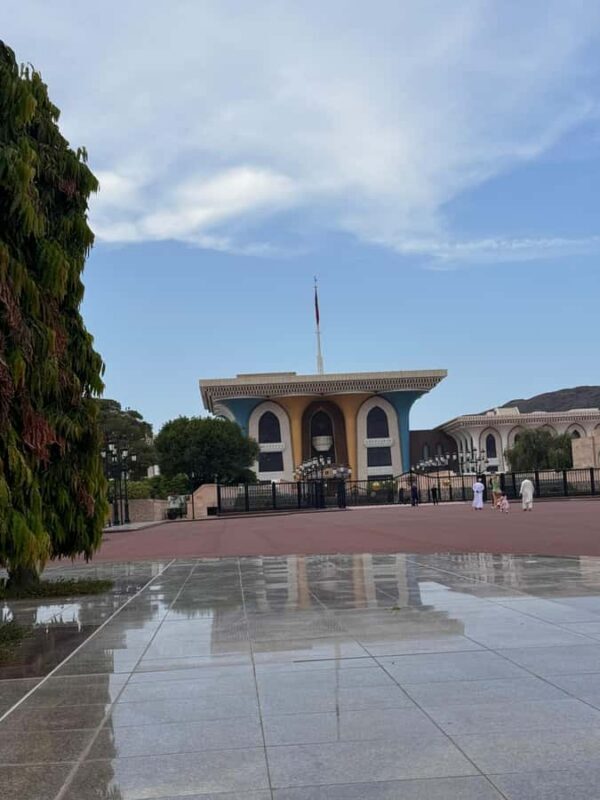
Al Alam Palace is the Sultan’s ceremonial palace, with a distinctive façade and formal surroundings that make it a natural photo stop. The scheduled visit is only 20 minutes. Although entry to Al Alam Palace is listed among the inclusions, the itinerary describes a photo stop and guided visit, so ask what access means in practice. Do not assume you will tour the palace interior.
The Old Mutrah Fish Market is another short stop, listed at 30 minutes. It offers a glimpse of the city’s connection to fishing and the sea. The market’s appeal is everyday life rather than elaborate architecture, so it makes a useful counterpoint to the mosque and palace.
Mutrah Fort is less clear. The broad tour description promotes views from the fort, and the inclusion details list a $5.50 entry ticket as extra, but the timed itinerary does not include a fort stop. Al Jalali and Al Mirani forts are also described as exterior sights and are not open to the public. If going up Mutrah Fort is a priority, confirm both access and the extra cost before you book.
Meals and transport help explain the price
At $75 per person, the tour includes pickup and drop-off anywhere in Muscat, an air-conditioned vehicle, a local guide, bottled water, onboard Wi-Fi, lunch and dinner. That package can represent fair value if you plan to see several districts in one outing. The city’s spread makes transport more than a minor convenience, and meals reduce the need to pause and arrange food yourself.
Lunch is not available during Ramadan. The information still lists dinner as included, but ask the operator how meals and the schedule work for your date. The meal stop is shown as an hour, although the tour’s total stated duration makes the full plan hard to reconcile.
The optional admission costs add up: $8.50 for the Opera House, $5.50 for Mutrah Fort and $5.50 for Bait Al Zubair Museum. You may not visit every one of these, so the final cost depends on your chosen stops. Souq entry is included, as are bottled water and transport.
Pickup is available from hotels and the airport. At a hotel, the guide meets you in the lobby; at the airport, the guide meets you in the arrival hall with a sign. Be ready 15 minutes early, and if you are connecting to a flight, confirm the drop-off plan directly. A change to an agreed airport drop-off has caused trouble for at least one person, so do not leave that detail vague.
The guide can make a group tour feel personal
The guide is central to this experience. The most consistent strengths are clear explanations, kindness, patience and flexibility. Muadh, Wahab, Alhussain, Hamed and Nasser are among the names that have been singled out, often for helping people understand Omani history, religion, food and daily life. Your guide will depend on the date, so a specific name cannot be promised.
Some departures have turned into private tours when only one booking was made. That can mean a more flexible pace, but you should not count on having a private vehicle or exclusive guide. The format is a group guided tour, and actual group size may vary.
This tour suits solo visitors, couples and small groups who want a broad introduction without hiring a car. It is also a useful choice if you have only a short stay in Muscat. Expect moderate walking, however. The details say the activity is wheelchair accessible but also list wheelchair users and people with mobility impairments as unsuitable, so contact the operator to resolve that conflict before booking.
Is this the right Muscat tour for you?
Book it if you want an efficient first look at Muscat, value a local guide, and like the idea of combining major monuments with Mutrah’s market and waterfront. The pickup, air-conditioned transport and included meals add real convenience, while the guide can help you make sense of places that would otherwise feel disconnected.
Pause before booking if you need a precisely timed half-day, want guaranteed entry to Mutrah Fort, or plan to spend a long time inside every attraction. The stated duration and stop-by-stop timing conflict, and some admission costs are extra. Ask the operator to confirm the actual route, museum, fort access, meal plan and return time. With those details settled, this is a practical way to get your bearings and decide which parts of Muscat deserve a second visit.
Muscat: Group Guided City Tour with Pickup and Meals
FAQ
How long does the tour take?
The stated duration is 270 minutes, or 4.5 hours. However, the listed stop times and meal break add up to substantially longer, so confirm the expected total duration with the operator before booking.
Is pickup available from the airport?
Yes. Pickup and drop-off are offered from anywhere in Muscat, including the airport. At the airport, the guide is to meet you in the arrival hall with a sign.
Are lunch and dinner included?
Both lunch and dinner are listed as included. Lunch is not available during Ramadan, so check how the meal arrangements work for your travel date.
Which entrance fees are extra?
The Opera House ticket is listed at $8.50 per person. Mutrah Fort and Bait Al Zubair Museum tickets are each listed at $5.50 per person. Souq entry is included.
What should I wear to visit the Grand Mosque?
Wear smart casual clothing and bring a headscarf. The tour also recommends comfortable shoes, a hat and sunscreen. Non-Muslim visitors can enter during specific visiting hours.
What languages does the guide speak, and is the tour wheelchair accessible?
The live guide is available in Arabic and English. The activity is marked wheelchair accessible but also says it is not suitable for wheelchair users or people with mobility impairments. Contact the operator to confirm whether the route meets your needs.
You can check availability for your dates here: