Murasakimura gives you a walk through a recreated town from the Ryukyu Kingdom era, with samurai residences and streets spread across about 50,000 square meters. The historic setting is only the start: more than 100 cultural and entertainment options are available, from Okinawan crafts to beach activities.
I like two things in particular: the chance to try crafts such as Ryukyu blown glass and Bingata dyeing, and the freedom to make this a short visit or spend longer exploring. The family-friendly activities and different settings for festivals, lanterns, and photos give the place more than one reason to visit.
The main consideration is that this ticket covers admission only. Workshops and other activities cost extra, and the grounds are exposed to strong sun. If you arrive expecting every activity to be included, or a full guided history tour, you may need to adjust your plans.
- Murasakimura at a glance
- Walking into a Ryukyu-era town
- Choosing a craft workshop
- Beyond the town: horses, go-karts, and the beach
- Allow time for photos and seasonal settings
- Food and a possible hot-spring stop
- Getting to Murasakimura
- What the admission price does and does not buy
- Who should make time for it?
- Should you book Murasakimura?
- FAQ
- How long should I plan to spend at Murasakimura?
- What are the opening hours?
- Are workshops included in the admission ticket?
- Do children aged 0 to 5 need a ticket?
- How long is the voucher valid?
- How do I present the voucher at the entrance?
- More Tours in Nakagami
- More Tour Reviews in Nakagami
- Not for you? Here's more nearby things to do in Nakagami we have reviewed
Murasakimura at a glance
 1 / 5
 2 / 5
 3 / 5
 4 / 5
 5 / 5
- A recreated Ryukyu town: See a 15th-century-style setting with samurai residences, built across roughly 50,000 square meters.
- Hands-on crafts cost extra: Try options such as Ryukyu blown glass, Bingata dyeing, glass bead accessories, aqua dome making, or playing the sanshin.
- More than a craft village: Horse riding, go-karts, and marine activities at Zanpa Beach are among the options.
- Flexible visit length: Allow 1 to 3 hours, depending on how much you explore and which paid activities you choose.
- Daytime opening: The grounds are open daily from 9 am to 6 pm, with last admission at 5:30 pm.
- A low entry price, with add-ons: Admission starts at $5.69, but activity fees and personal spending are not included.
Walking into a Ryukyu-era town
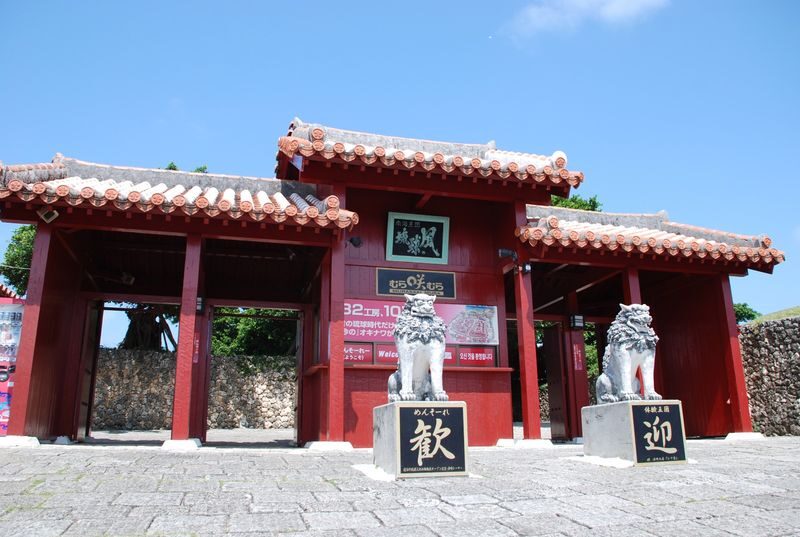
Murasakimura is designed to evoke the Ryukyu Kingdom of the 15th century, including the kind of samurai residences associated with the area around Shuri Castle. The point is not simply to look at old-style buildings from a distance. You can wander among the recreated streets and use them as the backdrop for workshops, displays, and photos.
That setting gives the visit a useful sense of place. Okinawa’s traditional crafts are not presented in isolation: they sit within a townscape meant to recall the island’s past. I like that connection, especially if you are looking for an introduction to Okinawan culture that is more active than a quick museum circuit.
Keep expectations in proportion, though. Murasakimura is an experiential theme park, not a preserved historical town or a guided tour with a set route. The recreated buildings provide atmosphere, while the activities are the main way to spend time there. If you want a detailed, expert-led account of Ryukyu history, that is not promised by this admission ticket.
The grounds cover about 50,000 square meters, so you will have room to walk around rather than viewing everything from one small courtyard. The trade-off is that a quick visit means choosing what matters most. You might focus on the townscape and photos, or put your time and budget toward one or two workshops.
You can also read our reviews of more tours and experiences in Nakagami.
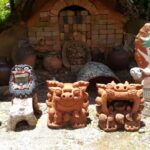

Choosing a craft workshop
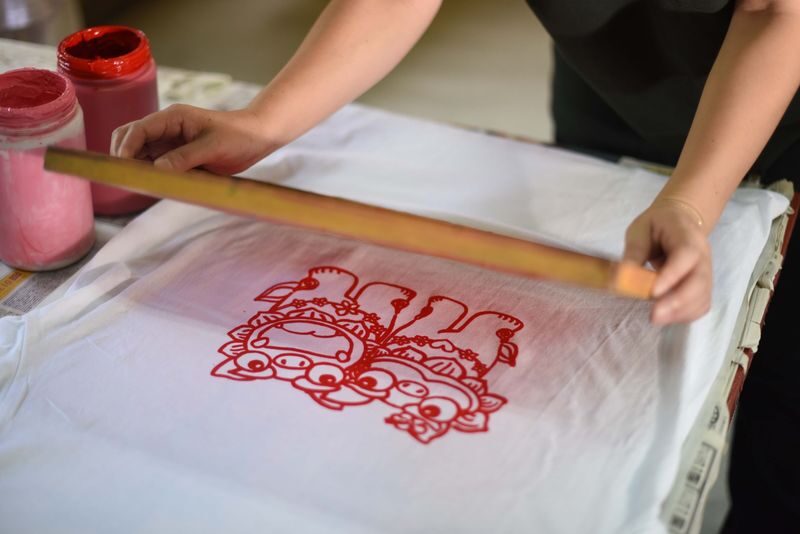
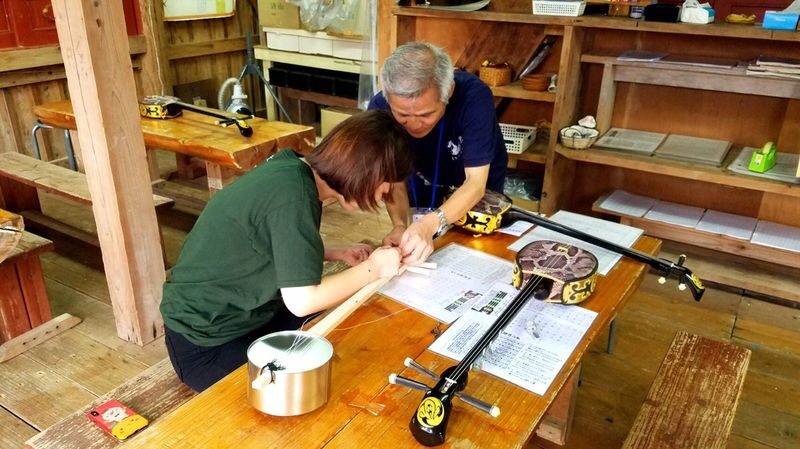
The strongest reason to add time at Murasakimura is the chance to try Okinawan crafts yourself. Options include Ryukyu blown glass, Bingata, a dyeing method developed in Okinawa, and glass bead accessories. You can also find activities such as making an aqua dome and playing the sanshin, a traditional Okinawan stringed instrument.
There are 32 workshops, though the admission ticket does not pay for them. Treat the listed activities as choices, not as a bundle included with entry. If a particular craft is the reason you are coming, check the official website for current details before you set off. Opening hours and available activities can change.
The hands-on approach makes this a good fit for families and for anyone who likes to leave an attraction with more than photos. It also means the cost can climb beyond the entry price. Decide in advance how much you are willing to spend on workshops, especially if you are visiting with children who may want to try several.
You do not need to turn the visit into a craft marathon. If you have only an hour or two, a walk through the town and a single paid activity may be a satisfying plan. If you are staying nearby or have a flexible day, you can take more time and choose among the different experiences.
Beyond the town: horses, go-karts, and the beach
Murasakimura’s activities extend well beyond traditional crafts. Horse riding and go-karts add a more playful option, while marine activities are available at Zanpa Beach. That range helps explain why the site can suit a mixed-age group: one person can be drawn to dyeing or glass, while another looks for something more active.
These activities are also a reason to plan rather than assume. The ticket includes entry to the attraction, but activity experience fees are not included. The information provided does not give individual prices, schedules, or details about which beach activities will be running on your visit, so check current arrangements if one is a must-do.
The beach element can make Murasakimura work well as part of a broader Yomitan outing, rather than as a stand-alone history stop. Still, do not count on fitting everything into a short visit. With a stated visit time of 1 to 3 hours and several separately priced choices, you will get more from the day by picking priorities instead of trying to do it all.
Allow time for photos and seasonal settings
The recreated streets also serve as a backdrop for family pictures and special occasions. The grounds may have different settings at different times, including lantern displays, festivals, music, workshops, and other displays. These details can add character to a return visit, but they are not guaranteed on every date.
Cherry blossoms have also been in bloom during some visits, with wedding photos taking place among the buildings. That is a lovely possibility, not a dependable feature of the ticket. If seasonal scenery matters to you, check what is happening around your dates rather than building your whole plan around a particular display.
Strong sun is a practical factor here. One visitor’s short, unplanned stop was memorable but very hot, and much of the appeal involves walking around the grounds. Bring sun protection and water, and consider arriving earlier in the day if you want time to explore without rushing. The venue is open from 9 am, and the last admission is 5:30 pm.
Food and a possible hot-spring stop
A restaurant in the samurai residence is known for Okinawa soba. It is a convenient choice if you want to keep the cultural setting going over a meal, though the admission ticket does not include food. If you are planning a longer visit, check restaurant hours before relying on it.
The nearby Murasaki Mura hotel has a ground-floor facility called Iyashi Kobo Yufuru, which uses the quasi-natural hot spring Togol no Yu. It is described as a place to unwind after workshops or during a hotel stay. The admission ticket details do not say that the hot spring is included, so confirm access and any separate charge directly before planning around it.
Getting to Murasakimura
The address is 1020-1 Takashiho, Yomitan, Nakagami District, Okinawa. The provided directions estimate about 90 minutes by car from Naha Airport. By bus, the stated journey is about 90 minutes from Naha Bus Terminal, followed by a 10-minute walk from Ufudo.
Those are useful planning estimates, but check the official website for current transport directions before travelling. Murasakimura is in Yomitan, so account for the journey when deciding whether to make it a short stop or combine it with other plans in the area.
What the admission price does and does not buy
At a starting price of $5.69, entry is an inexpensive way to see the recreated town and get access to the attraction. The value is strongest if you want to stroll, take photos, and sample the atmosphere without committing to a costly full-day activity. It is less of a bargain if you arrive expecting workshops, riding, or beach activities to be part of the price.
Think of admission as the door to a menu of optional experiences. That lets you tailor the outing, but you should set a separate activity budget before you arrive. The ticket also has no cancellation or refund option, so choose dates with care.
The voucher is valid for 180 days from booking confirmation and can be presented on your phone. You need internet access to open the voucher, and staff must handle the ticket at entry. Children aged 0 to 5 enter free. Admission may be restricted when the grounds are crowded, so keep a little flexibility in your plans.
Who should make time for it?
Murasakimura is a sensible choice for families, craft-minded visitors, and anyone curious about Okinawan traditions who prefers to take part rather than only observe. It also suits repeat visitors to Okinawa who want a relaxed outing without a tightly scheduled tour. The low entry price makes it easy to consider, provided you understand that hands-on activities add to the bill.
It may be less satisfying if you want a quiet, heavily interpretive historical site or a full evening experience. The ticket is for daytime admission, and the grounds close at 6 pm. One short visit can feel light on activity if you simply walk around without choosing a workshop or another experience.
For a first visit, I would set aside two or three hours, choose one activity that interests you, and leave room to wander and take photos. If you are pressed for time, focus on the townscape and skip the paid extras. Either way, arrive before the last-entry cutoff and plan for the sun.
Should you book Murasakimura?
Book it if you want an affordable, flexible stop that combines a recreated Ryukyu-era town with optional crafts and family activities. The best value comes from matching the visit to your interests: entry and a stroll for a short outing, or a workshop and more time on site if you want to get hands-on.
Skip it if you expect admission to cover every activity, need a guided history experience, or only have time for a rushed dash before closing. Check current activities and transport details before you go, then decide what you are willing to pay extra to try.
Murasakimura Admission Ticket
“I've been to Okinawa so many times that this 9-day trip felt more like a short stay with no specific plans. We just happened to pass by and decided…”
FAQ
How long should I plan to spend at Murasakimura?
Allow 1 to 3 hours. Your visit will take longer if you choose paid workshops or activities.
What are the opening hours?
Murasakimura is open daily from 9 am to 6 pm. Last admission is at 5:30 pm, and hours may change.
Are workshops included in the admission ticket?
No. The ticket covers admission and tax. Workshop fees, activity experience fees, and personal expenses are not included.
Do children aged 0 to 5 need a ticket?
No. Admission is free for children aged 0 to 5.
How long is the voucher valid?
The voucher is valid for 180 days from the booking confirmation date. It expires at 00:00 on the last day.
How do I present the voucher at the entrance?
Open the voucher in the Klook app or website and show it to local staff on your phone. You need internet access to open it, and facility staff must operate the ticket.