
At night, Kinkajou Forest changes shift. Sloths, kinkajous, armadillos, frogs, spiders, and sleeping birds may be out or easier to spot, while a guide’s trained eye can reveal life you would likely walk right past. The 90-minute walk is a compact way to meet Monteverde’s after-dark wildlife.
I like two things especially: the guide-led search makes the animals easier to find and understand, and hotel pickup and drop-off are included, so you do not need to arrange your own ride. The main caveat is that wildlife sightings vary, and rain or slick ground can make a night walk less comfortable.
- What to Know Before You Go
- Starting the Evening in Monteverde
- Into Kinkajou Forest After Dark
- Animals You Might See, and What They Mean for the Tour
- Small Group, Shared Trail
- Weather, Footing, and What to Wear
- Is a Good Value?
- Who Should Book This Night Walk?
- Should You Book It?
- FAQ
- How long is the Kinkajou Forest Night Walking Tour?
- What is included in the price?
- What animals might I see?
- Is hotel pickup available?
- What languages does the guide speak?
- What should I bring, and does the tour run in rain?
What to Know Before You Go
 1 / 8
 2 / 8
 3 / 8
 4 / 8
 5 / 8
 6 / 8
 7 / 8
 8 / 8
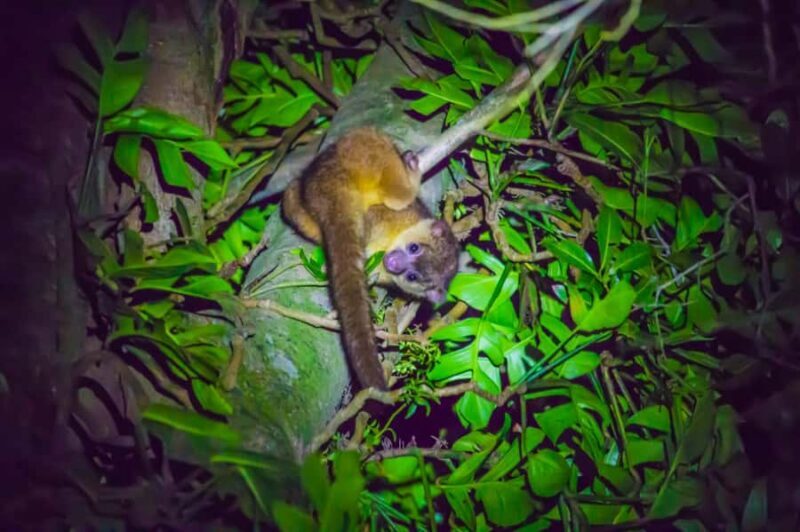
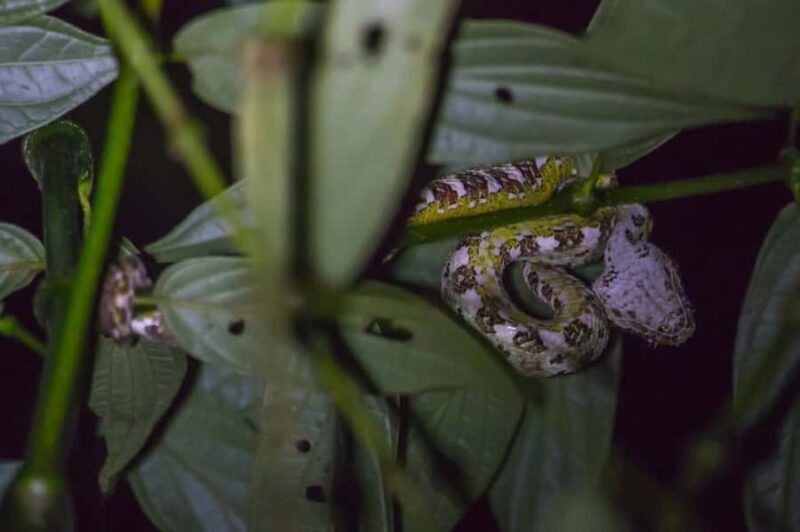
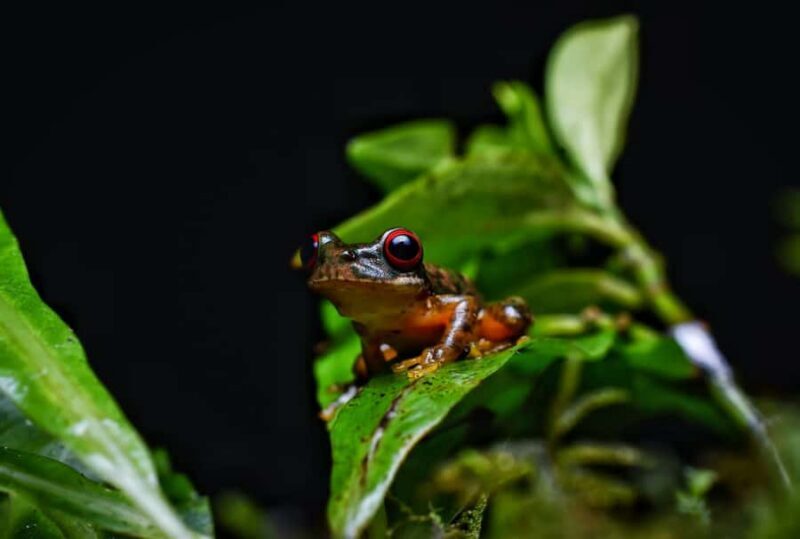
- Night brings a different cast: Sloths, kinkajous, porcupines, frogs, tarantulas, scorpions, snakes, and roosting birds are among the possible sightings.
- Guides do the searching: Guides such as Steven, Fabian, Josué, and Daniella have been praised for spotting animals and explaining what you are seeing.
- The walk lasts about 90 minutes: That makes it an easy evening activity, not a long forest expedition.
- Groups are limited to eight: Small numbers help everyone get a look, though other tour groups may be on the reserve at the same time.
- Transport is included: Pickup and return are offered from many Monteverde accommodations, but check availability for your specific lodging.
- Rain does not stop the tour: Bring comfortable shoes and clothes, and be ready for a forest walk in wet weather.
Starting the Evening in Monteverde
This tour begins with hotel pickup, followed by a short transfer to the Kinkajou Night Walk reserve. Pickup is offered from a long list of hotels, hostels, lodges, and other locations around Monteverde and Santa Elena. If your accommodation is near Santa Elena, confirm pickup availability with the provider by email or WhatsApp before you book.
Plan to wait in your hotel lobby around 10 to 20 minutes before the scheduled pickup time. The ride is part of the value here: you do not have to find the reserve at night or sort out a return trip after the walk. Confirm your pickup time and place directly, since precise arrangements matter when several properties are on the route.
The tour costs $32 per person, including transport, entrance, a guide, and the nighttime walk. Food and drinks are not included, but the activity is short enough that you can eat before or after rather than build a meal stop into the evening.
Into Kinkajou Forest After Dark
Once you reach the reserve, you join a guided walk of about an hour and a half. The forest includes areas with endemic trees and sections with fruit trees, which offer local wildlife both shelter and food. At night, the change in activity is the point: the tour description notes that more than three quarters of the wildlife is active in the evening hours.
Your guide leads the search with a flashlight and helps you scan trunks, branches, leaves, and the ground. This is not a fast hike with a fixed list of animals waiting at each stop. It is a slow, attentive walk, with pauses when the guide finds something worth seeing. You might look up into the canopy for a kinkajou or sloth, then turn to a nearby branch for a sleeping bird or a spider.
That searching is where a local guide adds real value. Small animals can be hard to see in low light, and a guide who knows where to look can turn a dark patch of forest into a clear sighting. Guides on recent departures have included Steven, Fabian, Daniella, and Josué. The names change with the schedule, but the guide’s ability to locate wildlife and explain it is central to the experience.
Animals You Might See, and What They Mean for the Tour
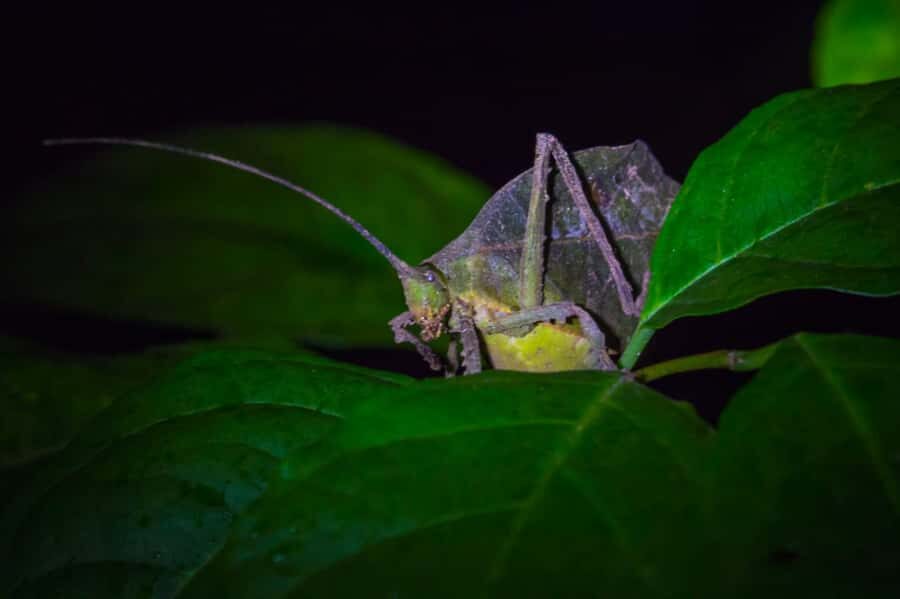
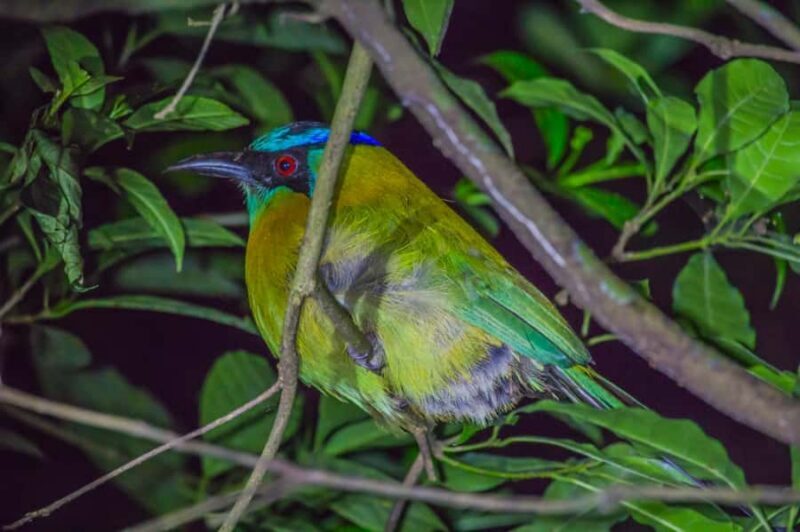
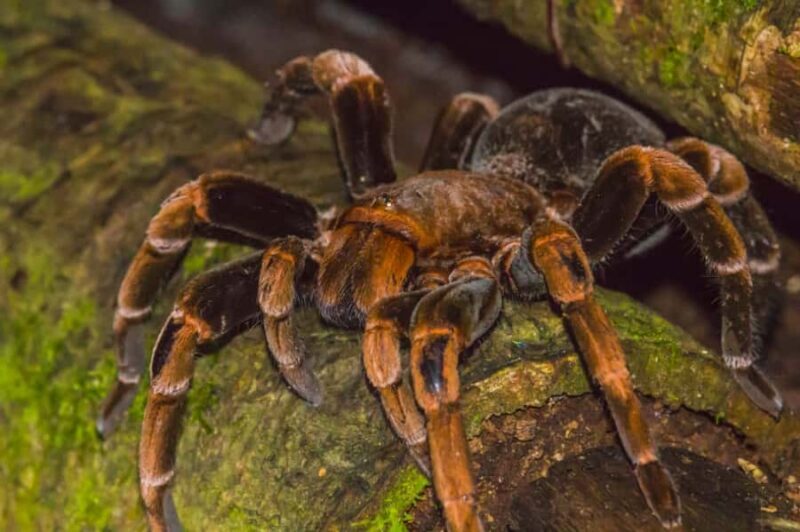
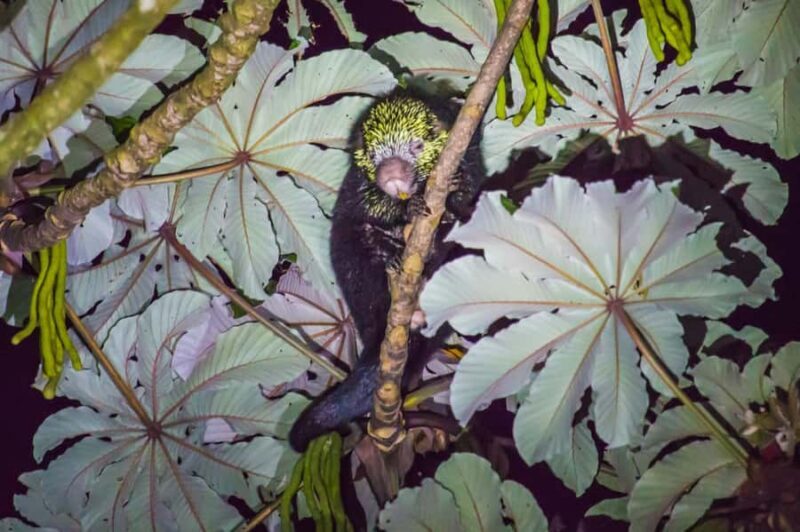
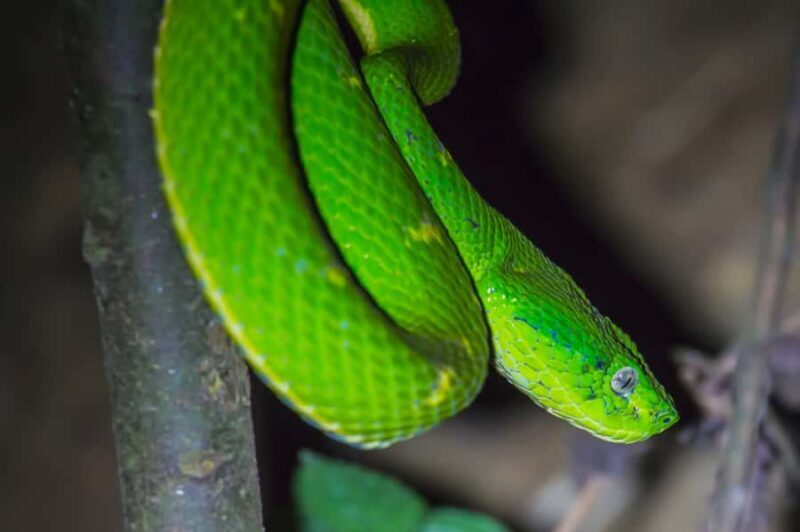
The advertised possibilities include sloths, armadillos, porcupines, sleeping birds, and many kinds of insects. Sightings reported on recent walks have also included kinkajous, toucans, snakes, frogs, scorpions, and tarantulas. One especially memorable possibility is a sloth with a baby; some groups have also seen kinkajous moving through the treetops.
Treat that list as a set of possibilities, not a promise. Wildlife is wild, and there is no fixed route that can guarantee a particular animal. The forest itself remains interesting even when the larger mammals keep out of sight: guides may point out insects, plants, or smaller creatures you would not notice on your own.
Some guides help the group share a view by taking a photo through binoculars or using one camera for everyone. That can save time and give each person a chance to see the animal without a row of phones blocking the view. It is not a guaranteed feature, so bring your own camera if you want pictures, but do not let photography take over the walk.
A good guide also manages how the group approaches a sighting. You are there to observe animals in their habitat, not to touch or disturb them. Follow instructions, keep your light where the guide directs it, and give everyone a turn at the viewing spot.
Small Group, Shared Trail
The group limit is eight participants, a useful size for a dark forest walk. With fewer people, it is easier to hear the guide, move along the trail, and take turns looking at an animal. It also helps the guide keep an eye on the group when footing is uneven.
There may be other groups on the reserve at the same time. That does not necessarily mean a crowded walk, but it can make the experience feel less solitary when several guides are searching nearby. Guides may communicate with each other when someone spots an animal, which can increase the chances of finding wildlife, though it can also mean you are sharing the reserve with other visitors.
Group behavior matters, too. Give people room to see, and be ready to move along when everyone has had a look. A few visitors have found this part frustrating when others lingered, but a patient, considerate group helps the walk stay enjoyable for everyone.
More Great Tours NearbyWeather, Footing, and What to Wear
The tour runs rain or shine, which is worth taking seriously in Monteverde. Wind and rain can make an evening feel chilly, and wet trails may be slippery. Wear comfortable shoes with reliable footing, along with comfortable clothes suitable for the conditions.
One practical caution: a loose rain poncho can hang over your legs and hide where you are placing your feet. If rain is likely, choose protection that lets you see the trail clearly. Keep your attention on the ground as well as the branches overhead. Night walks ask you to look in two directions at once.
Flash photography is not allowed. Alcoholic drinks are not allowed in the vehicle. Those are simple rules, but they support a calmer trip and help protect the animals from disruptive light or behavior.
Is $32 a Good Value?
At $32, the price covers more than the walk itself. You get the reserve entrance, a guide, and hotel pickup and drop-off, which makes this a strong-value evening activity if you are staying in the service area. A self-guided walk would not offer the same help finding animals in darkness, and arranging transport separately could add cost and effort.
The 90-minute duration is another advantage if you want a focused activity that leaves your day open. It is long enough to settle into the forest and search for wildlife, but short enough to fit around dinner or other plans. Do not expect a long hike or an all-evening nature program; the appeal is the concentrated change of pace after dark.
The trade-off is the uncertainty built into wildlife watching. A particularly active night can bring a run of memorable sightings, while a quieter one may offer more insects and forest detail than large animals. If you need a guaranteed close encounter with a specific species, this is not the right kind of activity. If you enjoy searching and learning as you go, the uncertainty is part of the deal.
Who Should Book This Night Walk?
I would put this high on the list for anyone curious about wildlife and comfortable walking outdoors after dark. It is especially appealing if you have already spent time in Monteverde during daylight and want to see how different the forest feels at night. Families with older children who can walk carefully and follow instructions may also enjoy the close-up animal search.
It suits visitors who value a guide’s eyes and local knowledge more than a polished show. The guide is not presenting animals in a display area; you are walking through forest and looking for wildlife where it lives. That means the best moments can be unexpected, but it also means no sighting is guaranteed.
If you dislike spiders or insects, be honest with yourself before booking. Tarantulas, scorpions, and other small creatures are part of the forest’s nighttime life, not a rare detour. You do not have to enjoy every species to appreciate the walk, but you should be ready to encounter them.
Booking is flexible: you can reserve without paying immediately, and cancellation up to 24 hours in advance is eligible for a full refund. Check the available start times, confirm pickup at your lodging, and arrive ready for damp weather and careful walking.
Should You Book It?
Book the Kinkajou Forest Night Walking Tour if you want an affordable, guided wildlife search with transport included and are happy to let the forest set the pace. It offers strong value, a manageable 90-minute walk, and a chance to see animals that are active after dark. Skip it if you need dry weather, guaranteed sightings, or a spider-free evening. For most wildlife-minded visitors in Monteverde, it is a smart way to spend one night.
Monteverde: Kinkajou Forest Night Walking Tour
FAQ
How long is the Kinkajou Forest Night Walking Tour?
The guided walk lasts approximately 90 minutes.
What is included in the $32 price?
The price includes hotel pickup and drop-off, the entrance ticket to Kinkajou Night Walk, a guide, and the nighttime walking tour. Food and drinks are not included.
What animals might I see?
Possible sightings include sloths, armadillos, porcupines, kinkajous, sleeping birds, toucans, frogs, snakes, scorpions, tarantulas, and other insects. Sightings vary.
Is hotel pickup available?
Pickup and drop-off are included from many Monteverde accommodations. If you are staying near Santa Elena, message the provider by email or WhatsApp to confirm availability for your accommodation.
What languages does the guide speak?
The live tour is offered in English and Spanish.
What should I bring, and does the tour run in rain?
Wear comfortable shoes and clothes. The tour runs rain or shine, so prepare for wet conditions and watch your footing. Flash photography is not allowed.
You can check availability for your dates here: