Swayambhunath’s white dome and gold spire are visible across Kathmandu, but the walk there gives you more than a landmark and a viewpoint. You pass smaller Hindu and Buddhist shrines on the way, and a guide can help explain how those traditions meet in everyday Nepali religious life.
I like two things in particular: the route starts in Thamel and reaches the hill on foot, so the approach feels connected to the city; and the guide-led stops add meaning to shrines you could easily pass without understanding. The main temple visit also leaves time for the broad valley views.
The trade-off is physical: this is a three-hour walk with stairs, including a climb of 365 steps from Bhagwan Pau. It is not suitable for wheelchairs or strollers, and the entrance fee is extra.
- What to know before you set out
- From Thamel, the city becomes part of the visit
- Bhagwan Pau and the first stairway
- Shova Bhagwati Temple and the goddesses
- Harati Ajima Temple and a story of change
- Swayambhunath, the main event
- The Buddha Park and the return walk
- What the price buys, and what it does not
- Who will get the most from this walk
- Should you book it?
- FAQ
- How long is the Monkey Temple walking tour?
- Where does the tour start?
- Where does the tour finish?
- What temples are included?
- Is the Swayambhunath entrance fee included?
- How much walking and stair climbing is involved?
- Is the tour suitable for children?
- Is the tour wheelchair- or stroller-accessible?
- Can I cancel for a refund?
- The Best Of Kathmandu!
- More Walking Tours in Kathmandu
- More Tours in Kathmandu
- More Tour Reviews in Kathmandu
- Not for you? Here's more nearby things to do in Kathmandu we have reviewed
What to know before you set out
- Walk from Thamel to the hill: It takes about 30 minutes on foot to reach Bhagwan Pau from the meeting point at Pumpernickel Bakery.
- Climb 365 steps: Bhagwan Pau marks the start of the main stairway up Swoyambhunath hill.
- Visit several shrines: The route includes Shova Bhagwati Temple, Harati Ajima Temple and Swayambhu Temple.
- Get context from an English-speaking guide: The walk covers both Buddhist and Hindu ideas, with one guide named Sandip in a participant’s account.
- Allow for the extra entrance charge: Swayambhunath’s entrance fee is NPR 200, payable in cash.
- Expect a morning outing: The planned tour runs from 9 a.m. to noon, though traffic and weather can affect the schedule.
👉 See our pick of the 14 Best Shopping Tours In Kathmandu
From Thamel, the city becomes part of the visit
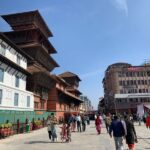
The tour begins at Pumpernickel Bakery on Paryatan Marg, in the center of Thamel. Your guide is due to arrive 15 minutes early with an Amazing Kathmandu Tours sign. From there, you walk for about 30 minutes to Bhagwan Pau, the lower entrance area at the foot of Swoyambhunath hill.
That first stretch matters. Rather than arriving at the stupa by vehicle and seeing it as a single isolated attraction, you approach it through Kathmandu’s streets and past other temples. The walk gives the outing a sense of progression, while a guide can point out the religious sites and local context along the way.
This is a walking tour, not a ride between monuments. There is no group-size information provided, so you should not assume you will have a private guide or a small group. The pace and length of stops may vary, and the schedule can change with traffic or weather.
You can also read our reviews of more walking tours in Kathmandu



Bhagwan Pau and the first stairway
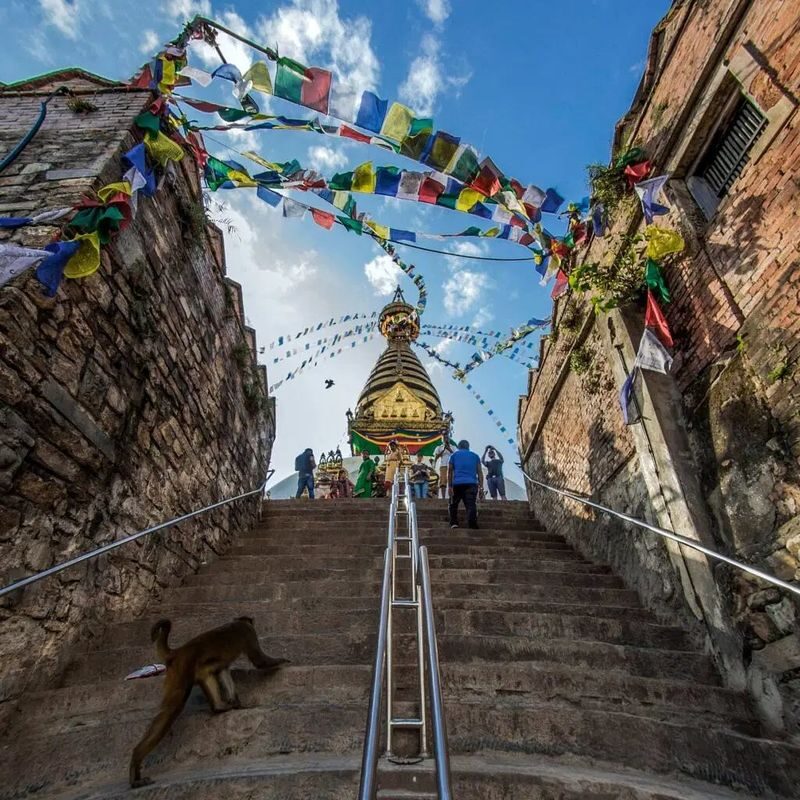
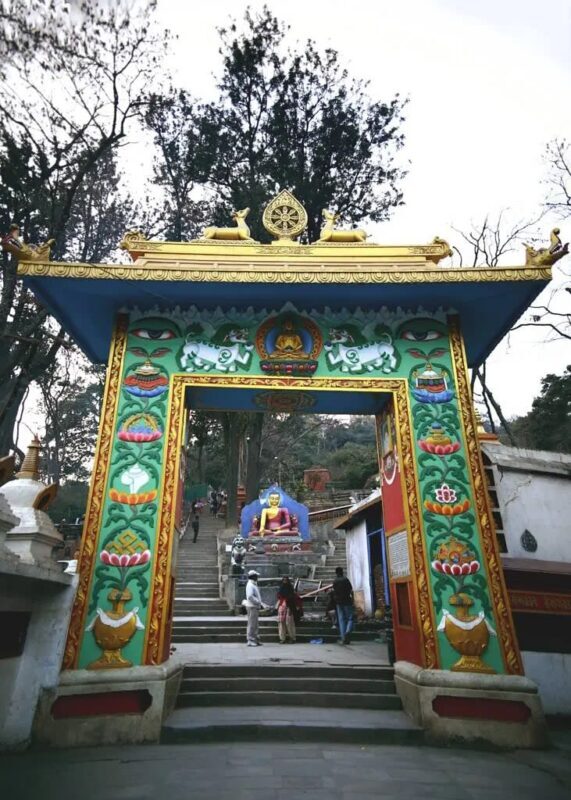
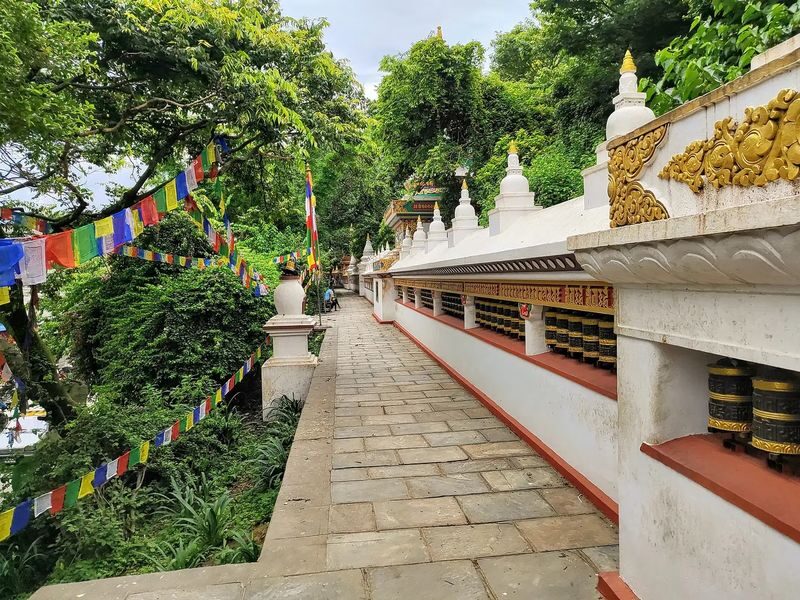
At Bhagwan Pau, the guide gives a short introduction to the site. The name refers to the feet of Lord Buddha, and the place marks the start of the main approach up the hill: a stairway of 365 steps.
That number is useful to know before booking. You do not need to be an athlete, but the tour information describes considerable walking and stairs, so it is sensible to be honest about your fitness and comfort on steps. The tour is not wheelchair- or stroller-accessible, and it is for participants aged 10 and older.
The stop is scheduled for 20 minutes, including a guided tour. It is a chance to understand where you are before the climb and to take the walk at a more thoughtful pace than a quick dash to the top. If stairs are a concern, ask the operator about the route before booking rather than counting on an alternative.
Shova Bhagwati Temple and the goddesses
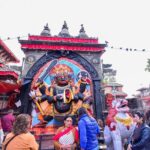
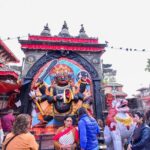
Shova Bhagwati Temple is another important shrine on the way to Swayambhunath. Here, you encounter the Ashta Matrikas, or Eight Mothers, and the Nava Durgas, or Nine Durgas, figures described as among the most revered goddesses in Nepali culture.
The stop is scheduled for 20 minutes. That is not a long time to study every detail, but it gives the guide a chance to explain why these figures matter and how they fit into local religious traditions. One of the best reasons to take this walk with a guide is that the temples are not simply scenery along the route. A little explanation can make the difference between seeing a shrine and understanding why it is part of a living religious landscape.
You should not expect a long, quiet visit at every temple. The tour has several stops to fit into three hours, and the schedule is fairly brisk. If you want to linger at each site, a self-guided visit may suit you better.
Harati Ajima Temple and a story of change
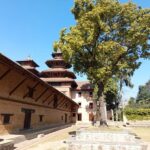
At Harati Ajima Temple, the focus shifts to the story of Harati. The guide explains how a demon named Harati became Mother Harati, as well as the temple’s Nepalese pagoda-style architecture.
That story gives the stop a different feel from a simple architectural pause. It brings together religious narrative and the way a sacred figure is understood in local culture. The temple visit is scheduled for 20 minutes, enough for an introduction and a closer look, but not an extended exploration.
The exact details of the story are not specified in advance, so the guide’s explanation is a central part of this stop. If you are curious about the overlap between Buddhist and Hindu traditions, this is a good point to ask questions. Participants have singled out the guide’s explanations of both traditions as a strength of the experience.
Swayambhunath, the main event
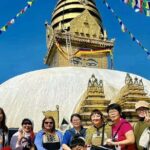
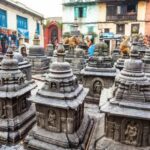
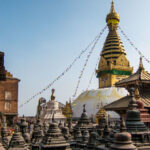
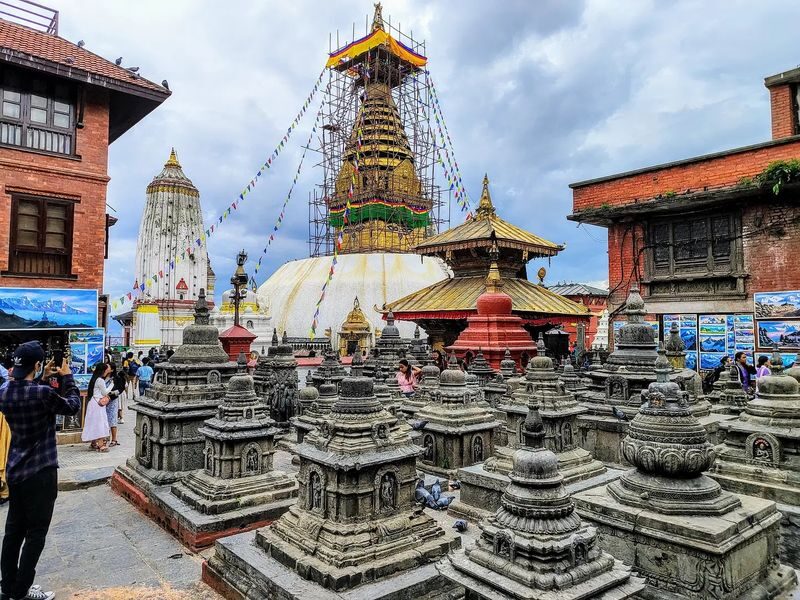
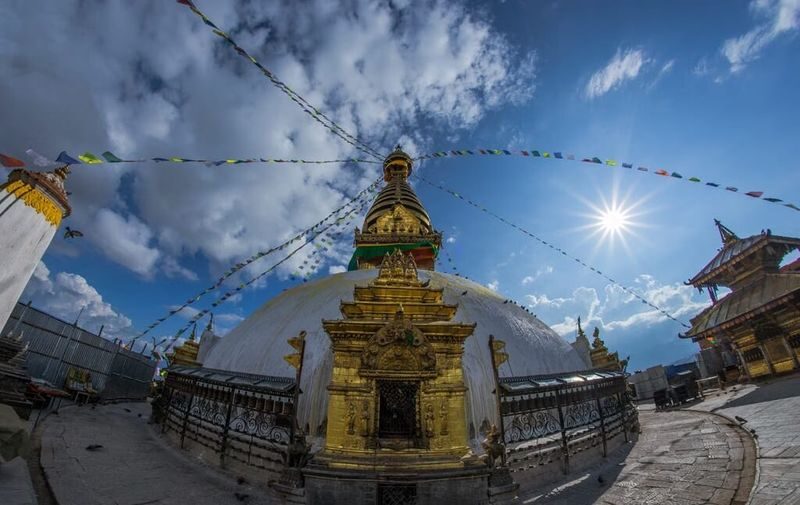
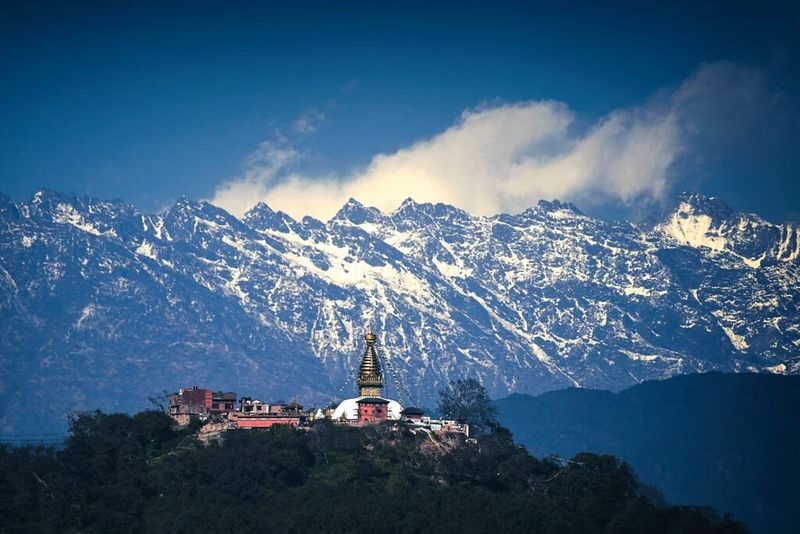
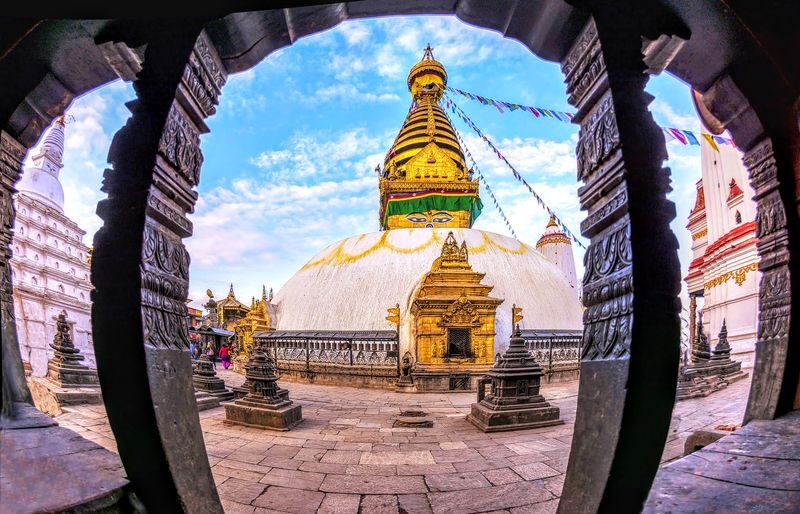
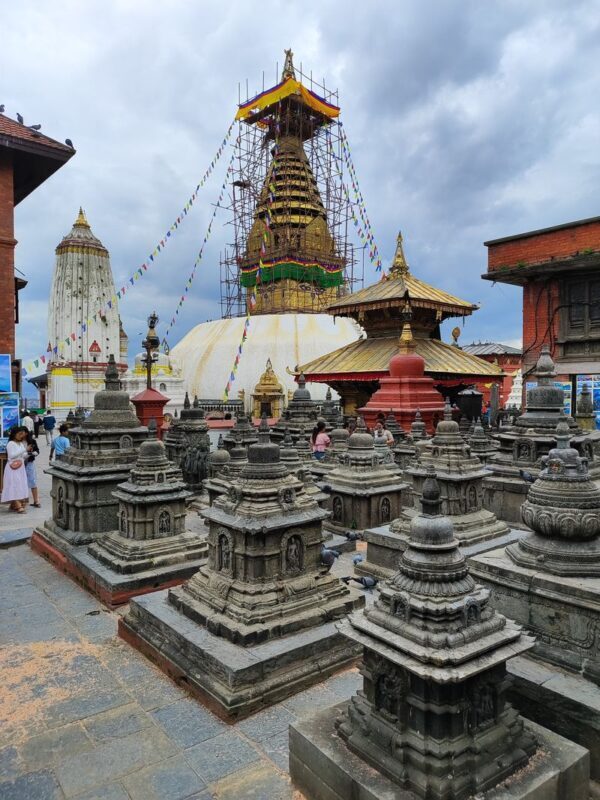
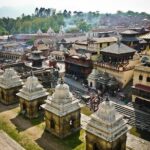
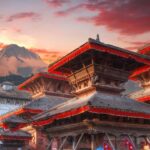
The central stop is Swayambhu Temple, with a scheduled visit of one hour and 20 minutes. Swayambhunath sits on a hilltop and is a sacred site of great antiquity. Its white dome and shimmering gold spire can be seen from many parts of the Kathmandu Valley, and the elevated setting gives you a wide view across the city.
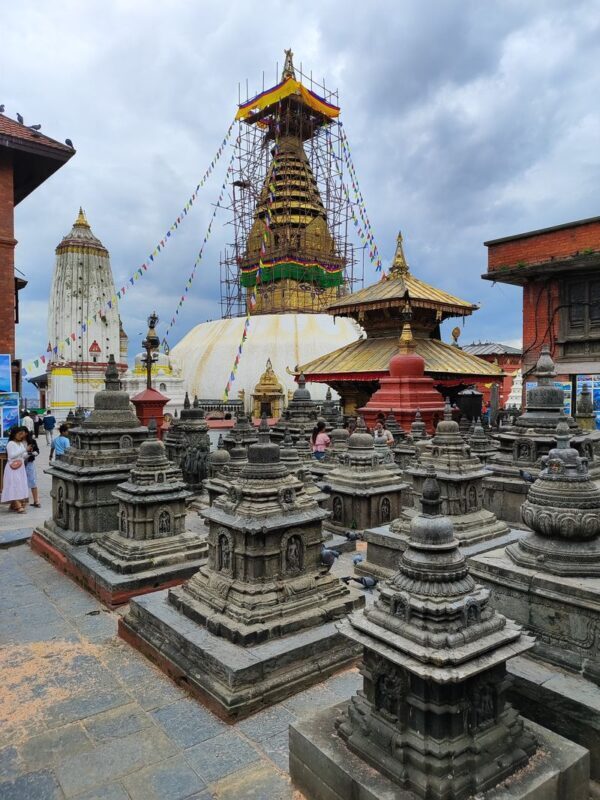
This is where the earlier walk pays off. You have already visited several shrines and heard about religious ideas that give the main site more context. A guide can help you notice details and smaller shrines that you might otherwise miss, and can explain Buddhist and Hindu concepts in relation to the place. Sandip is one guide named in a participant’s account, but you should not assume he will lead your departure.
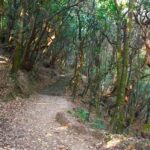
The time here is generous compared with the earlier temple stops, though it includes the realities of reaching and moving around a hilltop site. You will need to manage stairs and uneven walking as part of the tour. The admission fee is not included: budget NPR 200, roughly US$1.50, payable in cash at the entrance.
Swayambhunath is often called the Monkey Temple, but the religious site is the point of the visit. The tour’s name may bring the monkeys to mind, yet the supplied details do not promise a particular wildlife encounter. Focus on the stupa, the shrines, the guide’s explanations and the valley outlook rather than treating monkeys as the main attraction.



The Buddha Park and the return walk
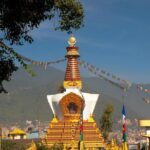
After the main temple, the route includes Swayambhu Buddha Park by the Ring Road, with 20 minutes scheduled there. This adds one more stop before the walk returns to Thamel. The tour is due to finish at Pumpernickel Bakery at noon.
The morning’s plan totals three hours, from 9 a.m. to 12 p.m. The tour notes that weather and traffic can change the schedule, so leave some flexibility if you have another appointment immediately afterward. Since this is a walking outing, the return is not described as a vehicle transfer.
What the price buys, and what it does not
The listed starting price is US$11.55, while the named three-hour package is shown from US$20.05. Those figures differ, so check the exact option and final price for your date before booking. The entrance fee is also separate, adding NPR 200 in cash at Swayambhunath.
For the package priced from US$20.05, the value is less about ticking off one famous monument and more about having an English-speaking professional guide connect several stops into a coherent walk. You get a route from central Thamel, visits to multiple temples, explanations of Hindu and Buddhist traditions, and time at the main stupa. If you would otherwise visit only Swayambhunath, the extra shrines and local context are the main reason to pay for a guided outing.
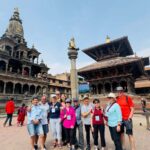
The four published ratings are all five stars, and the operator, ACE VISION TOURS & TREKS PVT. LTD., has a 100 percent good-review rate across 12 reviews. That is an encouraging record, though it is still a small pool. The most consistent praise is for the guide’s explanations, attentive manner and ability to make the stops more meaningful. One participant specifically described patient explanations from Sandip; another praised a guide’s organization and care for the group.
You do not need to treat those comments as a guarantee of a particular guide or personal experience. They do point to the tour’s strongest selling point: a good guide can make the route’s mix of shrines and religious ideas much easier to understand.
Who will get the most from this walk
I would choose this tour if you want to visit Swayambhunath but also want to understand the smaller temples and religious stories on the way. It suits curious visitors who enjoy walking, have no trouble with stairs and appreciate having an English-speaking guide to answer questions. It may be especially useful early in a Kathmandu stay, when some context about Buddhist and Hindu traditions can help you make sense of other sites around the city.
It is less suitable if you want a relaxed, step-free outing or prefer to spend a long time at one monument. The age limit is 10, and the amount of walking makes it a poor fit for anyone who cannot manage stairs comfortably. Wheelchair and stroller access are not available.
For a shorter or self-directed visit, you could compare it with other Kathmandu tours, including heritage-site walks and old-town tours. But if Swayambhunath is your priority and you want to reach it on foot with several temple stops along the way, this route offers a good balance of landmark, local shrines and explanation.
Should you book it?
Book this walk if you are comfortable with a three-hour outing on foot and want more than a quick visit to the stupa. Its best feature is the route itself: Thamel, riverside-area temples, the climb from Bhagwan Pau and a substantial visit to Swayambhunath. The guide’s cultural explanations are the added value, especially if you are new to the religious traditions you will encounter.
Skip it if stairs are a problem, you need accessible transport or you want to explore at your own pace. Before paying, confirm which price option you are selecting and remember to bring cash for the NPR 200 entrance fee.
Monkey Temple – SwayambhuNath Walking Tour
“Our tour guide was exceptional and made the entire trip unforgettable. He was knowledgeable, professional, and friendly throughout the journey. His…”
FAQ
How long is the Monkey Temple walking tour?
The tour is scheduled for three hours, from 9 a.m. to noon. Weather and traffic may affect the schedule.
Where does the tour start?
It starts at Pumpernickel Bakery on Paryatan Marg in central Thamel. The guide is due to arrive 15 minutes before departure with an Amazing Kathmandu Tours sign.
Where does the tour finish?
The planned return point is Pumpernickel Bakery, the same meeting point in Thamel.
What temples are included?
The route includes Shova Bhagwati Temple, Harati Ajima Temple and Swayambhu Temple. The walk also begins at Bhagwan Pau and includes Swayambhu Buddha Park by the Ring Road.
Is the Swayambhunath entrance fee included?
No. The entrance fee is NPR 200, approximately US$1.50, and must be paid in cash when entering the site.
How much walking and stair climbing is involved?
The tour involves considerable walking and stairs. It takes about 30 minutes to walk from the meeting point to Bhagwan Pau, where the main entrance stairway begins with 365 steps.
Is the tour suitable for children?
Participants must be at least 10 years old.
Is the tour wheelchair- or stroller-accessible?
No. The activity is not wheelchair- or stroller-accessible.
Can I cancel for a refund?
You can receive a full refund if you cancel at least 24 hours before the activity date, using the destination’s local time.