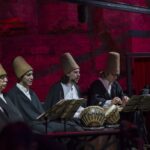
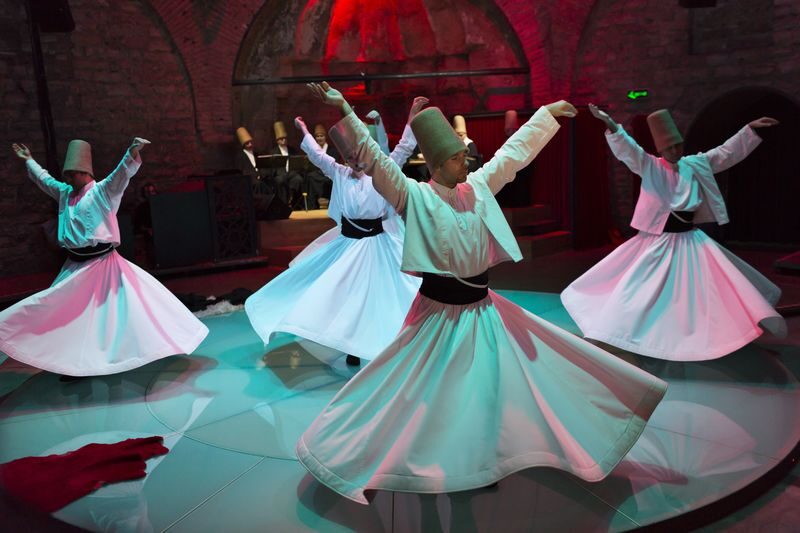
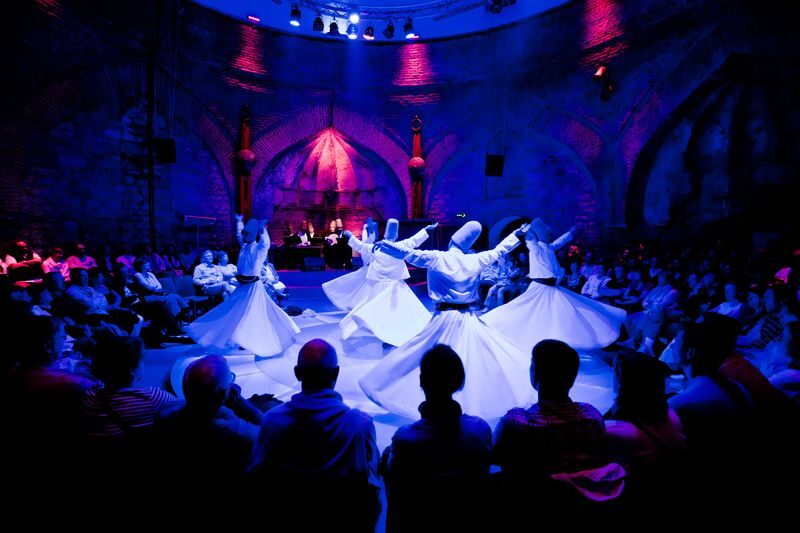
The Mevlevi Sema is not a dance show with a big finish. It is a spiritual ceremony, shaped by music, chanting, prayer, and the dervishes’ steady turns in white robes. At Hodjapasha, you see it in a restored 15th-century hammam, a setting that adds a sense of place before the ceremony even begins.
I like two things in particular: the intimate room, where the circular floor is close to the seats, and the context, with a program booklet and an exhibit area that help explain Sufism and the ritual. The main consideration is expectation: the mood is solemn and the pace can feel meditative, so this may not hold the attention of someone looking for lively stage entertainment.
- Key points before you book
- What the Sema ceremony asks of you
- Inside Hodjapasha’s old hammam
- What happens during the performance
- Why the setting and explanations matter
- Is the ticket worth .15?
- Getting there and planning your visit
- Who will appreciate this experience
- Should you book the Hodjapasha Sema?
- FAQ
- How long does the experience last?
- Where is the Hodjapasha Cultural Center?
- Are photos and videos allowed during the show?
- What is included with admission?
- Is the performance suitable for children?
- Is the venue wheelchair-accessible?
- Can I cancel or change my booking?
- The Best Of Istanbul!
- More Shows & Entertainment in Istanbul
- More Tours in Istanbul
- More Tour Reviews in Istanbul
- Not for you? Here's more nearby things to do in Istanbul we have reviewed
Key points before you book
 1 / 7
 2 / 7
 3 / 7
 4 / 7
 5 / 7
 6 / 7
 7 / 7
- A ceremony, not a conventional dance show: Expect a solemn performance of music, chanting, prayer, and whirling.
- A historic setting: Hodjapasha is a restored 15th-century hammam in Istanbul’s Fatih district.
- About an hour of performance: The overall activity is listed as 1 to 2 hours, so allow extra time for arrival and the venue.
- No photos or videos inside the hall: Plan to watch without a phone in hand.
- From $42.15: Admission includes the performance, a program booklet, and bottled water.
- Not suitable for everyone: The venue is not wheelchair- or stroller-accessible, and the activity is not recommended for some health conditions, pregnant women, or seniors.
👉 See our pick of the 25 Best Shopping Tours In Istanbul
What the Sema ceremony asks of you
At first, the scene may look simple: performers in white, traditional instruments, and a circular space. But the repetition is the point. The Mevlevi Sema is a ritual associated with the Mevlevi Order, and the turning represents a spiritual journey toward divine love. It is best approached as a religious and cultural practice, not as a choreographed show designed to keep a crowd cheering.
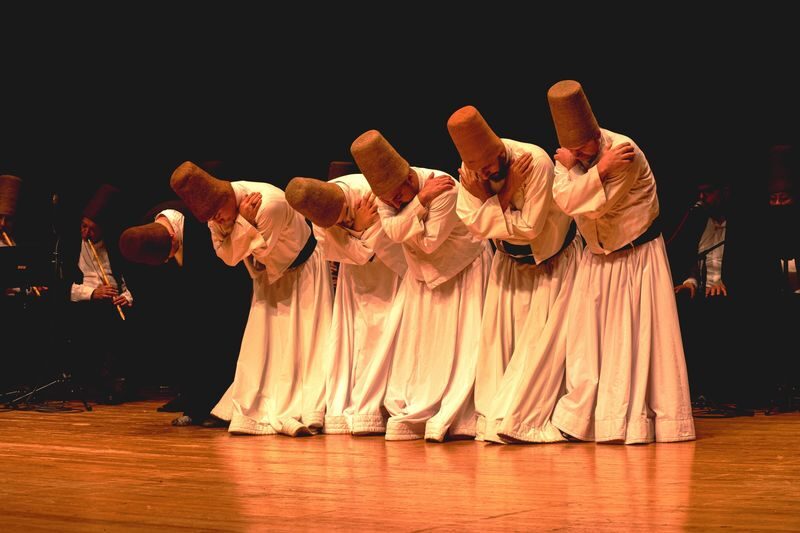
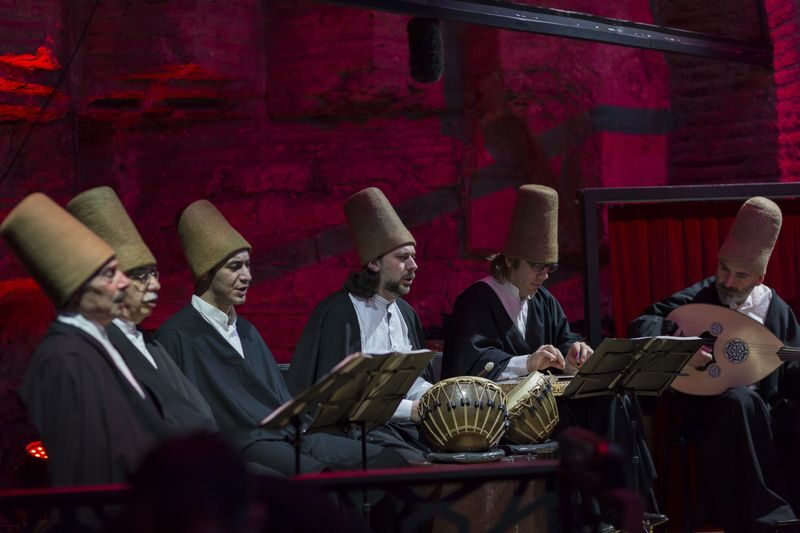
The performance combines live music, chanting, and the dervishes’ measured turns. The sound of flute and drums is especially memorable, and the rhythm may build from slow to faster movement. The atmosphere remains restrained. You are there to watch and listen, not to clap along or record a souvenir.
That quiet focus is part of the value, but it also explains why the experience can feel long to some people. If you enjoy music, ritual, and careful observation, the ceremony can be absorbing. If you need a changing visual spectacle every few minutes, you may find your attention wandering.
You can also read our reviews of more tours and experiences in Istanbul


Inside Hodjapasha’s old hammam
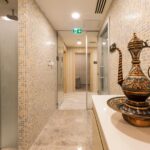
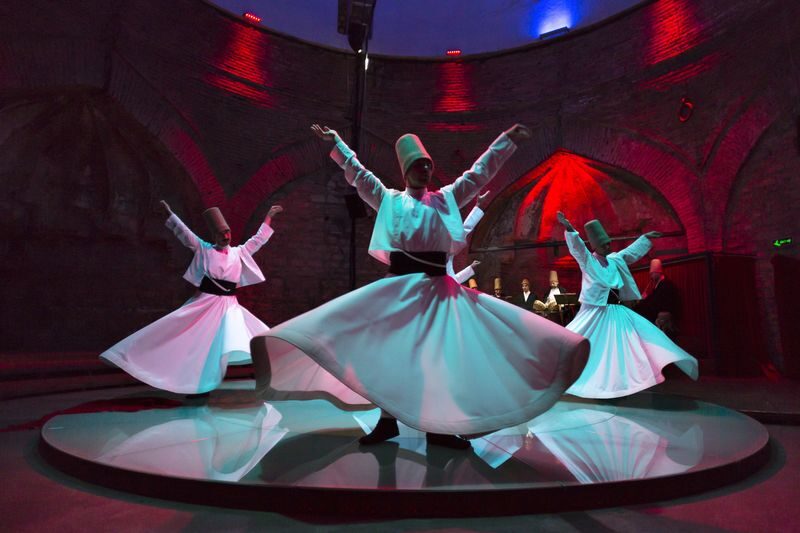
The venue is the Hodjapasha Cultural Center, at Hoca Pasa in Fatih. Its home is a beautifully restored 15th-century hammam, or Turkish bath, now used as a cultural space. You get more than a performance hall: the building itself offers a glimpse of Ottoman-era architecture and a sense of how historic spaces in Istanbul can take on new lives.
Before entering the main room, allow time to look at the displays and written explanations. The exhibit introduces the ceremony, Sufism, and items such as clothing and tools connected with the tradition. It is a useful primer, especially if you have not read about the Mevlevi before. The program booklet adds more background, though it helps to look through it before the music begins rather than trying to catch every explanation during the performance.
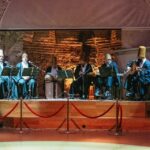
The hall is intimate, with seats arranged around a circular performance floor. That closeness makes it easier to see the performers than in a large theater. Seating may be assigned, so do not assume you can choose any open place once you enter. Arriving around 10 to 15 minutes early gives you a little breathing room, time to exchange your voucher for a physical ticket, and a chance to settle in.
What happens during the performance
The activity is listed as lasting 1 to 2 hours, while the ceremony itself is described as about an hour. Leave a little margin for arrival, ticket exchange, and finding your seat. Once the performance begins, expect an orderly sequence of traditional music, chanting, prayer, and the whirling ritual rather than a narrated tour or a series of separate dance numbers.
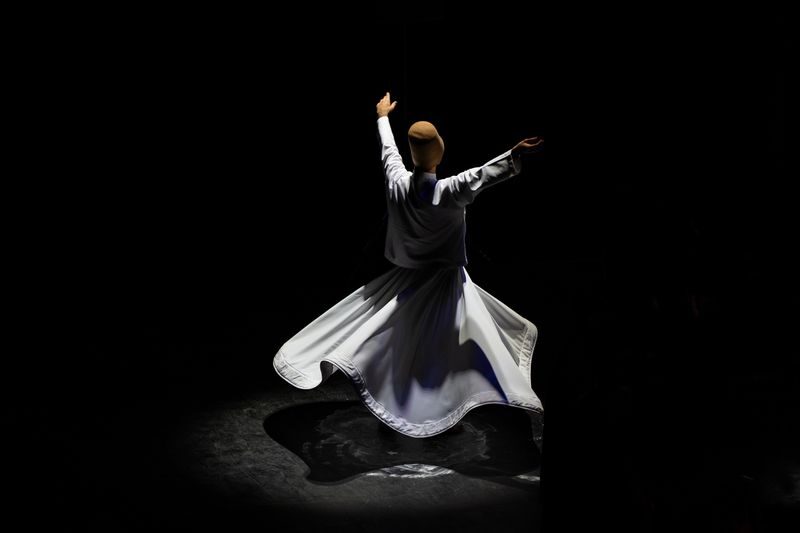
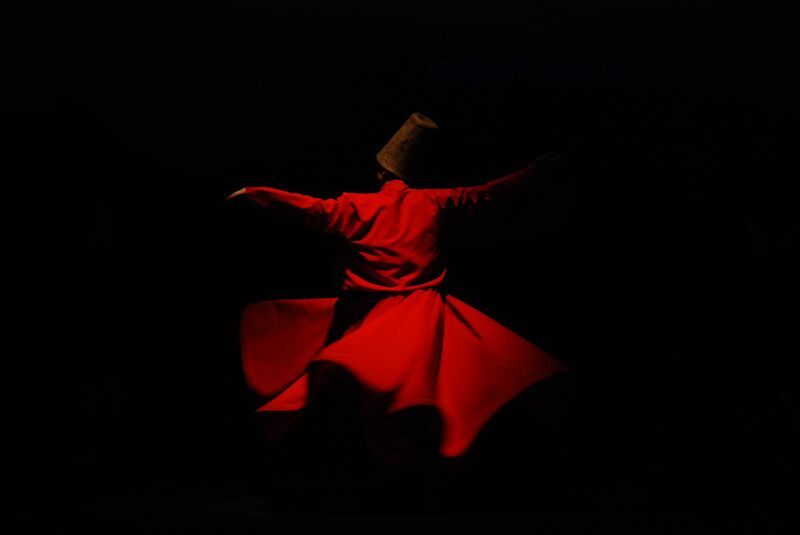
The dervishes wear white garments and turn in a controlled, repeated motion. Their stamina and concentration are striking, particularly as the movement continues around the circular floor. The traditional instruments and vocals give the ceremony its shape, while the repeated turning creates a meditative quality. The performance is often described as peaceful and hypnotic, but that calm is not the same as high-energy entertainment.
Some of the words and religious references may be difficult to follow if you do not understand the language. The booklet and venue displays help, but they cannot translate every lyric or explain every symbolic detail in real time. If you want a clearer understanding, read the introductory material before the show and keep the ceremony’s religious purpose in mind as you watch.
You may also notice that audience behavior is more restrained than at a typical performance. Photos and videos are prohibited, and the room is meant for quiet attention. Some accounts describe no applause during the ceremony, so take your cues from the venue staff and the performers rather than treating it like a regular stage show.
Why the setting and explanations matter
The building and the ceremony work well together. Hodjapasha’s historic hammam is not just a convenient indoor venue; it gives the evening a physical connection to Istanbul’s past. The small exhibit helps bridge the gap between seeing a striking movement and understanding why it matters to the people who practice it.
That context is important because the whirling can be misunderstood as a trick or a dance challenge. The ritual has a spiritual purpose, and the performers’ focus is central to what you are watching. A little preparation makes the experience more meaningful: learn the basic idea behind the Sema, glance through the booklet, and arrive ready to listen.
Still, the interpretation has limits. If you want detailed English translations of devotional poetry throughout the ceremony, that is not guaranteed. The program material provides an introduction, but it may not answer every question. This is a good cultural encounter, not a full lecture on Sufism.
Is the ticket worth $42.15?
The advertised price starts at $42.15. Admission includes the live performance, a program booklet, and bottled water. For that price, the value rests on the ceremony and the historic venue, not on a long list of extras. You are paying for a distinctive cultural experience that takes about an hour, with useful background material and an intimate view of the performers.
It is a better value if this is your first time seeing a Mevlevi Sema and you have a genuine interest in Turkish or Sufi traditions. If your schedule is tight and you are considering the show only because it is a famous Istanbul activity, ask yourself whether a quiet ritual suits your interests. One visitor found the price too high for an experience that did not merit a special trip, a fair warning if you are not drawn to this kind of performance.
There are Prime-time and Happy-hour entry tickets, along with package options that pair the ceremony with a yacht cruise, Dolmabahce Palace, or a Turkish dance show. The details provided for those combinations focus on admission to the Sema, so check exactly what each package includes before choosing one. Do not assume that an add-on ticket means every attraction is covered in the same way or on the same schedule.


Getting there and planning your visit
The address is Hoca Pasa Mahallesi Ankara Caddesi, Hocapasa Hamamı Sk. No:3 D:B, in Fatih. Sirkeci Metro Station is the listed metro stop. The venue is set in an alley, so follow the map carefully rather than relying only on the main street address. It is generally easy to find once you are nearby, but leaving a few extra minutes helps.
The voucher is valid only on the date and time you select. On arrival, present it and exchange it for a physical ticket. Booking is available for the same day, with instant confirmation. If plans change, cancellation is free with at least 24 hours’ notice, and amendments made at least 24 hours before the activity are free.
Opening information lists last admission times of 16:50 and 18:50, but does not clearly match each time to a particular performance. Confirm the time attached to your selected ticket and arrive early. The experience does not allow re-entry after you leave, so take care of anything you need before going inside.
No photography or video is allowed in the hall. Dangerous or disruptive items are prohibited, pets are not permitted except service animals with valid identification, and anyone who appears intoxicated may be refused entry without a refund. Infants and children must be included in the passenger headcount.
There are also important access and health limits. The venue is not wheelchair- or stroller-accessible. The activity is not recommended for people with conditions such as high blood pressure or epilepsy, pregnant women, or seniors. The performance’s quiet, repetitive form may also be a poor fit for young children who need frequent movement or stimulation.
Who will appreciate this experience
I would put this ceremony high on the list for anyone curious about Turkish religious culture, Sufism, or traditional music. It also suits visitors who value atmosphere and ritual more than spectacle. The historic venue, explanatory displays, and close seating make the experience easier to approach than a performance with no context.
It may not be the right choice for children with short attention spans, or for anyone expecting fast-paced folk dancing. Even adults who are interested may find the calm music and repetitive movement soothing enough to nod off. That is not a flaw in the ceremony; it is a useful clue about its pace.
Plan to be present rather than to document the evening. Since you cannot take photos or videos, the best preparation is to learn a little beforehand, read the booklet, and pay attention to the sounds and patterns. If you need a photo from your Istanbul evening, this is not the place to take it.
Should you book the Hodjapasha Sema?
Book it if you want a close look at a spiritual tradition and are comfortable with a solemn, measured performance. The strongest reasons to go are the live traditional music, the focus and skill of the dervishes, and the chance to see the ceremony in a restored historic hammam. The booklet and exhibits add helpful context without turning the evening into a lecture.
Skip it if you want a lively dance show, a performance with audience interaction, or a place where you can take photos. At a starting price of $42.15, it is most worthwhile when the Sema itself interests you. Arrive early, read the introduction, and let the ceremony set its own pace.
Mevlevi Sema and the Whirling Dervishes Show in Istanbul
“My wife and I attended the 7 PM Whirling Dervish show at Hodjapasha. 🇹🇷❤️ As Muslims, we found it fascinating to witness the Sufi tradition and the…”
FAQ
How long does the experience last?
The activity is listed as 1 to 2 hours. The performance itself is described as about an hour, so allow extra time for arrival, ticket exchange, and seating.
Where is the Hodjapasha Cultural Center?
It is at Hoca Pasa, Hoca Pasa Mahallesi Ankara Caddesi, Hocapasa Hamamı Sk. No:3 D:B, 34110 Fatih, Istanbul. Sirkeci Metro Station is the listed metro stop.
Are photos and videos allowed during the show?
No. Photography and video recording are not allowed inside the hall.
What is included with admission?
Admission includes entry to the attraction, the live performance, a program booklet, and bottled drinking water. Tips and gratuities are not included.
Is the performance suitable for children?
Children must be included in the passenger headcount. The performance is quiet and repetitive, so it may not suit children who have difficulty sitting through a calm ceremony.
Is the venue wheelchair-accessible?
No. The activity is not wheelchair- or stroller-accessible.
Can I cancel or change my booking?
You can cancel for a full refund if you do so at least 24 hours before the activity date, based on local time. Changes made at least 24 hours before the activity are free.