Chiang Mai’s best cooking lesson may begin before you pick up a knife. At Mama Noi, you visit a local market, see herbs and chilies growing in the school garden, then cook a menu you choose yourself. It is an approachable way to connect familiar dishes such as green curry and Pad Thai with the ingredients behind them.
I like two things in particular: you choose what to cook, so you can focus on dishes you actually want to make, and the market-and-garden stops give the class a useful local-food context. Instructors such as Mai, Satang, Tan, Nook and Beauty have been praised for patient, lively teaching, though which teacher you get depends on the session.
One consideration: this is a friendly introduction, not an advanced culinary course. The pace can feel brisk, and pickup or group timing may run late. The regular kitchen is open-air; an air-conditioned option costs more and may suit you better in hot weather.
- Start with ingredients, not recipes: Explore a local market and Mama Noi’s herb garden before cooking.
- Build a menu around your tastes: Choose three dishes from stir-fry, soup and curry options.
- Expect a practical first lesson: Ingredients are prepared for you, and instructors guide you step by step.
- Make room for a full meal: Tea, fruit, snacks, water and mango sticky rice are included.
- Choose your kitchen and transport: Regular or air-conditioned venue options are available, with transfers or self-arrival.
- Plan for a half-day outing: Morning and afternoon sessions run on set schedules, with some variation possible.
- From the Market to Mama Noi’s Garden
- Cooking Three Dishes, One Step at a Time
- Open-Air Cooking or Air-Conditioned Comfort
- Timing, Transfers and the Half-Day Plan
- What the Price Includes, and Who Gets Good Value
- Small Drawbacks Worth Knowing Before You Book
- Should You Book Mama Noi?
- FAQ
- How long does the Mama Noi cooking class take?
- What dishes can I choose to cook?
- Are drinks and dessert included?
- Is the class suitable for beginners?
- Is the cooking area air-conditioned?
- Is hotel pickup included?
- Can children take part in the cooking?
- Can I attend without cooking?
- The Best Of Chiang Mai!
- More Tours in Chiang Mai
- More Tour Reviews in Chiang Mai
- Not for you? Here's more nearby things to do in Chiang Mai we have reviewed
From the Market to Mama Noi’s Garden
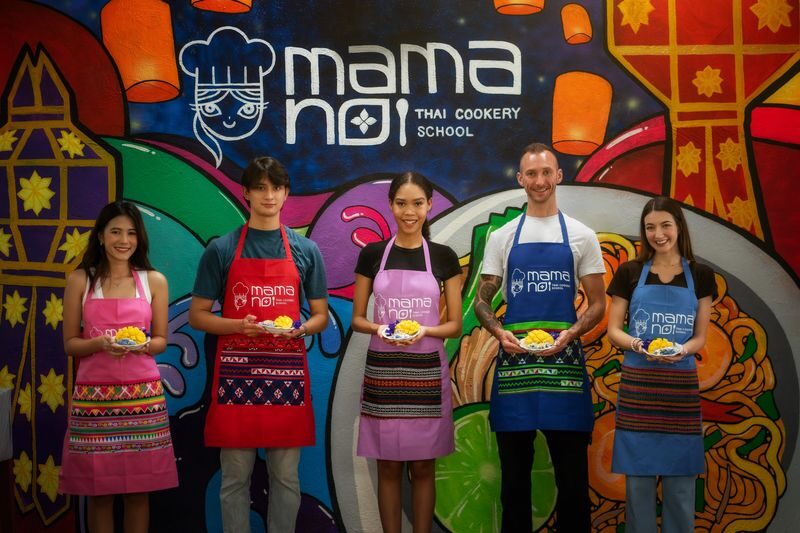
The class starts with a market visit, an appealing way to meet the ingredients before they appear in a pan. Your guide can explain Thai herbs and common cooking items, helping you recognize the difference between ingredients that may look unfamiliar or similar. The visit is a short introduction, not a long market-shopping expedition.
The market itself is part of the experience, but it may not be everyone’s favorite stop. One account describes it as small and notes that seafood smells can be strong. If you have a sensitive nose, keep the visit in perspective: the point is to learn what goes into Thai cooking, not to spend hours browsing.
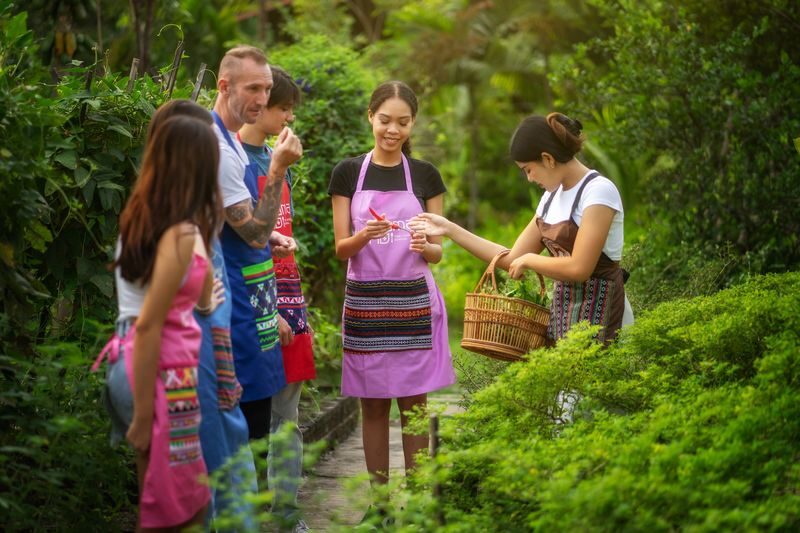
After the market, you visit the school’s organic herb garden. It is a small working garden rather than a grand farm, but that can make the lesson more useful. You can see and smell some of the herbs and chilies used in the dishes, and connect them with the flavors you will soon be cooking.
This ingredient-focused start is one of the class’s best features. Thai food can balance heat, sourness, sweetness and aromatic herbs in a way that is hard to understand from a menu alone. Seeing the raw ingredients gives you a clearer idea of what creates those flavors. There may also be tortoises by the garden, which can be a pleasant surprise if you are visiting with children.

👉 See our pick of the 25 Best Shopping Tours In Chiang Mai
Cooking Three Dishes, One Step at a Time
Once you reach the school, you select dishes from three categories: stir-fried dishes, soups and curries. Options include Pad Thai, Thai basil chicken, chicken with cashew nuts, chicken in coconut milk, hot and sour prawn soup, green curry, Massaman curry and Khao soi curry. The menu can change with seasonal availability, so do not count on every dish being offered on your date.
The format is hands-on, but designed for beginners. Ingredients are prepared in advance, and your instructor explains the steps as you cook. You are not expected to arrive with knife skills or restaurant experience. Much of the work is assembling ingredients and following instructions at your station, with help available if you get stuck.
That makes the experience easy to join, but it also sets the right expectations. You will learn the basic method and get a feel for how the ingredients work together. You should not expect an advanced lesson in technique, or a deep course in regional Thai cooking. If you already cook often, the fun is more likely to come from the setting, the menu and the chance to eat what you make.
The teaching style seems to be a real strength. Instructors named by participants include Mai, Satang, Tan, Nook, Beauty, Tida, Ray, Pam and Loina. These are not guaranteed assignments, but the class is set up for clear, step-by-step guidance. Several instructors have been singled out for patience and energy, useful qualities when a dozen cooks are working through several dishes at once.
You also get to tailor the meal to your interests. Choose green curry if it is the dish you most want to make at home, or pick a soup or stir-fry you have ordered in restaurants but never tried cooking yourself. If you are unsure, ask the instructor what is most suitable for a beginner and what ingredients you are likely to find back home.
The included menu information specifies three dishes, one from each category. Thai tea or Thai lemon tea and mango sticky rice are also listed, alongside fruit, snacks and drinking water. The exact sequence and serving arrangement can vary, but plan to eat a substantial amount. Go with an appetite, and consider bringing a food container if you would like to save leftovers. One practical note: cooking fumes can build up, even in an otherwise comfortable room.
You can also read our reviews of more tours and experiences in Chiang Mai.

Open-Air Cooking or Air-Conditioned Comfort
The regular venue is an open-air kitchen, with fans. That setting fits the informal, garden-based feel of the class, and some participants found it comfortable even in warm weather. But cooking beside hot burners can make the heat more noticeable, especially in the afternoon or during hotter months.
For an additional fee, you can select an air-conditioned venue. Prices supplied for the standard adult package start at $26.49 for the regular venue and $37.19 for air conditioning. If you know you struggle with heat, the upgrade may be money well spent, particularly since you will be preparing food and sitting down to eat it afterward. The air-conditioned room has also been described as spacious and comfortable.
Air conditioning is not a guarantee of a cooler ride. The transfer vehicle may not have air conditioning, so bring water and dress for Chiang Mai’s climate. Cooking fumes can still be noticeable indoors, too. Think of the upgrade as relief during preparation and the meal, not a promise of a perfectly cool experience from hotel pickup to drop-off.
There are English- and Chinese-language options. Choose the language that lets you follow the cooking instructions comfortably. If you are considering an English class because you have heard that an instructor may also speak Chinese, treat that as a bonus rather than a substitute for booking the language you want.
Timing, Transfers and the Half-Day Plan
The experience is advertised as three hours, while the class schedules are listed as 09:00 to 13:00 and 15:30 to 19:30. The itinerary also allows roughly three and a half hours for the guided portion. In practice, set aside most of a half day and confirm the details for your chosen package. Market visits, shared pickup and group delays can affect the timing.
Round-trip hotel transfers are included in some packages. Pickup is for hotels and nearby areas in Chiang Mai, but the stated coverage details vary, with different distances given in the booking information. Enter your hotel address when you book and confirm that it is within the operator’s service area. Shared pickup can be early or late, so be ready in the lobby ten minutes ahead of your confirmed time.
The school also offers options without transfer, including meeting at the venue. The location can be tricky to find, so transport arranged through the school is recommended if you are unfamiliar with the area. If you travel independently, use the address provided for your booking and arrive at the stated time. Do not rely on an approximate map pin without checking the details.
Timing is the main practical risk. Some sessions run smoothly, but a late vehicle or a delayed group can eat into the schedule. The market visit may also feel rushed if the group needs to stay together. Keep your plans after class flexible, especially if you have a meal reservation or another timed activity.
What the Price Includes, and Who Gets Good Value
At $26.49, the regular adult package is competitively priced for a half-day activity that combines transport, a market visit, a garden stop, instruction, ingredients and a meal. It also includes a recipe book, fruit, snacks, drinking water and the listed tea and dessert. The value is not just the food: you get a guided introduction to ingredients and a practical lesson you can use again at home.
The price rises to $37.19 for the air-conditioned venue. That is a meaningful difference, but may be worthwhile if comfort matters more to you than saving the extra amount. Package prices also vary by language, venue and transport arrangement, so compare the exact options at checkout rather than assuming every package includes the same setup.
The lesson is particularly good value for first-time cooks, couples, families with older children and solo visitors who enjoy group activities. Solo participation is allowed in the adult packages, and the shared format can make it easy to meet people from other countries. Families with teenagers may find it a satisfying activity because everyone can choose dishes and eat together afterward.
Children have strict booking rules. Children under 10 do not take part in cooking and must be booked as visitors; children aged 10 and above must book as students at the adult rate. The information also describes children aged 3 to 9 or under 120 centimeters as eligible for the visitor option. Every person attending must be included in the booking, and visitors must be supervised by a parent or guardian. Check the current age and height rules before paying, as the details should be confirmed for your group.
A visitor who does not cook can observe and receive one prepared dish of their choice from the listed options. The number of students must exceed the number of visitors, and unbooked people cannot wait at the school. This is important for family groups: do not assume a non-cooking companion can simply come along without a confirmed place.
Small Drawbacks Worth Knowing Before You Book
The class is built for a group, and it can feel organized and efficient rather than intimate. That helps keep the session moving, but the pace may leave little time to linger over each dish or finish every serving at the table. If the meal runs tight, you may need to take some food away.
The regular kitchen’s open-air arrangement is part of its charm, but it means heat, mosquitoes or cooking fumes may be more noticeable. The air-conditioned option is the sensible pick if those issues would spoil the experience for you. On the other hand, the regular venue can be perfectly comfortable with a fan, depending on the weather and where you sit.
Finally, the lesson is basic by design. You will learn to make several Thai favorites, but much of the prep is done before you arrive. That keeps the class accessible and lets you focus on cooking, though anyone hoping to master advanced techniques or spend hours preparing ingredients may want a more intensive course.


Should You Book Mama Noi?
I would book Mama Noi if you want an easygoing introduction to Thai cooking that adds a market and herb garden to the meal. The choice of dishes, practical instruction and inclusive food make it a good half-day activity for beginners, couples, families with children old enough to cook, and solo visitors who like meeting people.
Choose the air-conditioned room if comfort in the heat matters to you, and arrange the school’s transfer if you are unsure how to find the venue. Go hungry, keep your post-class schedule loose, and treat the lesson as an enjoyable first step into Thai food rather than a professional cooking course. If those expectations fit, it offers a useful and tasty way to spend part of your Chiang Mai stay.
Mama Noi Thai Cookery School Chiang Mai
“The itinerary was so compact and fulfilling! First, we went to the market where the instructor explained Thai herbs and ingredients, then we visite…”
FAQ
How long does the Mama Noi cooking class take?
The activity is described as three hours, but the listed class windows are 09:00 to 13:00 and 15:30 to 19:30. Allow most of a half day and confirm the schedule for your package.
What dishes can I choose to cook?
You choose three dishes from stir-fry, soup and curry categories. Options include Pad Thai, Thai basil chicken, chicken in coconut milk, hot and sour prawn soup, green curry, Massaman curry and Khao soi curry. Availability can change by season.
Are drinks and dessert included?
The package includes Thai tea or Thai lemon tea, and mango sticky rice is listed as the dessert. Fruit, snacks and drinking water are also included.
Is the class suitable for beginners?
Yes. The class is open to all experience levels, and the instructor gives step-by-step guidance. Ingredients are prepared in advance, so you do not need prior cooking skills.
Is the cooking area air-conditioned?
You can choose a regular open-air venue or an air-conditioned venue. The air-conditioned package costs more. The transfer vehicle may not be air-conditioned.
Is hotel pickup included?
Round-trip transfers are included in some package options. Pickup is available from hotels and nearby locations in Chiang Mai, but coverage details vary. Provide your hotel address when booking and confirm that pickup is available there.
Can children take part in the cooking?
Children under 10 are visitors and do not participate in cooking. Children aged 10 and above must book as students at the adult rate. All children and visitors must be included in the booking in advance.
Can I attend without cooking?
Yes. A visitor option is available for someone who wants to observe and receive one prepared dish. Visitors must be booked in advance, and the number of students must be greater than the number of visitors.