El Escorial’s royal tombs bring Spain’s past into sharp focus: you pass from Felipe II’s grand Renaissance monastery to the enormous basilica at the Valley of the Fallen, a Civil War memorial set into a mountain. It is a compact way to see two weighty chapters of Spanish history beyond Madrid.
I like the contrast between the monastery’s art, halls, and royal mausoleum and the monumental scale of the Valley of the Fallen. I also like that the bus, admissions, headphones, and guide are included, so you can focus on the places rather than arranging separate transport.
The main consideration is the walking and stairs, which can make this a tiring half-day if mobility is limited. The meeting details also list two Madrid pickup points at different times, so check your voucher carefully rather than assuming both are separate departures.
- At a glance
- Leaving Madrid for the mountain monuments
- El Escorial: royal power in stone
- The Valley of the Fallen: scale, silence, and memory
- What the price covers, and what it does not
- Who will get the most from this outing
- A few practical details before you book
- Should you book the El Escorial and Valley of the Fallen tour?
- FAQ
- How long is the tour?
- Where does the tour depart from?
- How early should I arrive?
- What is included in the price?
- Are meals and drinks included?
- Is the tour suitable for children?
- Is the tour wheelchair-accessible?
- What should I bring and wear?
- What is the cancellation policy?
- More Tours in San Lorenzo De El Escorial
- More Tour Reviews in San Lorenzo De El Escorial
- Not for you? Here's more nearby things to do in San Lorenzo De El Escorial we have reviewed
At a glance
 1 / 8
 2 / 8
 3 / 8
 4 / 8
 5 / 8
 6 / 8
 7 / 8
 8 / 8
- Two very different monuments: El Escorial is a Renaissance monastery and royal site; the Valley of the Fallen is a vast basilica carved into a mountainside.
- A five-hour outing from Madrid: Round-trip bus transport and admission to both sites are included.
- A small-group format: The stated group size is one to 15 participants.
- A guide adds context: Tours are in English or Spanish, with headphones provided.
- Expect stairs and walking: Wear comfortable shoes and bring water, a hat, and sunscreen.
- Confirm your pickup point: The listed options show different departure and return times.
Leaving Madrid for the mountain monuments
This half-day trip takes you from central Madrid to San Lorenzo de El Escorial and the nearby Valley of the Fallen. The excursion lasts about five hours, with a morning departure and an expected return around 14:00 or 14:30, depending on the meeting point. Traffic and weather can affect the schedule, so avoid planning a tight appointment straight after the tour.
The listed departure points are Fun and Tickets Tours Main Office at C. Mayor, 43, with an 08:15 departure, and Fun and Tickets at C. de San Bernardo, 7, with an 08:45 time. The return points are listed at 14:00 and 14:30, respectively. Since the schedule can be confusing, use the location and time on your booking confirmation as your guide, and arrive 15 minutes early.
Round-trip transport is by air-conditioned bus with WiFi. The ride gives you a chance to rest between the city and the mountain sites, and headphones help you follow the guide during the visit. You do not need to arrange entrance tickets separately, since admission to both monuments is included.
The group size is listed as one to 15 participants, a useful detail for anyone who prefers a tour that does not feel like a large coach outing once everyone reaches the sights. A guide may also provide context on places passed on the drive. One guide, Rafa, was especially praised for sharing information along the way and offering practical tips for Madrid. Guides can vary, of course, and the tour is offered in English or Spanish.
You can also read our reviews of more tours and experiences in San Lorenzo De El Escorial.


El Escorial: royal power in stone
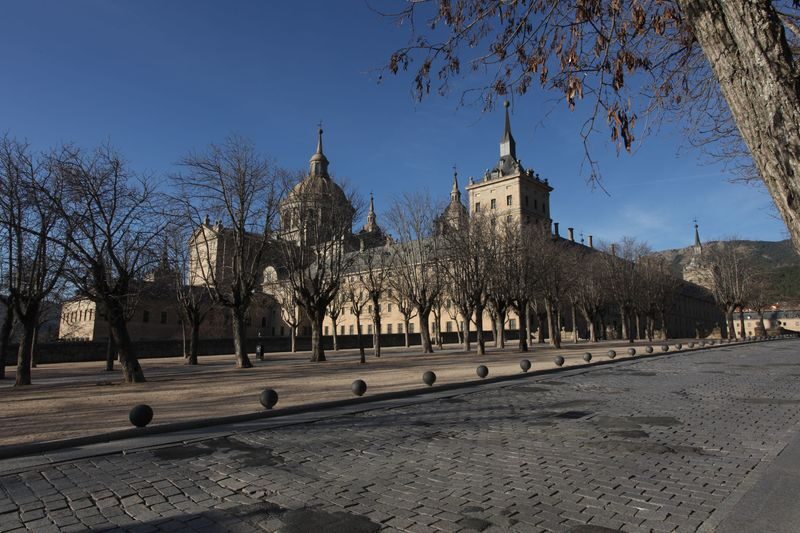
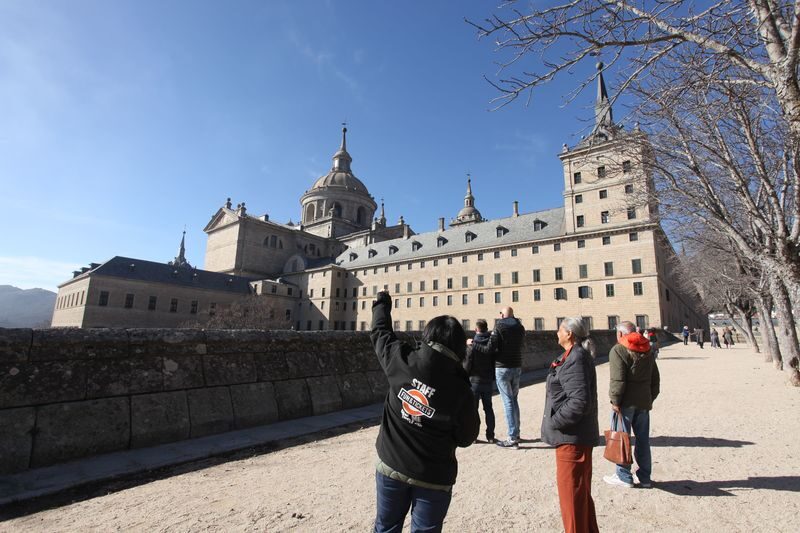
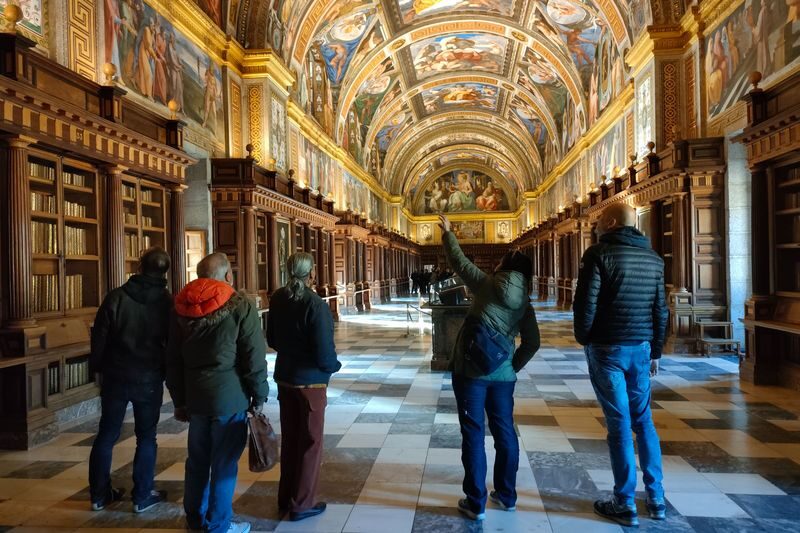
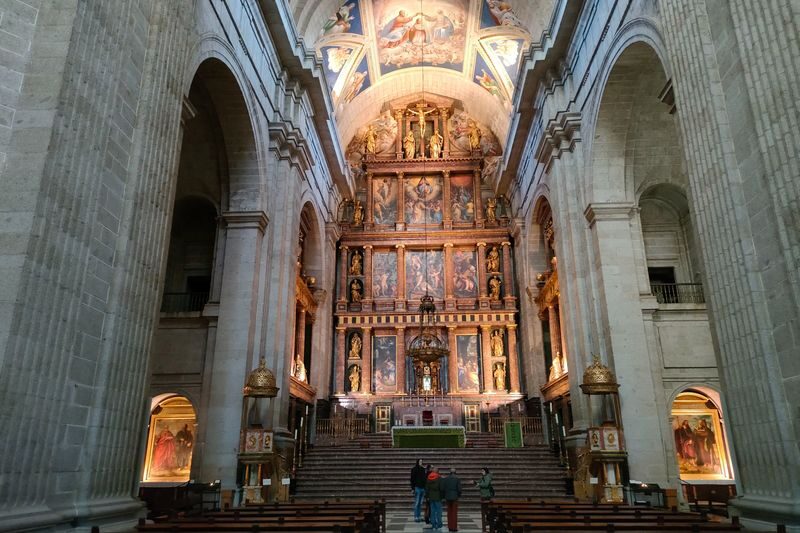
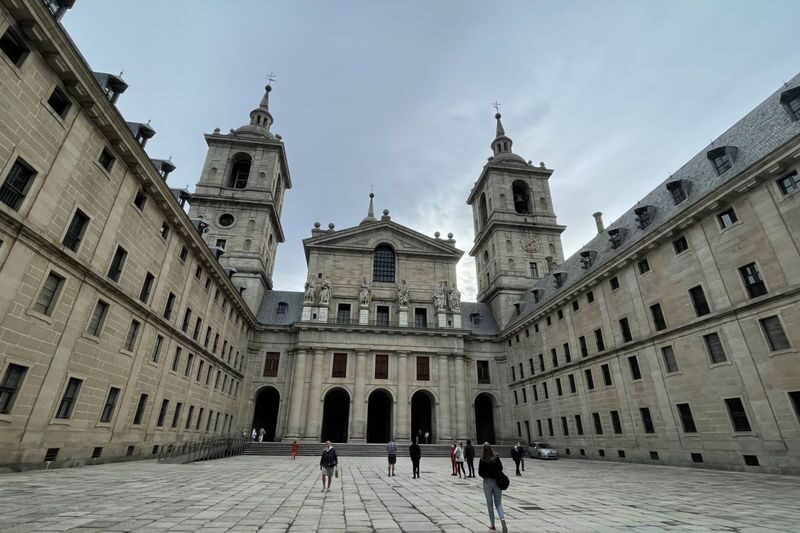
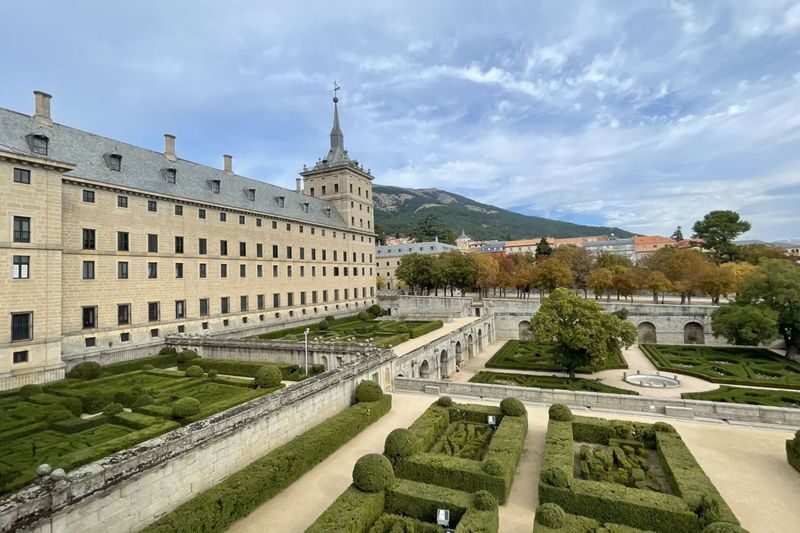
The Monastery of San Lorenzo de El Escorial is the tour’s clearest window onto Spain’s Golden Age. Built during Felipe II’s reign, it is a UNESCO World Heritage Site and a major example of Renaissance architecture. Its scale is striking, but the appeal is not only the size: the complex brings together grand halls, artworks, and a royal mausoleum.
Give yourself time to take in the change of mood as you move through the monastery. Its broad, formal spaces speak to royal power, while the art and tombs make the history more personal. The visit includes the tomb of kings and queens, a memorable stop that some people find solemn and intense. Photography is not allowed in that room, so keep your phone away and take in the space with your eyes.
The monastery is large, and the visit involves stairs and a considerable amount of walking. Comfortable walking shoes are more than a nice extra here. If you have trouble with stairs or need to limit time on your feet, this may not be the right outing: the activity is not wheelchair-accessible, even though it is described as stroller-friendly.
The guide can help connect the building to Spain’s wider story, from Felipe II’s reign toward the country’s modern democracy. That context matters because the monastery is more than an architectural stop. It is a royal monument, a place of burial, and a symbol of the political and religious power of its era.
The Valley of the Fallen: scale, silence, and memory
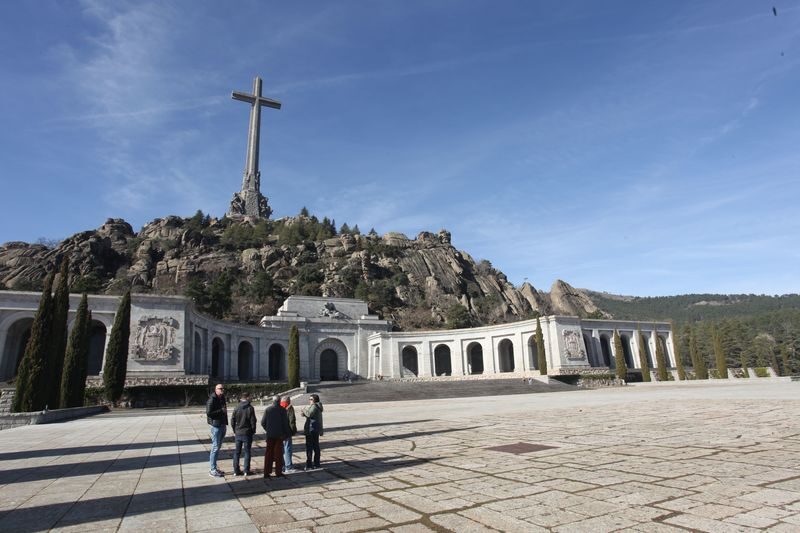
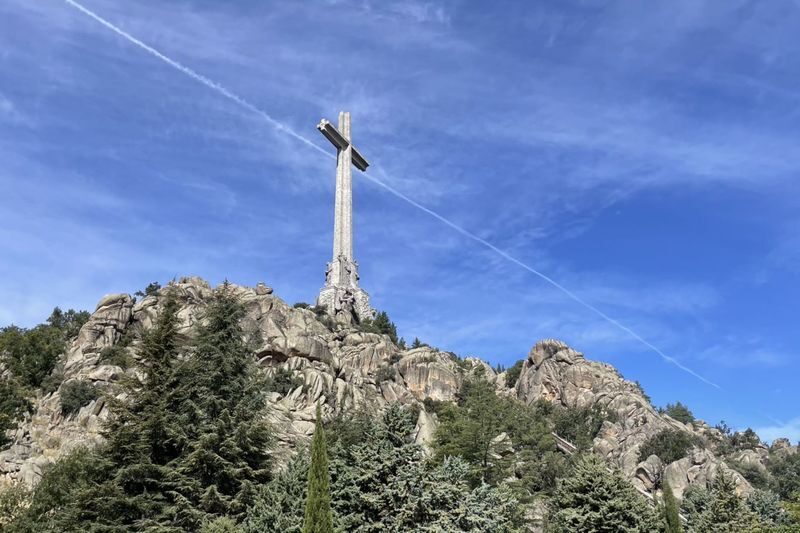
The second stop shifts the tone. The Valley of the Fallen is home to a monumental basilica carved into the mountainside and dedicated to those who died in the Spanish Civil War. Its scale can be hard to grasp from a description alone: the space feels immense, and the stillness makes small sounds seem to carry.
The site is also a reminder that Spain’s past is not a simple sequence of royal dates and impressive buildings. This monument is tied to a painful and complicated period. The tour frames the visit as part of a broader journey through Spain’s history, including the path toward modern democracy. You can appreciate the architecture while also recognizing the difficult memory it represents.
The mountain setting gives this stop a very different character from El Escorial. The monastery is made up of halls, art, and royal spaces; here, the defining impression is the basilica’s monumental interior and its place within the mountain. If you are interested in architecture, history, or how nations remember conflict, the contrast makes the two stops work well together.
The schedule allows only a half-day for both sites, so expect a guided visit rather than an unhurried day to explore every corner. The benefit is efficiency: you see two significant places without spending time arranging transportation between them. The trade-off is a brisk pace, especially if the group needs to keep to its return time.
What the price covers, and what it does not
The tour is listed at prices from $57.15 for the Join-In Tour, while the summary price is shown from $65.70. Prices can vary, so check the amount shown for your chosen date and package before booking. The useful question is what you get for the fare: bus transport to and from Madrid, admission to both sites, an English- or Spanish-speaking guide, headphones, and an air-conditioned bus with WiFi.
That package can be good value if you want to visit both monuments in one morning without planning the route or buying separate admissions. The value is particularly clear for visitors who would rather have a guide explain the sites than walk through them alone. If you prefer to spend as long as you like at each place, a scheduled group tour may feel restrictive.
Meals, drinks, hotel pickup and drop-off, tips, and personal expenses are not included. Bring water and a snack if you need one, and do not expect the bus to collect you at your hotel. The stated meeting points are in central Madrid.
Who will get the most from this outing
This tour suits you if you have already seen some of Madrid and want to add a significant historical excursion without giving up a full day. It also works well if you value having transport, tickets, and a guide bundled together. Families can bring children, but infants and children must be included in the passenger headcount. Children aged 0 to 6 are free, while those aged 16 and older pay the adult rate.
It is less suited to anyone who cannot manage a good deal of walking or stairs. The activity is not wheelchair-accessible, and the monastery’s size makes comfortable shoes essential. Bring a water bottle, sunscreen, and a cap or hat, and dress for the day’s weather. Strollers are allowed, but that does not remove the challenges posed by stairs.
The subject matter may also influence your decision. El Escorial offers royal architecture and burial spaces; the Valley of the Fallen is a monument to Civil War dead. If you want a light, purely scenic escape, the Valley’s solemn purpose may not match your mood. If you want a thoughtful look at Spain’s past, the contrast is part of the point.


A few practical details before you book
Use the mobile voucher for entry and check the specified date and time, since the voucher is valid only for that booking. Confirmation should arrive within minutes; if it does not, contact customer support.
Pay close attention to the pickup instructions. The two listed Madrid locations have different times, and a past mix-up over the departure details left people searching for the correct meeting point. Do not choose a time based on guesswork. Confirm which location is assigned to your tour and arrive 15 minutes early.
Cancellation is eligible for a full refund if you cancel at least 24 hours before the activity date, using the destination’s local time. This is helpful if plans change, but it does not replace checking the date and meeting point when you book.
Should you book the El Escorial and Valley of the Fallen tour?
Book it if you want a guided, practical way to see two monumental sites in one half-day and are comfortable with stairs, a fixed schedule, and a serious historical subject. The royal tombs at El Escorial and the vast basilica at the Valley of the Fallen offer strikingly different encounters, while the included transport and admission make the outing straightforward.
Think twice if you need wheelchair access, prefer to explore at your own pace, or want an easy morning with little walking. Before paying, confirm the price for your date and the correct Madrid pickup point. With those details settled, this is a strong choice for a focused trip into Spain’s royal past and its more difficult modern history.
Madrid Royal Monastery of El Escorial Half-Day Tour
“On klook page it says there were 2 departures, actually there is only ONE! just go for the 2nd one and don't end up like my friend and I who got up…”
FAQ
How long is the tour?
The tour lasts about five hours, with a morning departure from Madrid and an expected return around 14:00 or 14:30. Traffic and weather can change the schedule.
Where does the tour depart from?
The listed meeting points are Fun and Tickets Tours Main Office at C. Mayor, 43, and Fun and Tickets at C. de San Bernardo, 7. Check your booking confirmation to see which location and time apply to you.
How early should I arrive?
Arrive at your assigned meeting point 15 minutes before departure.
What is included in the price?
Admission to El Escorial Monastery and the Valley of the Fallen, round-trip transfers, an English- or Spanish-speaking guide, headphones, and an air-conditioned bus with WiFi are included.
Are meals and drinks included?
No. Meals, beverages, tips, hotel pickup and drop-off, and personal expenses are not included.
Is the tour suitable for children?
Children can join, but infants and children must be included in the passenger headcount. Children aged 0 to 6 are free, and those aged 16 or older are charged the adult rate.
Is the tour wheelchair-accessible?
No. The activity is not wheelchair-accessible and involves considerable walking and stairs. It is described as stroller-friendly.
What should I bring and wear?
Bring water, sunscreen, and a cap or hat. Wear walking shoes and dress for the day’s weather.
What is the cancellation policy?
You can receive a full refund if you cancel at least 24 hours before the activity date, using the destination’s local time.


