
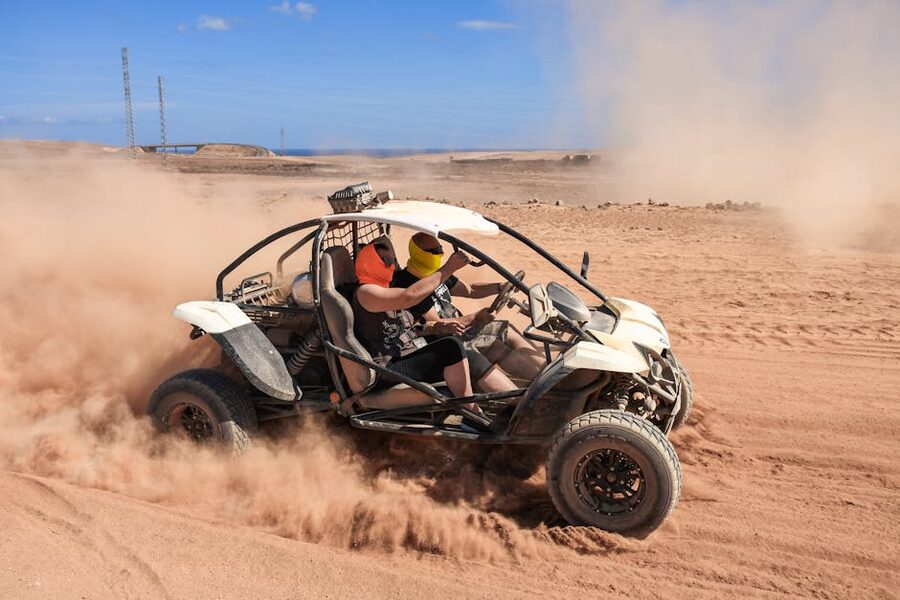
The first proper jolt arrives about 90 seconds after you leave the tarmac. The four-seater clips a ridge of black basalt, the suspension takes it for you, and a fine grey dust climbs over the windscreen and into your goggles. Then the helmet radio crackles to life. Diego, two buggies ahead, telling you in three languages to keep right at the next bend because the lava bed gets sharp.
The heat coming off the rock is the part nobody warns you about. It’s only February. The air is fifteen degrees on the coast. Up here on the volcanic flank the basalt is radiating into your shins.
Short on time? Three picks that cover the buggy day, the bus day, and the long day if you want it all.
- Guided off-road volcano buggy with pickup, around $153 per group of two: the most-booked Lanzarote buggy. Pickup, briefing, helmet, dust goggles, three hours through the volcanic flank. Check availability.
- Timanfaya, Jameos del Agua and Cueva de los Verdes day, around $105: this is the alternative if you want to see Timanfaya properly. Nine hours, the bus through Fire Mountain, both lava-tube caves, a single ticket. Check availability.
- Full-day island highlights, around $60: the cheapest way to see most of Lanzarote in one day if buggies and caves both feel too much. Coach, multilingual guide, the main viewpoints stitched together. Check availability.
- The first thing to know: you are not driving inside Timanfaya
- 2-seater versus 4-seater: what changes
- The driving licence question
- The helmet-mic briefing, and why it matters
- Sun, wind and dust: the actual kit list
- Pickup, depot and the rough timeline
- Buggy versus quad bike versus jeep: which one?
- Three Lanzarote tours worth booking
- 1. Lanzarote Guided Off-Road Volcano Buggy Tour With Pickup (about 3 per group of two)
- 2. Lanzarote: Timanfaya Park, Jameos del Agua and Cueva de los Verdes (about 5)
- 3. Lanzarote Full-Day Island Highlights (about )
- The Geopark route: what you actually see from the buggy
- Some history that makes the drive feel different
- What gets people upset about the day (and what doesn’t)
- Combining the buggy day with the rest of Lanzarote
- Booking the right slot
- What I wish I’d known before I went
- A short detour for non-Lanzarote travellers
- Closing notes for a Lanzarote week
The first thing to know: you are not driving inside Timanfaya
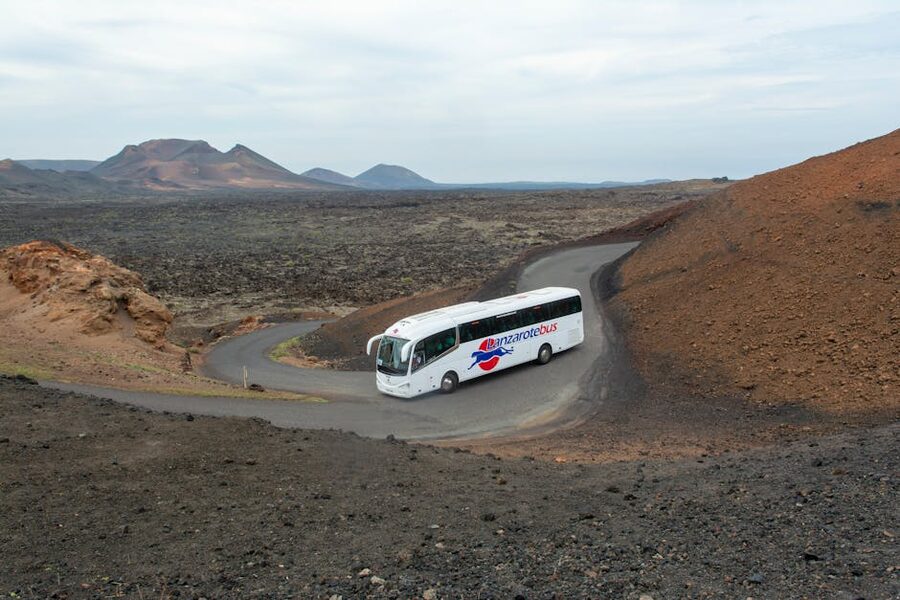
This catches almost everyone out. Timanfaya National Park itself is closed to private vehicles, including buggies. The official park access is a ticketed coach (the Ruta de los Volcanes) that loops through the central caldera on a fixed road, and that’s it. No driving, no walking off the marked viewpoints, no exceptions. The rangers are strict because the lava crust hides cavities a body can fall straight into.
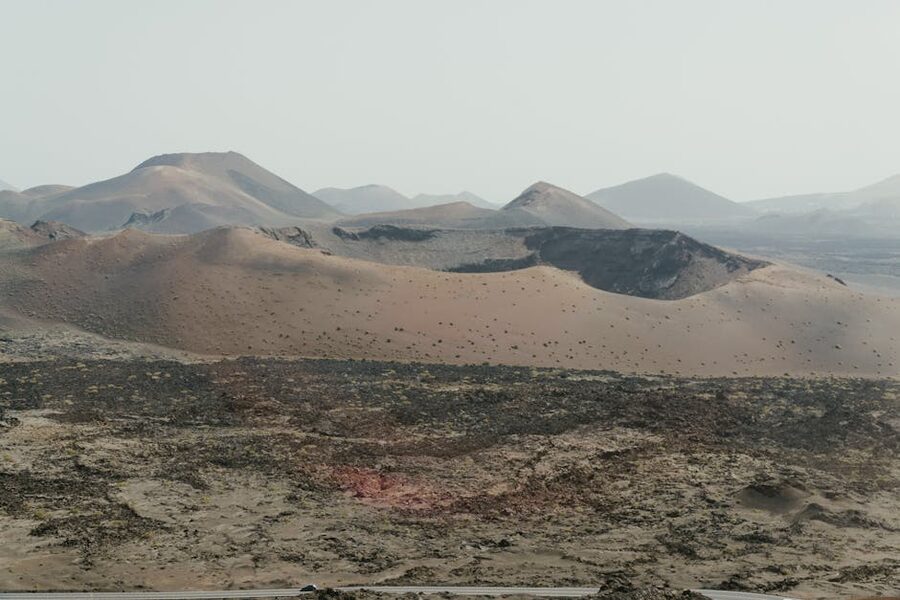
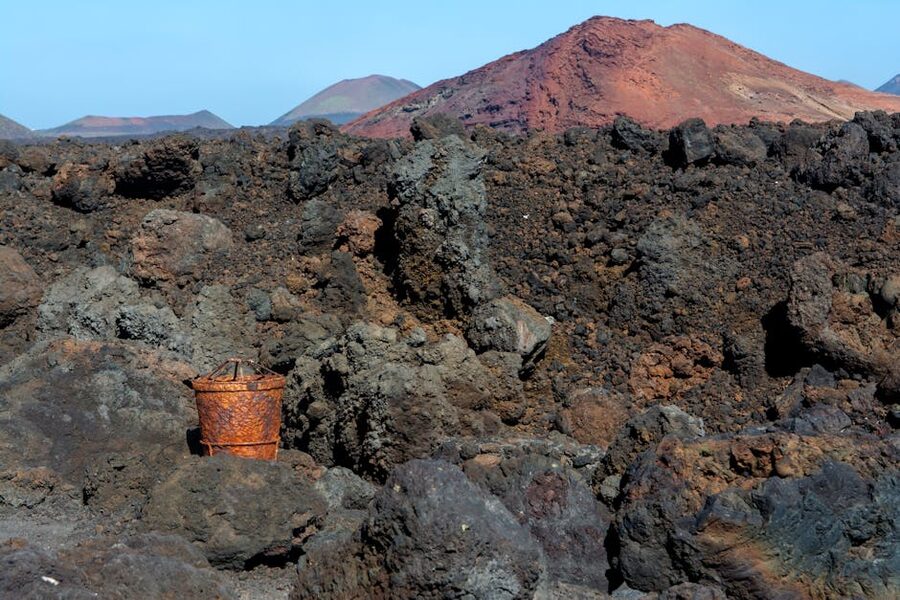
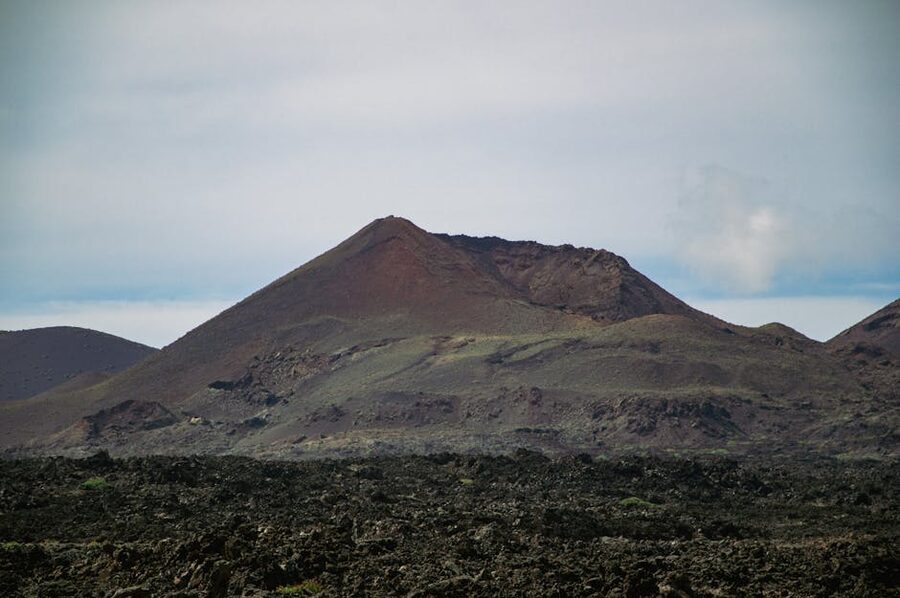
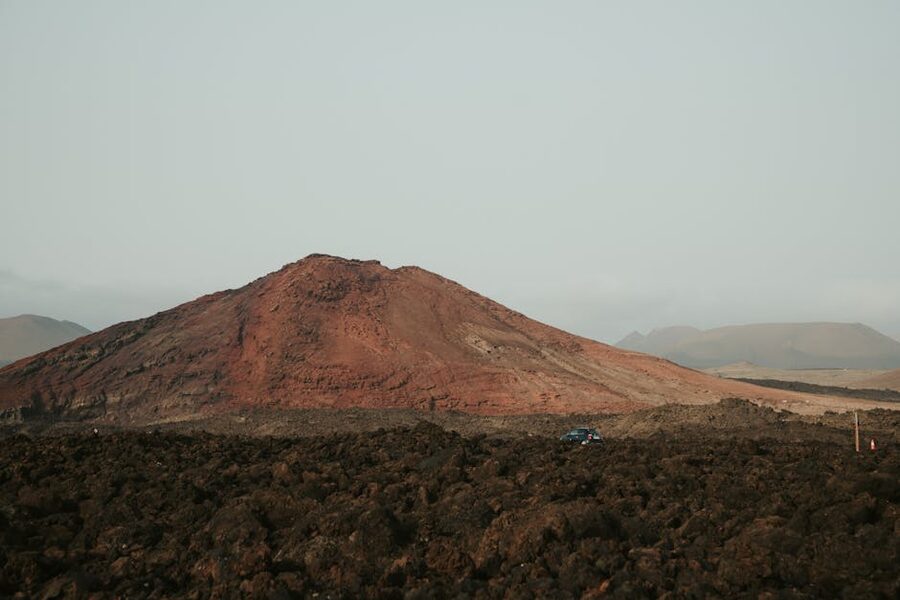
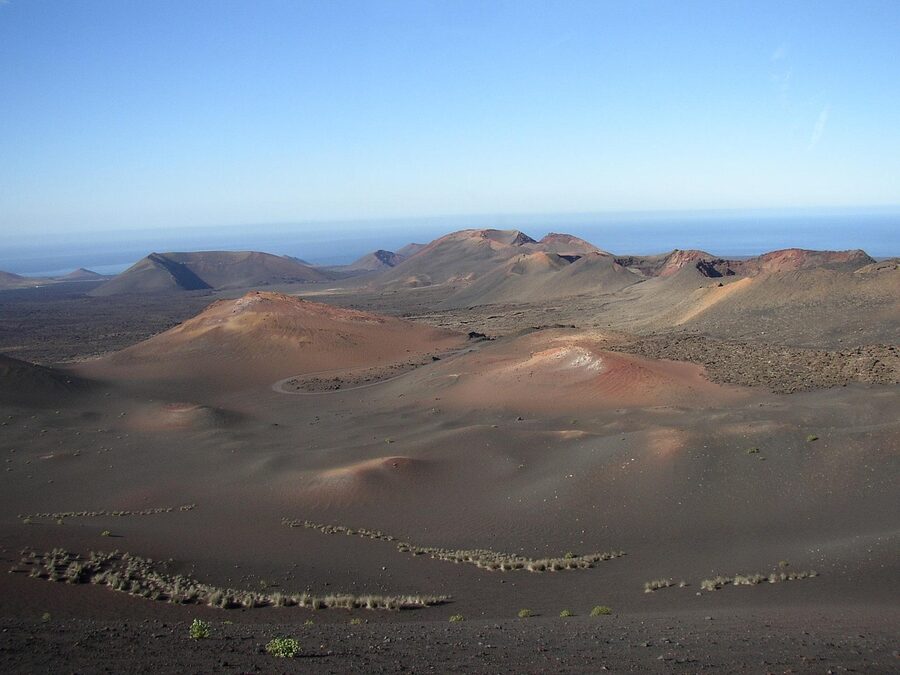
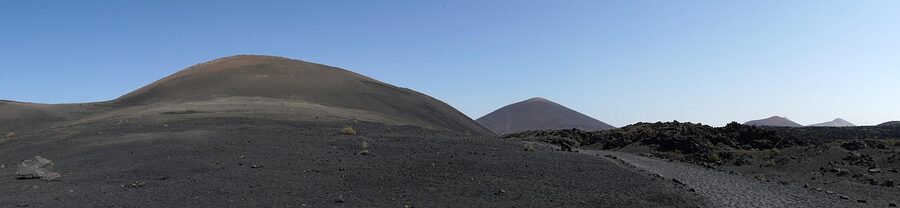
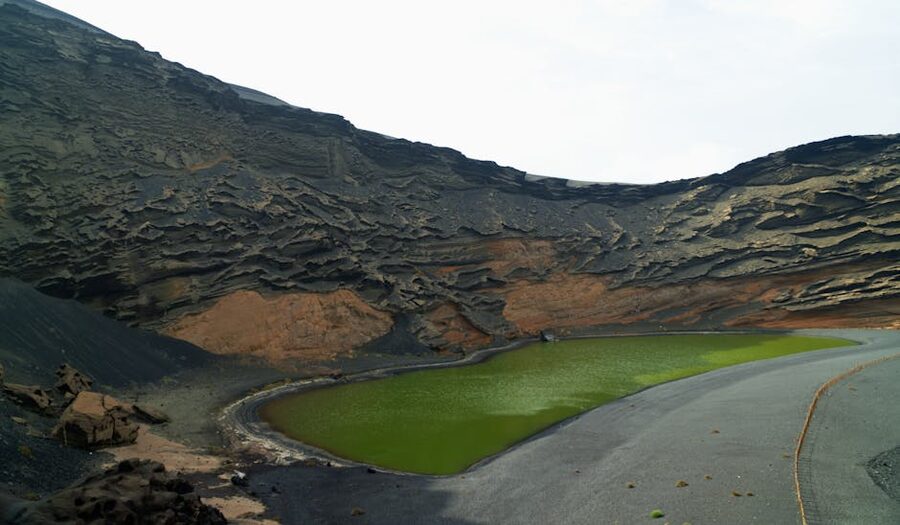
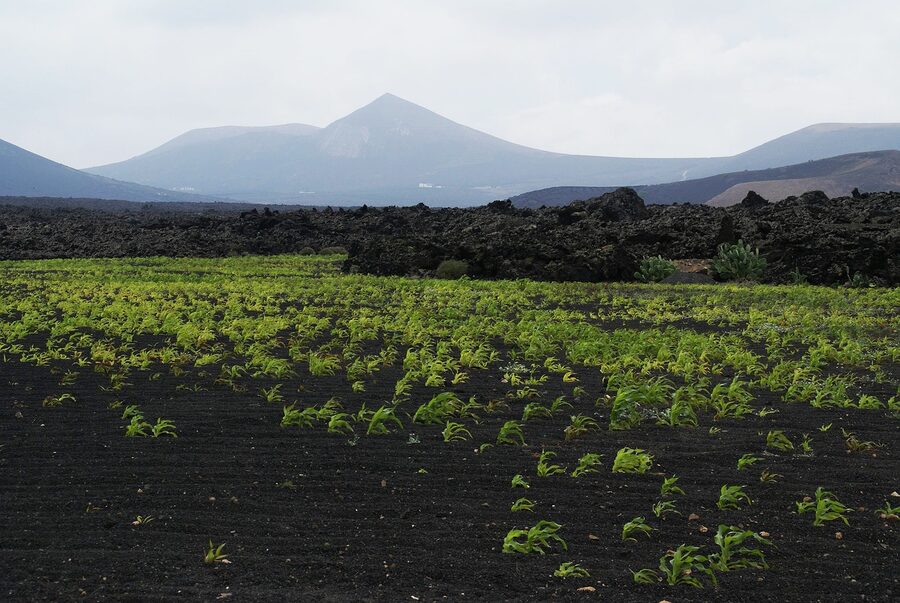
What the buggy tours actually do is take you through the volcanic terrain that surrounds and adjoins the park. That’s the Lanzarote and Chinijo Islands UNESCO Geopark, the Malpaís de la Corona to the north, the slopes around El Cuervo volcano, and the volcanic edges of the La Geria wine valley. It’s the same geological story as inside the park. Same eruptions, same lava field, same black basalt and red oxidised cinder. It’s just on the legal side of the boundary fence.
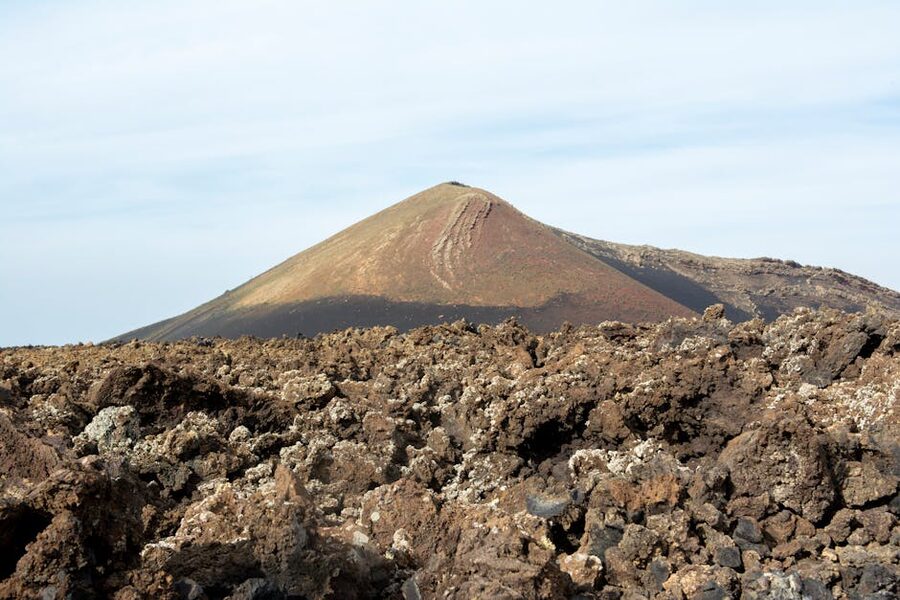
So if your mental picture is buggies tearing across the iconic Timanfaya geyser viewpoint, recalibrate. You’ll see Timanfaya’s silhouette from outside. You won’t drive in it. If you specifically want to be inside the park, you need the bus, and that’s a separate booking. The good news is the surrounding Geopark is, if anything, more interesting to drive through, because the bus tour is passive and the buggy tour is not.
2-seater versus 4-seater: what changes
Most operators offer both. The 2-seater is the proper buggy feel. Driver and one passenger, lower to the ground, a bit faster, more weight transfer through corners. You feel every ridge. Couples who actively want the ride choose this one.
The 4-seater is the family vehicle. Two rows of two, slightly bigger frame, a touch slower because of the load. The kids in the back get the proper rollercoaster feeling because the rear axle bounces harder than the front. Most operators set a minimum age for the back seats around 6 years old, and a minimum height (often 135cm) for safety harnesses to fit properly. Always check the specific operator’s rules at booking. They vary.
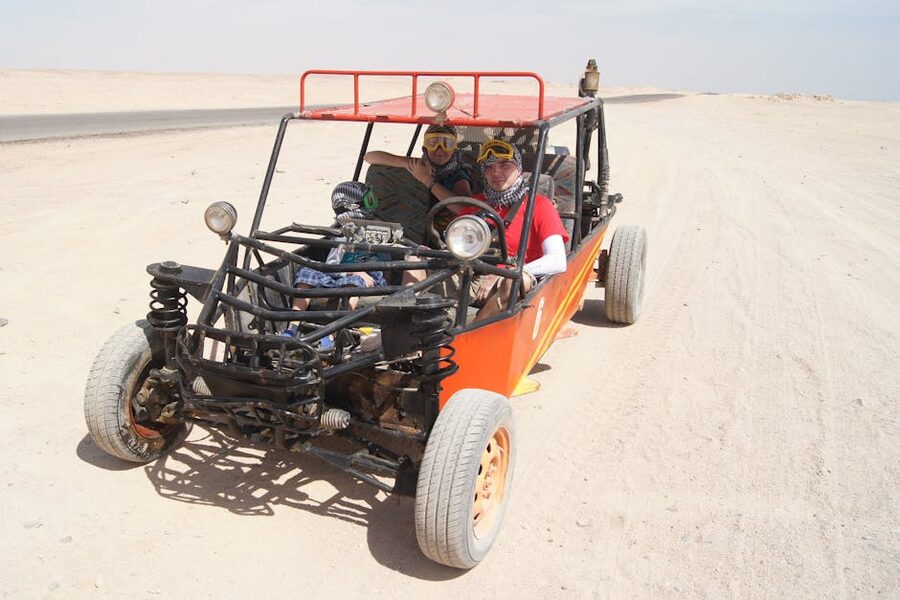
One quirk worth flagging. On some platforms, including the big aggregators, a buggy reservation books one buggy total, regardless of how many passengers you select. If your group is six people, that’s two buggies, and you book twice. Check the small print before you assume four people equals one ticket. The price per buggy is the price per buggy, not per head.
The driving licence question
You need a valid driving licence to drive the buggy. The minimum age varies by operator: most quote 18 for the smaller buggies and 20 to 21 for some 4-seater models, often with a minimum of two years of driving experience. Bring your physical licence to the briefing. Photocopies are not accepted, and a few operators have refused customers at the meeting point for this reason. Photo ID with the licence number on it is the standard you want.
Passengers don’t need licences. Just the driver. So the practical setup for couples is whichever of you wants to drive does, and the other rides shotgun and works the camera. There’s usually no swap mid-tour, because the briefing was given to one named driver, but ask at booking if you really want both of you behind the wheel and you might find an operator that allows a hand-over at a stop.
The helmet-mic briefing, and why it matters
Every buggy tour I’ve checked uses an in-helmet radio system. The lead guide drives ahead, you follow in convoy, and the helmet earpiece keeps a running commentary going while you drive. It does three jobs at once. Safety prompts (“slow on the right, dust in the corner”), navigation (“we’re heading for the white volcano on the left”), and the geology lesson when the dust gets quiet.
The briefing before you leave the depot is normally about 15 minutes. Vehicle controls (clutch or automatic, depending on model), the radio system, the convoy rules, the emergency hand signals, and the route map. Do not zone out. The operators who let people skip the briefing are the operators who have incidents, and the GetYourGuide review feed for the flagship buggy is full of grateful comments about Diego, Luis and the others who run a tight ship up front.
Sun, wind and dust: the actual kit list
The basalt is dark and absorbs heat. Even on a 16C winter day the rock surface near you sits a lot warmer than the air, and the sun on Lanzarote is brutal year-round because the latitude and the cloud-free climate hand you a desert UV index. The buggy seat puts you about half a metre off the rock, which means everything below the knee gets the radiated heat.
What you actually want, in order of importance: long thin trousers (jeans are fine, shorts are a mistake), closed-toe shoes (sandals get debris in them within ten minutes), a high-SPF sunscreen on every patch of skin including the back of your neck, and a buff or bandana for under the helmet. The operator gives you a helmet and dust goggles. Most do not give you sunscreen or a buff, and they are right not to, because every face is different.
One thing I learned the hard way. Sunglasses do not work under the dust goggles. The goggles are specifically designed to seal against your face, which means anything between them and your face breaks the seal and lets dust in. If you wear prescription glasses, ask the operator about prescription-friendly goggles in advance. Most have one or two pairs.
Pickup, depot and the rough timeline
Most buggy operators run a hotel pickup from the south of the island (Puerto del Carmen, Playa Blanca, Costa Teguise) and from some northern resorts. Pickup vans collect groups roughly between 8.30am and 9.30am for the morning slot, and around 1.30pm for the afternoon slot. The drive to the depot takes about 30 to 45 minutes from most resorts, plus the pickup loop time. So a “3-hour buggy tour” is a 5- to 6-hour total day with transfers.
Once at the depot, you do paperwork (licence check, waiver), the briefing, then helmets and goggles, then engines on. The actual driving section is usually 2.5 to 3 hours with two or three viewpoint stops where you get out, take photos, and the guide explains what you’re looking at. There’s a water refill stop on most longer routes. The shorter 2-hour buggy tours skip one of the stops and are aimed at people on transfer days.
Cancellation policies are mostly 24-hour: free cancellation up to a day before the tour, paid in full inside that window. Weather cancellations are rare on Lanzarote because rain barely registers, but the operators will postpone or refund if a Calima dust storm hits, which happens a handful of times a year. If your trip is booked tight to a flight day, leave a buffer.
Buggy versus quad bike versus jeep: which one?
This is the real question for most people, and the answer depends on what you actually want from the day.
The quad bike is the most physical option. One person per machine, your own bodyweight as the suspension, exposed to dust and sun on every side. You feel the most. You also tire the fastest, and you are responsible for keeping yourself upright on every ridge. Quads are for people who like motorbikes already.
The buggy is the middle ground. Roof, roll cage, harness, and the suspension does the work for you. Two or four people per machine, so you split the cost and keep the social bit. You drive but you’re not exposed in the way the quad rider is. If you’ve never ridden anything off-road, this is the easier first step.
The jeep tour is passive. You sit in the back of a 4×4, the guide drives, and you look out the window. It’s the most comfortable and the most route-flexible, because the jeep can go almost anywhere a buggy can. What you lose is the driving itself, which for some people is the whole point. If you want the volcanic landscape but you don’t want to grip a wheel, the jeep is your tour.
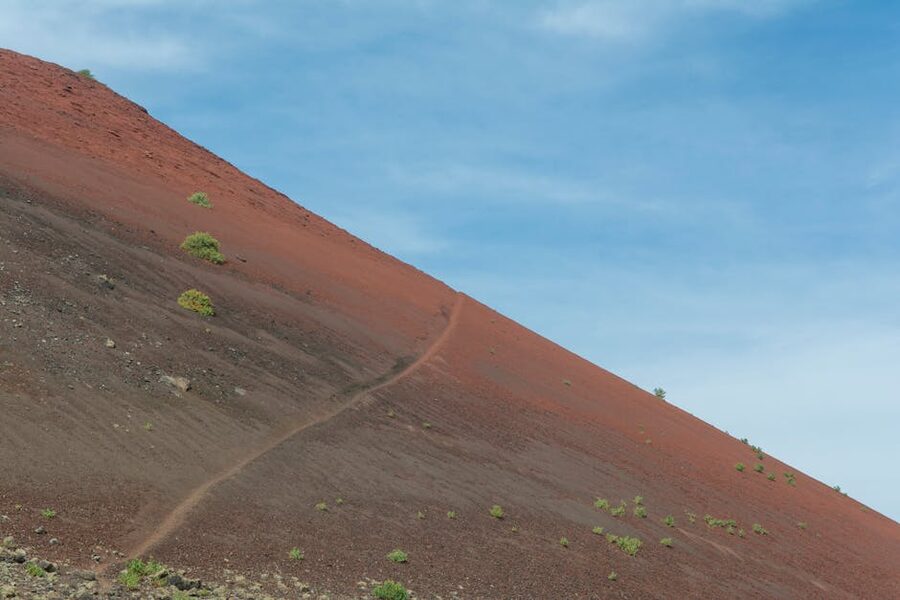
If you’re comparing across the Canaries, this is roughly the equivalent of how Mount Teide on Tenerife works for high-altitude volcano tourism. Teide is the structured, ticketed, busy version. Lanzarote is the loose, drive-it-yourself, off-track version. Most travellers who do both come back saying the Lanzarote day felt more like an actual adventure, even though Teide is the higher peak.
Three Lanzarote tours worth booking
Hundreds of operators run buggy and volcano tours on this island. These are the three I’d actually book based on what each one does well: the buggy day for active drivers, the long Timanfaya combo for travellers who want everything in one ticket, and the cheap full-day coach for people who don’t want to drive at all.
1. Lanzarote Guided Off-Road Volcano Buggy Tour With Pickup (about $153 per group of two)
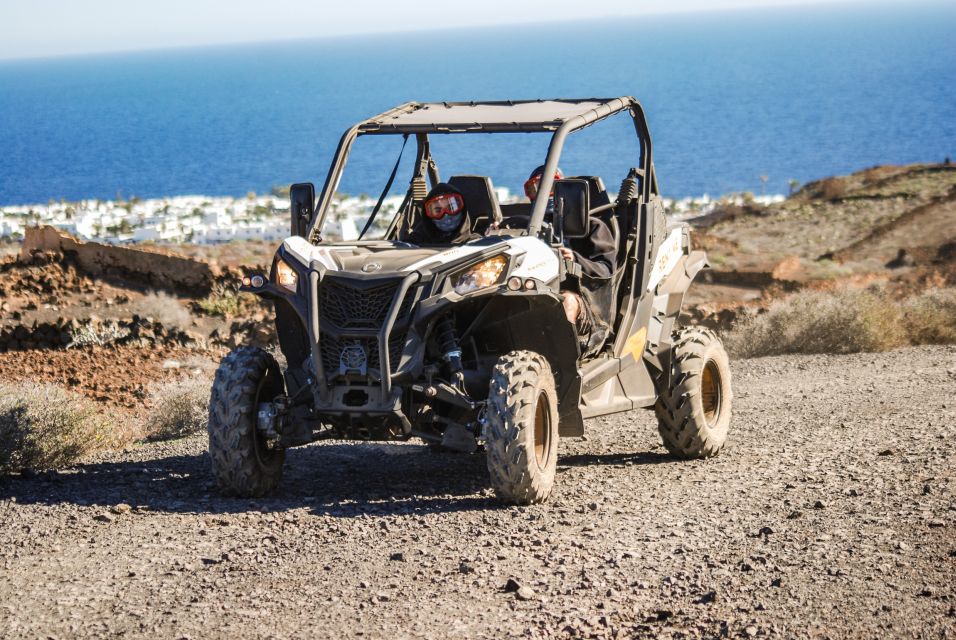
This is the default if you’ve already decided you want to drive. The price is per buggy, so two people splitting it works out close to a quad-bike fare per person, with much better protection from sun and dust. Our full review walks through which pickup zones get the early start times and which ones do the afternoon slot, because that affects the heat and dust during the drive itself.
2. Lanzarote: Timanfaya Park, Jameos del Agua and Cueva de los Verdes (about $105)
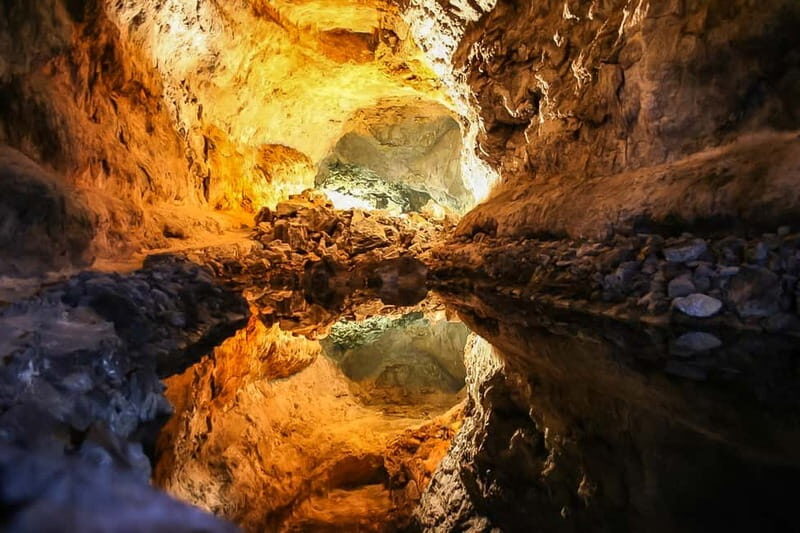
If you want to actually go inside Timanfaya rather than around it, this is the tour. The bus through the Ruta de los Volcanes plus the two caves in one ticket saves the hassle of three separate bookings. Our full review goes into which cave is worth more time (Cueva de los Verdes for the lava tube, Jameos del Agua for the Manrique architecture), and why most people are surprised by how good the day actually is.
3. Lanzarote Full-Day Island Highlights (about $60)
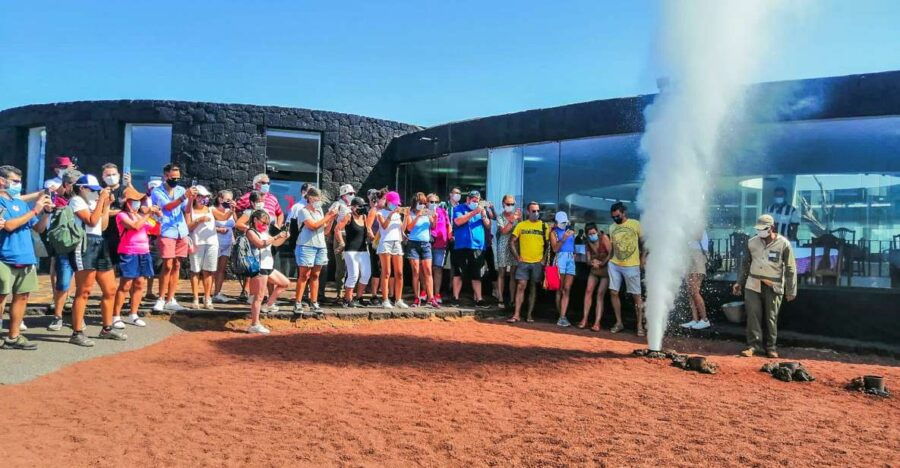
The cheapest sensible way to see most of Lanzarote in one day. It’s the right choice for travellers who don’t want to drive a buggy and don’t need the cave detail of the Timanfaya combo. Our full review covers what’s included on the coach itself versus the optional add-on lunch, and why the Mirador del Río stop at the end is the one that surprises people most.
The Geopark route: what you actually see from the buggy
The route varies by operator, but most run a version that touches three or four signature spots. The El Cuervo crater walk-around (a small caldera you can stand on the rim of), the Las Grietas rock formation (a dramatic narrow canyon cut into the lava bed), the Caldera Blanca foothills (the white-rimmed cone you saw earlier), and a transit through La Geria’s volcanic vineyards on the way back.
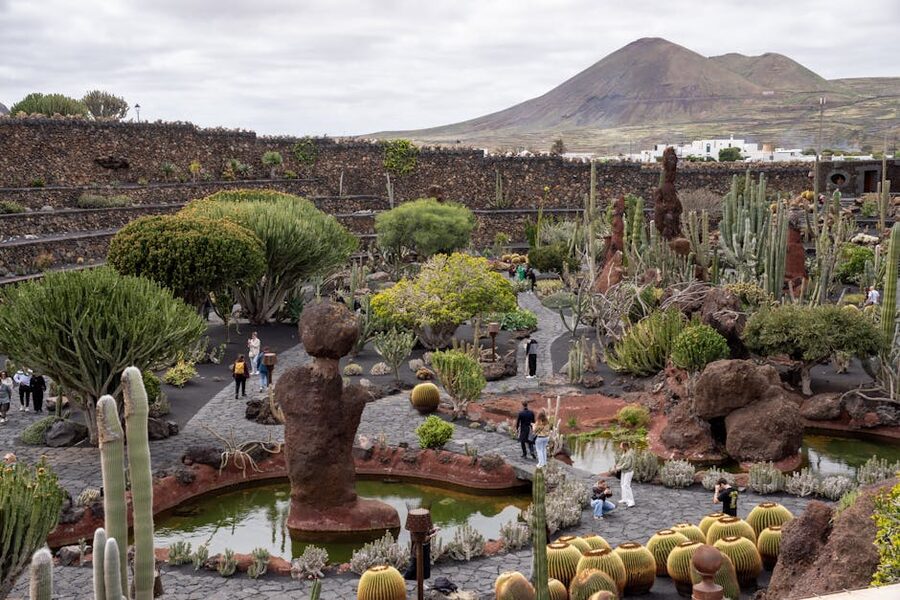
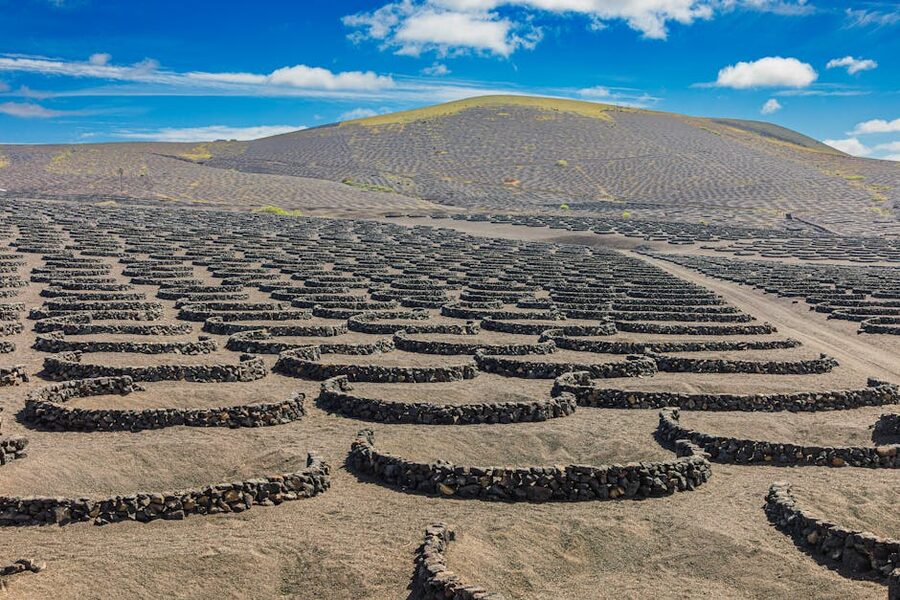
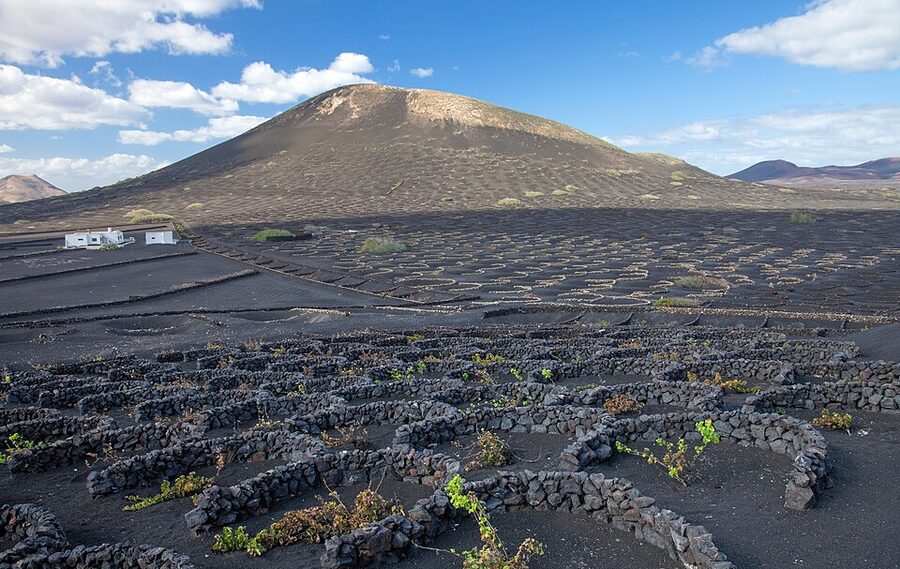
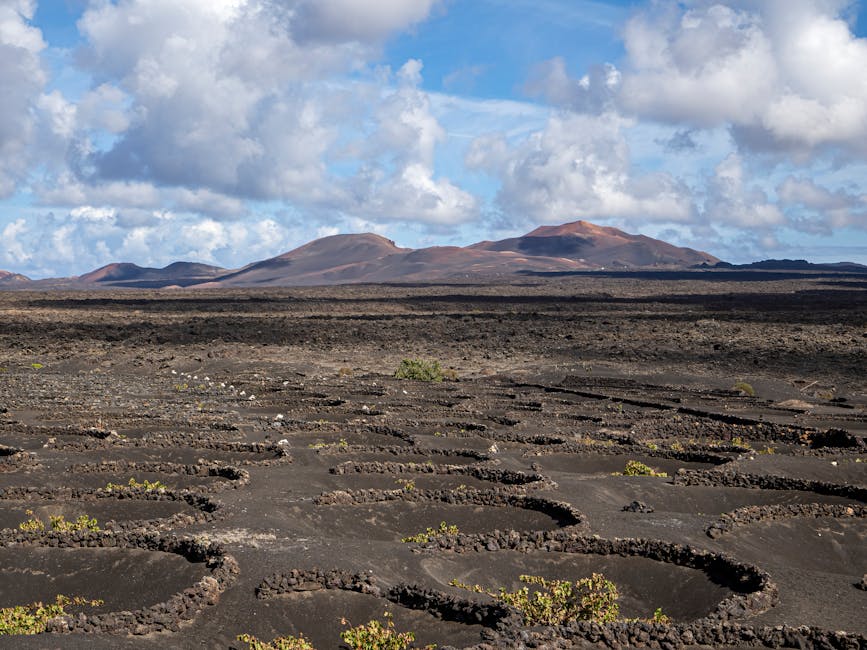
La Geria is the surprise stop for most people. After two hours of black and red lava, you drop into a green-tinted valley where the locals plant vines inside circular stone walls, each one set into a depression in the volcanic ash. The ash holds dew, the wall blocks the wind, and the result is one of the strangest wine regions in Europe. If your tour ends with a wine tasting, this is where it happens.
Cueva de los Verdes is not on the buggy route, so don’t expect it. It’s a separate ticketed cave on the north of the island, and it’s the lava tube you should book separately if the geology grabs you. The Timanfaya combo tour covers it on a different day if you want both experiences in one trip.
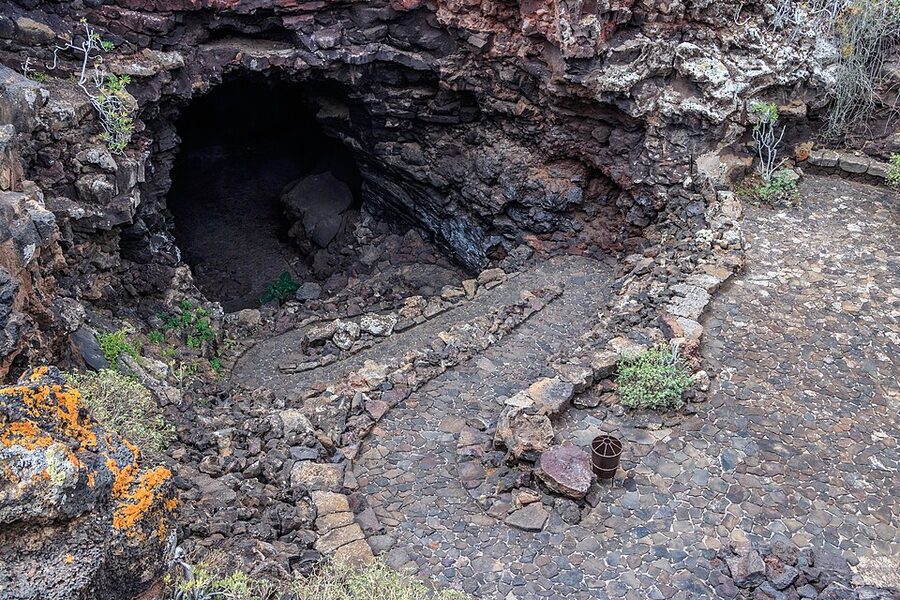
Some history that makes the drive feel different
The eruption that built the landscape you’re driving across started on 1 September 1730. It lasted six years and one month. Lava flowed for that entire stretch, sometimes from one vent, sometimes from a chain of new ones opening up along a fissure. By the end, somewhere between a quarter and a third of Lanzarote’s land area was buried under fresh basalt, and most of the southern villages were either destroyed or had to be abandoned. The local priest of Yaiza kept a daily diary of the eruption, which is one of the best contemporary volcano records anywhere in Europe.
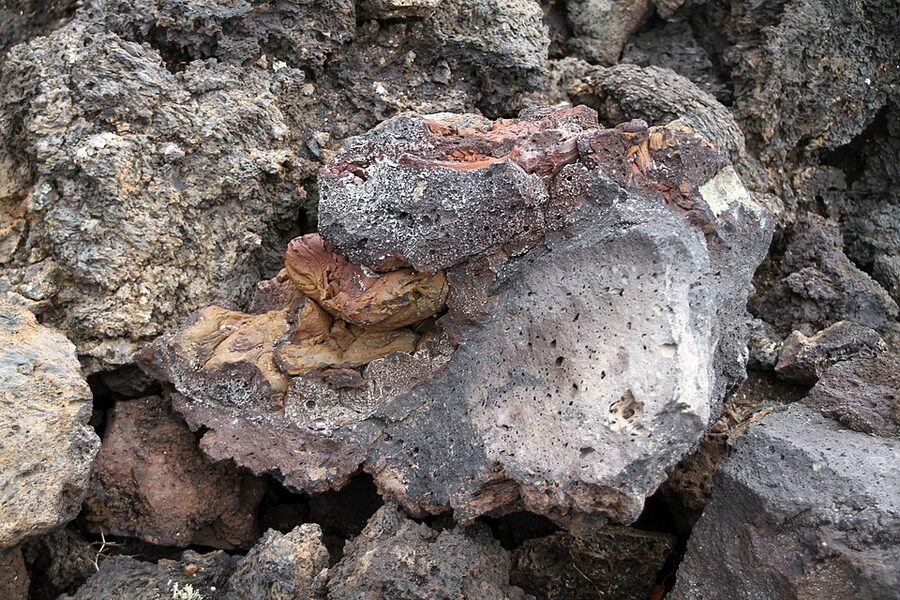
The other piece of context worth carrying with you. The volcanic activity is not over. Geologists classify Timanfaya as dormant rather than extinct, and the geothermal anomalies near El Diablo restaurant inside the park are still hot enough to grill chicken on a steel grate, which is the famous lunch trick at the official park visitor centre. The buggy doesn’t take you there, but the ground a hundred metres beneath your wheels is still warmer than the air.
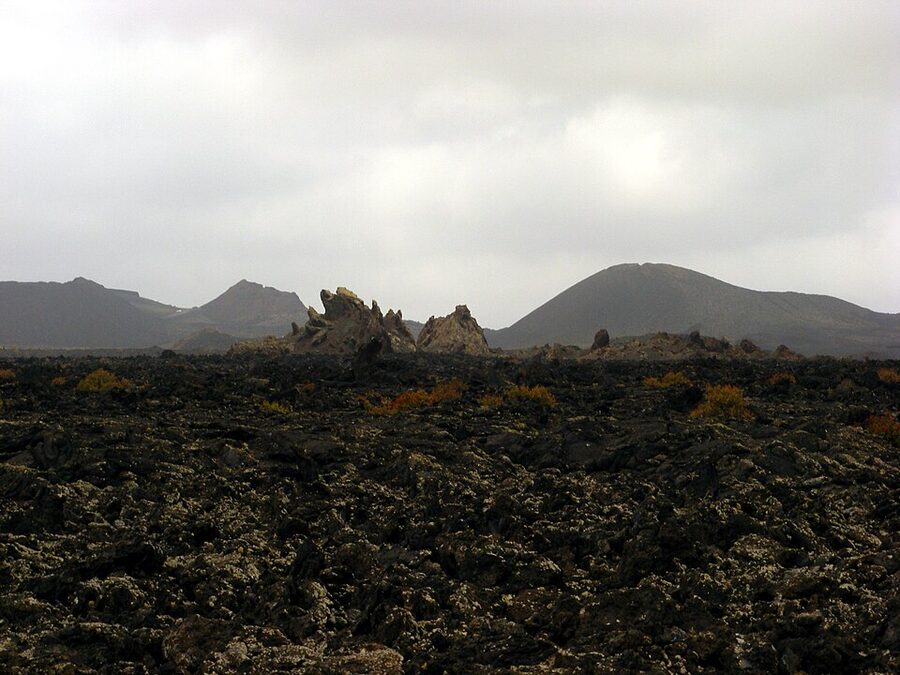
What gets people upset about the day (and what doesn’t)
The most common complaint is the dust, which is both legitimate and unavoidable. You will be dusty when you get back. The buggy seats are not waterproof and the dust soaks into clothing fibres for a couple of washes after. Wear something you can throw in the machine on a hot wash, not your nice travel jeans.
The second complaint is the convoy speed. The buggies do not race. The lead guide sets the pace and you stay in line, because the volcanic surface is too unpredictable for free driving. People who booked expecting a Mad Max experience can come away frustrated. People who booked expecting a guided drive over interesting ground tend to come away delighted. Read the operator description carefully and you’ll know which one you signed up for.
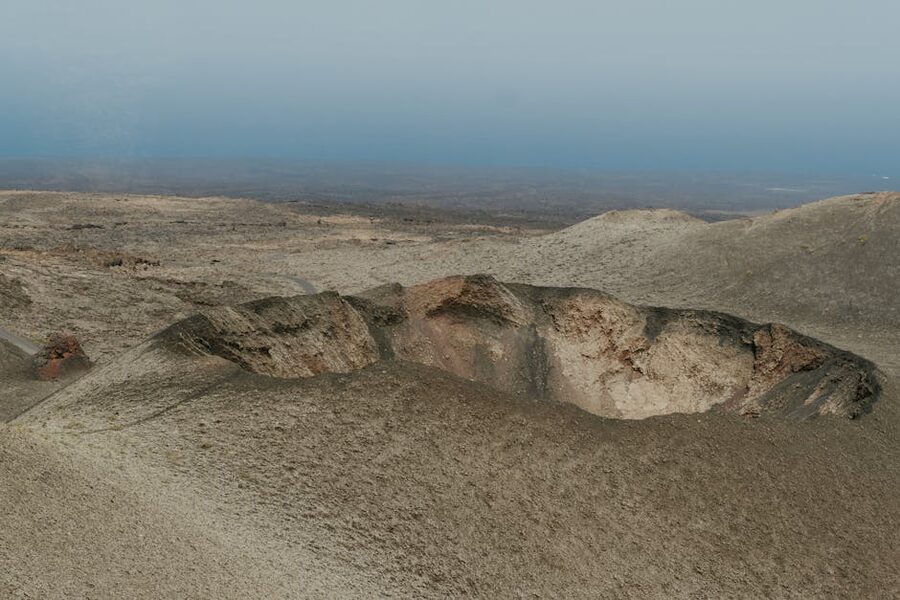
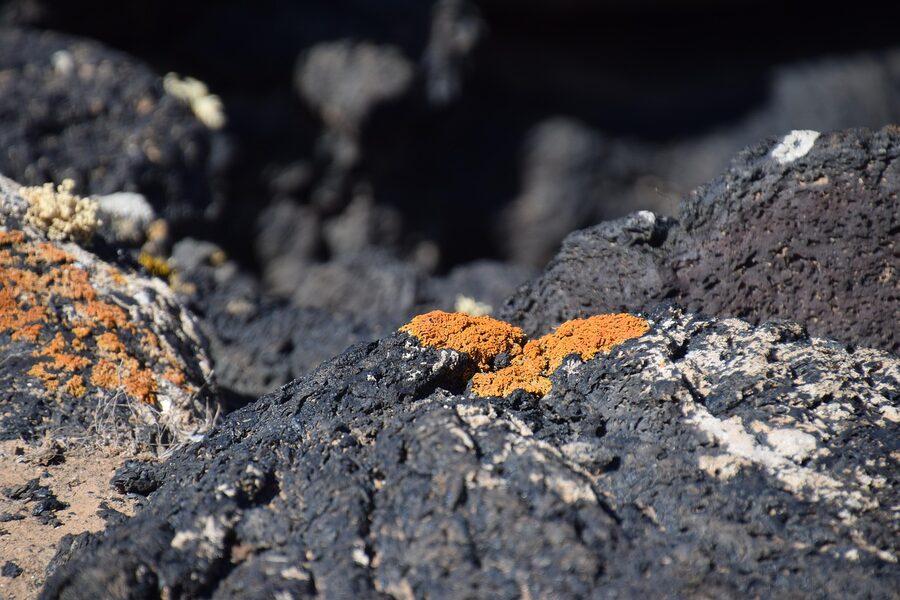
What people are surprised by, in a good way, is how the lava terrain changes in the last 30 minutes of the drive. The volcanic surface looks uniform from a distance, but up close it’s six or seven different textures, and you’ll have driven over all of them by the time you finish: pahoehoe (the smooth ropy kind), aa (the rough sharp kind), cinder, picón, scoria, and reworked tephra. The guides who know their geology mention this. The guides who don’t won’t, and you’ll just feel the suspension change without knowing why.
Combining the buggy day with the rest of Lanzarote
Three hours in a buggy is not enough time to fill a Lanzarote week. So a typical itinerary uses it as one of three or four big days, alongside Timanfaya itself, the caves and the coastline. The Timanfaya bus route is the obvious complement on a separate day, ideally first thing in the morning before the queues build at the entrance. The combo with Jameos del Agua and Cueva de los Verdes packs the rest of the volcanic island into a long day if you want to compress.
For the coast, the sister batch slug is the Lanzarote dolphin sunset cruise, which is a slow boat day off Puerto Calero and the right thing to do on the day after a buggy run, because you’ll be tired. The dolphin numbers in these waters are good year-round and the sunset over the Atlantic is the visual contrast you want after a day of black rock.
If your travel pattern is hopping between Canary islands, the Fuerteventura dolphin trip from Morro Jable is the natural pairing if you’re ferrying south, and on Tenerife the obvious volcanic comparison is the cable car day to Mount Teide. They tell different stories about the same archipelago. Lanzarote is the recent eruption you can drive across; Tenerife is the older, taller cone you stand on top of.
Booking the right slot
The morning slot (around 9am to noon) is cooler, the dust hangs less in the air, and the guide team is fresher. Almost everyone I’d ask says morning is the better booking. The afternoon slot (around 2pm to 5pm) is hotter, the light is harsher for photos, and on busy weeks the second-shift guides have done one tour already.
The exception is winter, when the morning slot can be cold enough that you want a base layer under everything. Dec to Feb mornings on the volcanic flank can sit at 12-14C and the wind chill in the open buggy makes it feel colder. If you’re booking January or February, take the afternoon slot.
One last booking tip. Book direct on GetYourGuide or Viator rather than through a hotel concierge desk. The mark-up at the desk can be 10 to 20 per cent and the cancellation terms get worse. The same buggy operator runs the same tour at a lower price on the platform, with a better refund window.
What I wish I’d known before I went
That the helmet weight is the thing that tires you, not the driving. By hour three of the buggy day my neck was sorer than my arms or legs. Bring an ibuprofen for that evening if you’re prone to tension headaches.
That you can’t take a phone out while driving, full stop. The radio is in the helmet, both your hands are on the wheel, and the dust will eat the camera lens within a minute. Photos happen at the stops. Plan your shots there.
That the price quoted on aggregator sites is per buggy, not per person, on the 2-seater models. So 153 dollars for two people is 76 dollars each. Compared to 60 to 70 dollars per person for a quad solo, the buggy is competitive once you split it.
That a Calima dust event from the Sahara can turn the entire Atlantic side of the island the colour of milky tea. If your booking falls on a Calima day, the operators usually call it off, but they’re slow to commit so check at 7am the morning of. The forecast site to watch is calima.eltiempoenlanzarote.com or any of the Spanish AEMET feeds.
A short detour for non-Lanzarote travellers
If the buggy concept appeals but Lanzarote doesn’t fit your trip, the closest equivalent on the Spanish circuit is harder to find than you’d think. Most off-road adventure tours on the mainland are quad bike or jeep-led rather than open buggy. The Tenerife volcanic-track tours run jeeps through the Anaga and Teide areas without the buggy option. Mallorca’s Coves del Hams and the Caminito del Rey gorge walk near Malaga are the closest active-day equivalents on the mainland circuit, with adrenaline in different forms. They don’t have the volcanic backdrop but they hit the same brain chemistry.
For animal-led adventure, the Andalusian horse show in Jerez is the cultural-active hybrid most close to a buggy day in flavour, and on Ibiza the western coast cruise is the equivalent slow-boat day. Different rhythm, different terrain, but the same feeling of being in the landscape rather than next to it.
Closing notes for a Lanzarote week
The buggy day is a half-day with logistics. You can pair it with the Timanfaya bus on a separate morning and a long highlights coach on a third day, and you’ll still have time for the beaches. If you’re island-hopping the Canaries, the high-altitude version of the same volcanic story is the Mount Teide cable car on Tenerife, and the matching cruise day on the next island over is the Gran Canaria catamaran and dolphin trip. Back on the Spanish mainland circuit, the closest active-day cousin is probably the Caminito del Rey gorge walk near Malaga. The Lanzarote buggy is the rarest of these because the landscape only exists here, in this corner of the Atlantic, and it’ll never look like anywhere else you’ve been.