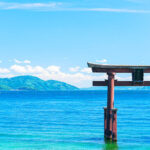
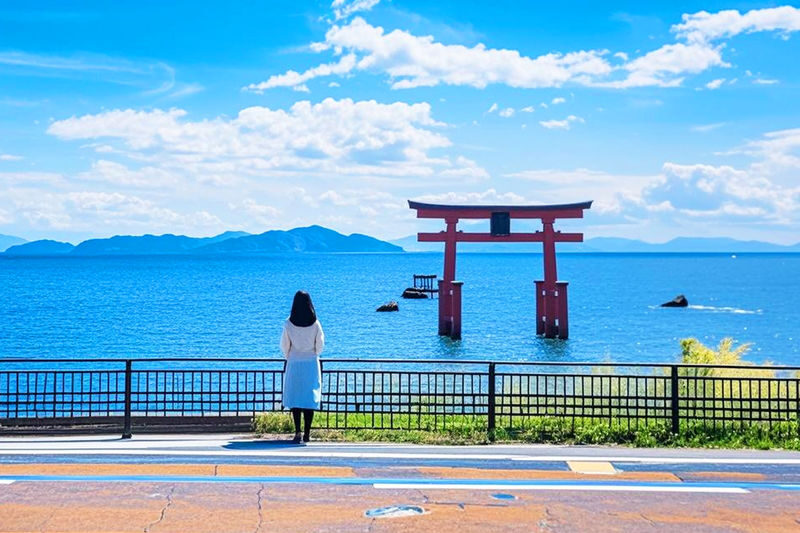
Lake Biwa’s floating torii gate is the image that draws you north from Kansai, but the mountain view from the valley observation deck gives the day its other big payoff. On this full-day trip to Takashima, you trade city streets for lakeside shrines and far-reaching views, with a bus doing the work of linking the stops.
I like the contrast between Shirahige Shrine’s quiet lakeside setting and the high viewpoint reached by ropeway. I also like that guides such as Casper and Xiao Du have been praised for clear meeting instructions, helpful explanations, and keeping the group on time. The main catch is the long drive and weather-dependent view: cloud or rain can turn the observation deck into a foggy platform, and the ropeway ticket costs extra.
- What to know before you go
- The ride north from Kansai
- Shirahige Shrine and its water torii
- Riding up to the Lake Biwa observation deck
- La Collina and the day’s other possible stops
- How the pace feels in practice
- Is the trip worth the price?
- Who will enjoy this day
- FAQ
- Where does this tour go?
- How much does the tour cost?
- Is the ropeway included in the tour price?
- Is this a full-day trip?
- Can I book for tomorrow?
- What happens if the weather is bad?
- Can I cancel for a refund?
- More Tours in Takashima
- More Tour Reviews in Takashima
- Not for you? Here's more nearby things to do in Takashima we have reviewed
What to know before you go
 1 / 5
 2 / 5
 3 / 5
 4 / 5
 5 / 5
- The two headline stops are very different: Shirahige Shrine offers a lakeside torii gate, while the observation deck is about broad views over Lake Biwa.
- The ropeway is an extra cost: Plan for a separate ticket if you want to go up, and check operating dates before booking, especially in winter.
- Weather can decide the day: Rain and fog have obscured the view, and an alternative stop is not guaranteed.
- The bus makes distant stops practical: The trade-off is a lot of time on the road and limited time at each place.
- Other stops may be included: La Collina and temples such as Ukimido or Sanzen-in appear in accounts of the day, so check the planned route for your date.
- Guides can make logistics easier: Guides named Casper, Xiao Du, Vivian, and others have been praised for updates, explanations, and help finding meeting points.
The ride north from Kansai
This is a full-day excursion, not a quick hop from Osaka or Kyoto. Lake Biwa and its surrounding sights sit far enough from the main city bases that the bus ride takes a meaningful share of your day. The benefit is simple: you can reach several dispersed stops without piecing together public transport connections yourself.
That convenience matters most if you have only one day to spare or do not want to drive. The cost is time spent sitting down, sometimes between stops that feel far apart. Bring something to read, charge your phone, and consider motion-sickness precautions if winding or brisk bus rides bother you. One account specifically noted a bumpy ride in a minibus.
Meeting-point directions can make or break an early start. Some guides have sent details the night before, shared vehicle information, marked boarding locations on Google Maps, and posted reminders about assembly times. Still, arrive early and check the guide’s name and vehicle details carefully. A day trip works only if the group leaves together.
The tour is offered from $53.69, which can be good value for transport to several out-of-town attractions. But treat that as the entry price, not necessarily the full day’s spending. The ropeway is extra, and some stops may also have admission charges. If you are comparing the tour with going independently, weigh the fare against the time and effort of arranging transport, not just the cost of shrine entry.
You can also read our reviews of more tours and experiences in Takashima.


Shirahige Shrine and its water torii
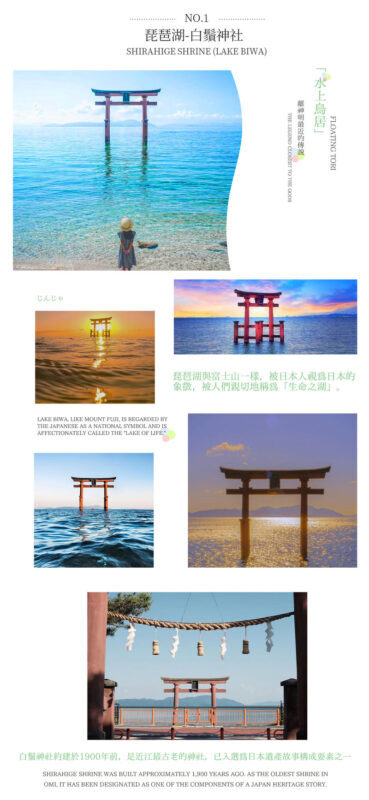
Shirahige Shrine is the day’s most distinctive lakeside stop. Its torii gate stands in Lake Biwa, creating the striking sight that gives this trip its strongest photo opportunity. The appeal is visual and atmospheric rather than a long list of things to do: you come to see the gate, take in the setting, and spend a little time at the shrine.
Expect the visit to be brief. The schedule is designed to connect multiple sights, and some stops have felt short to people who wanted more time. If you like lingering over a quiet place or framing photos from several angles, you may wish the bus would wait longer. If your aim is to see the famous gate without planning a complex journey, a short stop may be enough.
Keep expectations measured. One person found the shrine underwhelming, while others valued its beauty and the chance to visit a place outside the usual city circuit. That difference makes sense: if you expect a major temple complex, the stop may feel small. If you appreciate a simple lakeside view and a memorable torii, it is easier to see why this is a central part of the trip.
The torii is also sensitive to conditions. Rain, gray skies, or poor visibility can flatten the view, though the gate remains the main attraction. Bring a rain jacket and do not count on blue skies as part of the package.
Riding up to the Lake Biwa observation deck
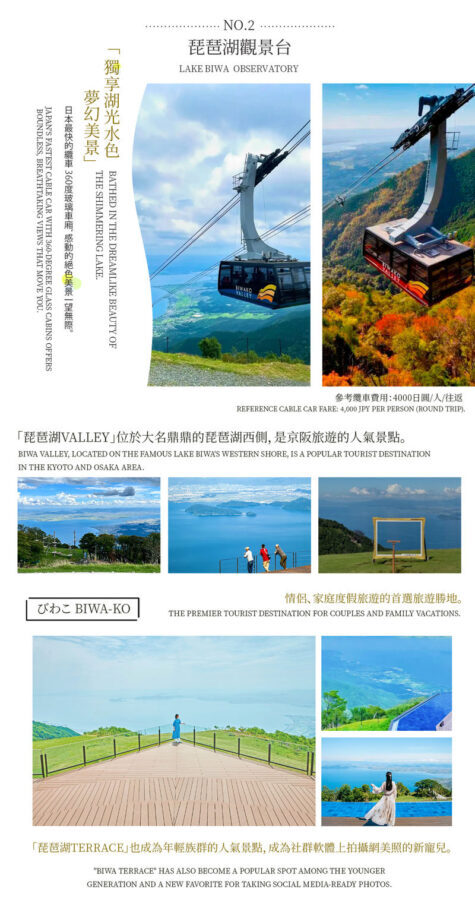
The observation deck is the day’s high-viewpoint stop, reached by a cable car or ropeway. On a clear day, the height gives you a broad look across Lake Biwa and the surrounding area. That view is the reason many people choose to pay for the ride up.
The extra ticket changes the value calculation. One visitor described paying 5,000 yen and finding only clouds and rain at the top. That is a painful gamble, so check the forecast and visibility as close to departure as you can. The exact ropeway cost and operating status may change, and the tour price does not appear to include the ticket.
Winter needs special attention. A seasonal closure has caught people by surprise, so confirm whether the ropeway is operating on your date rather than assuming it runs year-round. If it is closed, or if the summit is socked in, ask the guide what the day’s plan is. Past accounts include days when the group completed the route in poor weather, but an alternate viewpoint is not assured.
This is the stop where flexibility helps. A cloudy summit can still be a pleasant mountain outing, but it may not justify an extra ticket if your main goal is the lake panorama. On a clear day, the cable car ride and outlook can be the highlight. On a wet day, you may prefer to save the money.
La Collina and the day’s other possible stops
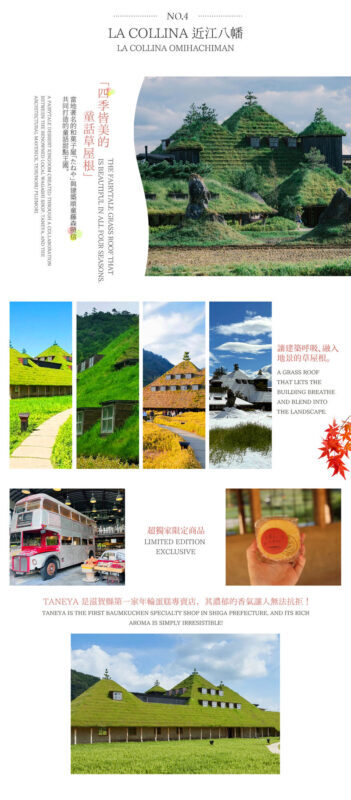
Some versions of the day include La Collina, a popular bakery and sweets destination known for baumkuchen. It offers a change of pace from shrines and viewpoints: you can browse, buy something to eat, and enjoy the site’s distinctive architecture and grounds. Several people particularly valued this stop, and one guide’s tip about which baumkuchen to buy helped save time for photos.
The downside is that La Collina can be crowded. It may also feel unrelated if you booked mainly for Lake Biwa. Think of it as a food-and-shopping pause rather than another lakeside sight. If you enjoy local sweets, it can be a welcome break; if you want every minute devoted to temples and views, its place in the day may not suit you.
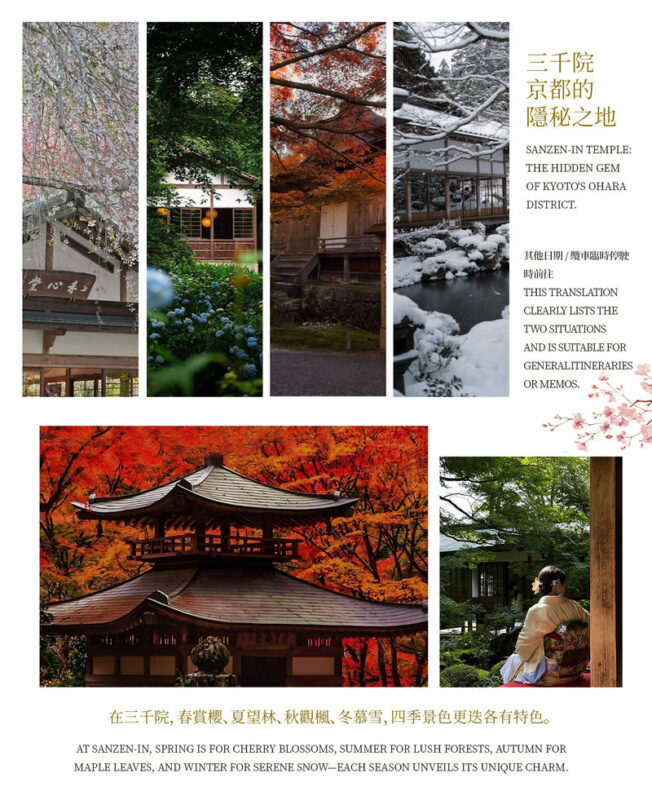
Ukimido and Sanzen-in also appear in accounts of tours under this package name. These temple stops add a quieter, more traditional note, but the exact combination of places can vary. Check the route details for your chosen date instead of assuming every tour includes every stop mentioned here. One account also described a route change to Mount Hiei without advance notice, so it is sensible to confirm the plan with the operator before travel.
Food options may be limited between stops. One account noted few places to eat near Sanzen-in and La Collina, and little access to restaurants or convenience stores at other points. Carry a snack and water rather than relying on finding a shop when you are hungry.
How the pace feels in practice
The bus saves effort, but the schedule is a sampler. You get a look at several places without needing to navigate between them, yet you should not expect long, unhurried visits at every stop. People who like to spend an hour on one temple or wait for the perfect photo may find the rhythm tight.
Timing can shift. Some days run smoothly, while changes in the order of stops or a shorter-than-expected visit can make the schedule feel rushed. Guides have been praised for clear updates and good time management, including reminders about where to meet and when to return to the bus. Stay close to those instructions, especially at busy sites.
The tour’s guiding is a real part of its value, but language support may not feel equally strong on every departure. Guides have explained local culture and the stops in English and Chinese, and some have worked across three languages. Individual ability varies, so if you need detailed English explanations, check what language is offered for your date rather than relying on the general experience of another group.

Is the trip worth the price?
At a starting price of $53.69, the strongest argument is convenience. You get a bus-based day to sights that are spread out, plus a guide who can coordinate meeting times and explain the places along the way. If you are staying in Kansai and want a taste of the countryside without renting a car, that can be a fair trade.
The price is less compelling if you expect every major attraction fee to be covered. The cable car costs extra, and other admission charges may apply depending on the stops. Add those costs before deciding, and remember that weather can reduce the value of the most expensive optional part.
I would book this for the range of places and the ease of transport, not for a promise of perfect views or a slow-paced temple day. The highest praise has gone to guides who are attentive, patient, and clear with timing. That support can make a long day feel straightforward. Still, route changes, short visits, weather, and uneven language support are worth keeping in mind.
Who will enjoy this day
This trip suits you if you want to see Lake Biwa’s signature torii and viewpoint without arranging transport yourself. It is also a good fit if you enjoy a mix of scenery, shrines, temples, and a possible stop for sweets, and you are happy to keep moving.
I would think twice if you dislike long bus rides, need a slow pace, or would be disappointed by a viewpoint hidden in cloud. It may also frustrate you if you expect a full English-guided experience without checking the language arrangements, or if you want to spend a long time at each stop.
Book it if the convenience and variety matter more than control over the schedule. Check the route and ropeway operation for your date, bring a snack and weather layers, and treat the observation deck as a bonus that depends on the sky.
Lake Biwa Scenic Day Trip: Valley Observation Deck & Shirahige Shrine Water Torii Gate (Departing from Kansai)
“The tour guide was very responsible and patient, leading everyone through the full-day itinerary. It was great!”
FAQ
Where does this tour go?
The named stops are the Lake Biwa valley observation deck and Shirahige Shrine’s water torii gate. La Collina, Ukimido, and Sanzen-in also appear on some versions of the day, so check the route for your date.
How much does the tour cost?
Prices start from $53.69. The ropeway ticket is an additional expense, and other stops may also charge admission.
Is the ropeway included in the tour price?
The ropeway ticket costs extra. Check the current price and operating schedule for your travel date.
Is this a full-day trip?
Yes. It is described as a full-day tour departing from Kansai, with travel between stops taking a significant part of the day.
Can I book for tomorrow?
The activity information says you can book for tomorrow, with instant confirmation.
What happens if the weather is bad?
Rain, fog, and cloud can hide the view from the observation deck. The route may still go ahead, and an alternative stop is not guaranteed.
Can I cancel for a refund?
You can receive a full refund if you cancel at least 24 hours before the activity date, using destination local time.