At Nyoirinji Temple, thousands of wind chimes can turn a summer temple visit into a small concert. Then the day heads south to Yufuin’s storybook shops and Beppu’s steaming geothermal pools, a striking switch from quiet temple grounds to the earth at full boil.
I like the mix of distinct stops: the temple’s seasonal chimes and Beppu’s hot springs feel worlds apart, while Yufuin and Kinrinko Lake bring a softer, scenic pause. I also like that the tour gives you about two hours and twenty minutes in Yufuin, enough to browse, eat, and reach the lake without needing to plan a complicated bus connection.
The trade-off is a long day on the road, with up to 49 people and a schedule that can shift in traffic or bad weather. Yufuin time may feel short if you want to shop slowly, and you should not book a tight dinner or train connection for the evening.
- The day’s best reasons to go
- From Fukuoka to the frog temple
- Yufuin: shops, lake, and mountain views
- Beppu’s hell springs are for looking, not bathing
- What the price buys, and what it does not
- Planning for traffic, weather, and a long day
- Who should book this Kyushu day trip?
- FAQ
- Where does the tour depart from?
- How long is the tour?
- How much time do I get in Yufuin?
- Is the Beppu hell ticket included?
- Is the tour guide available in English?
- Can I bathe in the Beppu hells?
- What happens if traffic or bad weather changes the schedule?
- The Best Of Beppu!
- More 1-Day Tours in Beppu
- More Tours in Beppu
- More Tour Reviews in Beppu
- Not for you? Here's more nearby things to do in Beppu we have reviewed
The day’s best reasons to go
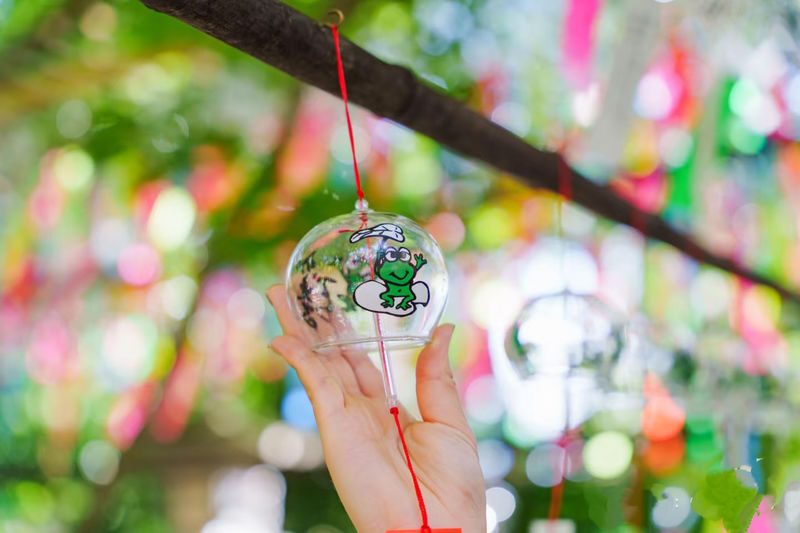
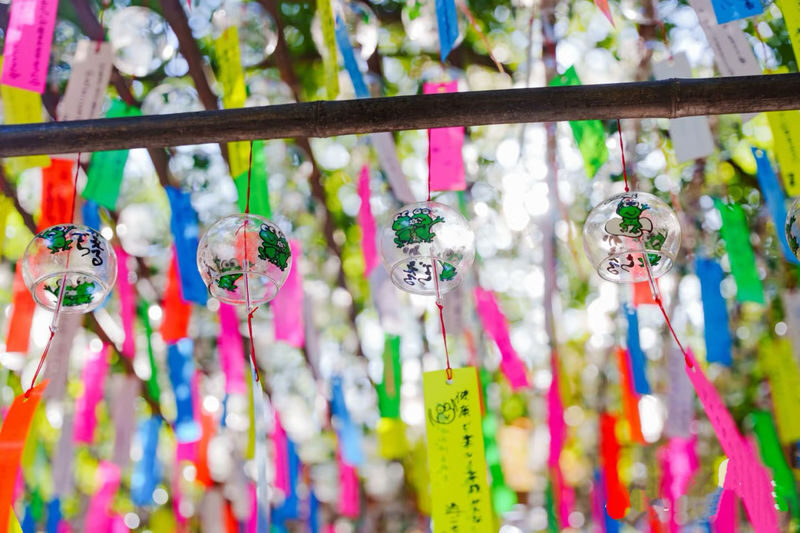
- Nyoirinji’s wind chime season: From May to August, thousands of chimes and colorful strips decorate the temple, especially along the stream and bamboo path.
- Yufuin free time: You get roughly two hours and twenty minutes to explore the town, including its themed shops, food stops, and Kinrinko Lake.
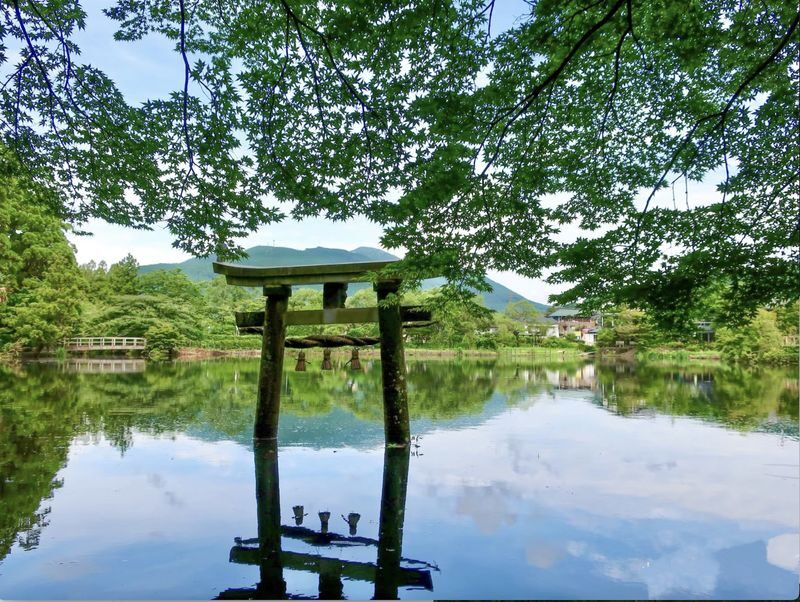
- Kinrinko Lake’s water torii: The lake is among the tour’s listed stops, and it gives you a change of pace from shopping streets and bus travel.
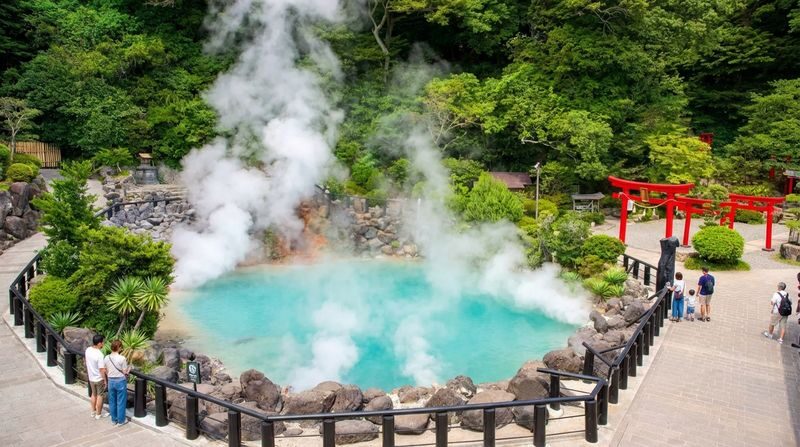
- Beppu’s steaming hells: These are geothermal sights to view, not bathing pools. The schedule allows about an hour in the area.
- A helpful guide can make the day easier: Guides such as Daisy, Nicole, Jimmy, and Rena have led departures, but the person and language vary by date.
- A low starting price, with a ticket caveat: The tour starts at $44.20, but check whether your selected package includes the Sea Hell admission.

👉 See our pick of the 3 Best Workshops And Classes In Beppu
From Fukuoka to the frog temple
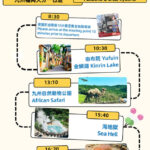
The bus leaves at 8:30, with a return scheduled for around 18:30 at Lawson Fukuoka Oriental Hotel. Arrive at the meeting point ten minutes early. The day covers several widely spaced destinations, so the shared coach is the main practical advantage: you can see the temple, Yufuin, and Beppu without arranging each leg yourself.
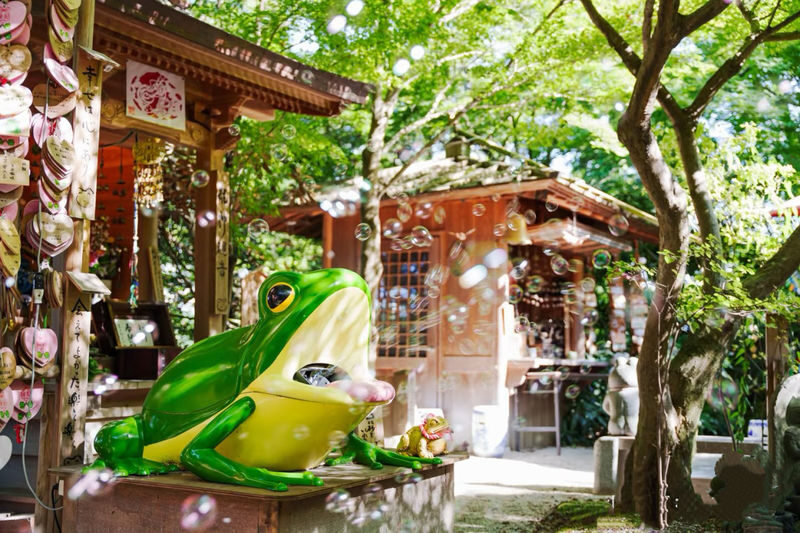
Nyoirinji Temple, often called Frog Temple, is the first stop, with about 40 minutes to look around independently. The temple’s frog motif gives it a playful character, but the summer wind chime display is the main seasonal draw. From May through August, chimes hang around the grounds, their paper strips moving in the breeze.
The stream and bamboo path are especially appealing places to pause and listen. The sound and shade offer a welcome break on a hot day, though the festival is seasonal, not a year-round guarantee. If you are visiting outside those months, the temple remains a stop, but do not expect the full chime display.
Forty minutes is enough for a look around and a few photos, not a long, contemplative temple visit. I’d take a quick look at the grounds first, then spend any spare minutes on the quieter paths rather than trying to see every corner at once.
You can also read our reviews of more tours and experiences in Beppu


Yufuin: shops, lake, and mountain views
The longest stop is Yufuin, with about two hours and twenty minutes to explore. That is valuable breathing room on a group tour. You can browse, find lunch, and visit the lake, though you will still need to choose what matters most instead of treating the stop as a leisurely half-day.
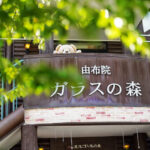
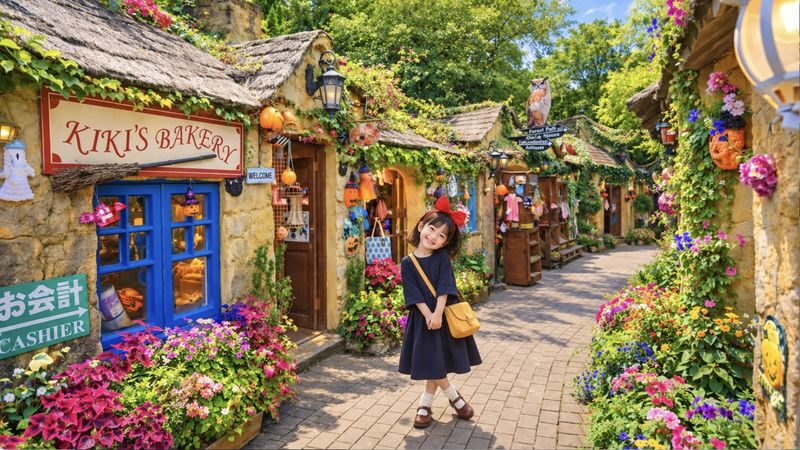
Yufuin Floral Village is designed around a storybook version of an English village, with themed shops and attractions. You’ll find references to Alice in Wonderland and Peter Rabbit, along with the Owl Forest experience and Ghibli-inspired touches. Some people will enjoy the playful, photo-friendly setting; others may find it more like a themed shopping area than a traditional town. It helps to know what you are walking into.
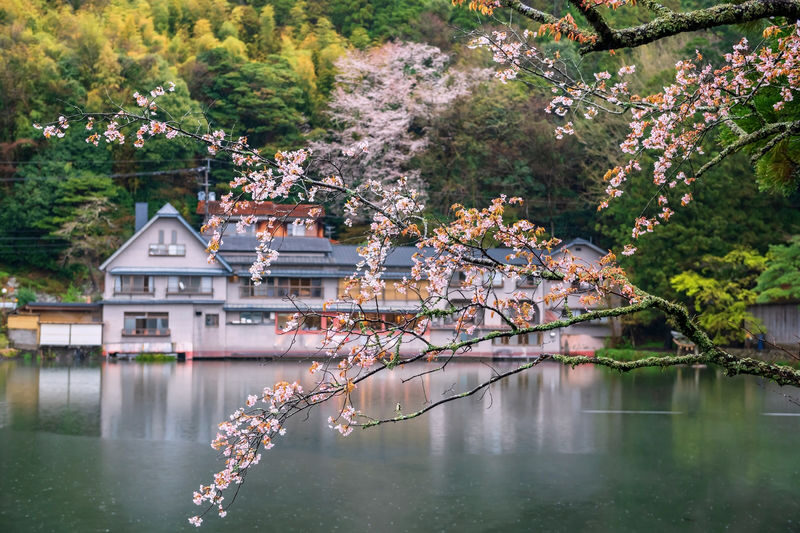
Yufuin has more to offer than its shop lanes. Use some of your free time to reach Kinrinko Lake, which is included among the tour’s listed places. Its water torii makes a distinctive photo stop, and the lakeside offers a calmer counterpoint to the commercial streets. The precise time allocated to the lake is not separately specified, so ask your guide where to meet and keep an eye on the clock.
You can also try a rickshaw ride at your own expense. It is an optional extra, not part of the tour price, and it will take time from your Yufuin visit. If the shops, lake, and lunch are your priorities, decide before boarding whether the ride is worth the trade.
Mount Yufu is the area’s landmark volcano, with colors that change through the seasons. The planned stop is brief, about 15 minutes, and its purpose is mainly to take in the view and get a photograph. Conditions and traffic rules can change how this works: from June 1, the tour information says the trailhead visit becomes a view from the vehicle, with no getting off. In winter, the trailhead closes and Yufuin time is extended by 30 minutes.
That flexibility is useful, but it also means the exact rhythm of the day can change. Treat the mountain stop as a bonus view, not a hike. The tour does not describe a trail walk as part of the schedule.
Beppu’s hell springs are for looking, not bathing
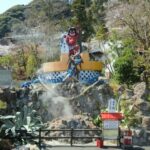
Beppu’s hells are geothermal sights where hot water, mud, and steam rise from the ground. The name refers to their dramatic appearance, not to a bathing experience. You’ll have about an hour in the area, with Sea Hell and Kamado Jigoku included among the tour’s named attractions.
Sea Hell is known for its vivid blue water, the feature behind the tour’s Tiffany-blue description. The color and steam make it an unusual final sightseeing stop, especially after Yufuin’s gentler scenery. Kamado Jigoku is another stop on the route, but one hour is not a great deal of time for lingering at multiple sites. Follow the guide’s instructions about meeting times so you do not lose part of your visit.
Admission needs a careful check before you book. The general tour details list a 900-yen hell ticket as not included, while one package option advertises a free Sea Hell ticket. Do not assume that a promotional Sea Hell ticket covers every paid area or every package. Confirm the inclusions for the exact option you select.
What the price buys, and what it does not
At a starting price of $44.20, this can be good value if you want to cover Fukuoka, Yufuin, and Beppu in one day without piecing together public transport. The value is less about having a guide at your side every minute and more about getting a seat, a route, and timed stops across a broad stretch of Kyushu.
Admission, meals, personal expenses, insurance, accommodation, and hotel pickup are not included in the standard package details. The Sea Hell ticket may be included in a particular offer, so check the package name and terms before comparing prices. A rickshaw ride in Yufuin is also at your own expense.
The reviews highlight smooth organization, helpful guides, and clear time management as strengths. Guides named Daisy, Nicole, Jimmy, and Rena have been praised for practical help, explanations, and recommendations, including restaurant and sightseeing suggestions. Names are not guaranteed, and English is not guaranteed either: request it when booking, and understand that arrangements depend on availability.
The group can include up to 49 people. That keeps the price accessible, but it is not a small private outing. Seat allocation is generally first come, first served, and the operator will try to accommodate requests without promising a particular seat. A past guest found a full bus and direct sun uncomfortable, so bring water, a hat, and anything you need for a long ride.
Planning for traffic, weather, and a long day
This is a ten-hour tour on paper, but traffic can stretch the return. Congestion is especially likely on Japanese weekends and holidays, including the Obon period from August 13 to 16. The operator advises against scheduling dinner, a flight, or a Shinkansen connection for that evening. Bring a light snack and a power bank, since you may not want to spend limited stop time searching for food or a place to charge your phone.
The schedule can also change because of weather, road controls, or maintenance. In rain, the scenery can still be enjoyable, but outdoor stops and photographs may be less rewarding. Wear comfortable shoes and light clothing, with an extra layer if the forecast calls for it. Flower and autumn foliage timing can vary, and the tour proceeds even if seasonal colors do not match your hopes.
You will receive pre-trip information through your reserved contact method, generally between 17:00 and 21:00 the day before departure. Check your email and spam folder. If no message arrives, the instructions say to reach the meeting point early and look for the JRT tour guide flag.
The tour requires at least one participant, though a departure can be canceled if the minimum group requirement is not met. If the vehicle is small, the driver may also act as the escort rather than a separate tour leader. There are no child seats, and children who need their own seat must be booked accordingly.


Who should book this Kyushu day trip?
I’d choose this tour if you are staying in Fukuoka and want a practical sampler of Yufuin and Beppu without managing transport between them. It suits solo visitors, first-time visitors to the area, and anyone who prefers a set route with a guide to help with timing and basic explanations. The temple, lake, themed village, and hot spring sights give the day variety.
It is less suited to anyone who wants a slow visit, a long soak in an onsen, or an in-depth look at each Beppu hell. The springs are viewing attractions, not bathing facilities, and the bus schedule sets the pace. If Yufuin is your main interest, consider whether two hours and twenty minutes will be enough for your preferred mix of shopping, lunch, and lakeside time.
Book it if you value convenience and variety more than freedom to linger. Before paying, confirm your guide-language option and whether your selected package includes Sea Hell admission. Then leave the evening open: the scenery is worth the day, but Kyushu’s roads get the final say.
Kyushu: Nyoirin-ji Temple & Kinrinko Lake Water Torii & Yufuin & Beppu Hells Tour Day Trip
“Well organized with links. Thank you Eiichi-san and Kama-san”
FAQ
Where does the tour depart from?
It departs from Fukuoka at 8:30. The listed return point is Lawson Fukuoka Oriental Hotel, with arrival scheduled for around 18:30.
How long is the tour?
The scheduled day runs from 8:30 to 18:30, for a total of about ten hours. Traffic can delay the return.
How much time do I get in Yufuin?
The planned Yufuin stop is about two hours and twenty minutes. The schedule may change because of traffic, weather, or other operating conditions.
Is the Beppu hell ticket included?
The general details list a 900-yen hell ticket as not included. Some package options advertise a free Sea Hell ticket, so check the exact package you book.
Is the tour guide available in English?
English may be available if you request it when booking, but it is not guaranteed. The vehicle may include people using different languages.
Can I bathe in the Beppu hells?
No. The hells are geothermal sights for viewing, not traditional bathing hot springs.
What happens if traffic or bad weather changes the schedule?
The order of stops and time at each place may be adjusted. The tour information advises leaving the evening unscheduled because traffic can cause delays.