Maki-e turns a brushstroke into something that catches the light. At Inui Shikki, you paint a design onto lacquer, then dust it with metallic powder to bring the pattern forward. This is a chance to try a Kyoto craft with an artisan, not just admire finished objects behind glass.
I like two things here: you get to work with the materials yourself, and the artist can answer questions as you go, with an English- or Chinese-speaking guide helping. The studio also displays examples of the artisan’s work, so you can see what the technique can do before making your own small piece.
The main consideration is time and price. The listed price starts at $182.89, and the scheduled visit appears to run about 90 minutes, despite the summary describing it as one hour. That is a substantial cost for a short activity, so it makes the most sense if you value direct instruction and a handmade keepsake.
- What makes this Kyoto workshop worthwhile
- What Maki-e means when you try it yourself
- Inside Inui Shikki’s lacquer studio
- From brush lines to metallic finish
- A short session, with a timing detail to check
- Is 2.89 good value?
- Who will enjoy making a Maki-e keepsake
- Should you book the workshop?
- FAQ
- How long does the workshop take?
- Where does the workshop take place?
- What will I make?
- Do I need experience with lacquer art?
- What languages are supported?
- Can I cancel for a refund?
- The Best Of Kyoto!
- More Workshops & Classes in Kyoto
- More Tours in Kyoto
- More Tour Reviews in Kyoto
- Not for you? Here's more nearby things to do in Kyoto we have reviewed
What makes this Kyoto workshop worthwhile
 1 / 6
 2 / 6
 3 / 6
 4 / 6
 5 / 6
 6 / 6
- You make the decoration yourself: Brush a design onto lacquer, then add metallic powder to reveal it.
- An experienced Maki-e artist leads the work: An English- or Chinese-speaking guide helps you ask questions and follow the steps.
- Beginners are welcome: The process is described as accessible, and materials are provided.
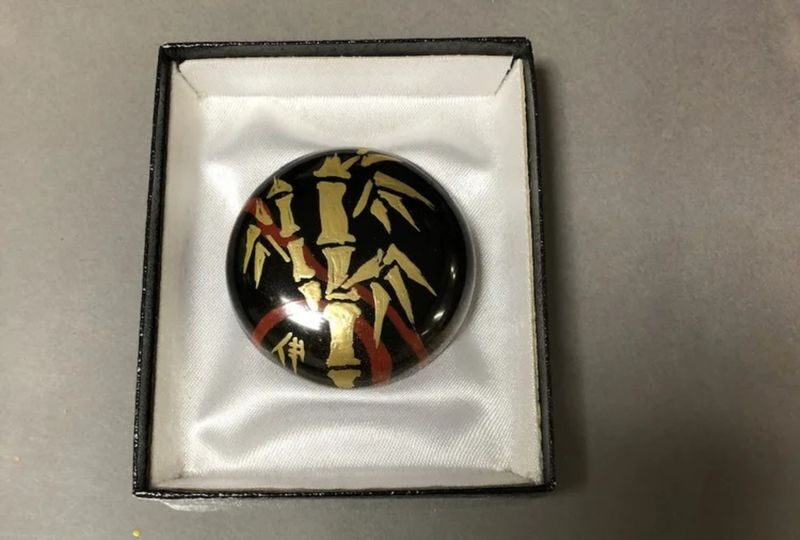
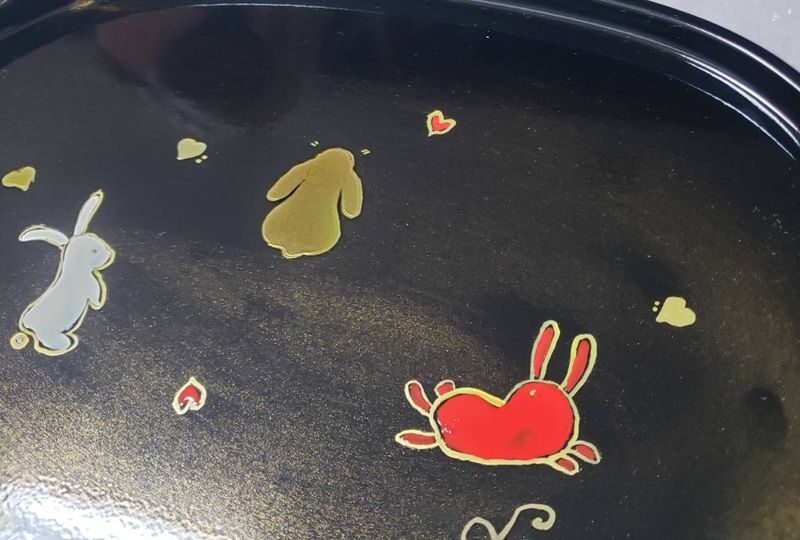
- Choose a tray or brooch: The finished piece is packaged for you to take home.
- Plan for a 90-minute time slot: The available departure and return times suggest a longer visit than the one-hour summary.
- Expect a focused studio experience: The activity centers on the craft itself, rather than a broader sightseeing tour.
👉 See our pick of the 25 Best Workshops And Classes In Kyoto
What Maki-e means when you try it yourself
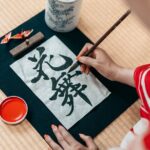
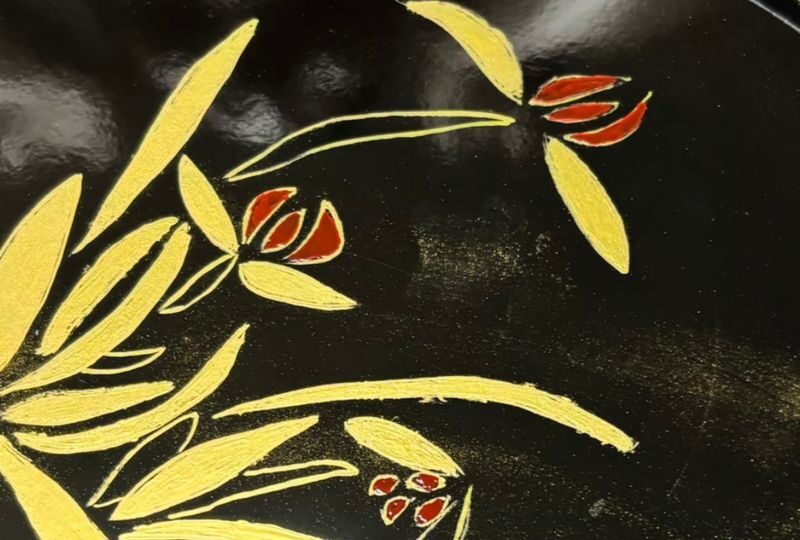
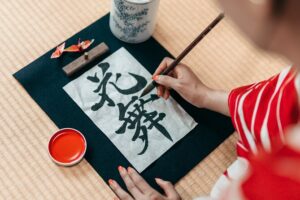
Maki-e is a traditional Japanese lacquer-decorating technique. In this workshop, the basic idea is easy to grasp: paint delicate lines onto lacquer, then sprinkle metallic powder over them. The powder catches on the design and gives it a shimmering finish.
That simple sequence calls for a steady hand. The appeal is not speed or a big reveal at the end of a long production process. It is the care involved in placing a line, choosing a motif, and seeing the powdered metal make the design visible. The activity is described as calm and precise, which is a useful expectation if you prefer a quiet, concentrated craft session to a fast-paced group activity.
You do not need to arrive with an artistic plan. Seasonal motifs are one option; a playful modern pattern is another. The experience is meant for beginners, and the artisan guides you through the work. If you have been curious about Maki-e but find the finished objects hard to understand from a display case, handling the materials can make the technique much more tangible.
The workshop works at a small scale: you create an elegant tray or a brooch. It is not a course in every stage of lacquerware production, and a short session cannot teach the full craft. But you do get to practice the defining decorative step and leave with something you made.
You can also read our reviews of more tours and experiences in Kyoto

Inside Inui Shikki’s lacquer studio
The workshop takes place at Inui Shikki, at 637 Heinouchicho, Nakagyo Ward, Kyoto, 604-0884. The setting is a traditional lacquer studio, where examples of the artist’s work are displayed around the shop. Those pieces offer a helpful reference point: you can see the fine lines and metallic finish that the technique can produce before trying your own version.
An experienced Maki-e artist leads the session. The included guide speaks English or Chinese, giving you a way to ask questions and follow the instructions. That support matters in a craft workshop, where a quick explanation of how to apply lacquer or powder can shape the whole experience. The artisan’s work is part of the lesson too. Looking at examples in the studio helps connect your small practice piece to a wider art form.
No artist or guide names are provided, so you should not expect a named instructor in advance. What is specified is the combination of an experienced artist and a language guide. A participant who came wanting to learn more was able to ask many questions through the translator, and found that help made the session especially rewarding. If you are curious, use the opportunity to ask about the materials, the design choices, and what makes Maki-e distinctive.
From brush lines to metallic finish
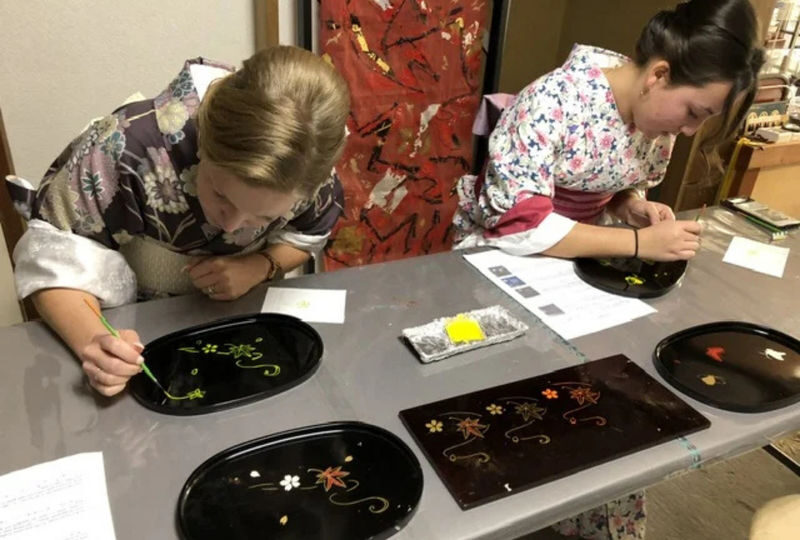
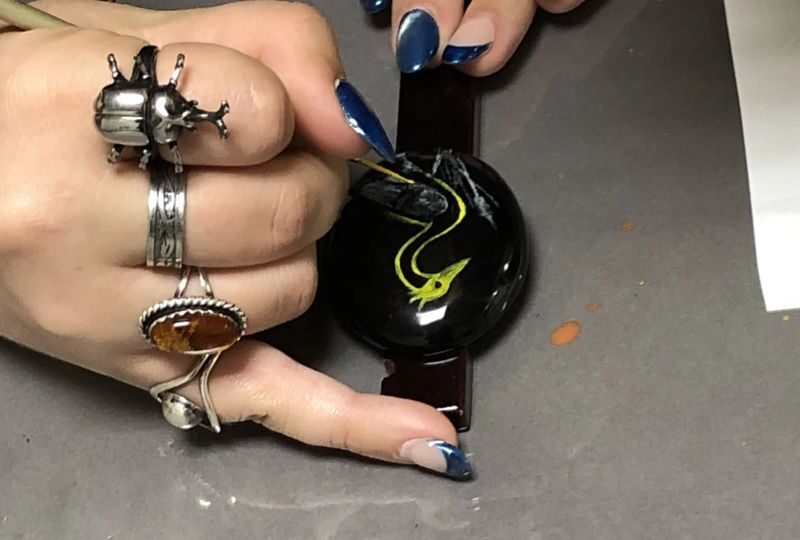
The hands-on portion begins with choosing or painting a design. You work with urushi lacquer, applying it carefully to the surface. Then you sprinkle gold- or silver-colored powder over the lacquered marks. This is the key moment: the powder transforms painted lines into a bright decorative pattern.
The supplied details do not specify exactly how much free design time you get, or how much of the process the artisan demonstrates before you begin. Still, the activity is presented as suitable for first-timers, with guidance at each step. You do not need prior training to take part. Go in ready to listen, work patiently, and accept that the charm of a handmade object often lies in its small irregularities.
The available designs can range from seasonal motifs to modern patterns. That choice lets you make the piece feel personal without needing to invent a complicated image from scratch. If you are stuck, the artist’s examples around the studio can help you decide what appeals to you. Keep the goal modest: the session is an introduction to a historic craft, not a promise that you will produce a professional-grade work in one sitting.
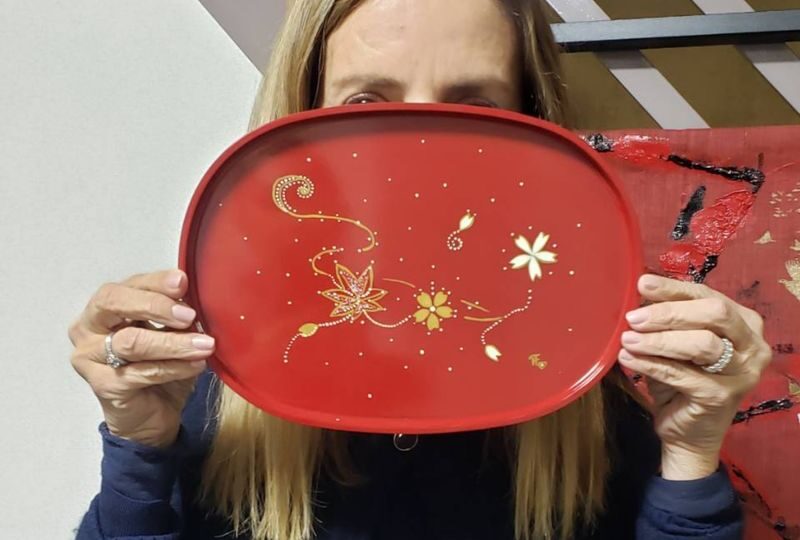
Once your design is complete, the finished piece is packaged for you to take home. The workshop names a tray or brooch as the possible object, but does not say which one is included in every booking. Confirm the exact item when you book if that distinction matters to you. Either way, the result is more personal than a standard souvenir because you have worked on the decoration yourself.
A short session, with a timing detail to check
The experience is sold as one hour in the summary, but the itinerary gives a 1-hour-30-minute guided visit at Inui Shikki. The listed departure and return options also indicate a 90-minute window: depart at 10:00 and return at 11:30, at 13:00 and return at 14:30, or at 16:00 and return at 17:30. Options can vary depending on the selected departure time.
Treat the 90-minute slot as the practical plan, but check the confirmed schedule after booking. The exact meeting time is confirmed after purchase, and the meeting-point information says not to arrive too early because the artisan may still be preparing and the guide may not yet be there. This is a small but useful detail: arrive at the time you are given, rather than waiting outside well in advance.
The activity is based at the studio, and the supplied information does not describe transport between a separate departure point and the workshop. Check the meeting instructions and map before setting out. You need to attend the time selected at booking; late arrivals and no-shows are not refundable. The voucher is valid only for the specified date and, where applicable, time.
Is $182.89 good value?
At a starting price of $182.89, this is not a casual, low-cost craft stop. The value depends on what you want from a Kyoto activity. You are paying for access to a working lacquer studio, guidance from an experienced artist, help from an English- or Chinese-speaking guide, materials, and a handmade object to take home. The chance to ask questions and try the decorative technique yourself adds more than a quick demonstration would.
The short format is both a strength and a limit. It fits neatly into a day of sightseeing, and you get a focused encounter without committing half a day. But 90 minutes is not long enough to master a centuries-old art form. Think of it as a carefully guided introduction and a personal souvenir, not formal training or an in-depth course.
I would consider the price easier to justify if you are especially interested in Japanese crafts, value one-on-one instruction, or want a keepsake with a story behind it. If your main goal is simply to fill an hour at the lowest cost, other activities may suit you better. The single published participant rating is five out of five, and the provider has a 96 percent good-review rate across 27 total reviews. That is encouraging, though it is still a small pool for this specific workshop.


Who will enjoy making a Maki-e keepsake
This activity suits curious beginners, craft-minded visitors, and anyone who likes learning by doing. It can also be a good choice if you want a quieter break from sightseeing and enjoy work that rewards patience. There is no age limit, according to the activity details, though the slow, careful process may appeal most to people who are comfortable concentrating on fine work.
You do not need to be an artist. The workshop welcomes beginners, provides materials, and offers guidance through the process. It is also a thoughtful option for someone who has already seen lacquerware and wants to understand how a decorative detail is made. The scale is manageable, and the finished tray or brooch is a direct reminder of your time in Kyoto.
It may be less suitable if you expect a long lesson, a broad tour of Kyoto, or a finished object produced entirely by the artisan. The focus is on making your own design, and the time is limited. Personal food and drinks are not allowed, and anyone who appears intoxicated may be refused service without a refund.
For planning, book the departure time you can reliably reach. The choices are 10:00, 13:00, and 16:00, with corresponding return times depending on the slot. Confirmation arrives within 48 hours; if you do not receive a confirmation email, contact customer support. You can cancel for a full refund at least 24 hours before the activity date, using destination local time.
Should you book the workshop?
Book it if you want a close-up introduction to Maki-e, appreciate careful handwork, and like the idea of taking home a piece you decorated yourself. The strongest reasons to go are the direct guidance from an experienced artist and the chance to ask questions with language support. The studio examples and gold- or silver-colored powder make the process easy to picture, even if you have never tried lacquerwork.
Skip it if you are looking for a cheap activity or a full technical course. The price is high for a short session, and the published duration is inconsistent, so confirm the timing before building your day around it. If the craft itself matters to you, though, this is a focused way to meet one of Kyoto’s traditional arts with your hands, not just your camera.
Kyoto: Maki-e Lacquer Art Workshop
“I loved this experience! I have been wanting to experience and learn more about maki-e for years. The sensei is an experienced maki-e artist and wo…”
FAQ
How long does the workshop take?
The summary describes the activity as one hour, while the guided visit and the listed departure-return windows indicate about 1 hour 30 minutes. Check the confirmed schedule before you go.
Where does the workshop take place?
It takes place at Inui Shikki, 637 Heinouchicho, Nakagyo Ward, Kyoto, 604-0884, Japan. Check the meeting instructions and map for assistance.
What will I make?
You will create a gold-decorated tray or brooch using urushi lacquer and metallic powder. The finished piece is packaged for you to take home.
Do I need experience with lacquer art?
No. The workshop is described as beginner-friendly, and an experienced Maki-e artist guides you through the process.
What languages are supported?
An English- or Chinese-speaking guide is included.
Can I cancel for a refund?
You can receive a full refund if you cancel at least 24 hours before the activity date, using destination local time.