The most unusual part of this Osaka day trip is the short ride on the Tango Sea Train, especially the crossing of the Yura River Bridge, where the track runs above the water. The journey then trades rail views for Amanohashidate’s long pine-covered sandbar and Ine’s rows of boat garages beside the bay.
I like the contrast between the stops: you get a classic view from Amanohashidate ViewLand, then a quieter look at daily life around Ine’s waterfront. I also like that the coach, train fare, and English or Chinese-speaking guide are included, which takes some of the strain out of reaching this far-flung corner of Kyoto.
The main catch is time. You’ll leave Osaka early, share the day with a group of up to 48, and have limited hours at each stop. The train can also be crowded, and the lowest-priced package does not include either the cable car or the Ine boat.
- At a glance: what matters most
- From Osaka to the Yura River Bridge
- Amanohashidate: sand, pines, and a dragon in the sky
- Ine: boathouses built right over the bay
- What the guide adds, and where service can vary
- Is the price good value?
- Who should book this day trip?
- FAQ
- Where does the tour depart from?
- Is the Tango Sea Train included?
- Are the cable car and Ine sightseeing boat included?
- How long is the tour?
- Are meals included?
- Can I bring luggage or a child who does not need a seat?
- More Tours in Miyazu
- More Tour Reviews in Miyazu
- Not for you? Here's more nearby things to do in Miyazu we have reviewed
At a glance: what matters most
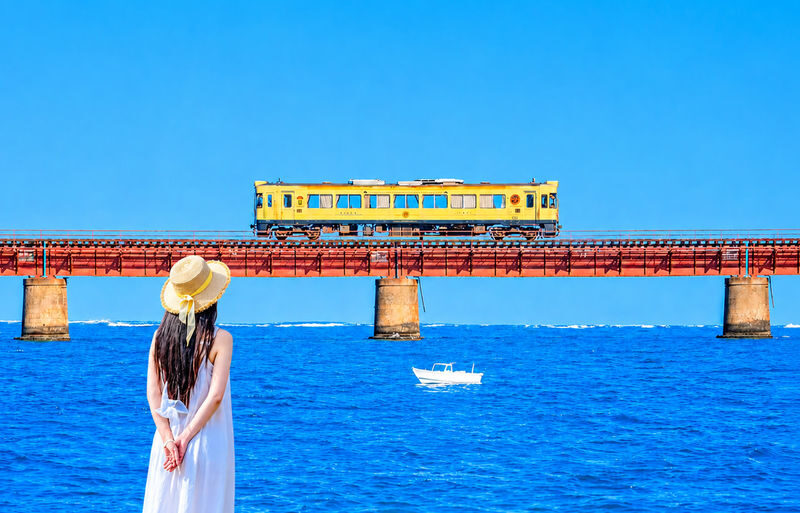
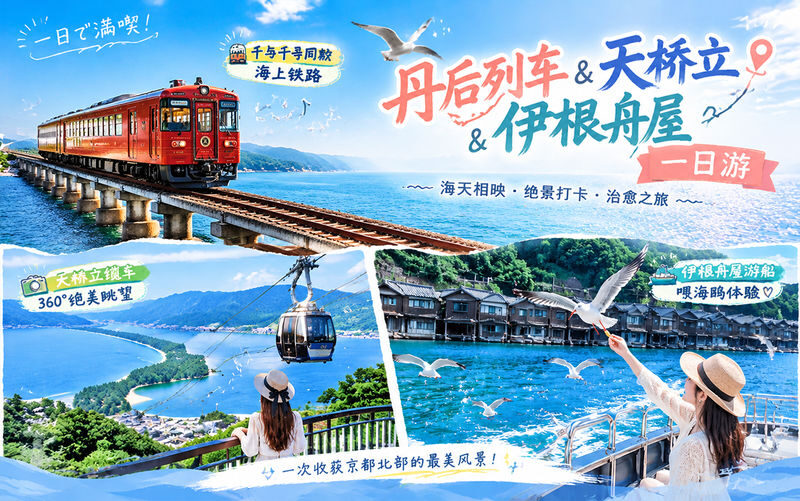
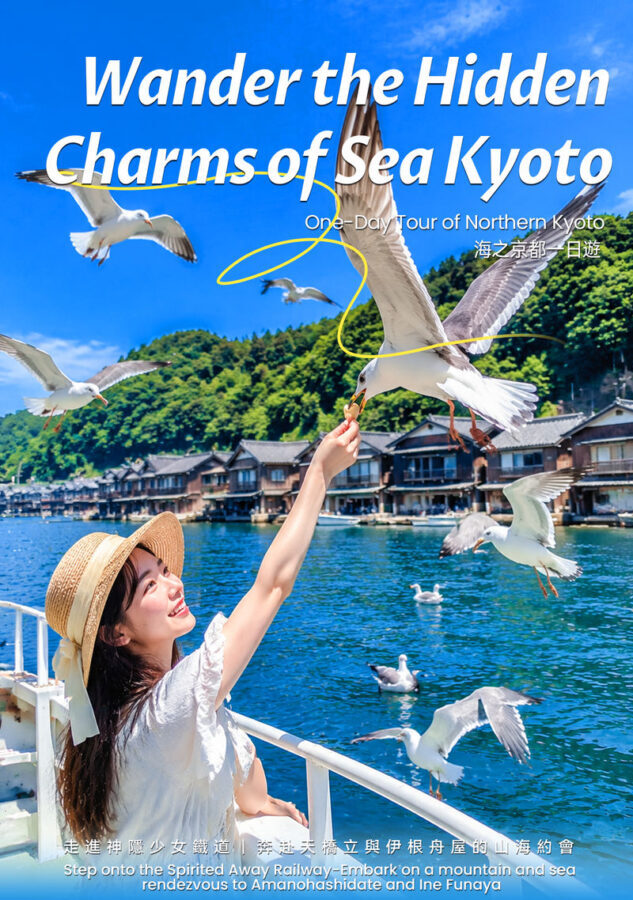
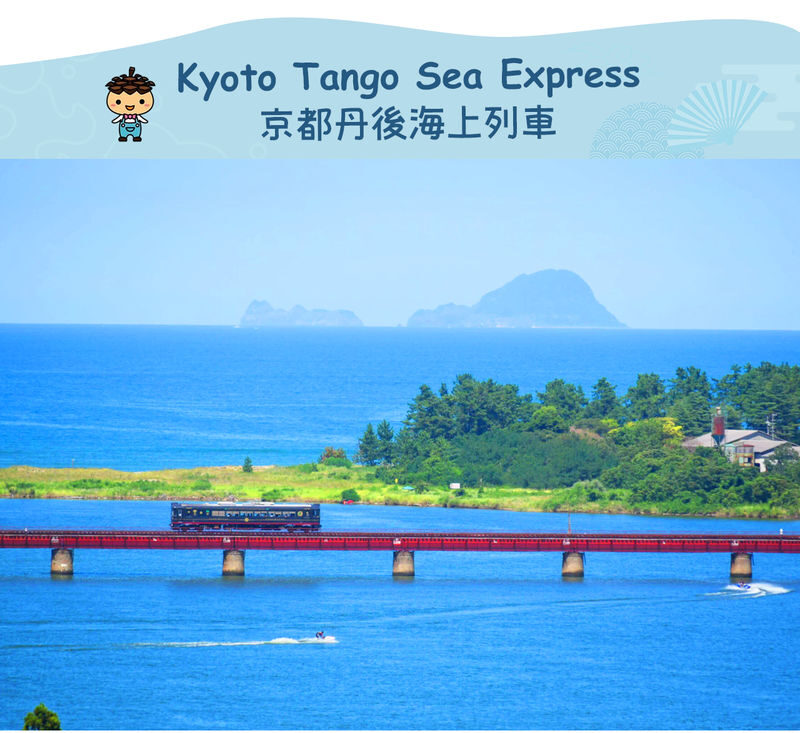
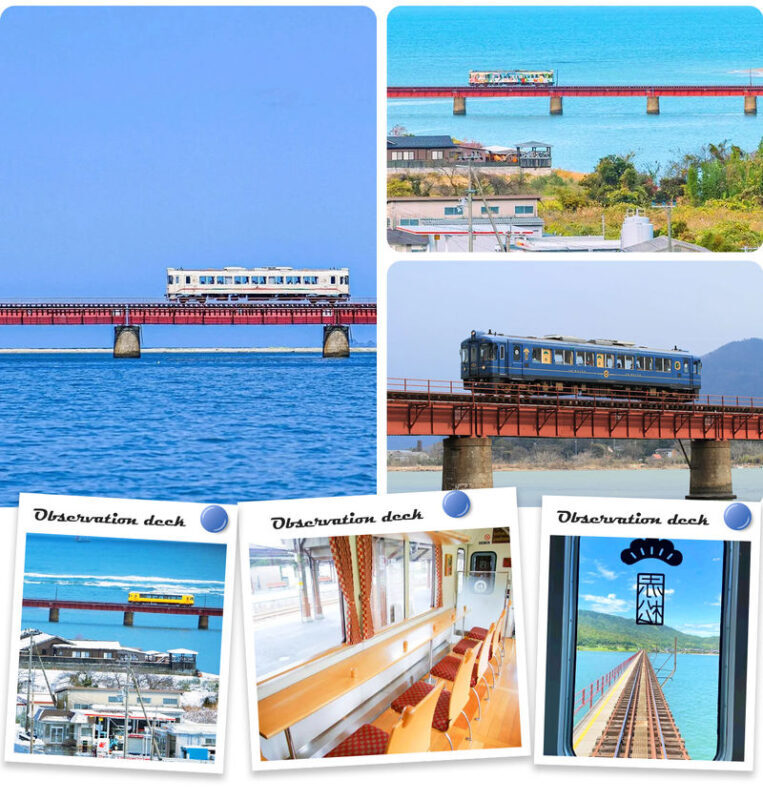
- Yura River Bridge: The included Tango Sea Train crosses a section of track above the river, a striking moment on the coastal route.
- Amanohashidate from above: ViewLand’s cable car or chairlift gives you the familiar bird’s-eye view of the sandbar and Miyazu Bay. It costs extra in the base package.
- Ine’s waterfront boathouses: The funaya are working homes with boat garages at water level, not a staged village set.
- Two versions of the tour: The lower starting price includes the train but excludes the ViewLand cable car and Ine sightseeing boat.
- A very full day: Expect an early departure, coach transfers, several hours of sightseeing, and a return to Osaka around 6:00 to 6:40 p.m.
- Guide service can shape the day: Guides including Hu, Vivi, Joanna, and Liu have received praise for clear explanations and practical tips, but communication and group management can vary.
From Osaka to the Yura River Bridge
The day begins at 7:10 a.m. at the meeting point in Osaka. Arrive at least 10 minutes early and look for the guide holding a GOGODAY flag. The operator sends the guide and vehicle details by email the evening before, usually between 8:00 and 9:00 p.m. Check your spam folder, and use the most recent message if more than one arrives.
The tour is a carpool trip, so you may share the vehicle with people on different language options. The operator arranges the vehicle based on the day’s group size, and it cannot be chosen in advance. The stated group limit is 48, so this is not a small-group outing. If you value a guide who can give personal attention to everyone, keep that in mind.
The drive takes you north from Osaka to Nishi-Maizuru Station. At around 9:10 a.m., you board the Tango Sea Train toward Amanohashidate. The train ticket is included, and the crossing of the Yura River Bridge is the moment many people are waiting for: rails extend over the water, with the coast and sky meeting around them.
The train ride lasts about an hour and ten minutes. The description of a Spirited Away-like railway is a mood-setting comparison, not a promise of a private sightseeing carriage or guaranteed window seat. This is a regional train, and it can be busy. Some groups have found the carriage crowded enough to make taking photographs difficult, so set your expectations accordingly. The view is still appealing, but the experience depends in part on the day’s passenger load and where you can stand or sit.
You can also read our reviews of more tours and experiences in Miyazu.


Amanohashidate: sand, pines, and a dragon in the sky
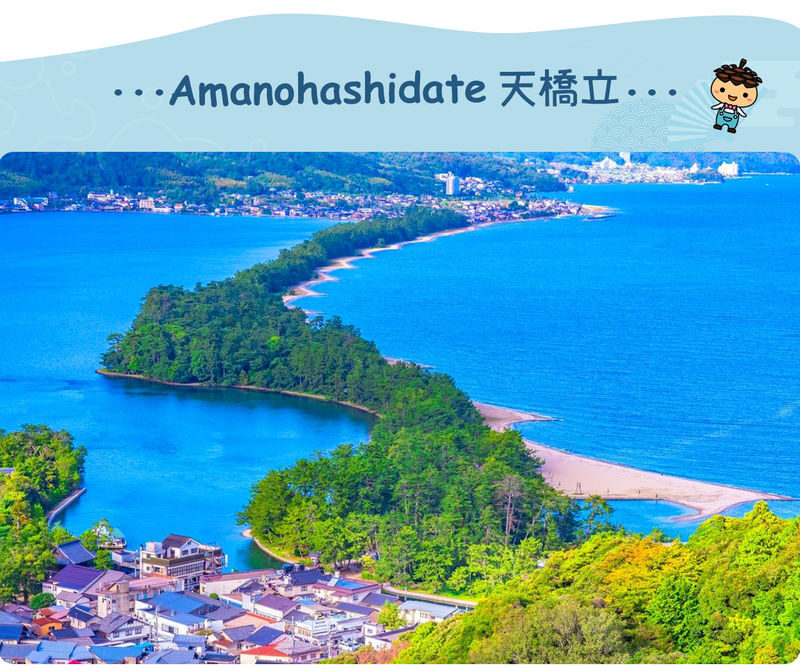
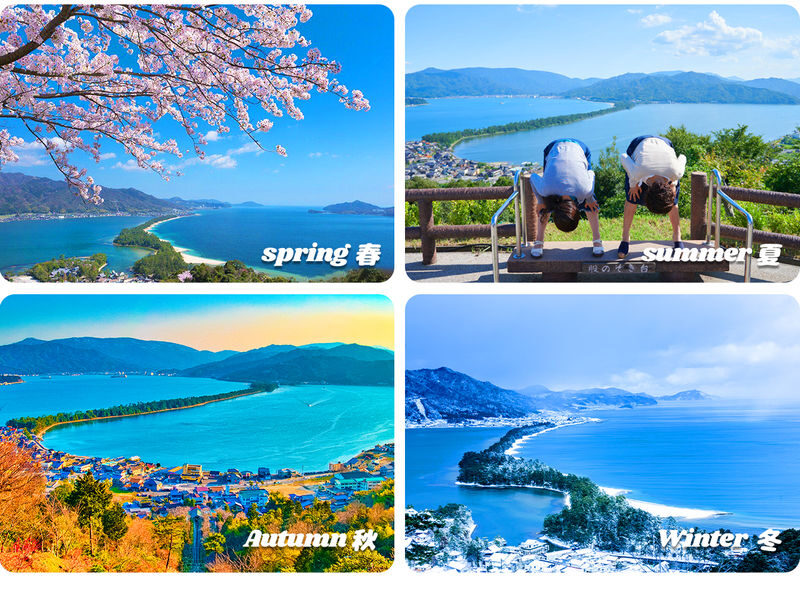
Amanohashidate is one of Japan’s Three Scenic Views, along with Matsushima and Miyajima. Its long sandbar crosses Miyazu Bay, lined with pine trees and edged by pale beaches. From ground level, it reads as a narrow green strip across the water. From above, the shape becomes the main event.
The tour allows about two hours and twenty minutes here, with arrival around 10:30 a.m. That sounds generous until you factor in the cable car, the viewpoint, the temple area, food, and the walk around the entrance to the sandbar. You’ll have to choose what matters most rather than assume you can do everything at an unhurried pace.
For the classic view, head to Amanohashidate ViewLand. The cable car or chairlift climbs to a lookout above the bay, where the sandbar is said to resemble a dragon rising toward the sky. The traditional viewing pose is to bend forward and look at the sandbar between your legs, making it appear to fly upside down. It is playful, a little silly, and part of the place’s appeal.
The cable car is not included in the least expensive package. If seeing the famous overhead view is a priority, compare the two package options before booking. The upgraded option includes both the cable car and the Ine cruise, while the basic one leaves those costs and arrangements to you. The view is a major reason to visit, so it is worth deciding in advance rather than spending precious time sorting out tickets on site.
Back near the sandbar’s entrance, Chion-ji Temple offers a quieter pause. The temple is associated with prayers for wisdom and good fortune, and the grounds include stone lanterns and the Circle Stone Lantern of Wisdom. The nearby rotating bridge, Kaisen Bridge, slowly turns to let boats pass. If you happen to catch it moving, it gives the waterfront an unexpectedly theatrical moment.
You can also try the local Wisdom Mochi, a sweet treat associated with the temple. Meals are not included, so this is a good stretch of the day to plan lunch. Some guides have shared restaurant suggestions, and one visitor singled out a seafood bowl and a large oyster as a memorable meal. That is useful inspiration, not a guaranteed stop or included meal, so check your time before settling in.
Ine: boathouses built right over the bay
After Amanohashidate, the coach continues to Ine, with about two hours scheduled there from roughly 1:40 p.m. The village is known for its funaya: traditional waterfront houses with boat garages at the ground level and living space above. From the road or shore, the buildings seem to sit directly over the water, backed by green hills. This is a fishing village with working waterfront life, not simply a photo backdrop.
The best way to appreciate the layout is to look across the bay and notice how closely the buildings follow the curve of the shore. You can wander around the village, visit Ineura Park, or stop at Ine Cafe, also known as Funaya Biyori, for coffee and a view. The cafe is a natural place to slow down, but the stop is short enough that a leisurely meal and a full village walk may not both fit comfortably.
The Ine Bay sightseeing boat offers a different angle. It cruises past the boathouses and gives you a close look at their relationship with the water. Seagulls may follow the boat, and feed can be available for passengers to toss. Keep an eye out for eagles: if one appears, stop feeding the gulls and put the feed away to avoid being pecked.
The boat is not included in the base package. You can buy a ticket on site if you choose that option, but availability depends on passenger numbers, and a ticket is not guaranteed. If the cruise matters to you, the package that includes it removes that uncertainty. Even with the boat, do not expect a long voyage; the appeal is seeing the village from the bay, not spending the afternoon at sea.
Ine is the gentler, less activity-heavy part of the day. That is its charm, but it can also feel brief if you want time for a slow cafe stop, a village stroll, and a cruise. Decide which one or two experiences you most want, then use your free time accordingly.
What the guide adds, and where service can vary
A guide is especially useful on a day with a train connection, multiple stops, and a return coach. The stronger experiences have included clear instructions, route suggestions, historical context, restaurant recommendations, and help finding the return bus. Guides named Hu, Vivi, Joanna, Liu, Harry, and Zhao have been praised for being attentive and explaining the sights in an engaging way.
That support matters because the schedule is tight. A good guide can tell you where to go first, how long you can linger, and what to prioritize. Several guides have helped with photos or shared maps and practical reminders, which can make an unfamiliar place easier to navigate.
There is a less predictable side. Some participants have found explanations too quiet or unclear, and a few have reported poor time management or weak translation. The tour is promoted for English and Chinese-speaking support, but the group may include people speaking other languages, and the clarity of commentary can vary by guide. If English explanations are essential to your experience, ask the operator about the language arrangement before booking rather than assuming every detail will be interpreted fully.
Is the price good value?
The advertised starting price is from $51.19, but treat that as the entry point, not the full cost of every experience. The base package includes round-trip transfers from the Osaka meeting point, the Tango Sea Train fare, and an English or Chinese-speaking guide. It excludes meals, drinks, personal expenses, the Amanohashidate cable car, and the Ine sightseeing boat.
The value is strongest if you want to see both Amanohashidate and Ine in one day without planning the train and coach connections yourself. Northern Kyoto is a long way from Osaka, and arranging several legs independently takes time. Here, transport and the broad schedule are handled for you, leaving you to focus on the scenery.
The tradeoff is a fixed pace and some extra costs. Add the cable car and boat if both are priorities, and remember lunch is on your own. The package that includes them may be better value for anyone who wants the signature viewpoints and cruise; the basic option makes more sense if you are happy to walk around and decide on the boat locally.
The tour has an overall rating of 4.7 out of 5 from 300 ratings. That is a strong result, but it does not erase the practical complaints about crowding on the train, short free time, and uneven guiding. I’d view the rating as evidence that the route works well for many people, not a guarantee that every part will feel smooth.




Who should book this day trip?
This outing suits you if you want a broad look at northern Kyoto and would rather let someone else manage the long-distance transport. It is also a good fit if you enjoy scenic viewpoints, coastal villages, and a day that mixes a train ride with time outdoors. Families can bring children, but children aged three and older pay the adult rate, and child seats are not available.
It is less suited to anyone who wants a slow visit, extensive time at each stop, or a quiet train carriage. The group may be large, the day starts early, and weather or traffic can change the order or duration of stops. Attractions may be skipped if conditions or capacity require it.
Pack for walking and changing weather, and bring only manageable luggage. One carry-on-size piece per person is allowed if you note it when booking; unannounced luggage can cause boarding problems. Adults aged 70 or older and pregnant participants must arrange a liability waiver with the supplier. The return to Osaka is estimated between 6:00 and 6:40 p.m., but traffic can delay it, so leave the evening free.
I’d book this tour if convenience and range matter more to you than lingering. Choose the package with the cable car and cruise if those are must-dos. Choose the lower-priced version if you are comfortable paying separately or skipping them, and go in knowing that the train’s famous sea crossing may be crowded. For a single day that links a celebrated sandbar with a fishing village, it offers a lot of northern Kyoto without asking you to solve the transport puzzle yourself.
Kyoto Coast Fairytale Journey: Sea Train & Amanohashidate & Ine Funaya One-Day Tour
“Tour guide Vivi is very attentive, and the explanations in both Chinese and English are very clear!”
FAQ
Where does the tour depart from?
It departs from a meeting point in Osaka at 7:10 a.m. The guide is identified by a GOGODAY flag. The operator sends the guide and vehicle details by email the evening before, so check your inbox and spam folder.
Is the Tango Sea Train included?
Yes. The tour includes admission to the Tango sightseeing train from Nishi-Maizuru Station toward Amanohashidate.
Are the cable car and Ine sightseeing boat included?
They are included only in the package option that lists both. The lower-priced option excludes them. If you buy the boat ticket on site, availability is not guaranteed.
How long is the tour?
The tour lasts about 11 hours. Departure is scheduled for 7:10 a.m., and the estimated return to Osaka is between 6:00 and 6:40 p.m. Traffic and weather can affect the arrival time.
Are meals included?
No. Meals, drinks, and personal expenses are not included.
Can I bring luggage or a child who does not need a seat?
Each traveler may bring one piece of luggage, preferably carry-on size, but you must note it when booking. Infants aged zero to two who do not occupy a separate seat must still be included in the passenger count and declared in advance. Child seats are not available.
More Tours in Miyazu
- Kyoto Amanohashidate & Ine Funaya Day Trip (Optional Tango Train and Miyama Route)
★ 4.8 · 1,735 reviews
More Tour Reviews in Miyazu
- Kyoto Amanohashidate & Ine Funaya Day Trip (Optional Tango Train and Miyama Route)
★ 4.8 · 1,735 reviews


