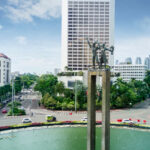
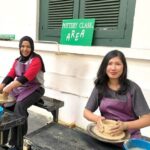
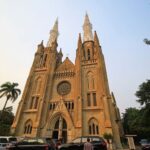
Jakarta’s past comes into focus through three very different museums, then you get to trade display cases for clay and make something with your own hands. This half-day tour pairs the old quarter’s history and money collections with a pottery class, a welcome change from a day spent only indoors or in a mall.
I like the mix of museums and making: the guided visits give context, while the pottery session lets you try a local craft rather than only look at one. I also like that guide Desi has been praised for her enthusiasm and for sharing Indonesian life and trivia beyond the formal tour. One important wrinkle: the tour information conflicts about hotel transfers, so confirm how you get to the 9:00 meeting point before you book.
- At a glance
- A museum day with clay at the end
- Start in Jakarta’s old quarter
- A lunch hour between museums
- Indonesian crafts, then your own pottery
- What the price covers, and what needs checking
- Practical details before you go
- Who should book this Jakarta tour?
- FAQ
- How long does the tour last?
- Which museums are included?
- Is pottery class admission included?
- Is lunch included?
- Where does the tour start?
- Are hotel transfers included?
- Is the tour wheelchair-accessible?
- The Best Of Jakarta!
- More Museum Experiences in Jakarta
- More Tours in Jakarta
- More Tour Reviews in Jakarta
- Not for you? Here's more nearby things to do in Jakarta we have reviewed
At a glance
- Three museums, three angles on Jakarta: Visit the Jakarta History Museum, Bank Indonesia Museum, and Museum of Fine Arts and Ceramics.
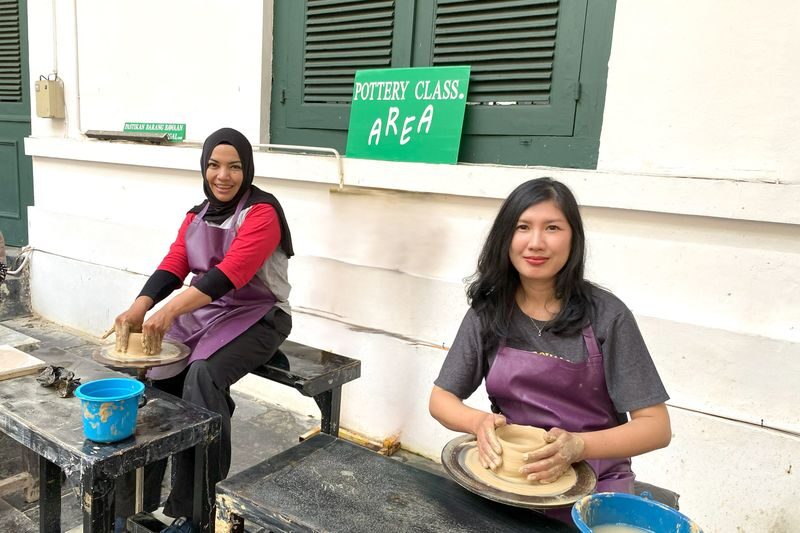
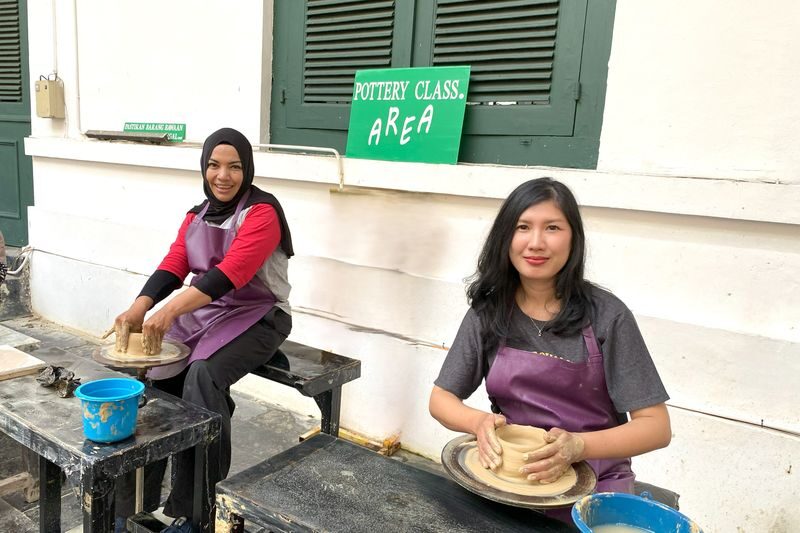
- A 90-minute pottery class: Make a craft by hand with simple tools; the exact project and techniques are not specified.
- A guided six-hour schedule: The day is planned from 9:00 to around 15:00, with a one-hour lunch break.
- Admissions are included: Museum and pottery class entry are covered; lunch, drinks, tips, personal expenses, and insurance are not.
- Check the transport arrangement: The details name a meeting point in Kota Tua, but also make conflicting claims about hotel transfers.

👉 See our pick of the 2 Best 3 Day Tours In Jakarta
A museum day with clay at the end
This tour is a compact introduction to parts of Jakarta that can be hard to fit together on your own in one morning. The museums cover the city’s political past, the development of money, and Indonesian arts and crafts. Afterward, the pottery class shifts the pace from listening and looking to making.
The schedule is full but not frantic on paper: four hours of guided museum visits, an hour for lunch, and an hour and a half for pottery, with departure at 9:00 and a planned return between 15:00 and 15:30. Traffic or weather can change the timing, so I would avoid scheduling a tight connection or another fixed activity immediately afterward.
An English- or Bahasa Indonesia-speaking guide leads the tour. Desi is the guide named in two past accounts, and she was praised for her energy and for adding everyday Indonesian details alongside the tour content. Guides can change, so treat her name as a useful indication of the style that has been described, not a promise that she will lead your date.
You can also read our reviews of more museum experiences in Jakarta


Start in Jakarta’s old quarter
Meet at 9:00 in front of Batavia Cafe. The departure point is in Kota Tua, Jakarta’s old quarter, and you are asked to arrive five minutes early. This is a firm start: late arrivals and no-shows are not refundable, so build in time to find the cafe.
The tour begins at the Jakarta History Museum, also known as Museum Fatahillah. Its collection follows the city region from prehistory through the founding of Jayakarta in 1527 and the Dutch colonial era, ending with Indonesia’s independence. The museum opened in 1974. A one-hour guided visit gives you a useful frame for the rest of the day: this is where the story of Jakarta’s changing names, rulers, and civic life begins.
One hour is enough for a guided overview, but not for a slow, object-by-object visit. If you like to read every label or linger in galleries, you may feel the clock. I would use the guide’s route to get the main context, then make a note of anything you would like to revisit independently if you have extra time in the city.
The schedule moves next to Bank Indonesia Museum for another hour. Its collection includes old currencies from around the world, with examples dating as far back as the 14th century, before the colonial period. Money makes a practical lens on history: coins and notes can show how trade, government, and daily life changed over time. The focus here is not simply Jakarta’s buildings or rulers, but the systems that shaped commerce.
For visitors who do not usually choose a finance museum, this stop may be a pleasant surprise. Currency collections can turn abstract economic history into something visible and comparable. Still, the visit is brief, and the supplied details do not spell out which exhibits or galleries the guide prioritizes, so expect a concise introduction rather than an exhaustive tour.
A lunch hour between museums
The plan sets aside one hour for lunch. Meals and beverages are at your own expense, and no restaurant or menu is specified. That gives you some freedom, but it also means you should bring cash and be ready to choose a meal on the day rather than count on a prearranged lunch.
The hour is useful breathing space in a tightly timed itinerary. You can eat, rest, and reset before the final museum and class. Keep an eye on the clock, though: this is a scheduled group outing, and the next stop is part of the booked program.
Indonesian crafts, then your own pottery
The Museum of Fine Arts and Ceramics is the third museum stop, with a one-hour guided visit. Its displays include traditional Indonesian handicrafts. This provides a natural bridge to the final activity: after seeing crafted objects in a museum setting, you get time to work with clay yourself.
The pottery class lasts an hour and a half. The description emphasizes freedom to create what you like using your hands and a few simple tools. That makes the class sound suited to beginners and curious dabblers, not just people who already know pottery. The exact project, instruction style, materials, and whether you take a finished piece home are not specified, so ask the operator if those details matter to you.
This is the tour’s most hands-on element, and it helps balance a day otherwise built around guided museum visits. You are not only hearing about craft traditions; you are trying a form of making. The class is not described as a formal lesson in a specific regional technique, so book it for the chance to make something, not for a guaranteed specialist workshop.
The planned return is between 15:00 and 15:30 at the Museum of Fine Arts and Ceramics, at Jl. Pos Kota No. 2 9 in Pinangsia, West Jakarta. The exact schedule can shift with traffic and weather. The listed return point is a practical detail to consider if you have plans later in the afternoon.
What the price covers, and what needs checking
The headline price is listed from US$33.65, while the package options show a Join In Tour from US$29.29 and a Private Tour from US$35.95. These figures do not line up exactly, and prices may vary by date or booking conditions. Check the price for your selected option before paying rather than assuming the lowest figure applies.
At either quoted rate, the package has clear value if you want all three museum admissions and the pottery class in one outing. Admission to every museum and the class is included, as is an English- or Bahasa Indonesia-speaking guide. You are paying for a planned route and interpretation as well as the activities, which can be useful when you have limited time in Jakarta.
Lunch, drinks, personal expenses, tips, and insurance are not included. The biggest cost question is transport. One part of the tour description says round-trip hotel transfers in the Jakarta City area are included, but the included-services list says hotel pickup and drop-off are not included. It also gives a specific meeting point at Batavia Cafe. These details conflict. Contact the operator or booking platform before you reserve, and confirm whether you need to make your own way to the cafe and arrange your own return.
The group size is not stated. The Join In option is likely the shared format, while the Private Tour is priced separately, but no group cap or private-tour differences are provided. If group size or a particular level of personal attention matters, confirm those details before choosing.
You can also read our reviews of more tours and experiences in Jakarta


Practical details before you go
Wear casual clothing and bring sun protection: sunscreen, sunglasses, and a cap or hat are specifically recommended. Cash is also worth carrying for lunch and personal purchases. The activity is listed as stroller- and wheelchair-accessible, but child seats are not available.
Your voucher is mobile and valid only on the date and time booked. Confirmation is expected within minutes; if it does not arrive, contact customer support. Changes are allowed up to 24 hours before the activity, with exceptions for bookings made through certain passes, presales, freebies, or specific cultural credit programs. A full refund is available if you cancel at least 24 hours before the activity date, using Jakarta local time. In extreme weather or other unforeseen events, the operator may cancel and offer a reschedule or refund.
Who should book this Jakarta tour?
I would choose this tour if you want a guided introduction to Kota Tua and enjoy alternating between cultural visits and a practical activity. It suits first-time visitors who have a half-day available, families looking for a mix of museum time and making, and anyone who would rather have a guide connect the stops than plan each one separately.
It may be less suitable if you want long, unhurried museum visits, a pottery class focused on a named technique, or a day with fully arranged meals and transport. The transfer contradiction is the main point to resolve before booking. If you are happy with a brisk overview, a lunch break you arrange yourself, and a hands-on finish, this is a worthwhile way to spend a Jakarta morning and early afternoon.
Jakarta Half Day Museum Tour with Pottery Classes
“desi was great. she really let me know a lot of trivia not only about the tour but also life in indonesia. i really admire her spirit and enthusias…”
FAQ
How long does the tour last?
The tour is scheduled to depart at 9:00 and return between 15:00 and 15:30. Traffic and weather may affect the schedule.
Which museums are included?
The tour visits Jakarta History Museum, Bank Indonesia Museum, and the Museum of Fine Arts and Ceramics.
Is pottery class admission included?
Yes. Admission to the pottery class and all three museums is included.
Is lunch included?
No. Lunch and beverages are not included. The schedule allows one hour for lunch, and personal expenses are your responsibility.
Where does the tour start?
Meet in front of Batavia Cafe at 9:00. Arrive five minutes early. The tour information also names the Museum of Fine Arts and Ceramics as the return point.
Are hotel transfers included?
The details conflict: one section says round-trip hotel transfers in Jakarta City are included, while another says pickup and drop-off are not included. Confirm the arrangement before booking.
Is the tour wheelchair-accessible?
The activity is listed as wheelchair- and stroller-accessible. Child seats are not available.