The most memorable sight on this Ibaraki day trip is the Kamiiso Torii, a bright vermilion gate perched on rocks beside the Pacific. Then comes a practical pleasure: fresh seafood at Nakaminato Market, followed by a wide-open park where flower fields change with the seasons.
I like the mix of coast, local food and outdoor space, and I like that you get free time rather than being marched through every stop. The catch is timing: the tour reaches the torii around midmorning, not at sunrise, and Hitachi Seaside Park can look very different from one week to the next.
- At a glance
- A coastal torii, then three very different stops
- Oarai Isosaki Shrine and its sea-facing gate
- Nakaminato Market: lunch with a little homework
- Hitachi Seaside Park: flowers on a very large scale
- The road time and the group-tour trade-off
- How to get the most from the day
- Who should book this Ibaraki day trip?
- FAQ
- How long is the tour?
- What stops are included?
- Is lunch included?
- Is Hitachi Seaside Park admission included?
- When do the nemophila flowers bloom?
- Which languages are available?
- Where does the tour return in Tokyo?
- More Tours in Higashiibaraki
- More Tour Reviews in Higashiibaraki
- Not for you? Here's more nearby things to do in Higashiibaraki we have reviewed
At a glance
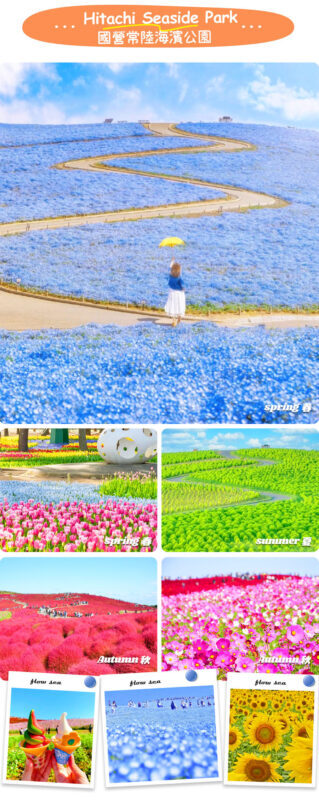
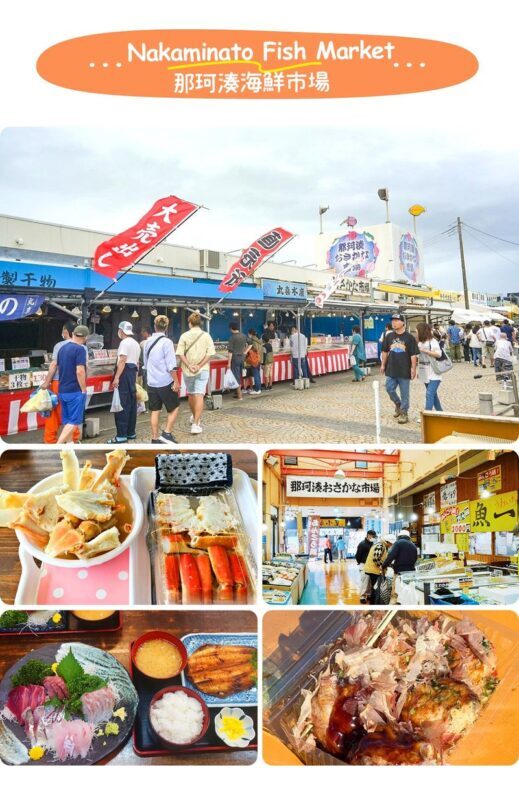
- Three distinct stops: Sea-facing Oarai Isosaki Shrine, Nakaminato’s fish market and Hitachi Seaside Park.
- Season matters: Nemophila usually flower in spring, while kochia and cosmos are autumn draws. Weather and plant growth can shift the show.
- Lunch is your choice: The 90-minute market stop gives you time to select a seafood meal, but a little research helps.
- Free time, not a guided walk: Expect transport and instructions from your guide, then explore each attraction at your own pace.
- Budget beyond the fare: The starting price is $51.79, but park admission, lunch and drinks cost extra.
- A long day out: The tour lasts about 9.5 hours, with a return to Tokyo estimated between 5:30 and 6:30 p.m.
A coastal torii, then three very different stops
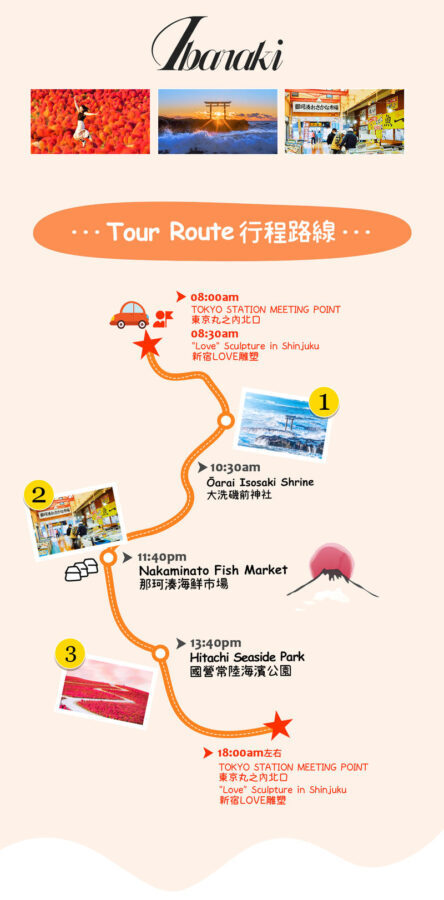
This day trip leaves Tokyo for Ibaraki’s Pacific coast, roughly two hours away by road before reaching the first attraction. You visit Oarai Isosaki Shrine, Nakaminato Seafood Market and Hitachi Seaside Park, with round-trip transport and a Chinese-, English- or Japanese-speaking guide included.
The format is closer to a shared ride with sightseeing time than a guided tour at every stop. Your guide gets the group there, gives meeting instructions and may explain the sights along the way, but the stops themselves are self-guided. That suits you if you like setting your own pace. If you want a guide to stay beside you and provide detailed commentary throughout, this may not be the best fit.
The advertised starting price is $51.79, a useful rate for covering three attractions spread along the coast without arranging separate transport. But it is not the full day’s cost: Hitachi Seaside Park admission, meals, drinks and personal purchases are not included. The listed park admission is ¥450 for adults aged 15 and over, with a ¥700 adult seasonal ticket during designated spring and autumn periods. Fees can change, so check the current charge before setting your budget.
You can also read our reviews of more tours and experiences in Higashiibaraki.
Oarai Isosaki Shrine and its sea-facing gate
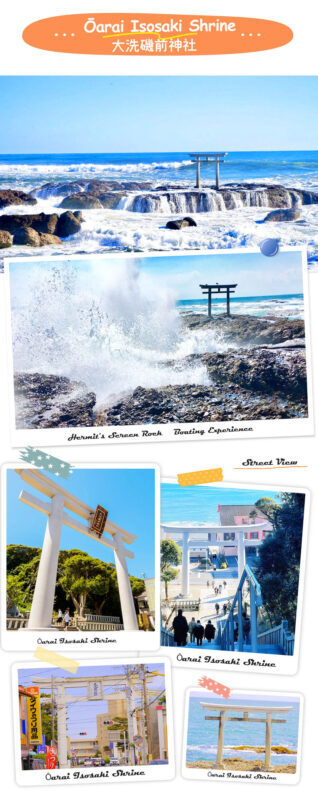
The first stop is Oarai Isosaki Shrine, scheduled for about one hour. Its best-known sight is the Kamiiso Torii, set on rocks at the edge of the sea and facing the Pacific. The contrast between the red gate, dark rock and moving water makes this a strong photo stop, especially when waves break around the base.
Stairs lead down toward the beach, giving you a closer view of the water and torii. Allow time for the steps, photos and a look around, but keep your plans simple: this is a compact stop, not an extended shrine visit. If the sea is rough, keep a sensible distance from the water and follow any safety instructions.
The tour reaches the shrine at about 10:30, so don’t plan on the sunrise scene described in promotional material. Light and waves depend on the day, and a calm sea can make the view less dramatic. A windy spring morning can also feel cold by the water, so bring a layer even if Tokyo feels mild.
Nakaminato Market: lunch with a little homework
The group spends about 90 minutes at Nakaminato Seafood Market, with lunch at your own expense. This is the day’s chance to sit down to sashimi, sushi or a seafood bowl, or browse for smaller snacks such as grilled squid and shrimp. The market is close to the coast, and the appeal is straightforward: fresh seafood, plenty of choice and a chance to eat where local shoppers also come for fish.
I’d choose a restaurant before arriving. With several stalls and places to eat, it’s easy to spend much of the lunch break deciding where to go, and 90 minutes is not an especially long window once you include ordering and eating. A few places have been noted for seafood bowls, including sashimi sets and tuna chirashi, but menus and prices change. Treat any sample prices you find as a guide, not a promise.
The market has many raw seafood options. If you only eat cooked food, have a look at the choices in advance; cooked dishes may be fewer, and some barbecue options can cost more. If you have a seafood allergy, bring a suitable alternative rather than counting on finding a convenient meal there.
Hitachi Seaside Park: flowers on a very large scale
The final stop is Hitachi Seaside Park, where you have about two hours and 20 minutes to explore. The park stretches along the Pacific and covers enough ground that choosing a route matters. Its draw is not one single flower bed, but a changing sequence of seasonal blooms, open space, cycling paths and amusement facilities, including a Ferris wheel.
Spring is the headline season for many people. Around April and May, roughly 5.3 million nemophila can cover the hills in blue, with the sky and distant sea completing the view. Tulips and daffodils also flower in spring. It’s a striking spectacle when the timing works, but the bloom window is short and weather can shift it. A calendar date alone cannot guarantee a blue hillside.
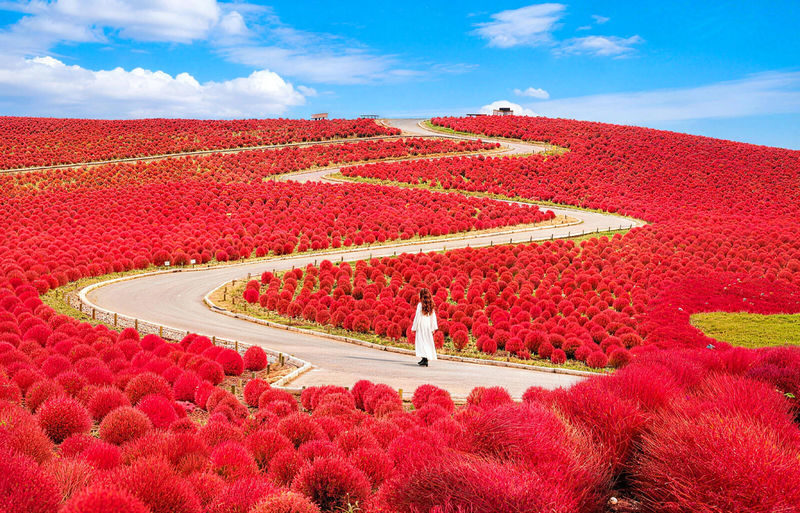
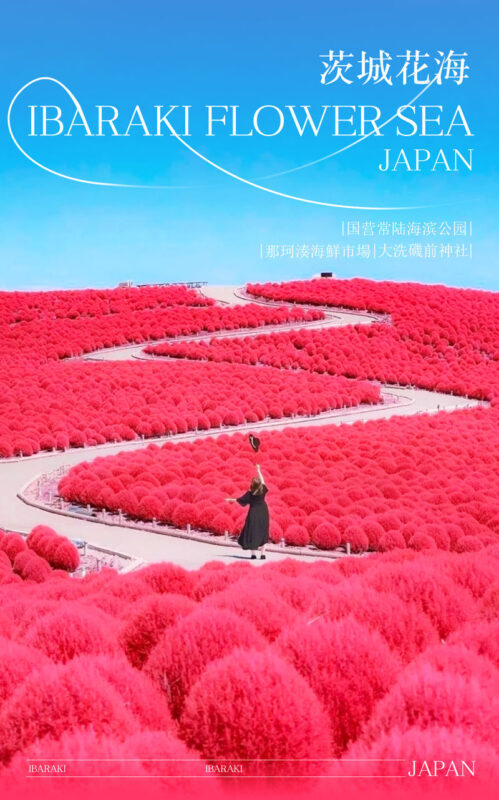
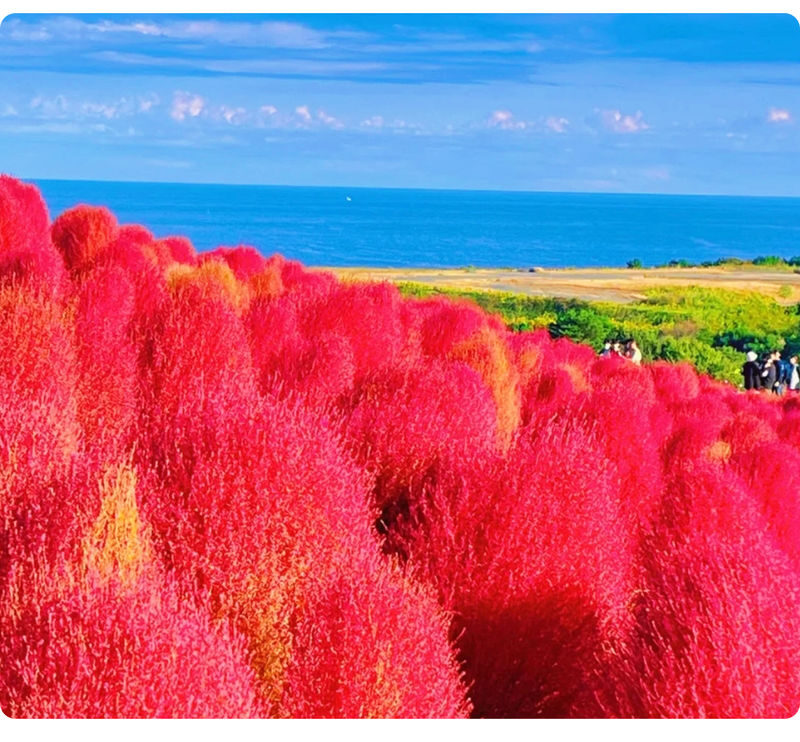
In early summer, poppies and roses may be in flower, followed by zinnias and sunflowers in high summer. Autumn brings kochia and cosmos. The kochia turn red at their seasonal peak, but the color can arrive later or fade earlier than expected. In winter, the park lists ice tulips among its seasonal attractions. Check the park’s current bloom information before booking, and accept that the scenery may not match a peak-season photograph.
The park is much larger than a quick walk around one hill. With limited time, decide whether your priority is the main flower area, a ride or a broader look around. A park loop bus has been used to cover more ground, with one circuit taking about 40 to 50 minutes; check its operating status and any fee on the day. Cycling paths offer another way to get around, though renting a bicycle is not included in the tour.
Admission is extra, and you’ll need to leave enough time to enter the park and reach the area you most want to see. If the flowers are past their peak, the park can still offer room to walk and family-friendly attractions, but it may feel like a long stop if you expected uninterrupted flower fields. If the beds are empty between seasons, the difference is substantial.
The road time and the group-tour trade-off
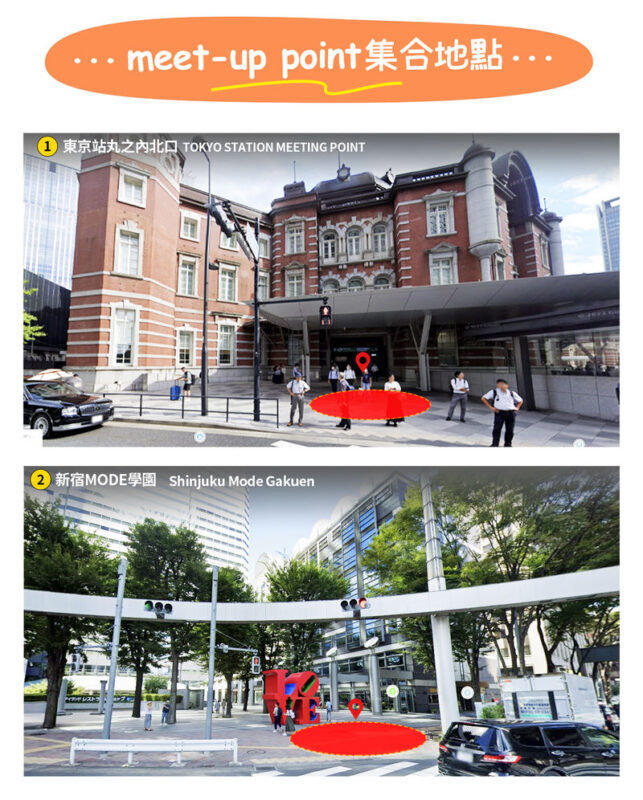
The tour departs from Tokyo at either 8:00 or 8:30, depending on the date and final arrangements. You’ll receive the guide and vehicle details by email between 8:00 and 9:00 p.m. the evening before, so check your spam folder as well as your inbox. Arrive at the assigned meeting point at least 10 minutes early. Meeting locations include Tokyo Station’s Marunouchi North Exit and the Shinjuku LOVE Object; confirm which one applies to your booking and don’t change it at the last minute.
The return is estimated for 5:30 to 6:30 p.m. Traffic, weather and seasonal crowds can alter the schedule. The drive is long enough that you should leave the evening clear, rather than booking dinner or a timed activity soon after the estimated return.
The vehicle may be a minibus or another type, depending on the number of people booked. Group size ranges from four to 48, and the vehicle type cannot be selected. Seating is usually assigned on a first-come basis, though you can request a particular arrangement and the tour team will try to help. Space and legroom can vary, so this is worth considering if you are tall or need extra room.
The tour may include people using different languages. Chinese-, English- and Japanese-speaking options are offered, but the level of spoken commentary can vary. English-language service has not always meant extensive English commentary, so confirm the language you need before booking if clear explanations are important to you. Guides including Yoyo, Tety, Christy and Li Jing have led trips; the quality of narration and group support can depend on who is working that day.
How to get the most from the day
Do a little planning, but don’t try to pack every minute. Save a restaurant choice or two for the market, check Hitachi Seaside Park’s bloom status close to your departure date, and decide in advance whether you’ll focus on flowers, rides or a broad walk around the grounds. That small bit of preparation makes the free-time format work much better.
Bring comfortable shoes for the shrine steps and park paths, plus a windproof layer for the coast. Carry some spending money for lunch and admission, and keep your phone charged for photos and meeting-point messages. If you want to bring luggage, the allowance is one piece per person, but you must tell the operator in advance. Child seats are not available, and children aged three and up pay the adult rate; children aged zero to two ride free only if they do not need a separate seat.
The tour requires at least four participants. If the minimum is not met, you can be offered another date or a full refund. You can cancel for a full refund with at least 24 hours’ notice, but late arrivals and no-shows are not refundable. Flower conditions are not a basis for a refund, so only book in peak bloom season if you are comfortable with some uncertainty.
Who should book this Ibaraki day trip?
I’d recommend it if you want an easy way to see three very different parts of Ibaraki without managing trains and local connections yourself. It’s especially appealing in a confirmed flower period, or if the sea torii and seafood market interest you as much as the park. Families may appreciate the park’s wide paths and amusement facilities, while anyone who wants a quiet break from central Tokyo gets several hours outdoors.
It is less suited to you if you need a guaranteed flower display, a fully guided visit at every stop or a precise return time. The park is huge, the lunch stop rewards planning, and the tour is a long day with limited flexibility. If those trade-offs sound fair, the fare can be good value for transport and three worthwhile stops. If you’re booking mainly for nemophila or red kochia, check the bloom reports first and keep your expectations flexible.
Ibaraki Coastal Flower Scenery Tour – Oarai Isosaki Shrine Torii, Nakaminato Fish Market, Hitachi Seaside Park Day Trip
“The itinerary for this trip was very well-planned. Perhaps because the weather wasn't great, traffic was smooth, and we finished the tour and retur…”
FAQ
How long is the tour?
The tour lasts about 9.5 hours. It generally departs Tokyo at 8:00 or 8:30 and returns between 5:30 and 6:30 p.m., depending on traffic and weather.
What stops are included?
The itinerary includes Oarai Isosaki Shrine, Nakaminato Seafood Market and Hitachi Seaside Park. Time at each attraction is self-guided.
Is lunch included?
No. Meals and drinks are not included. The tour allows about 90 minutes at Nakaminato Seafood Market for you to choose and pay for lunch.
Is Hitachi Seaside Park admission included?
No. Park admission is extra. The supplied price information lists ¥450 for adults aged 15 and over and a ¥700 adult seasonal ticket during designated spring and autumn periods. Check the current fee before your visit.
When do the nemophila flowers bloom?
The park’s nemophila season is generally in April and May, when about 5.3 million flowers may cover the hills. The timing depends on plant growth and weather, so a particular date does not guarantee peak bloom.
Which languages are available?
Chinese-, English- and Japanese-speaking guide options are offered. The tour may include people speaking other languages, and the amount of commentary can vary.
Where does the tour return in Tokyo?
The estimated return point is either Tokyo Station’s Marunouchi North Exit or the Shinjuku LOVE Object. Confirm your specific meeting and return arrangements with the operator.