The dinosaur fossils make a strong first impression, but they are only one chapter in a museum that ranges from ancient Egypt to outer space. With four floors of permanent exhibits, the Houston Museum of Natural Science gives you plenty to explore, whether you arrive with a budding paleontologist or simply want a good indoor stop in Houston.
I like the range: you can move from towering prehistoric skeletons to detailed displays of gems and minerals, then shift your attention to ancient cultures and science. I also like that the permanent halls offer a substantial visit at a price that can be lower than buying at the door, depending on the ticket and date.
The main catch is that the ticket covers the permanent exhibits only. The planetarium, Cockrell Butterfly Center, and George Observatory cost extra, so check what you want to see before you settle on a budget or plan your day.
- Four floors, several subjects: Dinosaurs, minerals, Egyptian artifacts, and space displays make for an easy visit to tailor to your interests.
- Plan for more than a quick stop: Two to three hours is a useful baseline, while a thorough visit can take three to five.
- Know what your ticket covers: Admission includes the permanent exhibit halls, not the planetarium, Butterfly Center, or George Observatory.
- Check the Thursday option: Permanent exhibitions are free from 2 to 5 p.m. on Thursdays.
- Use the Red Line or a bus: Hermann Park/Rice U Station is a five-minute walk away; Metro bus routes 5, 56, and 28 also serve the area.
- Tickets are date-specific: You can present a mobile voucher and exchange it for a physical ticket. Confirm the selected date before booking.
- Start with the fossils, then follow your curiosity
- Dinosaur skeletons bring the scale home
- Gems, minerals, and a slower kind of looking
- Egyptian artifacts connect objects with people
- Space exhibits round out the permanent halls
- Add-ons can turn a museum visit into a longer day
- Compare the price with your plans
- Getting there and making the visit easier
- Who will get the most from this ticket?
- Should you book?
- FAQ
- How long should I plan to spend at the museum?
- What does the museum entrance ticket include?
- Are the planetarium and Butterfly Center included?
- When is the museum open?
- Is there a free admission period?
- How do I use the mobile voucher?
- Can I leave and re-enter?
- The Best Of Houston!
- More Tickets in Houston
- More Tours in Houston
- More Tour Reviews in Houston
- Not for you? Here's more nearby things to do in Houston we have reviewed
Start with the fossils, then follow your curiosity
 1 / 7
 2 / 7
 3 / 7
 4 / 7
 5 / 7
 6 / 7
 7 / 7
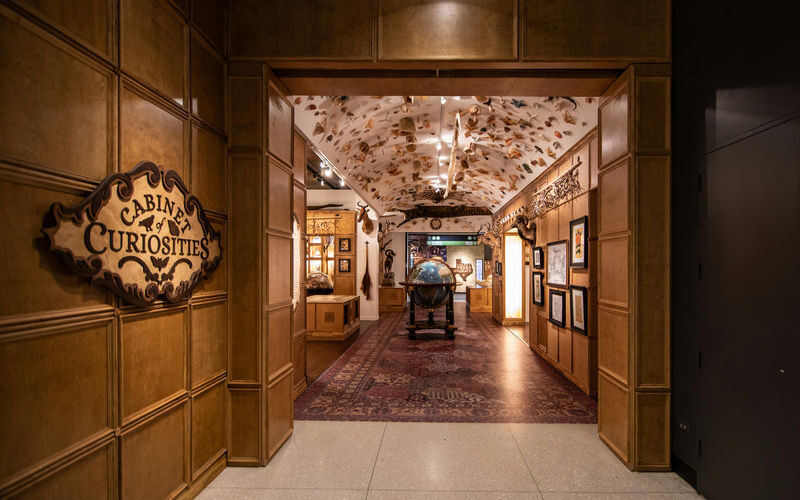
The museum’s scope is its best feature. One moment you are looking up at the scale of prehistoric life; later, you might be studying mineral formations or objects from ancient Egypt. That change of subject keeps the visit lively, especially for families whose interests do not all line up neatly.
The permanent exhibits occupy four expansive floors, so it helps to arrive with a loose plan rather than trying to give every display equal time. If dinosaurs are your main reason for coming, begin there while attention is fresh. Then choose a couple of other halls that appeal to you, and leave room to pause when something catches your eye.
A visit of two to three hours is a sensible starting point. If you read exhibit text closely, have children who want to linger, or hope to see several floors at an unhurried pace, allow longer. One visitor found that three to five hours could pass while exploring thoroughly, which is a useful reminder that the stated duration is not a limit.

👉 See our pick of the 25 Best Tours In Houston
Dinosaur skeletons bring the scale home
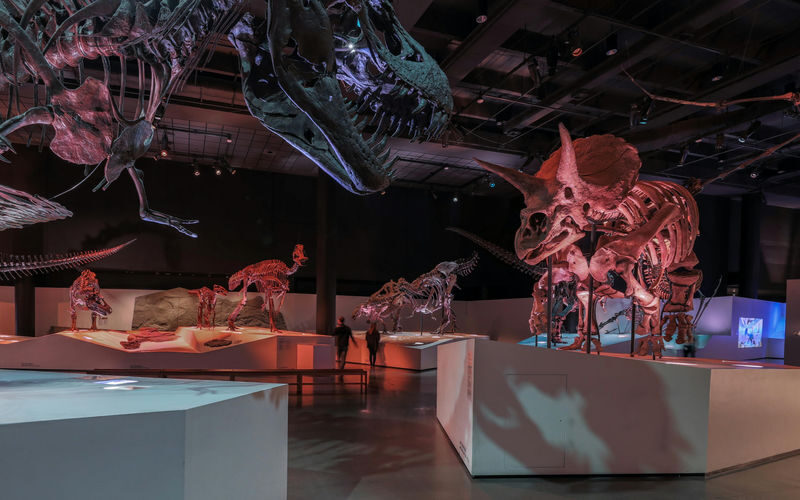
A fossil on a page is one thing. A full skeleton towering above you gives you a much better sense of the animal’s size, and that physical scale is part of the museum’s appeal. The dinosaur displays are likely to be a highlight for children, but adults can find them just as absorbing.
Give yourself a moment to take in the whole skeleton before moving on to labels and details. The largest fossils can be impressive in person in a way that photographs rarely convey. If you are visiting with a child who has a favorite prehistoric animal, this is a natural place to start, then use the rest of the museum to broaden the day.
The fossil hall is only one part of the experience, though. It would be easy to spend your whole visit there and miss the museum’s other strengths, so consider setting a rough time limit if you want to see more than dinosaurs.
You can also read our reviews of more tours and experiences in Houston


Gems, minerals, and a slower kind of looking
After the drama of the fossil displays, the gems and minerals offer a different pace. Here, the pleasure is in close observation: colors, shapes, and textures reward a slower walk through the exhibits. This section also works well for a mixed-age group because it gives you a change of scene without requiring everyone to follow a long storyline.
I would treat it as more than a quick pass-through. A display case can look simple at first, but the variety of mineral forms makes it worth taking your time. If you are visiting with children, you can make it a small challenge to spot the most unusual color or shape, rather than asking them to read every label.
Egyptian artifacts connect objects with people
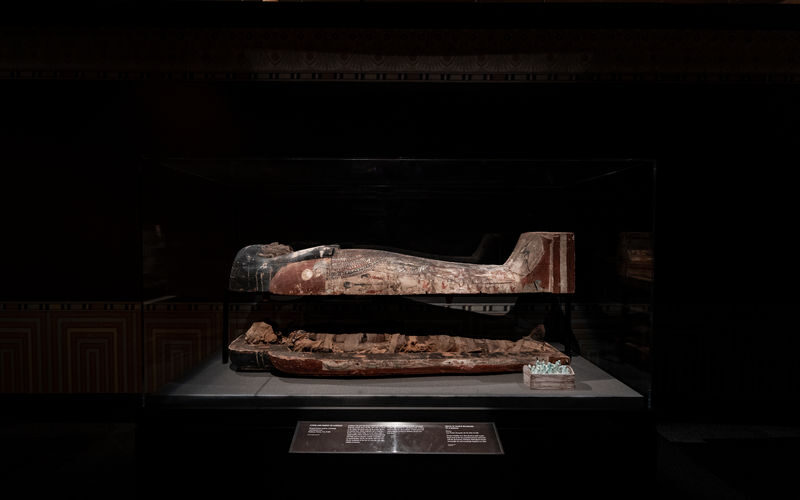
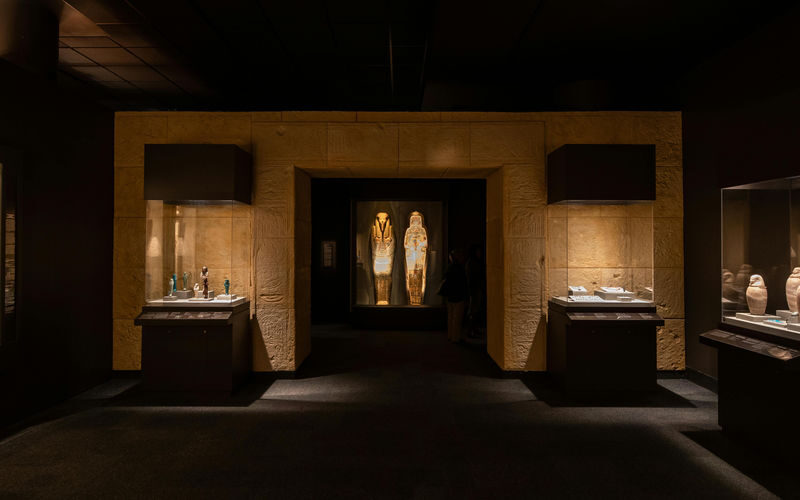
The ancient Egyptian exhibits add a human dimension to a museum otherwise full of natural specimens. The artifacts offer a glimpse of past cultures and practices, and the mummy display is a particular draw. It is also a good point in the visit to slow down: objects connected with burial and belief invite more questions than a quick look can answer.
If Egypt is your main interest, budget enough time to read the interpretive material rather than treating the hall as a brief stop. The exhibits can help you place individual objects in a wider cultural context. For younger children, the mummy display may be fascinating, unsettling, or both, so let their curiosity set the pace.
Space exhibits round out the permanent halls
The museum’s space displays bring a welcome shift from the ancient world to the cosmos. They are included in the permanent exhibit admission, giving you another subject to explore without needing to leave the main museum or buy a separate ticket.
Keep the distinction clear: the Burke Baker Planetarium show is a separate ticket. A planetarium show is not included just because you have access to the permanent halls. If you want both, check the available package options and show details before you arrive, then allow time for the additional experience.
Add-ons can turn a museum visit into a longer day
The ticket described here covers the museum’s permanent exhibit halls. The Cockrell Butterfly Center and George Observatory are not included, and neither are planetarium shows, Discovery Tours, meals, drinks, or personal expenses. These extras can add variety, but they also change the cost and the amount of time you need.
The Butterfly Center has its own schedule: it opens at 10 a.m. Monday, Wednesday, Thursday, Friday, Saturday, and Sunday, and at 10 a.m. Tuesday, with later Tuesday hours until 8 p.m. The listed final admission is 7:30 p.m. The museum’s regular hours are 9 a.m. to 5 p.m., with last admission at 4:30 p.m. Hours and closures can change, so check the latest schedule before you set out.
If you only have half a day, decide which add-on matters most rather than trying to squeeze in everything. The permanent halls alone can fill several hours, especially if you are visiting as a family or like to read the exhibits. Add-ons are best treated as separate choices, not assumed parts of the basic admission.
You can also read our reviews of more museum experiences in Houston


Compare the price with your plans
The advertised starting price is from $12.05, while the museum entrance package is also shown from US$24.99. Those figures do not match, so check the final price for your selected date and ticket before you pay. The value depends on that confirmed total, how long you plan to stay, and whether you would otherwise buy admission at the venue.
Advance booking can save time at the ticket counter, and the mobile voucher is exchanged for a physical ticket. A few purchasers found the booking process easy and said the online price was lower than the museum price, but prices can vary. Compare the final checkout amount with the venue’s current admission price rather than relying on a starting figure.
Children aged 0 to 2 enter free. Children aged 3 and older pay the same rate as adults, so families should include that in their calculations. If your schedule works, permanent exhibitions are free on Thursday afternoons from 2 to 5 p.m. That is a strong value, though the shorter window may not suit a slow, full-floor visit.
Getting there and making the visit easier
The museum is at 5555 Hermann Park Dr, Houston, TX 77030, near the Houston Zoo. The Red Line stops at Hermann Park/Rice U Station, about a five-minute walk from the museum. Metro bus routes 5, 56, and 28 also run nearby; get off near Main St at Hermann Park Dr and walk to the entrance.
Re-entry is permitted. Keep your ticket, wristband, or stamp so you can show it when returning. Outside food and drinks are not allowed inside, so plan meals around your visit; food and beverages are not included with admission.
The museum is stroller- and wheelchair-accessible. For specific information about accessibility for people with disabilities, check the museum’s official website before you go. Photography is allowed for personal use, but commercial photography and video, as well as live broadcasting of a show, are prohibited. Pets are not allowed, except service animals with valid identification.
Who will get the most from this ticket?
This is a good choice if you want one museum visit that can hold the attention of different ages and interests. Dinosaur fans have a clear draw, while the mineral, Egyptian, and space exhibits give adults and curious children other reasons to keep exploring. You do not need to be a science specialist to enjoy the variety.
It also suits visitors who can give the museum a few hours rather than rushing through between other plans. The permanent halls offer enough range for a substantial half-day, but a short visit will require choices. If the butterfly pavilion or a planetarium show is central to your plans, budget for a separate ticket and allow more time.
Before booking, compare the final ticket price with the Thursday free-entry period and the museum’s current door price. Remember that the voucher is valid only for the date selected, and the activity is nonrefundable. Those terms make checking your schedule first especially worthwhile.
Should you book?
Book this admission if you want a flexible, indoor Houston visit with dinosaurs, gems, Egyptian artifacts, and space exhibits under one roof. Its best value comes from spending enough time to see more than a single hall. Choose a different or expanded ticket if the planetarium, Butterfly Center, or George Observatory is essential to your day, since none is included here.
Houston Museum of Natural Science Admission Ticket
“It's very interesting; you could easily spend three to five hours exploring it thoroughly.”
FAQ
How long should I plan to spend at the museum?
Plan on two to three hours for a visit, and allow three to five hours if you want to explore the exhibits thoroughly.
What does the museum entrance ticket include?
It includes admission to the Houston Museum of Natural Science and access to all permanent exhibit halls.
Are the planetarium and Butterfly Center included?
No. The Burke Baker Planetarium, Cockrell Butterfly Center, and George Observatory require separate admission.
When is the museum open?
The museum is listed as open daily from 9 a.m. to 5 p.m., with last admission at 4:30 p.m. Hours and closure dates may change, so check the latest schedule before visiting.
Is there a free admission period?
Yes. Entry to the permanent exhibitions is free on Thursday afternoons from 2 to 5 p.m.
How do I use the mobile voucher?
Present your mobile voucher at the venue and exchange it for a physical ticket.
Can I leave and re-enter?
Yes. Re-entry is permitted. Keep your ticket, wristband, or stamp and show it at the entrance when you return.