A private car turns Hokkaido’s far-flung sights into a day you can shape around your own group. From Sapporo, you can spend your time in the city or head for places such as Otaru, Furano, Biei, or Lake Toya, without juggling trains and buses between stops.
I like two things in particular: you can adjust the route to suit your interests, and hotel pickup makes a long day easier for families, older relatives, or anyone who would rather not drive on snowy roads. Drivers have helped groups revise plans on the day, and some have offered useful meal and route suggestions.
The main catch is distance. A day in Biei and Furano involves plenty of time in the car, and an ambitious route can leave little time at the sights. Tolls, parking, and possible peak-season or overtime charges are extra, so agree on the route and likely costs before you set off.
- Key points to know before you book
- A private car makes Hokkaido’s distances manageable
- Choose one region, not a greatest-hits tour
- Sapporo’s city route leaves room for a relaxed pace
- Otaru rewards a compact route
- Furano and Biei are beautiful, but the drive is part of the day
- Lake Toya and Noboribetsu call for their own day
- What the driver can and cannot add
- Calculate the real cost before you commit
- Pick the right vehicle for your group
- Is this Hokkaido car charter right for you?
- FAQ
- How long does the charter last?
- Which languages might the driver speak?
- Are highway tolls and parking included?
- Can I choose my own attractions?
- Are child seats available?
- What happens if the trip runs over time?
- More Tours in Furano
- More Tour Reviews in Furano
- Not for you? Here's more nearby things to do in Furano we have reviewed
Key points to know before you book
- Routes range from Sapporo’s city sights to distant rural stops: choose one sensible area rather than trying to cover the whole island.
- Your driver is not necessarily a tour guide: guiding is not included, and driver language is assigned at random, with Chinese given priority.
- Furano and Biei are a long round trip from Sapporo: weather, road conditions, and traffic can mean dropping a stop.
- The car is the main value: hotel pickup, a private cabin, and flexible pacing can be especially useful for families and older relatives.
- The advertised starting price is not the full cost: confirm the package, vehicle, tolls, parking, peak-season charges, and overtime terms.
- Season changes what you see: flower fields are not at their best outside bloom periods, and the Blue Pond can freeze over in winter.
A private car makes Hokkaido’s distances manageable
This is a charter, not a fixed sightseeing bus tour. You choose a route from the available options, then travel with your own group and driver. The range is unusually broad: a compact day around Sapporo, a visit to Otaru, or a much longer drive toward Furano, Biei, Asahikawa, Noboribetsu, or Lake Toya.
That flexibility matters in Hokkaido, where many popular sights sit far apart and public transport can involve careful connections. A car lets you carry on to the next stop without returning to a station, and you can spend more time where your group is happiest. One family, for example, stayed four hours at Asahiyama Zoo, a pace that would be harder to manage on a tightly scheduled group outing.
Think of the driver as your transport and route partner, not a guaranteed guide. The tour information says a tour guide is not included. Drivers are assigned at random and may speak Chinese, Japanese, or English; Chinese-speaking drivers are given priority, not guaranteed. Some drivers have shared local suggestions or helped with practical arrangements, but you should not count on a detailed running commentary.
You can also read our reviews of more tours and experiences in Furano.


Choose one region, not a greatest-hits tour
The route menu offers plenty of tempting names: Otaru Canal, Ningle Terrace, Biei’s Blue Pond, Noboribetsu’s Hell Valley, and Lake Toya, among others. The trick is to resist treating the menu as a checklist. A route from Sapporo to Asahikawa, Biei, and Furano covers a lot of ground, and winter roads or traffic can stretch the drive further.
The service terms set a 300-kilometer route limit and describe a 10-hour charter for round trips within Sapporo. They also state that service is eight hours when pickup or drop-off is outside Sapporo. The product summary gives an 8.5-hour duration, while the sample city itinerary runs from 8:30 a.m. to 5 p.m. Those figures do not describe every package in the same way. Confirm the actual hours and route limits for the option you select before paying.
A useful rule: pick a main area and a few nearby stops. If your priority is the zoo, give it time. If you want the classic Biei and Furano scenery, focus on those sights and accept that you may need to skip something. The driver can help you make the day workable, but cannot shorten the roads.
Sapporo’s city route leaves room for a relaxed pace
A sample Sapporo day starts at 8:30 a.m. and includes Hokkaido University, Shiroi Koibito Park, lunch, Hokkaido Shrine, and additional time for another attraction before returning around 5 p.m. The published schedule allots about an hour each at the university, park, and shrine, 40 minutes for lunch, and 90 minutes for a later stop. The exact itinerary can change with your needs, weather, traffic, and attraction capacity.
Hokkaido University offers a quiet change of pace from the city streets, while Shiroi Koibito Park is a popular stop associated with the local confectionery brand. At Hokkaido Shrine, you can take time in a major Shinto shrine setting. The list of possible city stops also includes Odori Park, the TV Tower, Tanukikoji Shopping Street, Nijo Market, and the Sapporo Beer Garden.
There is a trade-off in that list. Trying to fit the university, park, shrine, market, tower, and shopping street into a single day means short visits and little room for a leisurely meal. Choose sights that match your interests. If you want food and shops, make room for Nijo Market or Tanukikoji; if you prefer gardens and architecture, prioritize the university and shrine.
Otaru rewards a compact route
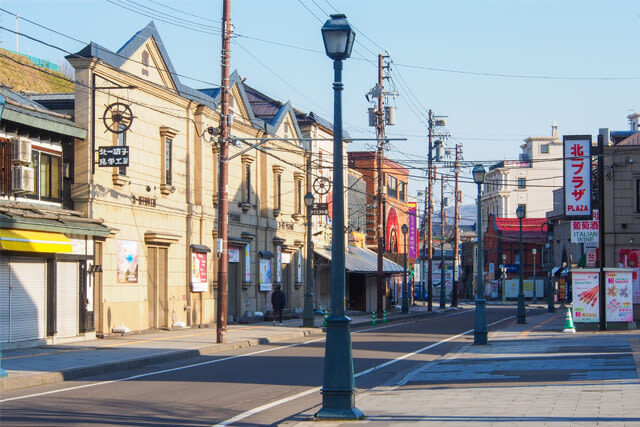
Otaru is a more natural day trip than trying to combine several distant regions. A suggested route includes Asari Station, Sankaku Market, Kitaichi Glass, the Otaru Music Box Museum, and the canal, with Mount Tengu as an optional stop. The mix gives you time for the historic canal area, craft shops, and a meal or market visit.
The car is most useful for reducing the hassle of moving between areas and getting back to Sapporo at the end of the day. Still, Otaru’s central sights are not all a reason to rush. Decide whether you want to browse Sakaimachi Street and glass shops, eat at Sankaku Market, or add a viewpoint at Mount Tengu. The more you add, the less time you have to wander.
Furano and Biei are beautiful, but the drive is part of the day
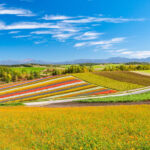
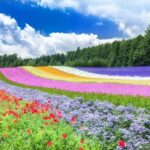
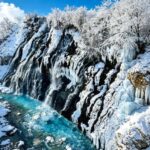
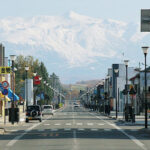
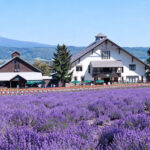
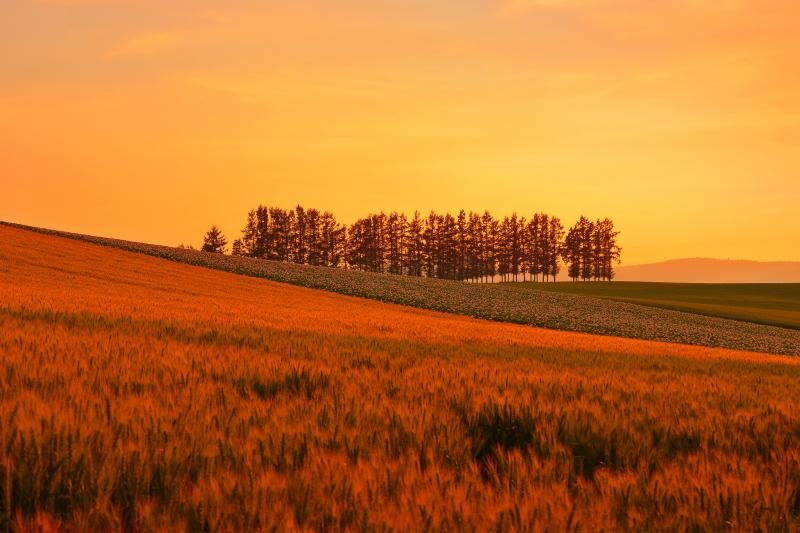
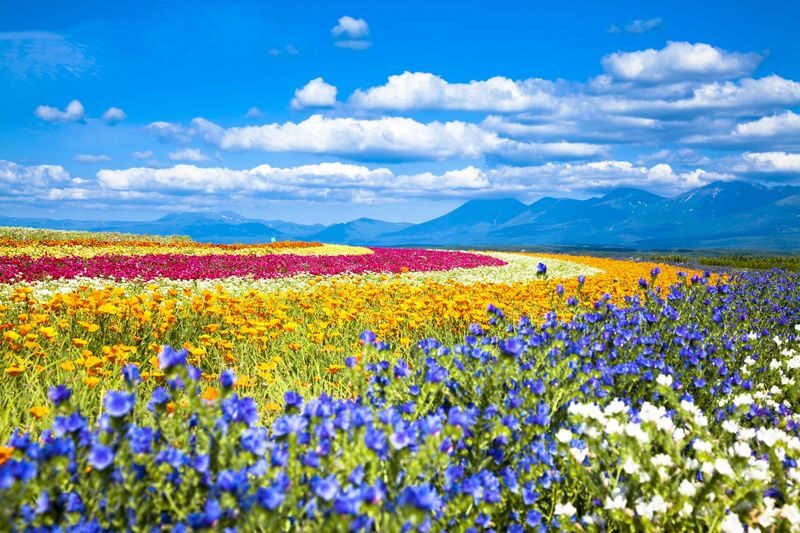
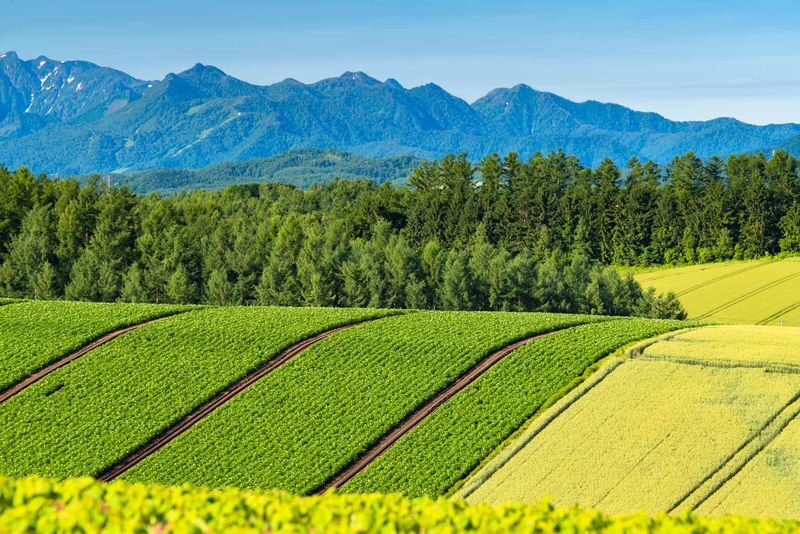
The Biei and Furano route is the most scenic option on paper and one of the most demanding in practice. Suggested stops include Patchwork Road, Shikisai-no-oka, the Blue Pond, Shirahige Falls, Farm Tomita, and Ningle Terrace. The countryside is the attraction here: open views, farm fields, and small roadside stops. You will appreciate being able to pause for photos or change the order without coordinating a bus timetable.
But Sapporo is a long way from these sights. Groups have completed several stops in a day, while others have cut the zoo, a farm, or Ningle Terrace to make the return journey. In winter, snow and highway closures can add more than an hour to a leg. Plan for a substantial amount of driving, and treat the route as a selection of priorities, not a promise to see every place.
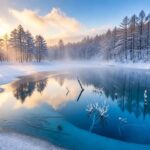
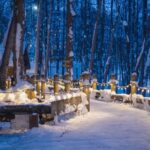
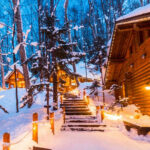
Season matters, too. Farm Tomita and Shikisai-no-oka are associated with flower viewing, but spring visits can fall before the main blooms. The Blue Pond’s appearance changes with conditions and season; in winter it may be frozen and white rather than blue. Ningle Terrace has been a highlight for some groups, but shops may not yet be open if you arrive early. If a particular sight is the reason for your trip, check its seasonal conditions and opening details before you build the day around it.
You can also read our reviews of more private tours in Furano


Lake Toya and Noboribetsu call for their own day
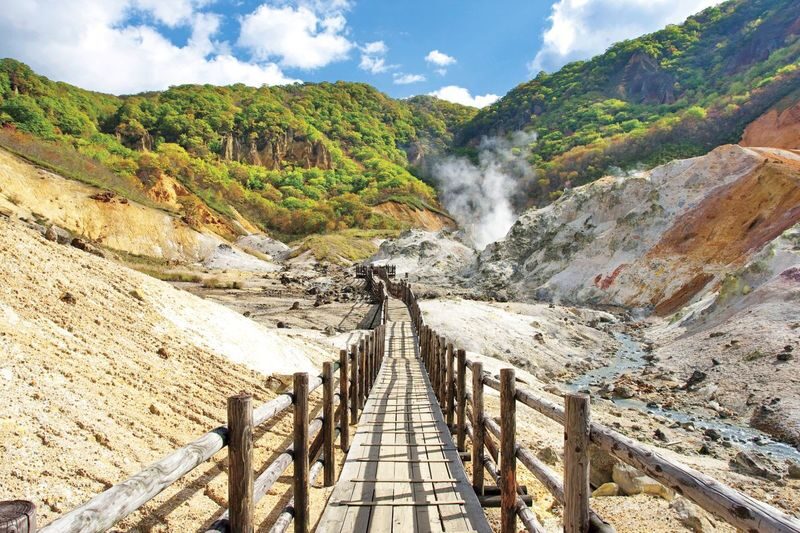
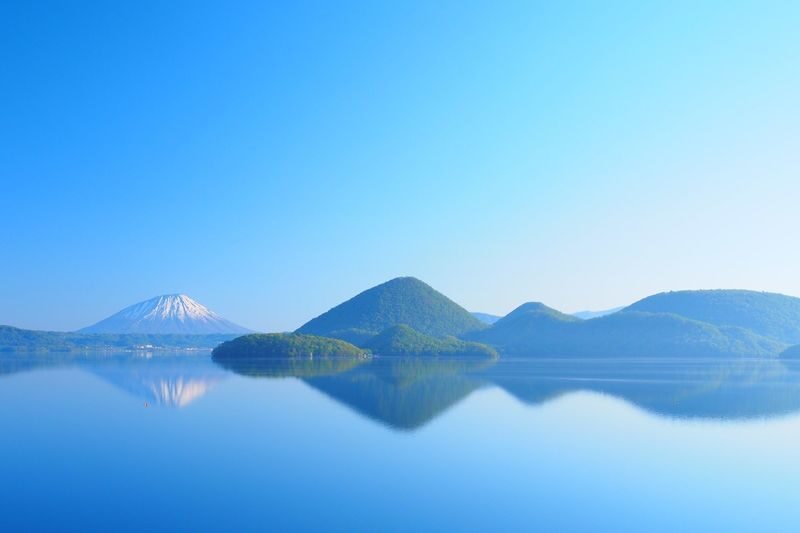
A suggested Lake Toya and Noboribetsu route combines Hell Valley, Oyunuma, Noboribetsu Onsen Town, a Lake Toya viewpoint, and Showa Shinzan Bear Park. Another option pairs Jozankei and Hoheikyo Dam with a Lake Toya viewpoint and cruise. Both routes bring together sights that are spread across a broad area, so combining them with Furano or Otaru would be unrealistic for most day plans.
Oyunuma has a seasonal limitation: it is closed in winter until the end of April. That is a good example of why a flexible charter still needs advance planning. Ask which stops are open on your date and agree on substitutes if the weather or season rules one out.
What the driver can and cannot add
The strongest part of this experience is often the practical help: a driver who arrives on time, drives steadily, and can adapt the order of stops. Families have valued the car for elderly relatives and children, and several have praised drivers such as Xiao Zhang, Xiao Ma, and Mr. Tao Ji for being polite, safe, and helpful. Those are examples of past assignments, not names you can request or expect.
Communication is less predictable. Some drivers speak fluent Chinese; English ability varies, and the assigned driver may not speak your preferred language well. Customer service is available online, and arranging the route in advance can reduce confusion. Leave a LINE ID, WhatsApp, or WeChat contact when booking, and add the service contact promptly so you can confirm details before the day.
Do not assume the driver will provide formal sightseeing commentary or buy tickets for you. The service includes round-trip transfers, fuel, seat reservation fees, driver meal costs, and online customer assistance. Attractions, meals, drinks, and personal expenses are not included.
Calculate the real cost before you commit
The starting price is listed from $290.50, but that is not a reliable final budget for every route, season, or vehicle. The product offers separate packages for Sapporo city, out-of-town trips such as Furano or Lake Toya, and Otaru or the Shakotan Peninsula. The amount can change with peak-season pricing, and customer service may confirm a price difference after an order is placed.
Highway tolls and parking are excluded. You must pay the actual costs to the driver in Japanese yen cash. Extra distance beyond 300 kilometers is listed at 300 yen per kilometer. Overtime rates are 5,000 yen per hour for five- to seven-seat vehicles, 10,000 yen for a 10-seat vehicle, and 15,000 yen for vehicles with 14 seats or more. Traffic-related delays can also result in overtime charges.
Ask for a clear estimate that covers the route, duration, tolls, parking, and any seasonal surcharge. Some families have found the price worthwhile because they could travel together and set their own pace. Others have faced unexpected extra charges or felt rushed by a long route. The charter offers better value when several people share the cost and when convenience matters more than the lowest possible transport fare.
Pick the right vehicle for your group
Vehicle capacity includes infants and children. The five-seat option carries up to three passengers plus two standard 26-inch bags; the seven-seat option carries up to five passengers plus four bags; the 10-seat vehicle carries up to nine passengers plus eight bags; and the 18-seat coaster carries up to 17 passengers plus 10 bags. These are stated capacities, not a reason to squeeze in extra luggage.
Tell the operator in advance about strollers or oversized bags. Large luggage counts as two pieces, and a child seat takes up about one and a half passenger spaces. One child seat is available free if requested in advance; additional seats cost 2,000 yen each per day. Confirm the seat and car arrangement before travel. A past pickup problem involved a paid child seat that was not ready, so it is worth getting explicit confirmation.
Is this Hokkaido car charter right for you?
I would choose this service if you are travelling as a family or group, have older relatives with you, or want to reach rural sights without driving yourself. It is particularly useful for a single-region day where flexible stops and hotel pickup make the journey easier.
I would think twice if you are travelling alone, are focused on keeping costs low, or expect a guided tour with guaranteed English narration. For a long trip, set realistic priorities, confirm the driver’s language and child-seat needs, and ask for all possible extra charges in writing. Book it for the convenience and control, not for the promise of seeing every corner of Hokkaido in one day.
Hokkaido | Sapporo City/Furano/Lake Toya/Otaru Customized Private Car Day Tour
“I was worried because the driver was Chinese, but he spoke English well, so it was a good trip. I have another car booked with Klook for tomorrow,…”
FAQ
How long does the charter last?
The sample Sapporo city itinerary runs from 8:30 a.m. to 5 p.m., or 8.5 hours. The service terms describe a 10-hour charter for round trips within Sapporo and eight hours when the pickup or drop-off point is outside Sapporo. Confirm the hours for your chosen package.
Which languages might the driver speak?
Drivers are assigned at random and may speak Chinese, Japanese, or English. Chinese-speaking drivers are given priority, but a particular language is not guaranteed.
Are highway tolls and parking included?
No. Highway tolls and parking fees are excluded, and the actual costs for the day must be paid to the driver in Japanese yen cash.
Can I choose my own attractions?
Yes. The route can be adjusted to your needs, within the service’s time and distance limits. The stated route limit is 300 kilometers, and the operator recommends a reasonable itinerary without backtracking.
Are child seats available?
One child seat can be provided free if you reserve it in advance. Additional child seats cost 2,000 yen each per day. A child seat uses about one and a half passenger spaces, so confirm how it affects your vehicle capacity.
What happens if the trip runs over time?
Overtime fees may apply and are paid directly to the driver in cash. The listed rates are 5,000 yen per hour for five- to seven-seat vehicles, 10,000 yen for a 10-seat vehicle, and 15,000 yen for vehicles with 14 seats or more.