The fun here is making flower-shaped sushi with naturally pink rice, not simply watching someone else prepare a meal. Yuki teaches in English, shares a recipe to take home, and brings serious credentials: she trained with a chef who cooked for members of Japan’s imperial family.
I like the mix of careful instruction and hands-on creativity, and the beetroot-tinted rice gives your rolls a distinctive look without relying on artificial color. One practical catch: the basic class does not include dining at the venue, so plan to take your sushi home, and allow time to reach the meeting point outside central Sapporo.
- What to know before you book
- Pink rice and flower-shaped rolls
- A cooking class with real instruction
- Choosing the right package
- Getting to Ishiyama Higashi
- Who will enjoy this class
- What makes the experience worth the time
- Should you book Yuki’s sushi class?
- FAQ
- How long is the sushi-making class?
- Where is the meeting point?
- Is a meal included in the basic class?
- What is included in the class?
- Can children take part?
- Can the class accommodate vegetarian diets?
- The Best Of Sapporo!
- More Cooking Classes in Sapporo
- More Tours in Sapporo
- More Tour Reviews in Sapporo
- Not for you? Here's more nearby things to do in Sapporo we have reviewed
What to know before you book
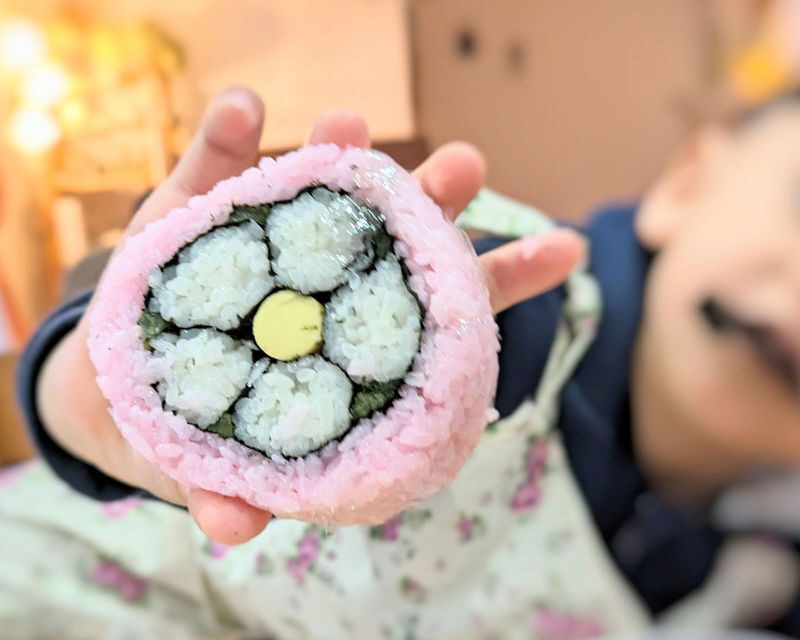
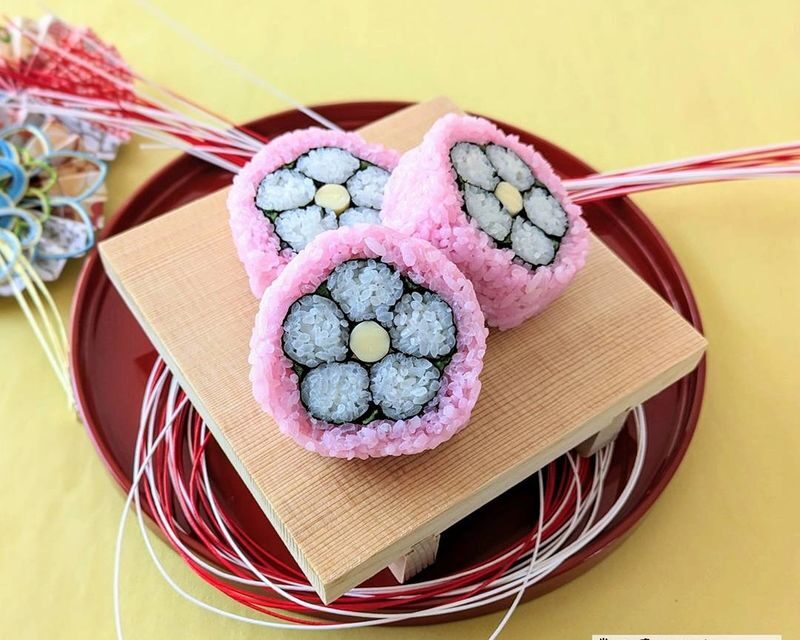
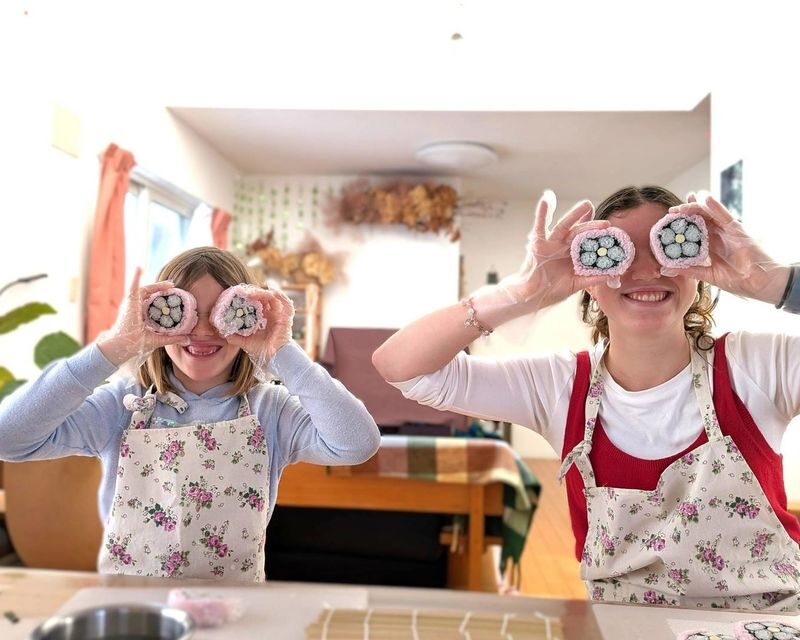
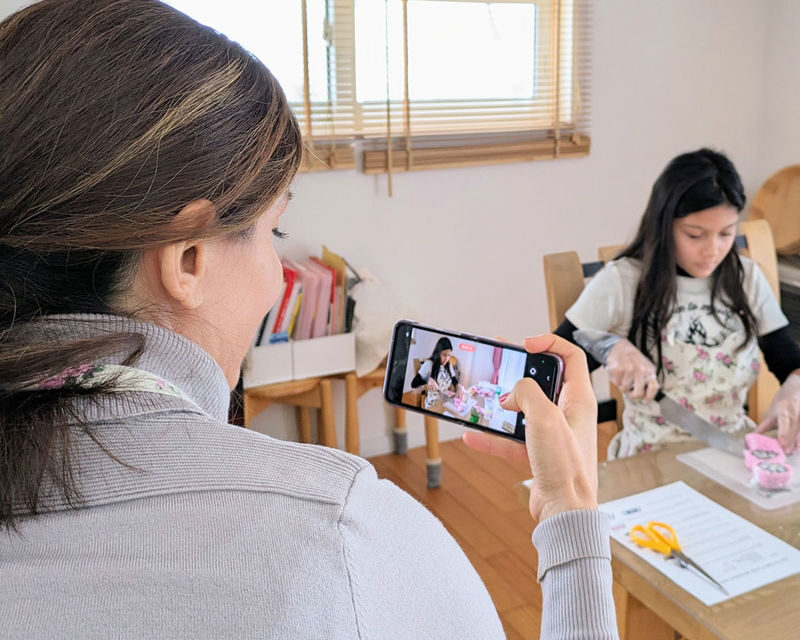
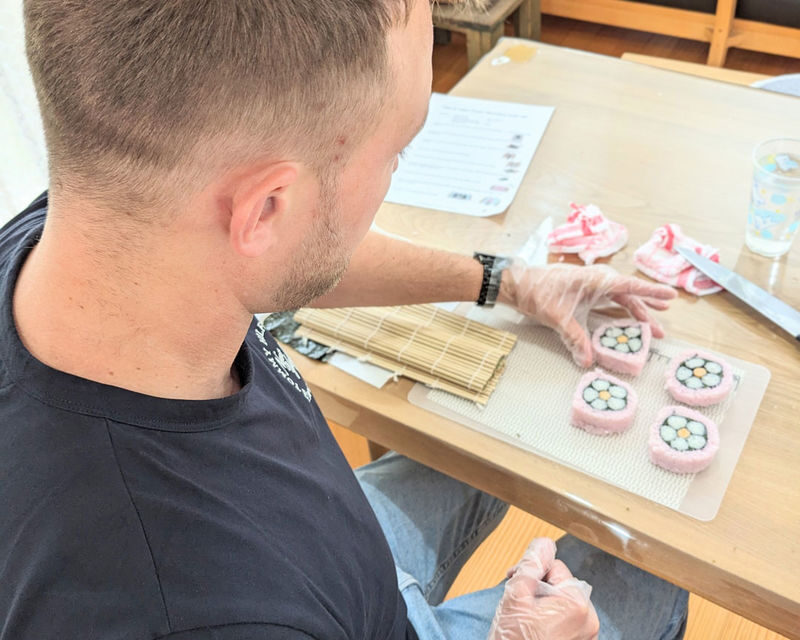
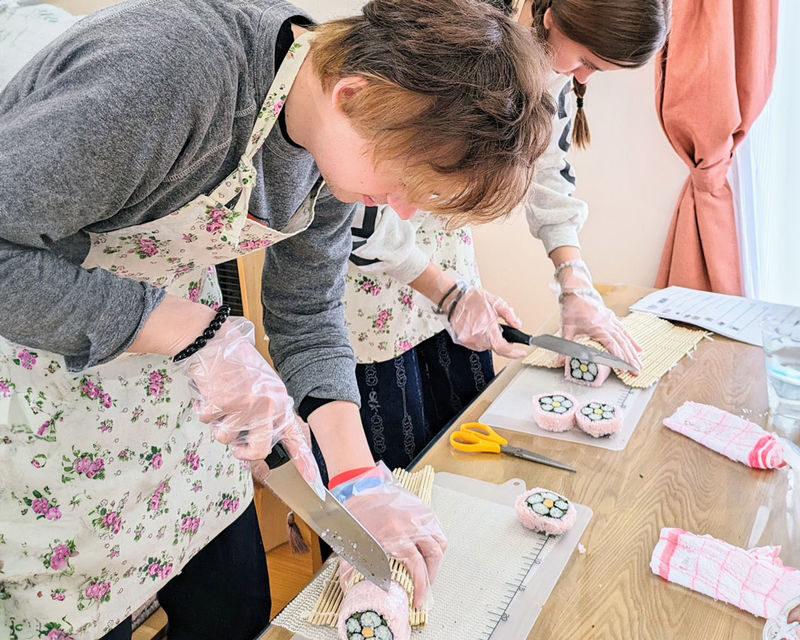
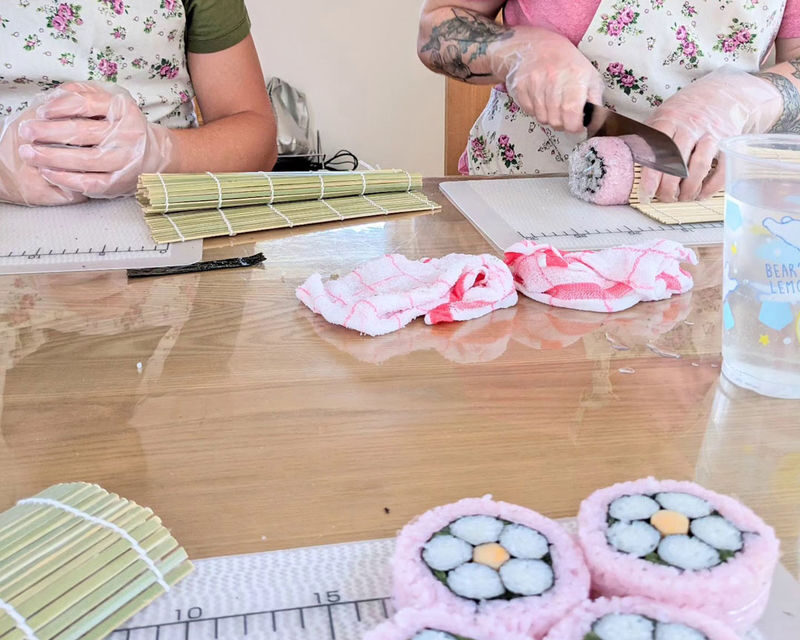
- Beetroot gives the rice its pink color, which makes flower-shaped rolls possible without artificial coloring.
- Yuki teaches in English, and you receive an English-language recipe to use at home.
- The basic 2.5-hour class is take-home only, while other package options add onigiri or more cooking.
- The meeting point is in Ishiyama Higashi 7 Chome, near a bus stop about 10 minutes by bus from Makomanai subway Station.
- The class suits children aged 5 and up, but children aged 5 to 17 must attend with a paying adult.
- Vegetarian diets can be accommodated, but you should tell Yuki about allergies or dietary needs when booking.

👉 See our pick of the 10 Best Guided Tours In Sapporo
Pink rice and flower-shaped rolls
Sushi can look like a small art project, but the appeal here is that you get to make it yourself, with a teacher close at hand. Yuki shows you how to work with naturally pink vinegared rice made with beetroot, then shape your rolls into flowers with fresh ingredients.
That pink rice is more than a pretty detail. It gives the finished sushi a striking look and helps make the class feel different from a standard sushi lesson. You are not just learning how to roll a familiar maki; you are working toward a decorative pattern that comes into view when you slice the roll.
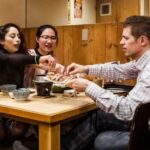
The activity takes place in a professional kitchen. One family who came to celebrate a 12th birthday described the atmosphere at Yuki’s home as cozy and welcoming. That personal setting may appeal if you prefer a cooking lesson that feels more like time spent in a host’s kitchen than a formal demonstration.
Yuki’s background adds context to the lesson. She trained under a Japanese chef who once cooked for members of the imperial family, and she has appeared on Japanese television several times. In 2024, she presented her floral sushi to the mayors of Sapporo and Portland during the 65th anniversary of their sister-city partnership.
Those details do not guarantee that every roll will come out picture-perfect. They do suggest you will be learning a practiced technique from someone who has taught and presented this style beyond the kitchen. The class is designed for you to try the work yourself, with guidance rather than a finished dish simply placed in front of you.
You can also read our reviews of more cooking classes in Sapporo


A cooking class with real instruction
The strongest part of the experience is the chance to make the sushi with an English-speaking instructor guiding you. Yuki’s instructions have been described as clear and easy to follow, which matters when you are shaping rice and fillings into a pattern that only becomes visible once you cut the roll.
You will have ingredients for the sushi and a welcome drink, along with a recipe in English. That recipe is useful if you want to repeat the process after your trip. One participant was already looking forward to trying the dishes again at home, which is a good sign for anyone who wants more than a one-time photo opportunity.
The lesson is also a chance to learn by doing, not just to sample Hokkaido food. You choose fresh ingredients and build your own roll. If you have never made decorative sushi before, the teacher’s presence should help you work through the technique without needing to arrive with prior experience.
Keep expectations grounded: the supplied details do not promise a full Japanese cooking course in the basic package. Its focus is sushi rolls. If you want to cook several items, look at the longer package options rather than assuming the shortest session includes a full meal.
Choosing the right package
The 2.5-hour sushi-roll class starts at US$67.99. It is the simplest option, with instruction, ingredients, a welcome drink, and the recipe included. It does not include dining at the venue, so you will take the sushi you make home with you.
A second 2.5-hour option pairs sushi rolls with onigiri and starts at US$93.45. The package name signals an additional hands-on activity, but check the option details for exactly what is included and whether you will eat at the venue. Do not assume that adding onigiri automatically means the session includes a sit-down meal.
The longest option runs three hours and combines sushi rolls with two dishes and bento-making. It starts at US$105.45. This costs more, but it also gives you a broader cooking session and may be a better fit if you want to spend more of your Sapporo day in the kitchen.
At the starting price, the basic class is a reasonable choice if you value personal instruction and a skill you can practise later. You are paying for ingredients and a guided activity, not just for a meal. The value depends on what you want: choose the basic class for decorative sushi, or consider a longer package if you want a wider range of cooking.
Prices are listed as starting rates, so check the final amount and package inclusions for your chosen date before you book. Transport, hotel pickup and drop-off, and personal expenses are not included.
Getting to Ishiyama Higashi
The meeting point is at the bus stop in Ishiyama Higashi 7 Chome, in Sapporo’s southern area. It is about 10 minutes by bus from Makomanai subway Station. This is not a class you should treat as being right beside Sapporo Station; build local transit time into your plans.
Detailed directions and a Google Maps link are provided after booking. Use those rather than relying on the district name alone, and make sure you understand the route before setting out. If you plan to drive, mention that when booking so you can receive parking information.
One family celebrating a birthday was picked up by Yuki at a station and taken to her home. That is a useful example of how the visit has worked for a group, but pickup is not listed as an included service. The stated meeting point is the bus stop, and transport is excluded, so confirm any special arrival arrangements directly rather than counting on a ride.
The logistics are manageable if you plan ahead, but they are part of the cost in time and effort. For a tight day of sightseeing, allow room for the bus connection and the class itself. The basic session lasts 2.5 hours, before you add travel time.
Who will enjoy this class
This is a good match if you enjoy food, hands-on activities, or learning a technique you can take home. The flower-shaped rolls give the class a clear goal, and the English instruction makes it accessible even if you do not speak Japanese.
Families can consider it, too. Children must be at least 5, and every child aged 5 to 17 needs a paying adult with them. Children aged 5 and up are charged the same rate as adults, so include them in your budget and passenger count.
The birthday example shows why the class can work for a small celebration: the activity is shared, creative, and ends with sushi you have made yourself. Still, the class has a minimum age, a fixed meeting point, and a set duration. It may not suit very young children or anyone who wants a restaurant meal without participating in the cooking.
Vegetarian diets can be accommodated. If you have any allergy or other dietary restriction, provide the details when you book so the host can respond before the class. The information does not promise accommodation for every type of diet, so ask rather than assume.



What makes the experience worth the time
A cooking class can be a welcome change from a day spent moving between sights. This one gives you a practical reason to slow down and focus on a single local activity. You work with the ingredients, learn from Yuki, and come away with a recipe rather than only a meal.
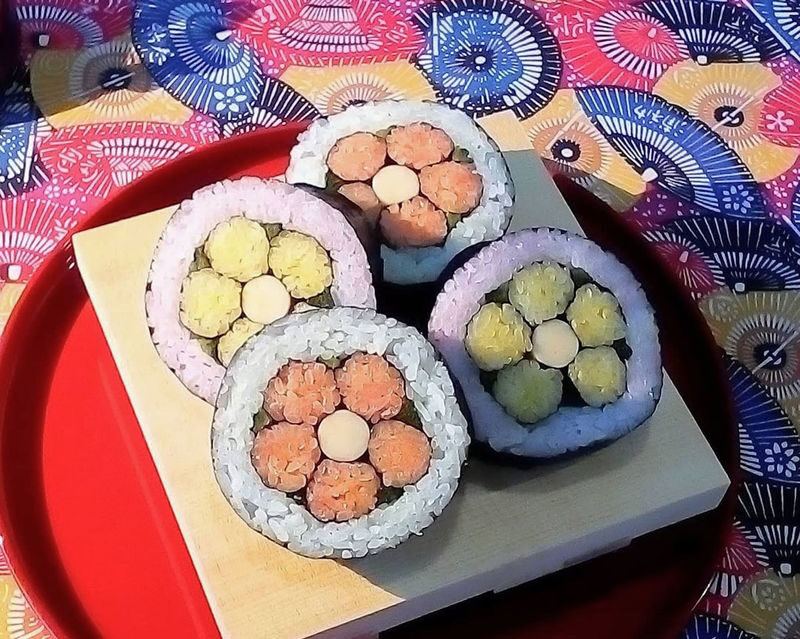
The decorative result also makes the lesson especially appealing if you enjoy food presentation. Floral sushi is designed to look good when sliced, and the beetroot rice adds a recognizable pink accent. You do not need to be a skilled cook to appreciate the process, though you should be ready to try the technique yourself.
The honest limitation is that the shortest option is not a dine-in experience. If you expected to make sushi and then sit down to a hosted meal, read the package description closely and choose an option that clearly includes dining. The basic package asks you to take your finished sushi away.
There are only a couple of public ratings available for this specific activity, so treat them as a small sample rather than a guarantee. The broader provider has a 95 percent good review rate across 1,147 reviews, but that figure covers the provider’s activities overall, not just this cooking class.
Should you book Yuki’s sushi class?
Book it if you want an English-led, hands-on cooking activity with a distinctive result and a teacher who has substantial experience with decorative sushi. The basic class offers a clear, focused session at a starting price of US$67.99, while the longer packages suit you if you want to make more than rolls.
Before committing, decide whether taking your sushi home works for you, check the exact package inclusions, and plan your route to Ishiyama Higashi. If those details fit your day, this is a worthwhile way to spend a few hours in Sapporo learning a skill you can try again at home.
Hokkaido Cooking: Sapporo Sushi Rolls
“I booked this activity to celebrate my daughter's 12 birthday with 2 friends. Yuki picked us up at the station and brought us to her house. We love…”
FAQ
How long is the sushi-making class?
The basic sushi-roll class lasts 2.5 hours. The sushi, two dishes, and bento-making option lasts three hours.
Where is the meeting point?
Meet your host at the bus stop in Ishiyama Higashi 7 Chome. It is about 10 minutes by bus from Makomanai subway Station, and detailed directions and a map link are provided after booking.
Is a meal included in the basic class?
No. The 2.5-hour sushi-roll option does not include dining at the venue. You take the sushi you make home with you.
What is included in the class?
The class includes a certified professional instructor, an English-speaking guide, an English sushi-roll recipe, sushi ingredients, and a welcome drink. Transport and hotel pickup and drop-off are not included.
Can children take part?
Yes. Participants must be at least 5 years old. Children aged 5 to 17 must be accompanied by a paying adult, and children aged 5 and up pay the adult rate.
Can the class accommodate vegetarian diets?
Vegetarian diets can be accommodated. Tell the host about allergies or dietary restrictions when booking.