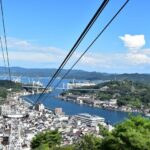
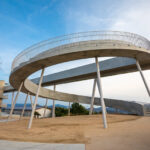
A vast garden of white Italian marble is an unexpected sight at a Buddhist temple on Ikuchijima. Kosanji Museum brings together ornate temple buildings, art and cultural properties, a Thousand Buddha Cave, and the Hill of Hope, where the marble gives the grounds a strikingly modern feel.
I like two things in particular: the contrast between the temple’s detailed architecture and the open, pale stone garden, and the chance to explore at your own pace rather than follow a fixed group schedule. The cave’s sculptures and paintings add a more contemplative stop between the larger outdoor sights.
One consideration: this is a deliberately constructed attraction, not an ancient temple preserved in an untouched state. Its bold colors and decorative style may feel excessive if you prefer spare, restrained temple architecture, and the ticket cannot be canceled or refunded.
At a glance
- A 5,000-square-meter marble garden: The Hill of Hope is the site’s most unusual feature, with white stone and views toward the Seto Inland Sea.
- A Thousand Buddha Cave: Expect Buddhist sculptures, historic paintings, and small waterfalls along the cave route.
- Temple architecture and art: The grounds contain elaborate buildings, important cultural properties, and works of art.
- A visit you can pace yourself: Admission is for the attractions, with no guide or set itinerary included.
- Seasonal garden color: Cherry blossoms, azaleas, hydrangeas, and autumn leaves change the feel of the grounds through the year.

👉 See our pick of the 3 Best Tours In Onomichi
- At a glance
- Kosanji’s marble hill and temple grounds
- Start with the buildings, then look closely
- The Thousand Buddha Cave is worth time
- Give the Hill of Hope its own stretch of time
- Seasonal flowers change the mood
- How much time to allow and what the ticket covers
- Who will get the most from a visit
- Should you book the Kosanji admission ticket?
- FAQ
- Where is Kosanji Museum?
- What are the opening hours?
- Is Kosanji open all year?
- What are Choseikaku’s opening hours?
- Is Choseikaku included in the admission ticket?
- How do I use the voucher?
- How long is the ticket valid?
- Can I cancel or change the ticket?
- Do children pay admission?
- Is there free admission for people with disabilities?
- The Best Of Onomichi!
- More Tours in Onomichi
- More Tour Reviews in Onomichi
- Not for you? Here's more nearby things to do in Onomichi we have reviewed
Kosanji’s marble hill and temple grounds
 1 / 4
 2 / 4
 3 / 4
 4 / 4
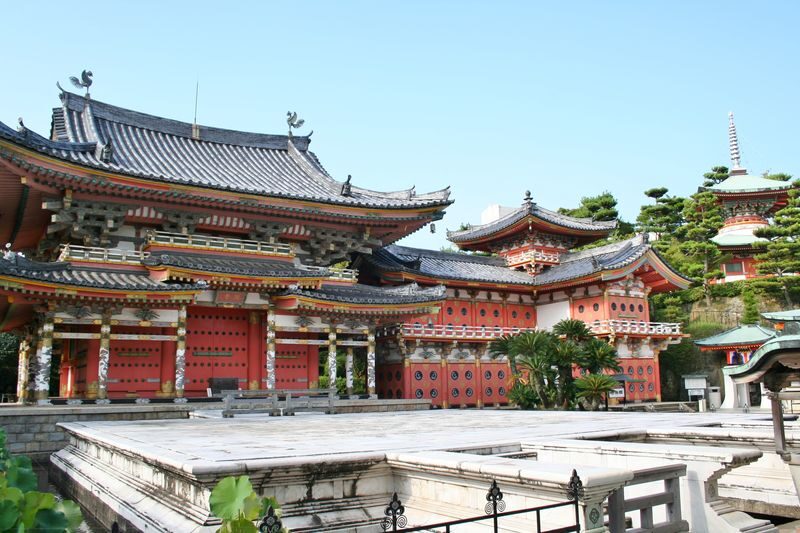
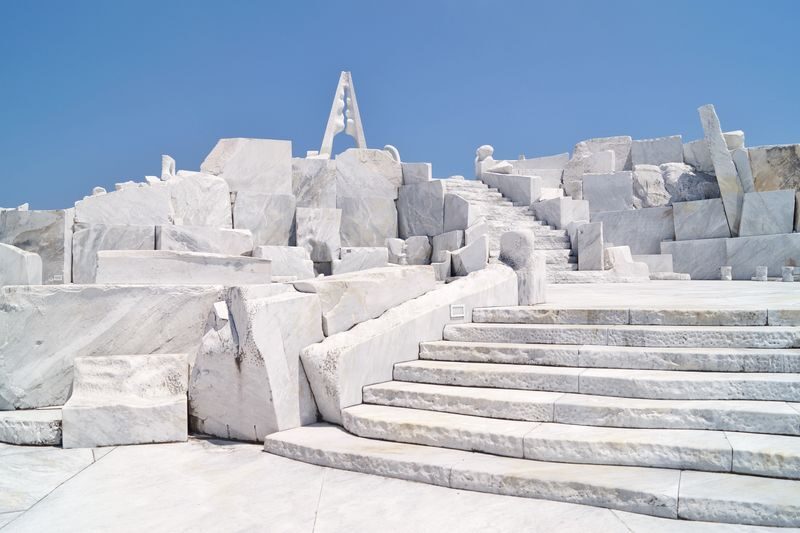
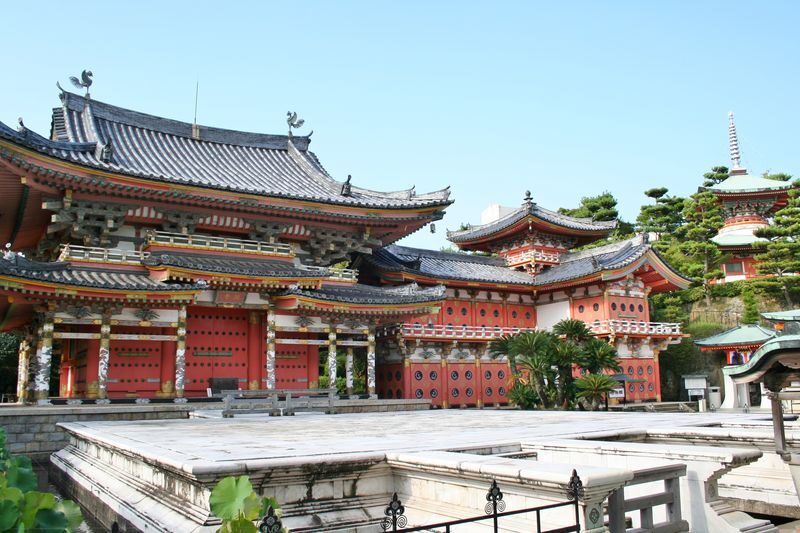
Kosanji is on Ikuchijima, an island in Hiroshima Prefecture, within the city of Onomichi. Its most arresting feature is the Hill of Hope, also known as Miraishin no Oka, a white marble garden covering about 5,000 square meters. It is a bold contrast to the traditional temple setting, and that contrast is the point: this is a place where religious art, elaborate architecture, and a modern stone garden share the same grounds.
The marble is Italian, and the bright stone gives the hill a distinct look against the sky. From the upper area, you can see the Seto Inland Sea. If you enjoy taking photographs, the pale stone and open views give you plenty to frame; if you prefer a quiet pause, the hill also offers room to stop and look out over the water.
The temple’s story adds a more personal layer. Kosanji was built to honor the founder’s mother and her sacrifice, connecting its Buddhist art and spaces with family devotion. That background can make a visit feel less like a collection of ornate sights and more like a place shaped by remembrance and faith.
Still, the style will not suit everyone. The buildings are highly decorative, and the marble garden is a large, modern intervention. If you expect subdued, weathered temple grounds, Kosanji may surprise you. I’d approach it as a distinctive art and religious site, rather than as a model of quiet, minimal temple design.
You can also read our reviews of more tours and experiences in Onomichi.


Start with the buildings, then look closely
Allow time to notice the temple architecture before heading straight for the hill. The decoration is elaborate, with details that reward a slower look. The grounds also contain important cultural properties and works of art, so the visit is not limited to outdoor scenery.
The experience is self-guided. You can pause at the buildings and exhibits that interest you, rather than keeping pace with a tour group. That freedom is useful here because the site brings together several different kinds of places: religious architecture, museum collections, a cave route, and a large garden.
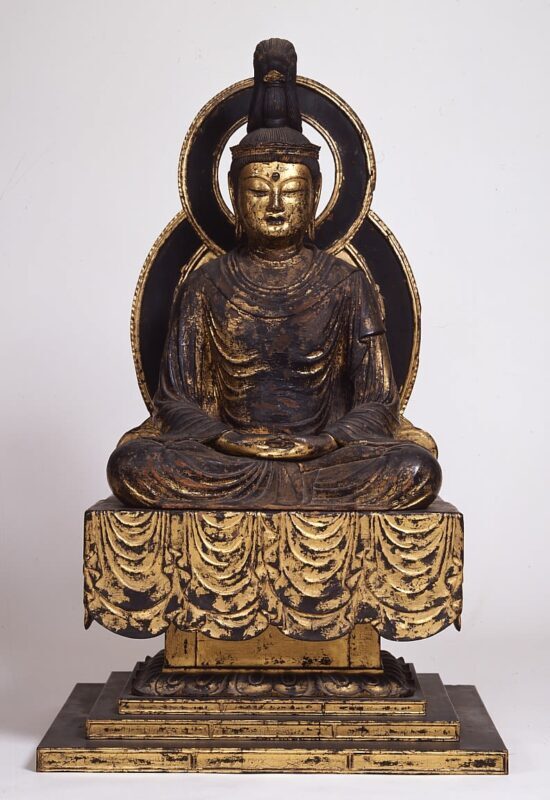
The museum’s displays offer an opportunity to learn about Japanese beliefs and practices. Individual areas connect to stories and ideas, giving you something to consider beyond the visual details. If you want context, take time to read the information provided on site instead of treating each space as a quick photo stop.
The collection is described as including many important cultural properties and works of art, but the ticket information does not specify a full exhibit list. If a particular artwork or collection is your main reason for coming, check what is on display before setting out. For a general visit, the mix of buildings, art, and grounds makes the ticket more than admission to a single gallery.
The Thousand Buddha Cave is worth time
The Thousand Buddha Cave is one of the most distinctive stops within the grounds. Inside, you can see Buddhist sculptures and historic paintings, as well as small waterfalls. The combination gives the cave a different mood from the bright, open marble hill and the decorated temple buildings.
Give yourself time here. The sculptures and paintings are details to take in gradually, not just a passage between other attractions. The cave’s subject matter also ties the visit back to the Buddhist beliefs and practices represented across the site.
There are stairs along the route, and an elevator option has been noted. The exact coverage of that option is not specified, so don’t assume it removes every step. If stairs are a concern, ask staff about access before you begin the cave route.
The cave is often singled out as a must-see, but your response may depend on your interests. If you like religious sculpture, historical imagery, or atmospheric interiors, it is likely to be a highlight. If you are mainly coming for gardens and sea views, it still offers a useful change of pace.
Give the Hill of Hope its own stretch of time
The Hill of Hope is not a small garden tucked beside the temple. Its 5,000 square meters of white marble make it a substantial part of the visit, and you’ll want enough time to walk around and take in the different views. The open stone spaces feel very different from the cave and temple interiors, which is part of what makes the site memorable.
The hill is a good place to slow down. Look across the marble, then turn toward the Seto Inland Sea. The view links the carefully arranged garden with the wider island setting, and the change from enclosed temple spaces to open sky can make the visit feel less hurried.
You may find the marble garden striking or overly theatrical. Both reactions make sense. Its scale and bright color are not subtle, and a visitor who values old materials and restrained design may find the look too polished or artificial. But if you’re curious about the meeting of contemporary art and religious grounds, the hill gives you a clear example to consider.
Seasonal flowers change the mood
Kosanji’s grounds offer flowering trees and seasonal color throughout the year. Cherry blossoms arrive in spring, followed by azaleas and hydrangeas; autumn brings colored leaves. The exact appearance depends on when you visit, so it’s better to think of these as seasonal possibilities rather than guaranteed highlights on every date.
These plantings soften the stone and buildings. In blossom season, you may find a different balance between the garden’s formal structures and the natural setting. In autumn, leaf color can add another layer to the temple grounds. Even outside peak flower periods, the site’s variety gives you reasons to look beyond the main marble hill.
Because the grounds combine outdoor areas with indoor spaces, a visit can still have substance if the weather is not ideal. But weather can affect how much you enjoy walking around, especially if the garden and views are central to your plans. The ticket is nonrefundable, so take that risk into account before booking.


How much time to allow and what the ticket covers
The ticket covers admission to the attractions. There is no guided tour or transport included, so you’ll need to arrange your own journey to the address in Setoda and explore independently. The available information does not give a recommended visit duration. In practice, the time you need will depend on how closely you examine the buildings and displays, and how long you linger in the cave and garden.
The regular opening hours are 9 a.m. to 5 p.m., with last admission at 4:30 p.m. Choseikaku, a separate site area, has shorter hours: 10 a.m. to 4 p.m. If you want to include it, plan your visit around that window. An additional admission fee for Shoin Choshokaku is charged separately on site, so it is not covered by the general ticket.
Kosanji is open all year. The changing seasons affect the gardens, but there is no annual closure listed. The ticket is a one-time admission for one person, and the voucher is valid from April 1, 2026, through March 31, 2027, within the stated hours. The ticket can’t be changed, canceled, or refunded after payment, so choose a date you can realistically make.
Admission starts at $11.35. That is reasonable if you plan to explore several parts of the site rather than make a brief stop at the marble hill alone. The cave, temple buildings, art, and seasonal grounds give the ticket several distinct elements. If you have little interest in ornate architecture, Buddhist art, or gardens, the value may feel less convincing.
Junior high school students and younger children enter free. University students should bring a student ID. People presenting one of the accepted disability certificates, along with one caregiver, are admitted free. Check the current ticket terms if any of these details affect your plans.
Who will get the most from a visit
Kosanji suits visitors who enjoy unusual combinations: traditional religious spaces alongside modern art, a cave filled with Buddhist imagery, and a large marble garden. It also works well if you like to explore independently and take your time. The self-paced format lets you move between the site’s different moods without a fixed schedule.
Families may appreciate the range of things to look at, from sculptures and paintings to the outdoor garden. Keep in mind that the grounds include stairs, and the attraction is spread across several different areas. The free admission for junior high school students and younger children can also make the cost easier to manage for a family.
Art and architecture fans will find the contrast especially interesting. The temple’s decoration is intricate, while the Hill of Hope is expansive and modern. If your ideal temple is simple and weathered, though, this may not be your match. The attraction’s man-made character is part of its identity, not something you can overlook.
Should you book the Kosanji admission ticket?
Book if you want a distinctive half-day-style stop on Ikuchijima and are interested in the combination of Buddhist art, temple architecture, the Thousand Buddha Cave, and the white marble Hill of Hope. At a starting price of $11.35, the ticket offers good value when you take time to see more than one area.
Think twice if you strongly prefer quiet, understated temple grounds, or if your schedule is uncertain. The style is bold, and the no-cancellation rule makes a last-minute change costly. For a flexible visit to a site that combines art, religious spaces, and an unusual garden, Kosanji is an engaging choice.
Hiroshima Kosanji Museum Admissiom Ticket
“Just scan the QR code directly to enter; no need to exchange tickets. There aren't many people, so you can take your time exploring and looking aro…”
FAQ
Where is Kosanji Museum?
It is at 553-2 Setodacho Setoda, Onomichi, Hiroshima Prefecture 722-2411, Japan, on Ikuchijima.
What are the opening hours?
The grounds are open from 9 a.m. to 5 p.m. Last admission is at 4:30 p.m.
Is Kosanji open all year?
Yes. The attraction is listed as open all year.
What are Choseikaku’s opening hours?
Choseikaku is open from 10 a.m. to 4 p.m.
Is Choseikaku included in the admission ticket?
An additional admission fee for Shoin Choshokaku is charged separately at the site.
How do I use the voucher?
You can enter the venue directly with the voucher.
How long is the ticket valid?
The voucher is valid from April 1, 2026, at 9 a.m. to March 31, 2027, at 5 p.m.
Can I cancel or change the ticket?
No. The ticket cannot be canceled, changed, or refunded after payment.
Do children pay admission?
Junior high school students and younger can enter for free.
Is there free admission for people with disabilities?
People presenting an accepted disability certificate and one caregiver are admitted free.