Tottori’s appeal is a rare mix of wind-sculpted dunes, monumental sand art, and a rugged coast, and this pass lets you choose three ways to explore it. I like the freedom to mix museums, outdoor activities, and meals, and the chance to use one QR voucher instead of buying each eligible ticket separately.
I also like that you can wait to activate the pass until your plans take shape. The catch is that not every option is a free admission: some are discounts or coupons, and the participating places are spread around the region, so three choices only make good value if you can reach and use them.
- The useful details at a glance
- How the three-choice pass works
- Sand Museum and dunes: a natural pairing
- Uradome Coast: choose a boat or a paddle
- Museums, railways, and kayaking offer alternatives
- Dining and shopping: useful coupons, not blank cheques
- Making the price work for your trip
- Timing, QR redemption, and small cautions
- Should you book the Have Fun in Tottori Pass?
- FAQ
- How many facilities can I use with the pass?
- How long is the pass valid after I start using it?
- How long do I have to start using the voucher?
- Does the pass include free entry to every attraction?
- Can I use the same facility more than once?
- Do I need to book restaurants or activities in advance?
- More Tours in Tottori
- More Tour Reviews in Tottori
- Not for you? Here's more nearby things to do in Tottori we have reviewed
The useful details at a glance


- Choose three participating stops: Mix attractions and activities with food or shopping offers. Each participating facility can be used once.
- Sand Museum is a strong anchor: See large sculptures made entirely from sand by international artists. Several pass users chose it as one of their three stops.
- Uradome Coast adds an outdoor option: Pick a boat trip or SUP experience, with conditions affecting what is available on the water.
- Dining and shopping can help the maths: Offers may have spending limits or require you to pay the difference on site.
- Activation starts a seven-day clock: Use your first ticket and the pass becomes valid for seven consecutive days, subject to the voucher’s expiry.
- Check each stop before setting out: Opening hours, holidays, reservations, extra fees, and availability vary by facility.
How the three-choice pass works
Think of this as a small activity budget, not an all-inclusive sightseeing card. You get three uses across participating attractions, activities, restaurants, and shopping stops. The actual benefit depends on what you choose: one stop may provide admission, another a discount, and a third a coupon with a minimum spend.
That distinction matters. A Sand Museum visit, a coast excursion, and a meal might each count as one use, but the pass does not necessarily cover the full price of every experience. Some offers require you to pay a difference, and a restaurant may charge separately for side dishes. Check the terms for each facility before deciding that a stop is covered outright.
The pass is priced from $13.29, but the best measure is the value of your three planned choices, not the number of places on the list. For example, a discount on a purchase you already intended to make can be useful. A coupon that prompts you to spend more than you planned may be less so.
There is also a practical timing advantage. You can activate the pass by using your first ticket, then use the remaining choices within seven consecutive days. That works well for a short stay or a flexible week in the area, but it is not a reason to rush from one distant stop to another. Pick three options that fit the route you actually want to travel.
You can also read our reviews of more tours and experiences in Tottori.


Sand Museum and dunes: a natural pairing
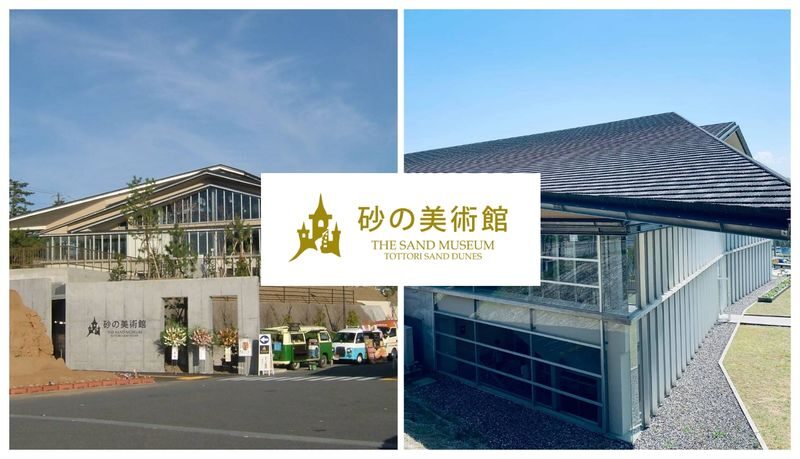
The Sand Museum is the clearest choice for many visitors. Its large-scale sculptures are carved from sand, and the exhibition changes, so the visit has a specific artistic focus rather than functioning as a general museum about the region. The scale and detail of the work make it a memorable indoor stop, especially when you want a break from outdoor plans.
Pass arrangements can differ by offer. The Sand Museum is included among the participating facilities, but the exact value may take the form of admission, a ticket benefit, or another stated offer. Read the current terms before you go. One past use paired an 800-yen museum ticket with a folder valued at 350 yen, while other pass combinations offered free admission. That variation is why it pays to check the details rather than assume every pass covers the same thing.
The dunes themselves are a separate experience. Walking on them is free, so you do not need to spend one of your three pass choices just to see the sand. One useful practical detail: a visitor described the sand as fine but firm underfoot, with a walk to the high point and back taking less than 45 minutes at an unhurried pace. That is an individual estimate, not a guaranteed schedule, but it suggests a short walk can give you a good view without turning the outing into a strenuous hike.
You can also consider the chairlift, though do not assume it drops you at the museum entrance. The museum and the dune viewing area are not the same stop, and walking between points may be part of your plan. Leave room for the walk, the view, and a pause to enjoy the scale of the dunes.
Uradome Coast: choose a boat or a paddle
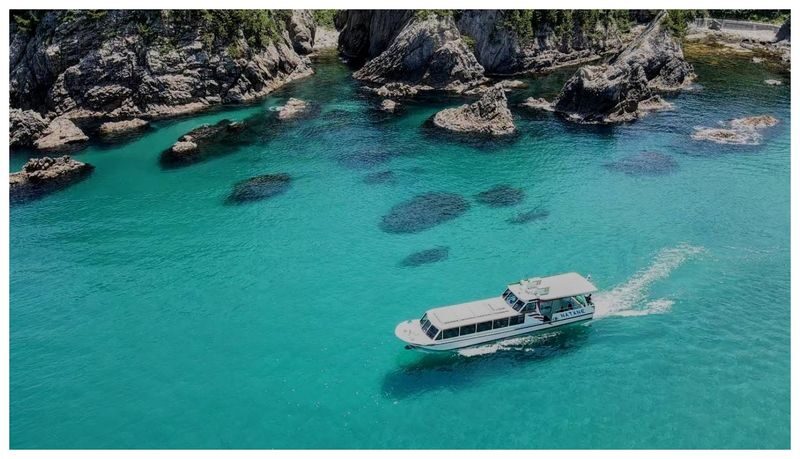
The Uradome Coast options give the pass a different character. A sightseeing boat offers a view of the coast from the water, while SUP puts you on it under your own power. The right pick depends on your appetite for activity, the day’s conditions, and the specific terms attached to each pass option.
Boat trips are especially sensitive to the weather. When waves are high, smaller boats may not run, and you may need to choose a larger vessel or pay an additional fee. One visitor reported paying 800 yen more per person for a large boat when the small boats could not operate. Treat that as a reminder to check the conditions and any price difference on the day, not as a fixed surcharge.
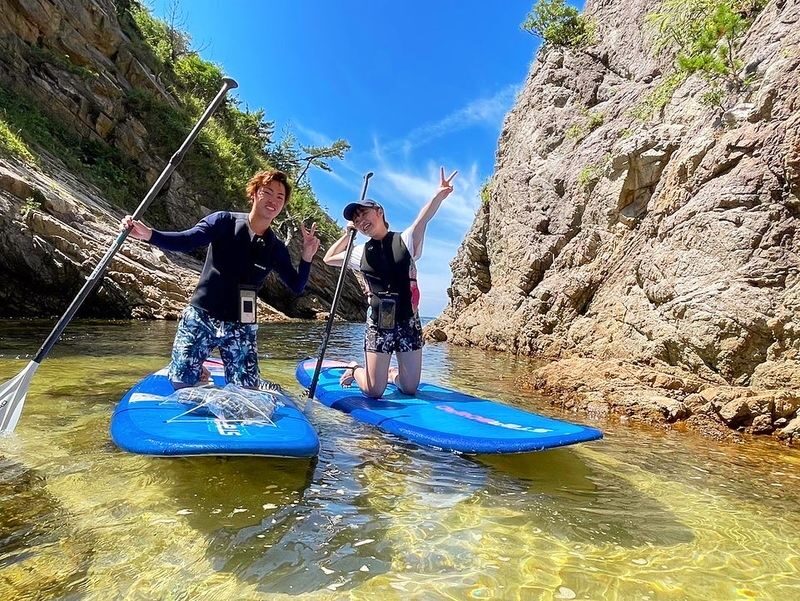
The SUP experience is listed at the Nagisa Exchange Center, at 690-20 Makiya, Iwami-cho, Iwami-gun, Tottori. It is a more hands-on choice than a boat ride, but check the activity details, operating schedule, and any booking requirements in advance. Do not leave directions until the morning of your visit: the available information cautions that facility addresses and links should be checked before setting out.
If you are choosing between the two, the boat is the simpler way to see the coastline without committing to a paddle session. SUP suits you better if the activity itself is part of the appeal. In either case, keep your schedule flexible enough to account for sea conditions.
Museums, railways, and kayaking offer alternatives
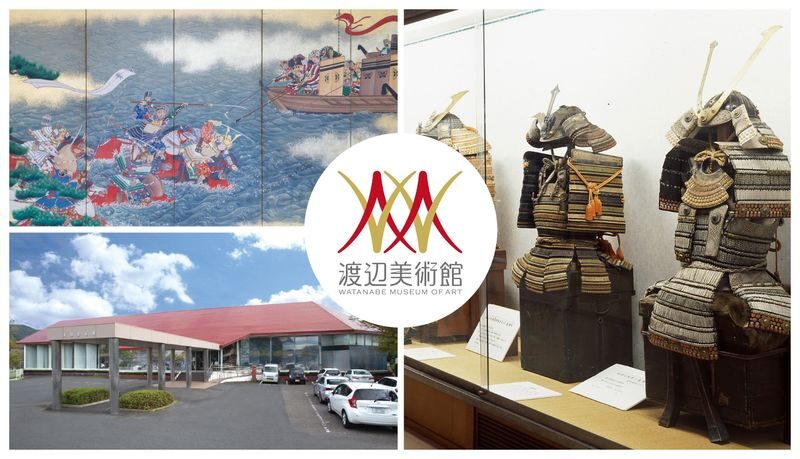
The pass includes more than the headline dunes and coast. Depending on the available options, you can choose the Watanabe Museum of Art, Tottori Folk Crafts Museum, Wakasa Railway, or a 150-minute kayaking session at Lake Tanegaike, also described as Sand Dune Oasis Tanegaike Pond. These choices can make sense if you have already seen the main sights, have particular interests, or are spending more than a day in the area.
The range is useful, but it is not a promise that every facility sits close to the dunes or to one another. Some options may be a poor fit for a short visit if reaching them takes extra time. One pass user found it difficult to use a remaining choice because alternatives were far away. Before committing, map your three stops and check transport between them. A good discount loses its shine if it takes half a day to reach.
The railway option may appeal if you want a different way to explore, but check the specific pass terms and operating information for Wakasa Railway. The same goes for kayaking: the stated session lasts 150 minutes, so it takes a meaningful portion of your day rather than serving as a quick add-on.
Dining and shopping: useful coupons, not blank cheques
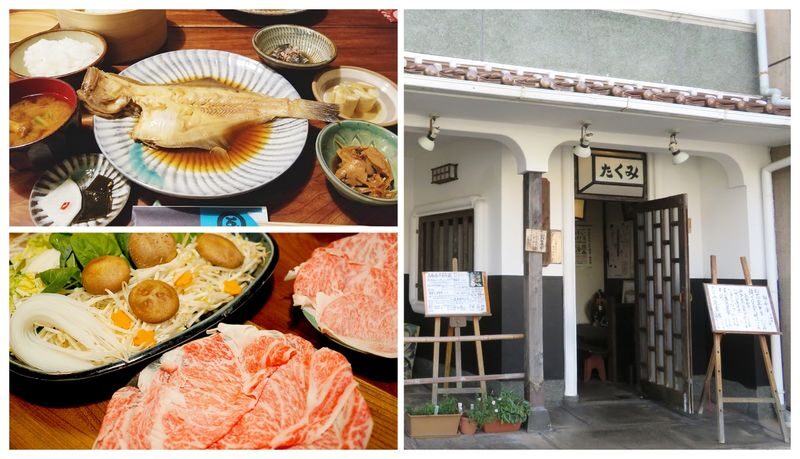
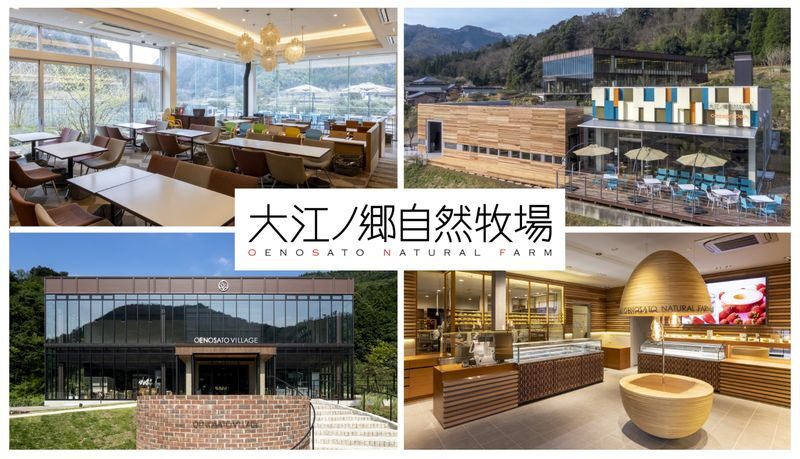
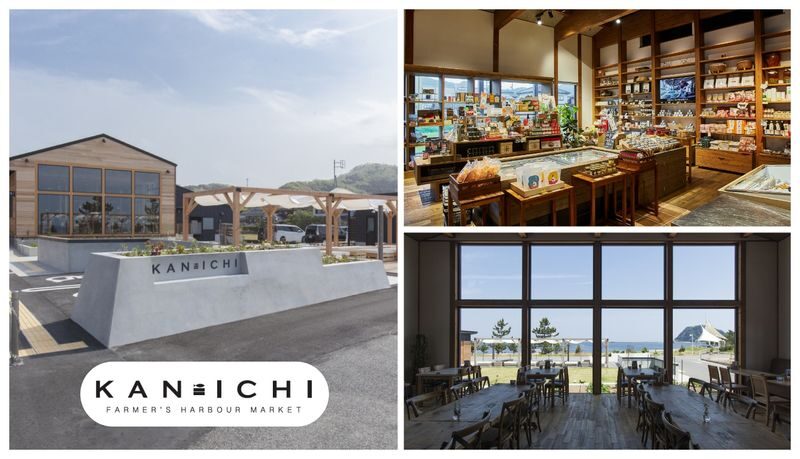
Food and shopping choices can round out a day well. Participating options include Charcoal-grilled Jujuan, Takumi Kappouten Restaurant, Restaurant KAN-ICHI, and Oenosato Natural Farm’s Oenosato Village. These give you a chance to pair sightseeing with a regional meal or a stop for local products.
Read the coupon conditions closely. A shopping offer may require a minimum purchase, and a restaurant coupon may cover only part of the bill. One example offered 1,000 yen off a 3,000-yen purchase at a sand dunes shop. Another offered a discount on pancakes at Oenosato. These can be worthwhile if the purchase or meal is already on your list, but less so if you are spending extra just to use the pass.
Restaurants can fill up, even on weekdays. The pass terms recommend booking ahead where possible or arriving early, and they warn that a coupon may not be usable if the restaurant is full. Side dishes may also cost extra. For a planned dinner, confirm the restaurant’s hours and reservation policy rather than relying on a last-minute seat.


Making the price work for your trip
At a starting price of $13.29, the pass can save money, but it is not automatically a bargain. Build a simple three-stop plan first. Compare the pass price with the admission fees, activity costs, or discounts you can realistically use, and factor in any minimum spending and extra charges.
The strongest plan often pairs a main attraction with something you would happily do anyway. The Sand Museum is a popular anchor, and a boat trip or a meal can make two natural companions. If you are visiting for a short time, choose stops in the same part of your itinerary rather than chasing a third offer far away. If you only have about a day, focus on using the pass for places that fit your route, not on trying to cover the full menu.
A few visitors found the pass worthwhile even when they did not use every possible benefit, while another felt the savings were modest unless all three choices were used. Both reactions make sense: the value changes with the offers you select. Treat unused choices as lost value, since unused facilities cannot be refunded.
There is also a combined package with a Kansai Wide-Area 5-Day Rail Pass. That is a separate option, and the included Tottori pass terms may differ from the standalone three-facility version. If you are considering the rail bundle, check exactly what it includes and whether the railway route suits your wider trip. Do not assume the rail pass is needed to use the Tottori choices.
Timing, QR redemption, and small cautions
The voucher is described as valid for 270 days, with the pass activating when you use the first ticket and then running for seven consecutive days or until its stated expiry, whichever comes first. The supplied terms also contain different validity wording for some ticket types and package options. Check the dates printed on your own voucher before purchase and before travel, especially if you are buying a bundled option.
At the facility, you generally present the voucher’s QR code for scanning. Check whether a particular stop has a designated counter or other instructions, and keep the code ready when you arrive. The pass is one-time use per person at each facility; you cannot reuse the same facility or re-enter using that same choice.
Before leaving, confirm opening hours, public holidays, reservation needs, and any extra fees with the facility. This matters most for restaurants, water activities, and places outside the central sightseeing route. If you are buying several passes in the same booking, note that using one may activate all of them, so do not redeem one early unless everyone is ready to start their seven-day period.
Should you book the Have Fun in Tottori Pass?
Book it if you can name three participating stops you genuinely want and the combined value beats paying separately. It is especially practical for a trip built around the Sand Museum, a coast activity, and a meal or shopping stop. The QR redemption is straightforward, and the week-long activated period gives you room to spread your choices across several days.
Skip it if you expect to use only one or two offers, if your preferred stops are scattered and hard to reach, or if the discounts would push you into spending more than you planned. Tottori’s dunes are worth seeing without a pass, and the best pass is the one that fits your route, not the one with the longest list of options.
Have Fun in Tottori Pass
“The Kansai Wide Area Pass combined with the Tottori Enjoy Pass is an exceptional value and very convenient. We used the Tottori Pass for three attr…”
FAQ
How many facilities can I use with the pass?
The standalone Have Fun in Tottori Pass covers three facilities or participating offers. Each facility can be used once per person.
How long is the pass valid after I start using it?
Once you use your first ticket, the pass is valid for seven consecutive days or until the voucher’s stated expiry date, whichever comes first.
How long do I have to start using the voucher?
The pass information gives a validity period of up to 270 days, but terms can vary by ticket or package. Check the expiry date on your voucher before planning your visit.
Does the pass include free entry to every attraction?
No. The benefit depends on the facility and may be admission, a discount, or a coupon. Some offers require you to pay a price difference or meet a spending condition.
Can I use the same facility more than once?
No. Each participating facility can be used once, and you cannot re-enter the same facility using the pass.
Do I need to book restaurants or activities in advance?
Some restaurants may be full, and the pass information recommends booking ahead where possible or arriving early. Check the specific facility’s opening hours, reservation requirements, and availability before you go.