Saga’s best pass perk may be the chance to pair a visit to Yutoku Inari Shrine with a hunt for Arita porcelain at Kouraku Kiln. You choose three participating attractions, experiences, food stops, or shops, then use them within a week. This is a flexible pass, not a guided tour with a set route.
I like having a shrine visit and a hands-on ceramics stop among the choices, and I like that the pass also includes options such as a kimono shop and a citrus orchard. The catch: some participating places can be hard to reach by public transport, and the exact validity wording needs a careful check before you buy.
- Five things to know before choosing your stops
- A choose-your-own route through Saga
- Yutoku Inari Shrine: a major stop with a ceremonial angle
- Kouraku Kiln: a treasure hunt for pottery fans
- Kimono, citrus, and other ways to use your three picks
- What the price buys, and when it is good value
- Validity details deserve a close look
- Who should buy the Saga pass?
- FAQ
- How many facilities can I visit with the pass?
- How long does the pass last after I first use it?
- How long is the voucher valid before I use it?
- Which attractions and businesses are listed?
- Does the pass include transportation?
- Is there an age limit?
- Can I use the pass at a restaurant if it is full?
- Are side dishes included at restaurants?
- Can I get a refund for unused facilities?
- Can I cancel before using the voucher?
- More Tour Reviews in Saga
- Not for you? Here's more nearby things to do in Saga we have reviewed
Five things to know before choosing your stops
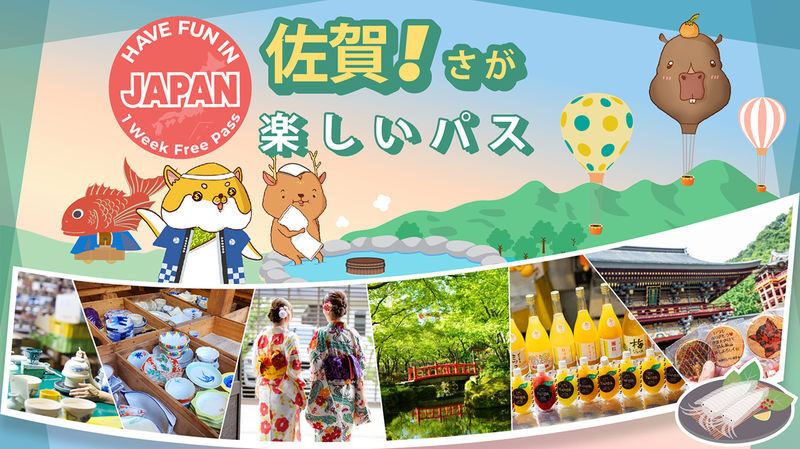
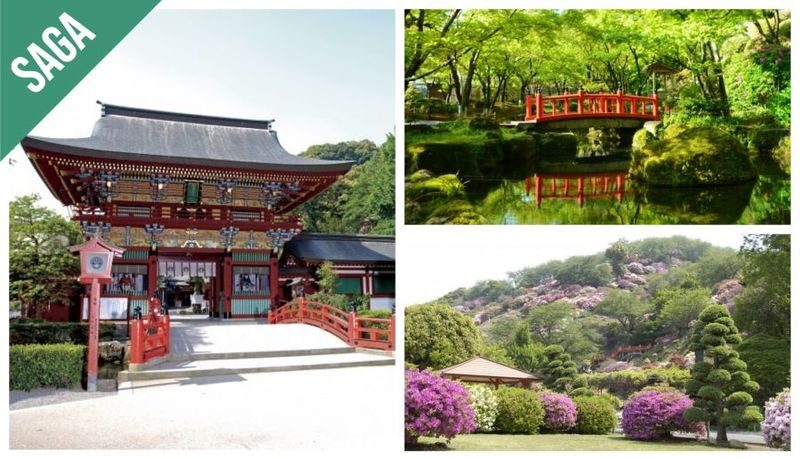
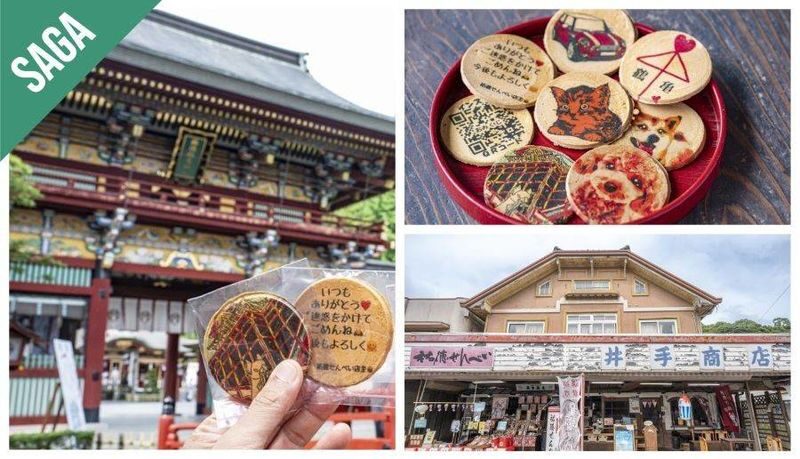
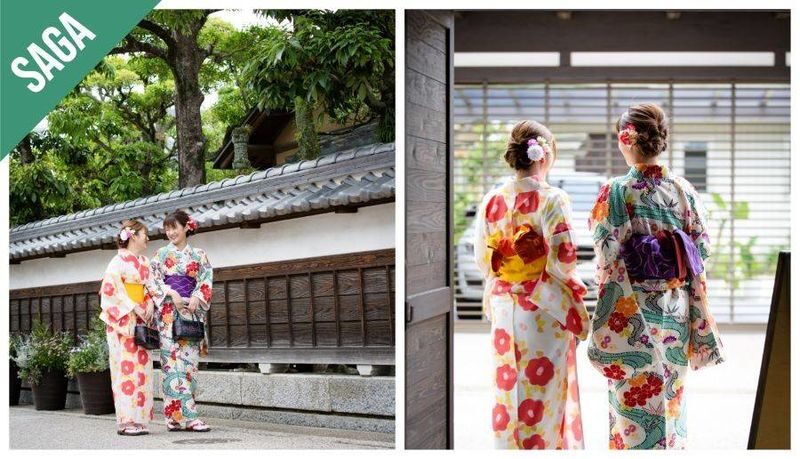


- Pick three facilities: The pass covers three participating places, not unlimited visits.
- Yutoku Inari Shrine is a featured stop: The shrine is known as one of Japan’s Three Great Inari Shrines. Miko dance and a Tamagushi ritual are among the highlighted possibilities, but check availability before you go.
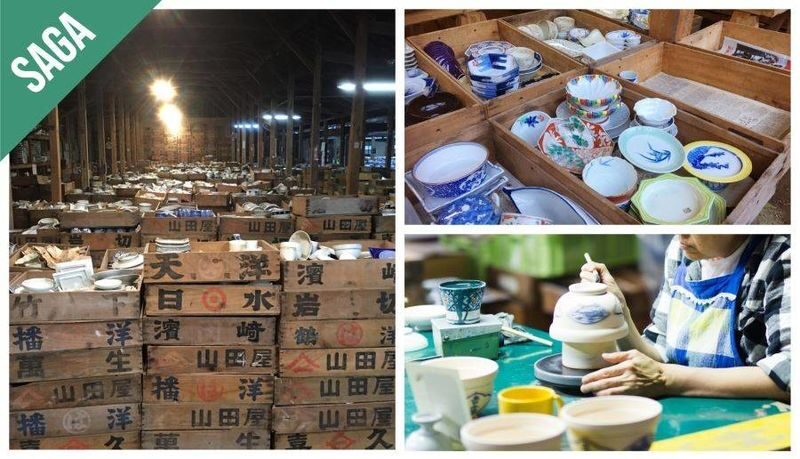
- Kouraku Kiln offers a porcelain treasure hunt: You can search a ceramics warehouse for Arita porcelain pieces. This is the most distinctive activity for anyone interested in Saga’s pottery tradition.
- Your first use starts the clock: The pass lasts seven consecutive days after activation, subject to its overall expiry date.
- Plan transport and opening hours: Some places may be difficult to reach by public transport, and schedules can vary.
A choose-your-own route through Saga
The Have Fun in Saga Pass is best understood as a small menu of stops rather than a packaged day trip. You select three participating facilities, and the order is up to you. That freedom is useful if you already have a plan for Saga, but it also means you need to do some homework before leaving your hotel.
The selection includes Yutoku Inari Shrine, Ide Shoten, Yosohohi Nifuku Kimono Shop, Tashima Citrus Orchard & Processing Factory, Wa no Kotokoto Hajime Club, and Koransha. Kouraku Kiln’s porcelain treasure hunt is also highlighted. The supplied details do not lay out a fixed itinerary or explain every facility’s exact offer, so check the pass website for current descriptions, opening days, and any conditions attached to your chosen stops.
The listed location is Ogi, Saga, but the participating facilities are not all described as being in one compact area. Think of the pass as a way to add value to a Saga itinerary, not as transport between attractions. No transport is included, and one visitor found that some sites were difficult to reach by public transportation. If you are not driving, map all three choices before activating the pass. A free activity you cannot conveniently reach is not much of a bargain.
You can also read our reviews of more tours and experiences in Saga.

Yutoku Inari Shrine: a major stop with a ceremonial angle
Yutoku Inari Shrine is the clearest choice for a visitor who wants a significant cultural site in the mix. It is counted among Japan’s Three Great Inari Shrines, giving the pass a substantial landmark rather than just a string of small commercial stops.
The experience highlights Miko dance and a Tamagushi ritual. Those details add a possible ceremonial dimension, but the information does not specify when these take place or whether they are included every day. Check directly with the shrine before building your schedule around either one. Opening hours and public holidays should also be checked in advance.
A shrine visit can be a good anchor for your three picks, especially if you want to balance a cultural stop with a shop or food experience. The pass information also notes a shopping street connection in the area, but the available choices and what each ticket covers may be limited. Check the specific facility list rather than assuming every nearby shop accepts the pass.
Kouraku Kiln: a treasure hunt for pottery fans
The most unusual activity in the pass is the Kouraku Kiln treasure hunt. Instead of simply looking at finished ceramics behind glass, you search a ceramics warehouse for Arita porcelain pieces. One visitor valued the chance to find many pottery items, which hints at why this stop could make the pass feel worthwhile for people who enjoy browsing and choosing objects.
Saga is known as Japan’s porcelain heartland, and Arita ware gives this stop a strong local connection. The activity is especially appealing if you like ceramics but do not want your visit to consist only of museum displays. Still, the supplied information does not specify how long the hunt takes, what pieces are guaranteed, or whether every item you find is included in the pass. Confirm the rules and ask about any price difference before choosing it.
A visit here can pair well with the shrine if you want two very different sides of Saga: religious tradition and craft. The pass has been popular with Korean visitors, but the attraction is not limited to any one audience. The useful question is whether pottery appeals to you enough to make the trip and whether you can fit it into a sensible route.
Kimono, citrus, and other ways to use your three picks
The pass also lists a kimono shop, a citrus orchard and processing factory, and other participating businesses. These choices broaden the pass beyond temples and pottery, which matters if your group has varied interests or you have already visited the region’s best-known sites.
Yosohohi Nifuku Kimono Shop is the named kimono option. A visitor who used the pass found trying on a kimono to be part of the appeal. The supplied details do not state the exact service, duration, or whether any add-ons cost extra, so check those points with the shop before you go. Treat it as a possible experience, not a guaranteed full-day rental or dressing service.
Tashima Citrus Orchard & Processing Factory gives you a food-related option, while Ide Shoten, Wa no Kotokoto Hajime Club, and Koransha add other participating businesses to consider. The pass information does not spell out each offer in detail, so verify what your ticket buys at each place. Some coupons may require an extra payment if the item or service costs more than the pass allowance.
Food choices need a little extra care. The terms say side dishes may incur an additional charge, and restaurants can be full during peak hours. You may not be able to use the ticket if a restaurant has no seats, so call ahead where possible or arrive early. The pass does not reserve a table for you.
What the price buys, and when it is good value
The pass starts at $25.29 and covers three facilities. Whether that is a bargain depends on the value of the specific experiences you choose. If you select three paid activities or offers that would otherwise cost more than the pass, it can be a sensible buy. If your choices are low-cost shops or places you cannot reach without expensive transport, the savings may shrink.
Before purchasing, compare the pass price with the standalone cost of your intended three stops. Check for surcharges, especially at restaurants and coupon-based businesses. The pass is one-time use per person at each participating facility, and unused facilities cannot be refunded. In other words, choose stops you genuinely want, not three names picked at random to justify the purchase.
The pass can be particularly good for a traveler who already plans to visit Yutoku Inari Shrine and wants to add pottery or a kimono experience. It is less compelling if you only want one attraction, or if the participating venues do not fit your route.
Validity details deserve a close look
The pass activates when you first use a ticket and then runs for seven consecutive days. You can use it for three facilities during that period. The booking information also gives two different pre-use validity windows: one section says the voucher is valid for 270 days from booking confirmation, while another says tickets are valid for 90 days from the specified date.
That inconsistency matters if you plan to buy well ahead of your trip. Check the exact expiry date shown on your voucher and confirm the terms with the seller before booking. The seven-day period also cannot extend past the ticket’s stated expiry. If you buy multiple passes in one booking, using one may activate all of them, so avoid placing several passes in the same order unless that suits your group’s timing.
Redemption instructions say to enter with your voucher and also refer to exchanging it for a physical ticket. Follow the instructions for the specific facility and have the voucher ready. Opening hours and public holidays should be checked with each venue, not assumed from the pass page.
Unredeemed vouchers can be cancelled for a full refund within 90 days of booking confirmation, according to the terms. Once you have used a ticket or taken part in an activity, refunds are not available. No refunds are offered for facilities you leave unused.
Who should buy the Saga pass?
I would consider this pass if you are spending several days in Saga, have three participating facilities in mind, and enjoy mixing cultural stops with local crafts, shops, or food. It has particular appeal for pottery fans who want to search for Arita porcelain and for visitors who want Yutoku Inari Shrine in their plans.
It is a weaker fit for a rushed day trip with no transport plan, or for anyone expecting a guided tour or a fixed itinerary. You need to choose your own stops, check details, and allow for the possibility that a restaurant is full or a venue is closed. If those small planning tasks sound manageable, the pass can add variety to a Saga visit. If not, book only after confirming that your preferred three stops are open and reachable.
Have Fun in Saga Pass
“The tickets currently cover a limited range of attractions and shops. They are mainly used at Yutoku Inari Shrine and its shopping street. Some att…”
FAQ
How many facilities can I visit with the pass?
You can use the pass at three participating facilities during its valid period.
How long does the pass last after I first use it?
It is valid for seven consecutive days after the first ticket is used, unless the ticket’s stated expiry date comes sooner.
How long is the voucher valid before I use it?
The supplied terms conflict: one section states 270 days from booking confirmation, while another states 90 days from a specified date. Check the expiry date on your voucher before relying on either period.
Which attractions and businesses are listed?
Named options include Yutoku Inari Shrine, Ide Shoten, Yosohohi Nifuku Kimono Shop, Tashima Citrus Orchard & Processing Factory, Wa no Kotokoto Hajime Club, and Koransha. Kouraku Kiln’s porcelain treasure hunt is also highlighted.
Does the pass include transportation?
No transportation is listed as included. Plan how you will reach each facility.
Is there an age limit?
No. The activity has no age limit, and the same price applies to all ages.
Can I use the pass at a restaurant if it is full?
The terms warn that a restaurant may be full and unable to accept the ticket at that time. Make an appointment if possible or arrive early.
Are side dishes included at restaurants?
Not necessarily. Extra fees for side dishes may be charged at the restaurant.
Can I get a refund for unused facilities?
No. Unused facilities cannot be refunded. Once any ticket has been redeemed or an activity has been used, a refund is not available.
Can I cancel before using the voucher?
The terms allow free cancellation within 90 days of booking confirmation, provided the voucher has not been redeemed.