Gyeongju is where Korea’s Silla past comes into view in temples, grassy royal tombs and traditional streets. This day trip links those historic sights with Ahopsan Forest, a centuries-old bamboo grove used as a filming location for Korean dramas, and saves you the work of piecing together transport from Busan.
I like that the route combines Bulguksa Temple and Daereungwon with the very different feel of Ahopsan’s bamboo and Gyochon’s hanok lanes. I also like the guides’ role: names such as Hans, Erica and Hee appear often, with praise for clear history explanations, patient group care and help finding photo spots.
The main trade-off is a full schedule. Traffic, several Busan pickup points and changing conditions can squeeze time at individual sights, while Ahopsan admission and some optional entry fees cost extra. There is also a duration mismatch in the supplied details: the headline says one hour, but the schedule runs from morning pickup to evening return, so treat this as a full-day outing and confirm the booked option.
- Bulguksa brings Silla-era stonework into focus: A guided visit gives context to this UNESCO-listed temple.
- Ahopsan adds a cool green pause: The old bamboo grove is a filming location, but admission is not included.
- Gyochon is more than a photo stop: You may get to try pounding traditional rice cakes while learning about the village and the Choi family’s values.
- Daereungwon pairs tombs with modern streets: The walk connects royal burial mounds with Hwangridan-gil’s cafes and shops.
- The final choice changes the day: The National Museum or optional Donggung Palace and Wolji Pond may be offered, depending on the arrangement.
- Busan pickup points are spread across the city: Choose Busan Station, Seomyeon or Haeundae, and be there ten minutes early.
- A full day that crosses eras
- Ahopsan Forest, a bamboo opening act
- Lunch is a useful pause, not a fixed menu
- Bulguksa Temple rewards a guided visit
- Gyochon’s traditional houses and rice-cake making
- Daereungwon and Hwangridan-gil, old and new side by side
- Museum or Donggung Palace and Wolji Pond
- Woljeonggyo Bridge for the closing scene
- What the price includes, and what it does not
- Busan pickups and the long ride home
- Who should book this Gyeongju day trip?
- FAQ
- How long is the tour?
- Where can I join the tour in Busan?
- Which languages does the guide speak?
- Are attraction admission fees included?
- Are lunch and drinks included?
- Can the itinerary change?
- Is the tour wheelchair-accessible, and what is the minimum age?
- The Best Of Busan!
- More Historical Tours in Busan
- More Tours in Busan
- More Tour Reviews in Busan
- Not for you? Here's more nearby things to do in Busan we have reviewed
A full day that crosses eras
 1 / 10
 2 / 10
 3 / 10
 4 / 10
 5 / 10
 6 / 10
 7 / 10
 8 / 10
 9 / 10
 10 / 10
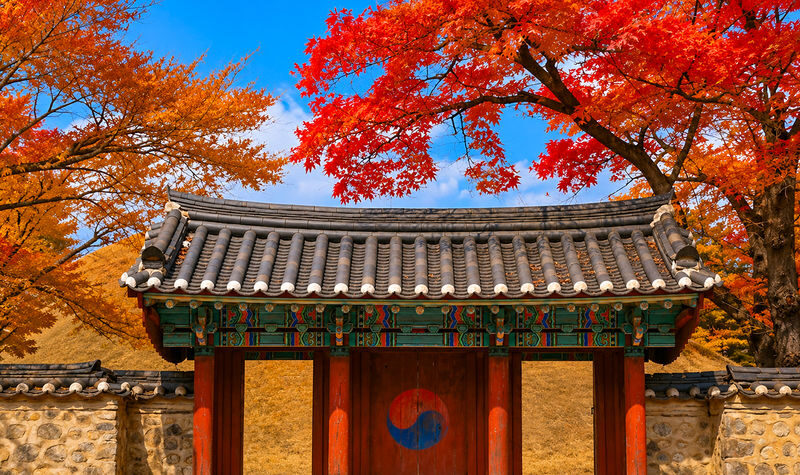
This is a broad introduction to Gyeongju, not a slow, single-site visit. From Busan, you head inland for a day built around Silla history, traditional architecture and natural scenery, then return to the same city in the evening. The mix is the point: you move from a bamboo forest to a Buddhist temple, from royal tombs to cafe-lined hanok streets.
The trip is practical if you have limited time in Busan and want to see several Gyeongju highlights without organizing each transfer yourself. Round-trip transport, tolls, parking and fuel are included in the join-in option, along with an English- or Chinese-speaking guide. A good guide can turn a sequence of stops into a story, and names including Hans, Erica, Hee, Jonas and Yaho have been singled out for clear explanations, friendly care and help with photos.
That convenience comes with less control over pace. This is a group schedule, and the order or length of stops can change with traffic, weather, capacity or other conditions. If you prefer to linger over temple details or spend a long time in a museum, a private tour may suit you better, though its starting price is much higher.
👉 See our pick of the 4 Best 3 Day Tours In Busan
Ahopsan Forest, a bamboo opening act
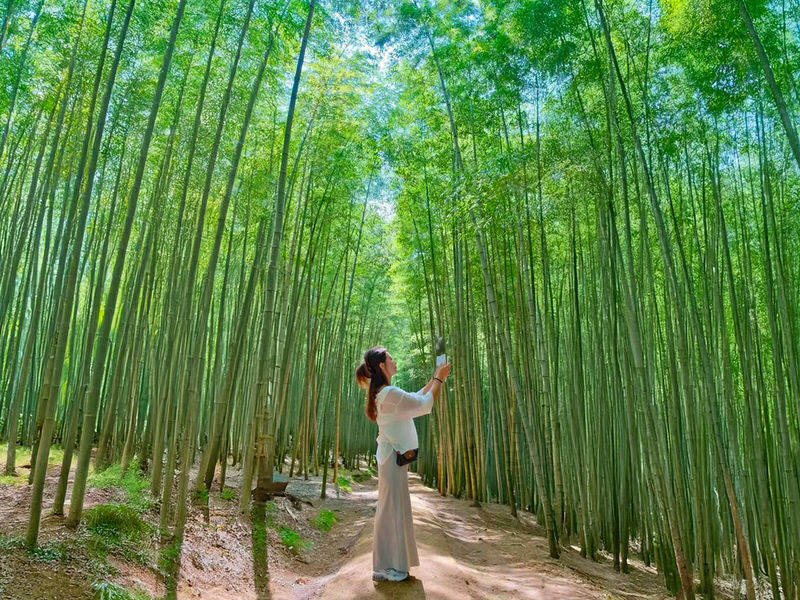
The first listed sightseeing stop is Ahopsan Forest, a private bamboo grove known for its age and appearances in Korean dramas. The tall bamboo gives this visit a different mood from Gyeongju’s stone monuments and open tomb grounds. It is also the kind of place where a guide can point out good spots for photos, something several guides are praised for doing throughout the day.
The important budget detail: Ahopsan admission is not included in the join-in tour price. Bring extra money for the entrance fee, and check the current amount before departure because no price is provided here. The forest may also be affected by weather or operating conditions, so the day’s final plan can change.
This stop helps explain the tour’s wider appeal. You are not spending the whole day inside museums or at archaeological sites. Instead, the route adds a natural setting and a familiar piece of Korean screen culture to a history-focused day.
You can also read our reviews of more historical tours in Busan


Lunch is a useful pause, not a fixed menu
The tour includes a one-hour lunch break, but meals and drinks are not included in the price. The stop and timing can change according to the day’s circumstances. One participant described an affordable buffet at ₩9,900 with cafe and convenience-store options nearby, but that should be treated as an example, not a guaranteed restaurant or price.
Tell the guide about allergies, vegetarian needs or religious dietary restrictions in advance. A guide has been praised for accommodating vegetarian choices, but it is still better to flag your needs before the tour rather than wait until the group reaches lunch.
A one-hour break is a sensible chance to sit down during a long day, though it also takes time away from sightseeing. Bring a snack if you prefer to keep lunch brief, but follow the guide’s timing so the group can stay together. With several stops and traffic between them, small delays can matter.
Bulguksa Temple rewards a guided visit
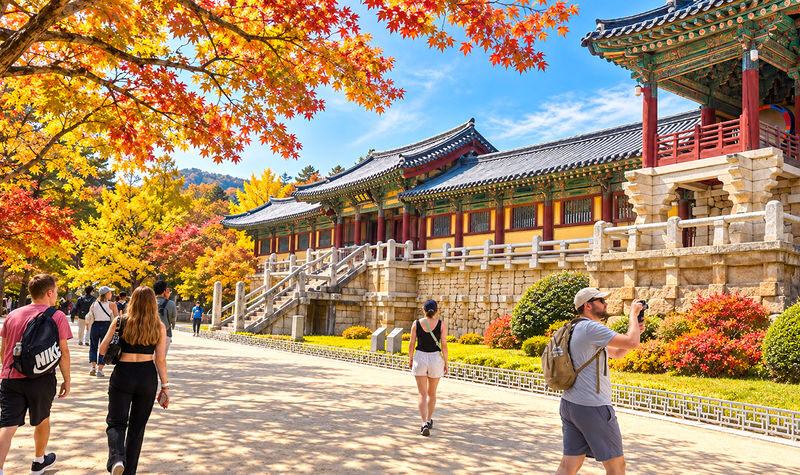
Bulguksa is one of the day’s central sights: a UNESCO World Heritage Site and a major example of Buddhist architecture from the Silla period. Its intricate stonework and formal layout are easier to appreciate when someone explains what you are looking at. This is where the tour’s guide-led format has real value, especially if Korean history is new to you.
Expect to walk around the temple grounds and take in the architecture at the pace set for the group. The schedule does not promise a specific amount of time here. Some visitors have found the overall itinerary too packed, particularly when traffic or other stops take longer than planned, so do not count on a long, unhurried temple visit.
Wear comfortable shoes and be ready for outdoor walking. The tour is not wheelchair-accessible, and the day includes several different sites rather than one continuous, level route. In hot weather, bring water and sun protection; summer conditions have been described as very hot.
Gyochon’s traditional houses and rice-cake making
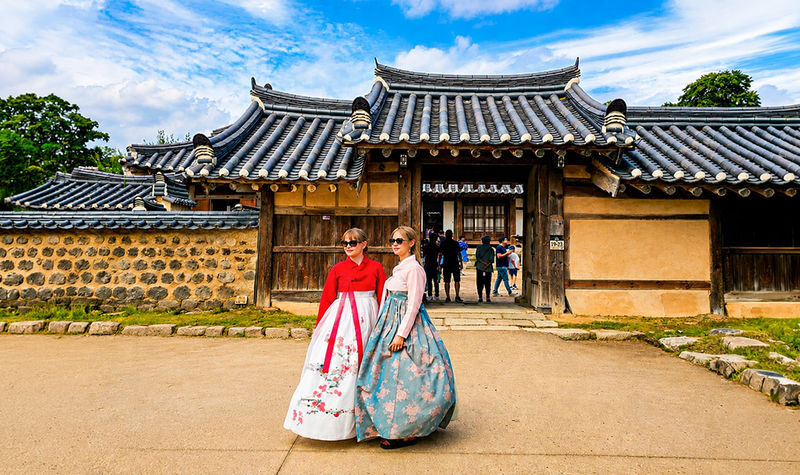
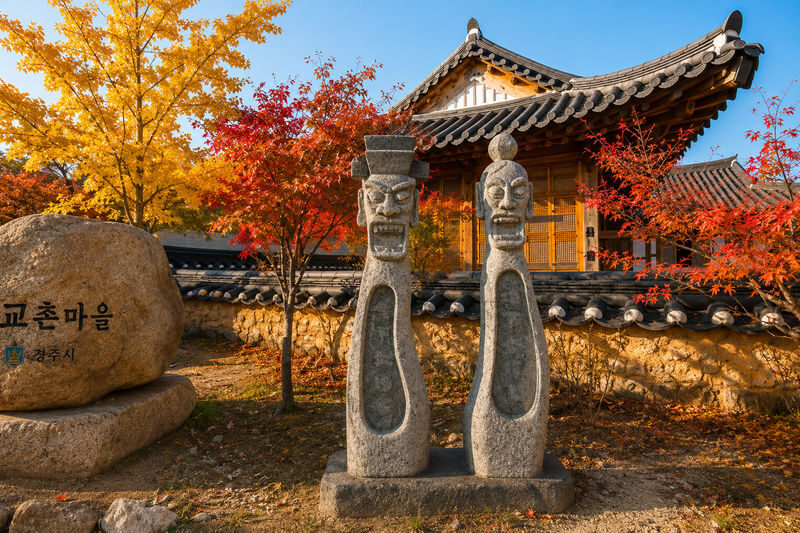
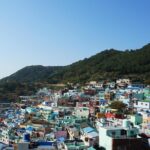
Gyochon Hanok Village offers a more intimate look at traditional Korean architecture and local values. The village is associated with the Choi family and its emphasis on integrity, and the planned hands-on rice-cake pounding gives you something to do beyond taking photos of old buildings.
Treat the activity as a possible part of the visit rather than a certainty. The schedule can change, and some attractions may be skipped because of capacity or weather. Still, when it goes ahead, the rice-cake experience adds a tactile moment to a day otherwise shaped by walking, listening and looking.
The village also provides a useful contrast with Hwangridan-gil. Gyochon’s historic atmosphere is quieter; the newer cafe and shop district shows how Gyeongju’s traditional style is being used in contemporary spaces. Together, the two stops make the city feel less like a collection of monuments and more like a place where old forms still shape daily life.
Daereungwon and Hwangridan-gil, old and new side by side
Daereungwon is known for its large royal tombs, visible as rounded grassy mounds across the grounds. Their scale and setting make this one of Gyeongju’s most memorable outdoor stops. The tombs are not just a backdrop: they reflect the power and burial customs of the Silla kingdom that shaped the city.
The planned walk also reaches Hwangridan-gil, where hanok-style cafes and shops give the area a newer feel. This is a good place to notice how Gyeongju balances heritage with modern tourism. It can also be a practical chance to browse, grab a drink or take photographs, depending on how much time the schedule allows.
The trade-off is that Daereungwon, Hwangridan-gil and nearby attractions compete for limited hours. The tour is designed to show you several sides of the city, not give you a full afternoon in each. If one site matters most, ask your guide how much time is planned that day and be ready to prioritize.
Museum or Donggung Palace and Wolji Pond
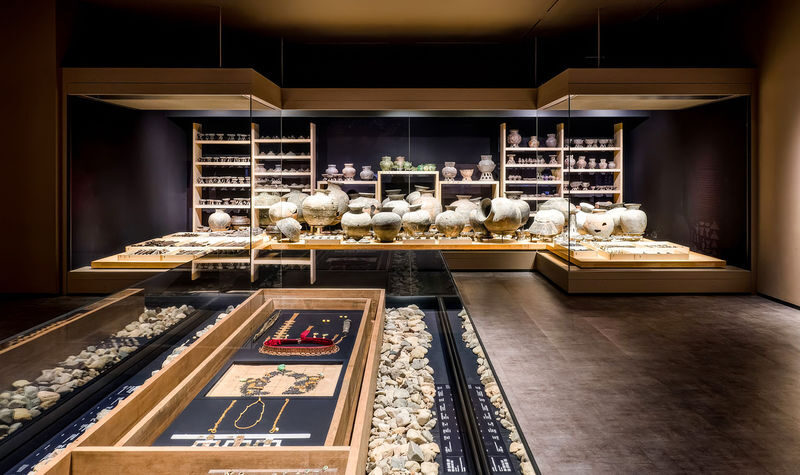
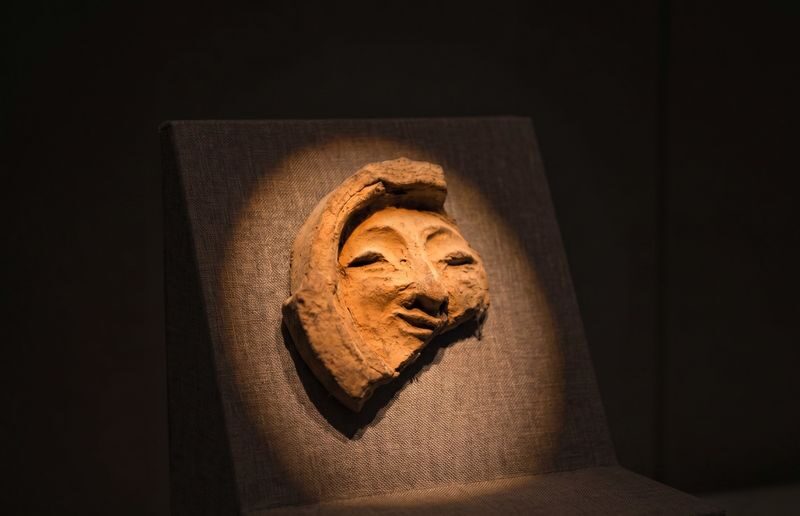
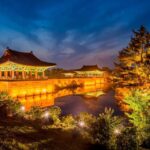
The later part of the route may include Gyeongju National Museum, or an alternative visit to Donggung Palace and Wolji Pond. The museum offers a chance to put the day’s sites into a broader Silla context through objects and exhibits. But museum time can be brief: one participant reported less than 40 minutes, while another felt the museum visit was rushed.
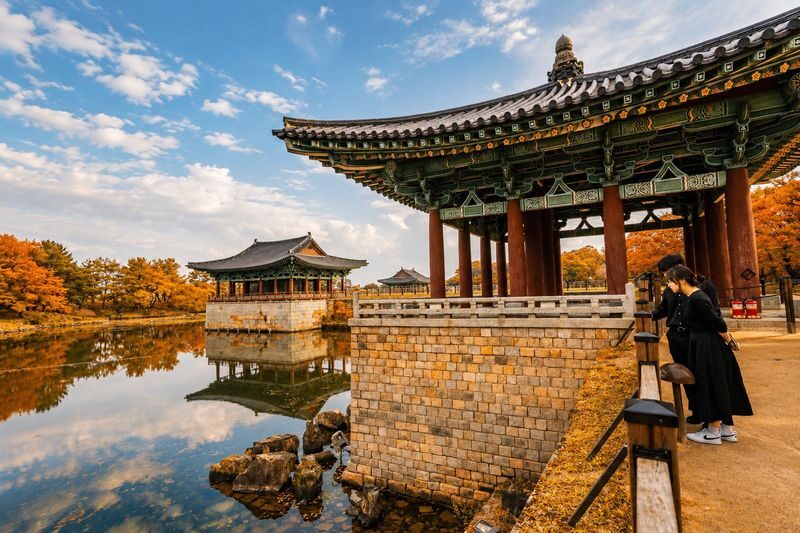
Donggung and Wolji provide a different kind of stop, with palace remains and a pond setting. Admission is optional and costs 3,000 KRW on site according to the tour details. The choice may depend on the day’s plan and your own interests, so ask the guide before the group separates or boards transport.
This is the part of the day where expectations matter. If you love museums, a short visit may feel frustrating. If you would rather be outdoors, the palace and pond may be a better fit. Neither option is guaranteed to receive extensive time, and weather or capacity can prompt changes.
Woljeonggyo Bridge for the closing scene
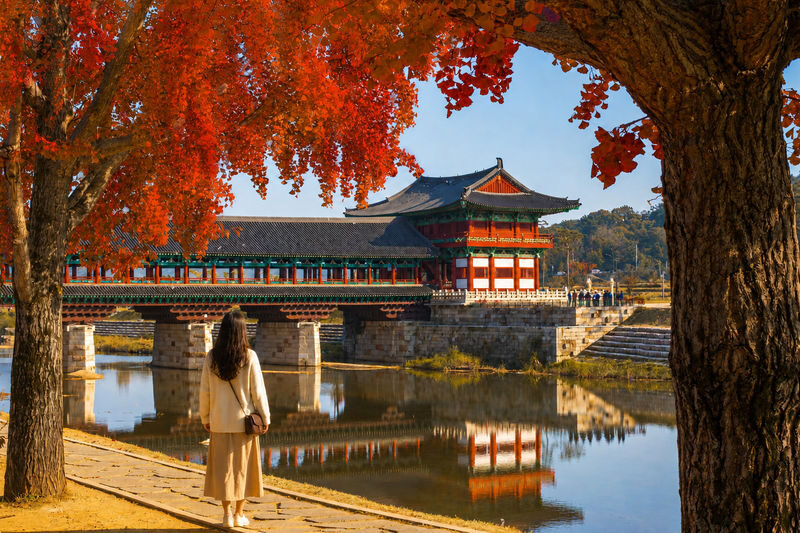
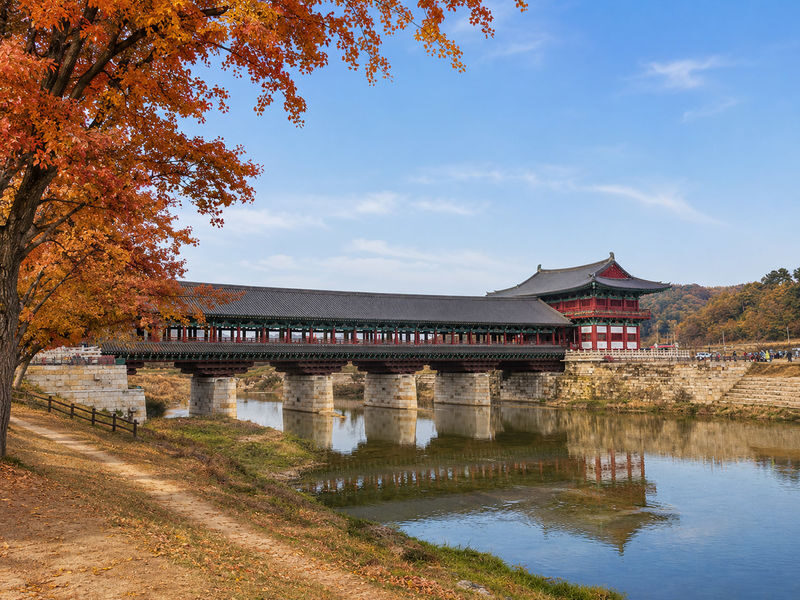
Woljeonggyo Bridge is a Silla-era landmark with elegant wooden architecture beside the river. It offers a more relaxed visual finish after the tombs, temple grounds and walking streets. The bridge is also one of the tour’s strongest photo stops, with traditional design and riverside scenery in one frame.
The schedule allows for a guided visit, but the amount of time can shift with traffic and the rest of the day. If you want a particular photo, keep your camera ready and follow the guide’s timing. Some guides are known for helping with group photos, but that is not a formal guarantee.
What the price includes, and what it does not
The join-in tour is advertised from around US$25.25, while the headline price is about $29. Prices can vary by date and package, so check the current checkout total. For that starting fare, the main value is the transport from Busan, the guide, and the logistics of reaching several far-flung sights in one day.
The tour includes round-trip transfers from the selected Busan meeting point, tolls, parking, fuel and ticketing service fees. Attraction admission is described as included, but two named exceptions matter: Ahopsan Forest and Donggung Palace and Wolji Pond are not included. Meals, drinks, personal expenses and travel insurance are also extra.
A VIP private option is listed from US$630.59. It offers hotel pickup and a customizable itinerary, but attraction fees are not included in that private price. Airport or Gijang pickup costs an additional 100,000 KRW, and private tours starting before 7:00 or ending after 20:00 incur an hourly surcharge. For most people, the join-in option is the better-value way to cover the main sights; private transport makes more sense for a group that values flexibility and can share the cost.
Busan pickups and the long ride home
Morning pickup is offered at Busan Station Subway Exit 4 at 08:10, Seomyeon Subway Station Exit 4 at 08:30, and Haeundae Subway Station Exit 5 at 09:10. These are subway exits, not the KTX gate at Busan Station. Arrive ten minutes early: late arrivals and no-shows are not refundable.
The return schedule lists Haeundae at 19:00, Seomyeon at 19:30 and Busan Station at 19:50, though the end time can vary. The day is therefore much longer than the one-hour duration shown in the summary. Confirm the exact duration and return plan for your chosen date before booking, and avoid arranging a tight onward connection.
The vehicle may be a bus or van depending on the group and arrangement. Reports describe comfortable vehicles, but the exact vehicle size is not specified. The route also collects passengers at three points, which takes time. If you are choosing where to board, select the pickup that is easiest for you rather than assuming the first stop will make the day shorter.
Before the tour, provide an accurate phone number or messenger ID. The operator says it will send a briefing through WhatsApp, LINE or KakaoTalk one to two days before the trip. If you use LINE, turn off message filtering the day before. If no message has arrived by 10:00 PM on the eve of departure, the contact number supplied is +82 10 4521 7582.
Who should book this Gyeongju day trip?
I would choose this tour if you are based in Busan, have one day for Gyeongju and want a guided overview without managing intercity transport and local connections yourself. It suits first-time visitors who value a guide’s explanations, want a mix of history and scenery, and are comfortable moving on when the group is ready.
It is less suited to anyone who wants a slow temple visit, long museum time or a fully flexible schedule. The route is packed, and traffic, weather and capacity can alter the plan. The tour is also not wheelchair-accessible, and participants must be at least four years old; infants and children must be included in the passenger count.
Book it for breadth and convenience, not for an unhurried deep study of every stop. Before paying, check the exact duration, the available museum or Wolji option, the current Ahopsan fee and your pickup point. If those details suit you, this is a practical way to see several sides of Gyeongju in one demanding but rewarding day.
Gyeongju Cultural & Historic Legacy Tour from Busan
“The tour guide was very dedicated in sharing their knowledge, speaking first in English and then in Chinese to ensure everyone was included. They a…”
FAQ
How long is the tour?
The schedule runs from morning departures in Busan to evening returns, roughly from 08:10 to 19:50 depending on your pickup and drop-off. The summary also displays a one-hour duration, which conflicts with that schedule, so confirm the duration for your selected date.
Where can I join the tour in Busan?
Pickup points are Busan Station Subway Exit 4, Seomyeon Subway Station Exit 4 and Haeundae Subway Station Exit 5. Busan Station pickup is not at the KTX gate.
Which languages does the guide speak?
The join-in tour includes an English- or Chinese-speaking guide.
Are attraction admission fees included?
The tour details list attraction admission as included, but Ahopsan Forest and Donggung Palace and Wolji Pond are specifically excluded. Donggung Palace and Wolji Pond admission is listed at 3,000 KRW on site.
Are lunch and drinks included?
No. Meals and beverages are not included. The lunch break is about one hour, and you should tell the guide in advance about allergies, vegetarian needs or religious dietary restrictions.
Can the itinerary change?
Yes. Traffic and weather can change the schedule, and some attractions may be skipped because of capacity or weather. The order and timing of stops may also vary.
Is the tour wheelchair-accessible, and what is the minimum age?
The activity is not wheelchair-accessible. Participants must be at least four years old, and infants and children must be included in the passenger headcount.