Guangzhou’s Xuelei Fragrance Museum turns perfume into a walk-through story: six floors, 18 themed areas, and more than 400 scent points charting fragrance across 5,000 years. It is part museum, part hands-on sensory attraction, and part striking red-brick photo stop.
I like two things in particular: the mix of scent and technology makes the subject active rather than purely visual, and the AI preference report gives you a personal thread to follow through the exhibits. The building itself is another draw, with a bold red-brick distillery style and plenty of photo opportunities.
One consideration: hours of repeated smelling can tire your nose and, for some people, bring on a headache. A visitor also found that a few audio points did not work, so do not count on every station being available. Bring patience, take breaks, and plan to get water before you enter.
- Follow perfume through 5,000 years across 18 themed areas and more than 400 scent points.
- See a six-floor red-brick landmark with 9,500 square metres of exhibition space and photo-friendly design.
- Try more than 50 interactive installations, including AI perfumery and scent-based light and shadow.
- Save your scent preferences with a swipe card, then receive a personalized fragrance tour report.
- Make it hands-on with optional AI perfume and DIY perfume packages, some of which include a bottle to take home.
- Plan a two-to-three-hour visit, and note that eating and drinking are not allowed inside.
- From Red Brick Facade to Fragrance Galleries
- Scent Points Make the History Personal
- AI Reports and Hands-On Perfume Making
- A Guided Route Through Floors Two to Four
- How Long to Stay and When to Go
- What to Know Before You Enter
- Is the Ticket Good Value?
- Who Will Enjoy the Xuelei Fragrance Museum?
- FAQ
- Where is the Xuelei Fragrance Museum?
- What are the museum’s opening hours?
- How much time should I allow for a visit?
- What does the museum ticket include?
- Is there a guided tour?
- Can I bring food or drinks into the museum?
- Can I bring a tripod, large luggage, or a pet?
- The Best Of Guangzhou!
- More Museum Experiences in Guangzhou
- More Tours in Guangzhou
- More Tour Reviews in Guangzhou
- Not for you? Here's more nearby things to do in Guangzhou we have reviewed
From Red Brick Facade to Fragrance Galleries
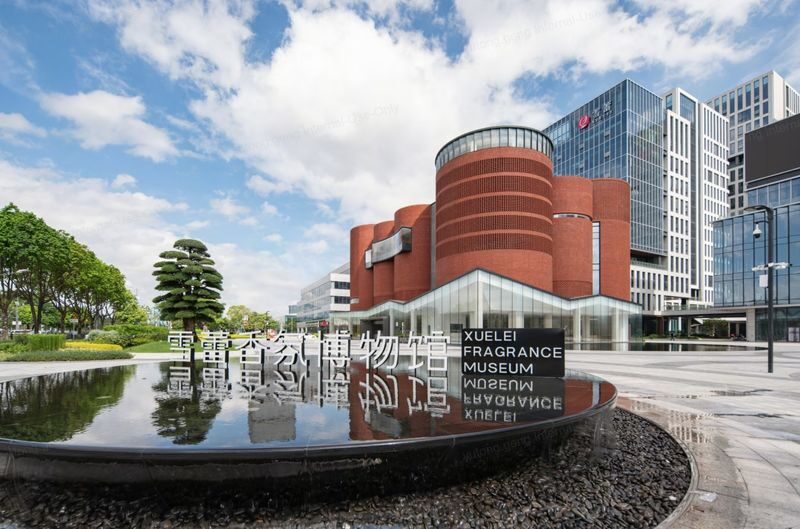
The museum is at No. 1, Ketai 2nd Road, in Guangzhou’s Baiyun District. Its address is worth saving before you set out, as one visitor found it a fair distance from the city centre. Allow time for the journey rather than squeezing the visit between nearby city-centre stops.
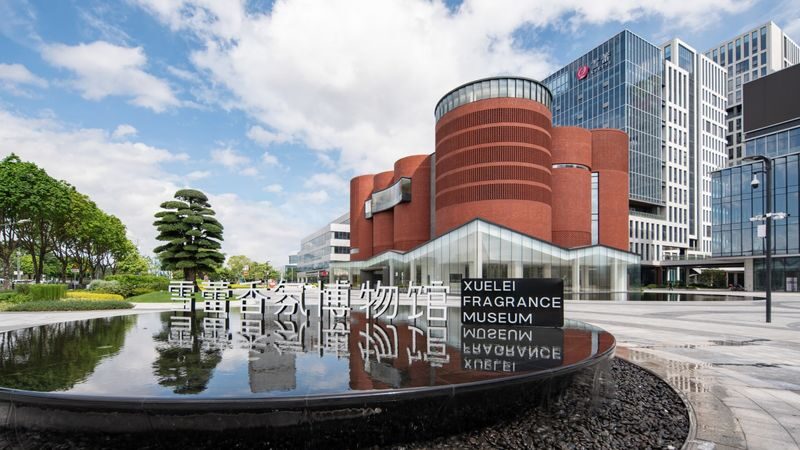
The building is a major part of the outing. It covers 9,500 square metres across six floors, with a red-brick distillery-inspired design. The museum’s stated distinctions include the 2026 Versailles Architectural Award’s World’s Most Beautiful Museum title and Guinness recognition as the world’s largest perfume museum. Even if awards are not your reason for going, the architecture gives the visit a strong visual opening.
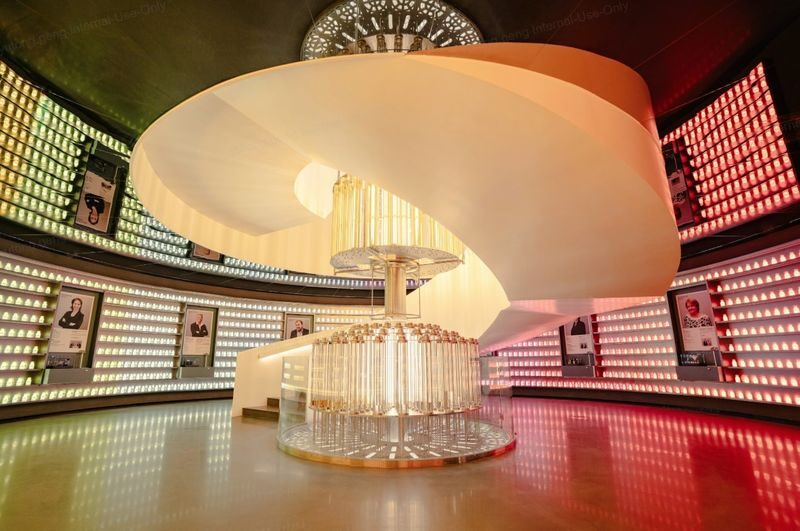
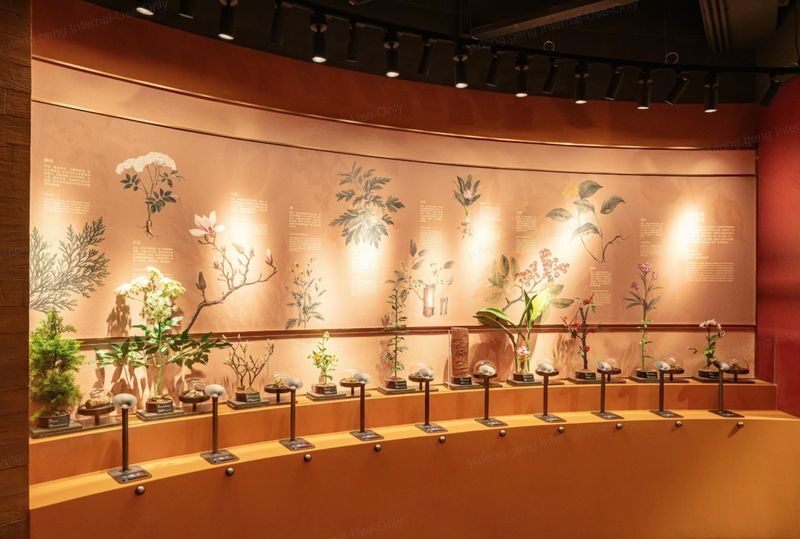
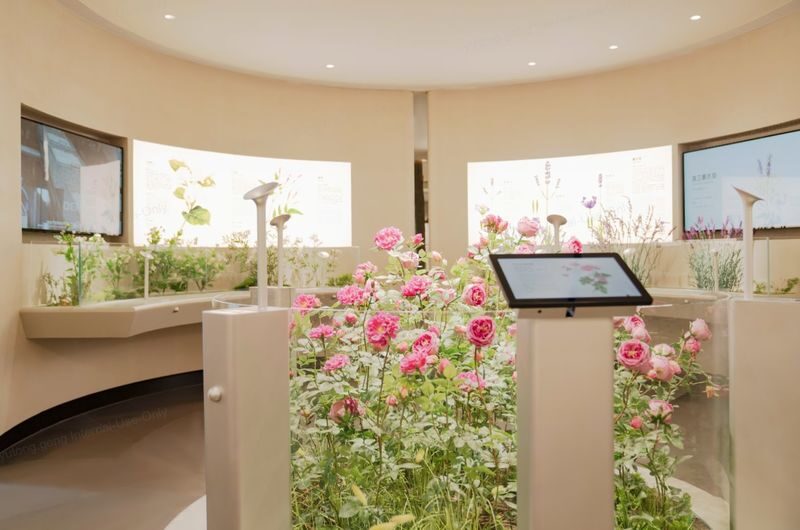
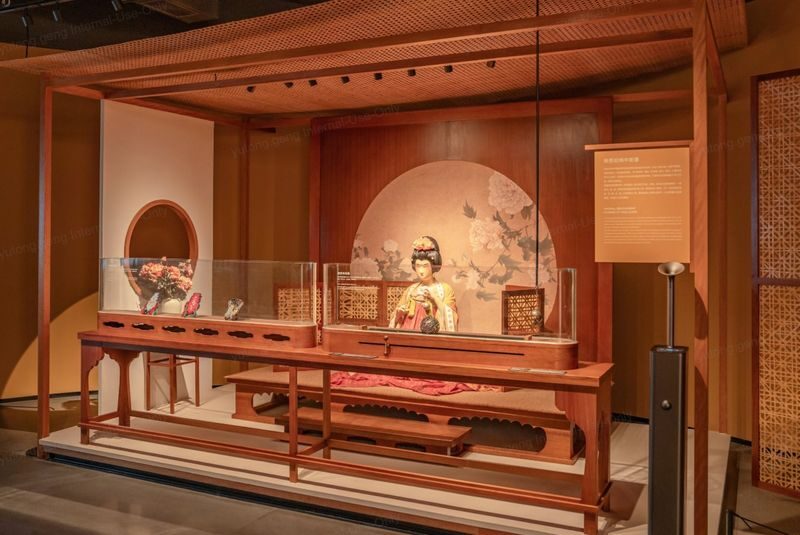
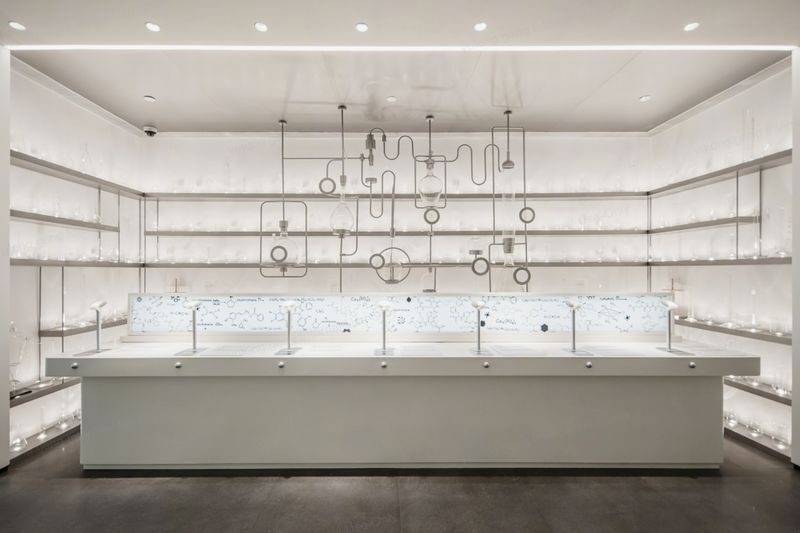
Inside, the museum spreads the subject across 18 themed exhibition areas. Think of it less as a single linear gallery and more as a sequence of rooms that link fragrance with history, materials, colours, feelings, and technology. The exact route can vary with how long you spend at each station, but the broad idea is to move from perfume’s origins toward modern scent-making.
A good first move is to slow down and get comfortable with the format. Many displays ask you to smell, compare, or interact, rather than simply read a label and move on. That makes the visit more engaging, but it also means you may need a little more time than you would for a conventional museum.

👉 See our pick of the 16 Best Shopping Tours In Guangzhou
Scent Points Make the History Personal
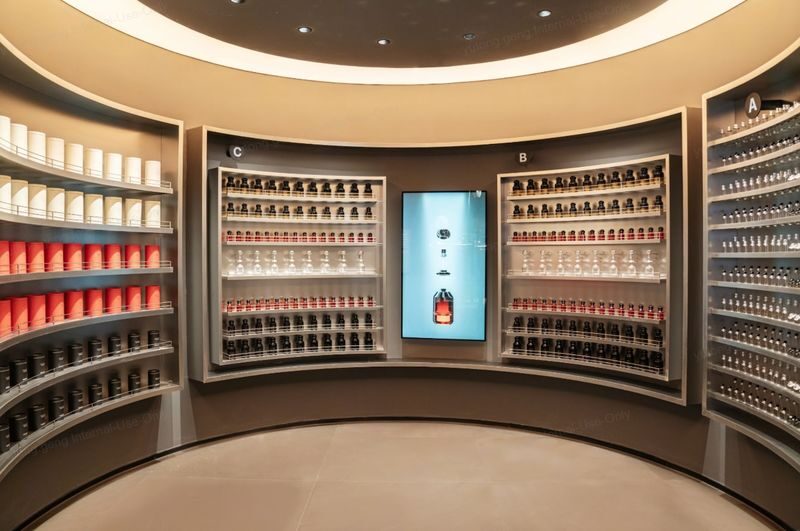
The central attraction is the collection of more than 400 scent points. Together, they are designed to take you through 5,000 years of Eastern and Western fragrance history. Smell is an unusually direct way to encounter the past: a scent can prompt a memory or reaction before you have read the explanation beside it.
The museum also connects scent with different eras, colours, and feelings. That variety gives you several ways to approach the subject. If perfume-making itself interests you, pay attention to the materials and fragrance science. If you are visiting with children, the act of identifying and comparing smells may be the easiest way to keep the history lively.
There is a practical limit to this format. Hundreds of scent points sound exciting, but you do not need to try every one. Repeated smelling can become tiring, and one visitor found the experience gave them a headache and wished there were water vending machines around. Since eating and drinking are not permitted in the exhibition area, arrange your drinks and meals before you enter. Take a pause if your nose needs a rest rather than pushing through every station.
The audio points can add context, but do not make them the only way you plan to understand an exhibit. Some may not work, so keep moving if a station is silent. A printed display or nearby interactive element may still give you something to explore.
You can also read our reviews of more museum experiences in Guangzhou


AI Reports and Hands-On Perfume Making
The museum’s card system offers a personal layer to the visit. You swipe a card to record your scent preferences, and the museum uses those choices to generate a personalized fragrance tour report. This is a useful way to notice patterns in what you like, rather than leaving with only a vague memory of a room full of smells.
The AI tools are part of a wider set of more than 50 interactive installations. Some are described as AI perfumery, while others use scent with light and shadow. These features make the museum appealing to visitors who enjoy experimenting with technology, though it helps to treat the AI as a starting point, not a guarantee of a perfect signature scent.
That distinction matters if you are considering a perfume purchase. One visitor found that their AI-customized perfume did not match their preferences and cost more than they expected. The preference report may be fun and informative, but a generated formula is still a recommendation. If a purchase is offered, take time to consider whether you genuinely like the result before spending extra.
You can also choose packages that include DIY perfume-making. Some options bundle a bottle of perfume with a two-person ticket, while other ticket choices include food or drink vouchers. The exact contents depend on the package you select, so check the package name carefully. The activity could suit a family or couple looking for something to do together, but the museum ticket alone does not automatically include a perfume-making session.
A Guided Route Through Floors Two to Four
If you want more structure, an optional 90-minute guided tour is available in Chinese. It focuses on exhibits on floors two through four and includes fragrance science explanations. That can be a useful choice if you want context rather than a self-directed series of scent tests.
The tour is not described as an English-language option, so do not assume it will suit you if you need commentary in another language. For an independent visit, the museum’s interactive displays and scent report offer ways to engage without a guide. You can also ask staff for help inside the museum.
The guided tour’s 90-minute length is a helpful planning marker, but it is not necessarily the total time you will spend in the building. Visitors have spent around two and a half hours walking through the exhibits and smelling the displays. If you add a hands-on activity, browse the gift shop, or stop often for photos, leave yourself a larger window.
How Long to Stay and When to Go
The museum is open daily throughout the year. From Monday to Friday, hours are 10:00 a.m. to 7:00 p.m., with last entry at 6:00 p.m. On Saturdays and Sundays, it stays open until 8:00 p.m., with last entry at 7:00 p.m.
A morning ticket option is available on weekdays for entry before noon. That could be a good fit if you prefer to start early and leave the afternoon open, but be sure to arrive within the stated entry window. The regular ticket is valid only for its selected date, and the listed admission price starts at $15.05. Package prices and inclusions vary, so compare the ticket choices rather than assuming every option costs the same.
The museum allows two to three hours for a measured visit. That gives you time to explore the main galleries without racing, though the number of scent stations means you could stay longer if you are curious. If you are sensitive to strong or repeated smells, a shorter visit with breaks may be more comfortable than trying to see absolutely everything.
What to Know Before You Enter
The museum has strict rules intended to protect both its exhibits and its visitors. Do not bring food or coloured drinks into the venue, and plan meals and drinks in advance because eating and drinking are not allowed inside. Free storage facilities are available for these items.
Large luggage and photography equipment such as tripods, stabilizers, and selfie sticks are not allowed in the exhibition area. You can ask the service desk about free storage. Flammable, explosive, toxic, harmful, and other dangerous goods are prohibited, and smoking is not allowed anywhere in the venue. Pets are not permitted in the exhibition hall.
Keep a safe distance from the displays and do not touch or damage them. Flash photography is prohibited. The museum also asks visitors to keep noise down, avoid running or chasing, and follow staff instructions if visitor numbers peak or an emergency occurs. If you are bringing children or older family members, keep them close and ask staff for help if needed.
These rules are worth knowing because this is an interactive museum with many delicate installations, but interaction does not mean every exhibit is meant to be handled. Follow the signs at each station and use the equipment as directed.


Is the Ticket Good Value?
At a starting price of $15.05, the museum offers several hours of activity, an unusually large number of scent points, and a look at an architecturally distinctive building. If you enjoy museums that ask you to take part, the standard ticket can provide solid value. The outing is not just a display of perfume bottles: scent, history, technology, and personal preference all have a role.
The best value depends on what you want to do. A single ticket is the simplest option. Some packages add a coffee or dessert set, a bottled kombucha, or a DIY perfume activity. A family ticket is listed as two adults with one child free, and there are also student and two-person ticket choices. A Canton Fair ticket requires you to show a valid exhibitor or buyer badge at entry.
Check the exact package before paying, especially if a perfume-making activity or food item is the reason you are choosing it. The base ticket does not include other personal expenses, and a personalized AI result may lead to additional purchases. If you are mainly interested in the exhibits, you can enjoy the museum without buying a custom perfume.
The same price applies to all ages according to the ticket information, although special packages may have their own terms. The voucher is valid only on the chosen date. Changes are allowed before redemption in many cases, but some booking types have restrictions, so check the conditions attached to your selected option.
Who Will Enjoy the Xuelei Fragrance Museum?
This is a good choice if you like hands-on museums, design, perfume, or unusual family activities. The many scent points give children and adults something to compare, while the fragrance science and historical themes add substance beyond the photo opportunities. A DIY perfume option can make the visit feel more personal, especially if you want to take home something linked to your own scent choices.
It may be less appealing if you prefer quiet, object-focused galleries or are sensitive to repeated smells. The visit is also not the easiest choice for a tight city-centre schedule, since the museum is in Baiyun District and one visitor found it quite far from the centre. Build the journey into your day and do not treat it as a quick stop.
I would book it if you want a distinct Guangzhou outing and have at least a couple of hours to give it. Choose the standard ticket if you mainly want the exhibits, and look at the guided or DIY options if you want more structure or a hands-on finish. If strong smells bother you, or you only have a short window, consider whether the travel time and sensory format are worth it for your plans.
Guangzhou Xuelei Fragrance Museum
“Brilliant. Only thing is not all audio points work so felt like I missed out of a few things. Maybe also add water vending machines around as that…”
FAQ
Where is the Xuelei Fragrance Museum?
It is at No. 1, Ketai 2nd Road, Baiyun District, Guangzhou City, Guangdong Province.
What are the museum’s opening hours?
From Monday to Friday, it is open from 10:00 a.m. to 7:00 p.m., with last entry at 6:00 p.m. On Saturday and Sunday, it is open from 10:00 a.m. to 8:00 p.m., with last entry at 7:00 p.m.
How much time should I allow for a visit?
Plan for about two to three hours. A 90-minute guided tour is available for exhibits on floors two through four, but a self-guided visit may take longer.
What does the museum ticket include?
The available packages vary. The basic offer is a museum ticket, while other options add items such as a drink, dessert, or DIY perfume activity. Check your selected package for its exact inclusions.
Is there a guided tour?
Yes. A 90-minute guided tour in Chinese covers exhibits on floors two through four and includes fragrance science explanations.
Can I bring food or drinks into the museum?
No. Food and coloured drinks are not allowed inside, and eating and drinking are prohibited in the venue. Free storage facilities are available.
Can I bring a tripod, large luggage, or a pet?
Large luggage and photography equipment such as tripods, stabilizers, and selfie sticks are not allowed in the exhibition area. Free storage may be available through the service desk. Pets are not allowed in the exhibition hall.