Green World’s biggest surprise is its scale: this is not a quick stop at a petting farm, but a sprawling nature park where you can watch birds fly through a jungle-like aviary, spot waterfowl at Swan Lake, and follow paths past themed plant collections. The six main areas make it easy to turn a family outing into a half-day of fresh air and close-up nature.
I like the free-roaming bird area, where hundreds of birds move through a simulated natural habitat, and the variety beyond animals, from aquatic plants to cacti and butterfly life stages. I also like that some ticket packages include a shuttle ride or a dining voucher, which can make the long visit easier to manage.
The trade-off is the terrain. The park is large, with slopes and many stairways, and the shuttle is a single-use ride in some packages, not an unlimited hop-on service. Bring comfortable shoes, and check exactly what your ticket includes before you go.
- At a glance
- A half-day in Beipu, with room to roam
- Swan Lake and its seasonal visitors
- Birds in a natural-style aviary
- Plant collections, from water gardens to century-old cacti
- Butterflies and the biodiversity area
- The shuttle can save your legs, but check the rules
- What the ticket costs and what it gets you
- Eating, Beipu, and small practical details
- Who should book Green World?
- FAQ
- How long should I allow for Green World Ecological Farm?
- What are the opening hours?
- What areas are included in the park?
- Is the park shuttle included with admission?
- Can children and older visitors get discounted admission?
- Is Green World Ecological Farm wheelchair- and stroller-accessible?
- Can I bring food or feed the animals?
- How long is the ticket valid?
At a glance


- Birds move around you: The Bird Ecological Park is an open, natural-style aviary, with birds flying and feeding in the jungle setting.
- Swan Lake is a seasonal stopover: Geese and ducks from Siberia arrive around the Mid-Autumn Festival and generally stay until around Children’s Day.
- Six areas suit different interests: Expect animals, aquatic plants, butterflies, cacti, and other plant collections, not just a conventional farm visit.
- Plan for slopes and distance: The grounds are extensive, and paths include stairs and steep sections.
- Packages vary: Some offer a one-time shuttle ride, a meal voucher, or a Starbucks coupon. Read the inclusions closely.
- Beipu adds a cultural side trip: Hakka snacks and old lanes are nearby, but they are not part of the farm admission.
A half-day in Beipu, with room to roam
Green World Ecological Farm sits in Beipu Township, Hsinchu County. Plan on three to five hours inside the park, though a slow visit with children, meals, animal presentations, or frequent rest stops can take longer.
The experience is self-guided rather than a scheduled tour with a named guide. You move between six themed areas at your own pace, pausing at animal exhibits, plant collections, and open spaces. That freedom is useful with children, but it also means you should arrive with a rough plan instead of expecting a tightly managed route.
The park is described as a subtropical rainforest ecological park, with more than 50 hectares of natural forest and lakes. Its scale is the main draw and the main challenge. You can fill a half-day without rushing, but the distances and slopes may make the visit tiring if you try to see everything on foot.
I would arrive early if you want to cover several areas and leave time to rest. Weekdays are likely to feel less pressured than holiday periods, when ticket counters and popular sections can get crowded. The park is open daily from 8:30 a.m. to 5:30 p.m., while ticket sales run until 4 p.m.
Swan Lake and its seasonal visitors
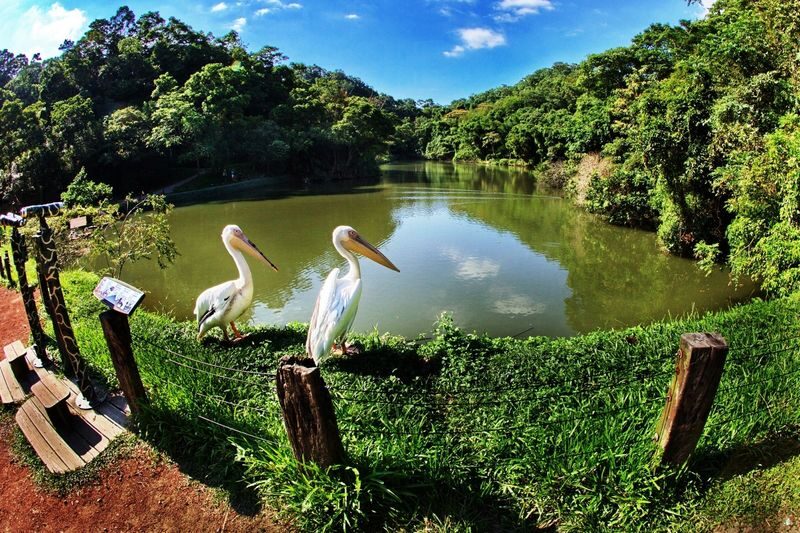
Swan Lake gives the visit a calm start. The natural lake is home to swans, pelicans, geese, and ducks, and it is especially notable for migratory waterfowl. Geese and ducks from Siberia generally arrive around the Mid-Autumn Festival and stay until about Children’s Day the following year, with some remaining to breed.
The season matters. If birdwatching is a priority, bring binoculars, as the park recommends. You can still see waterfowl at other times, but the particular seasonal migration is not a year-round spectacle.
The lake is also a good place to slow down before tackling the steeper paths. Take time to watch what is actually happening on the water rather than treating the area as a pass-through. The birdlife may be less active at certain times, so patience helps.
Birds in a natural-style aviary
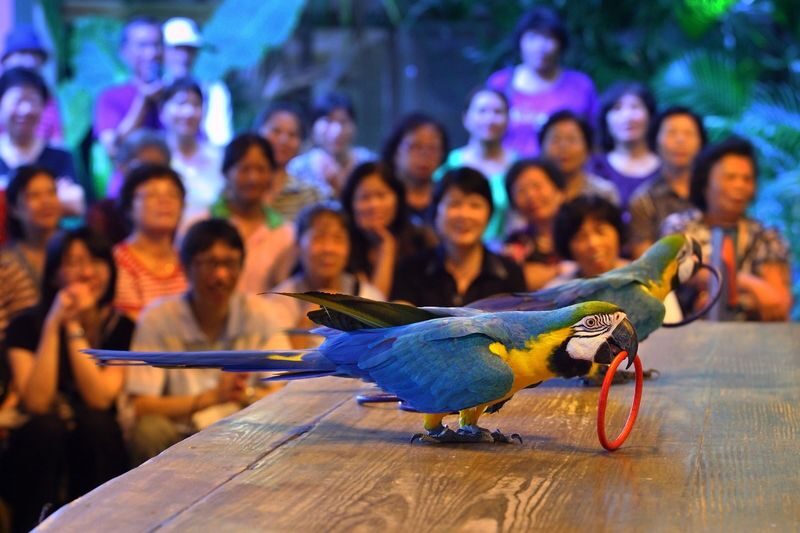
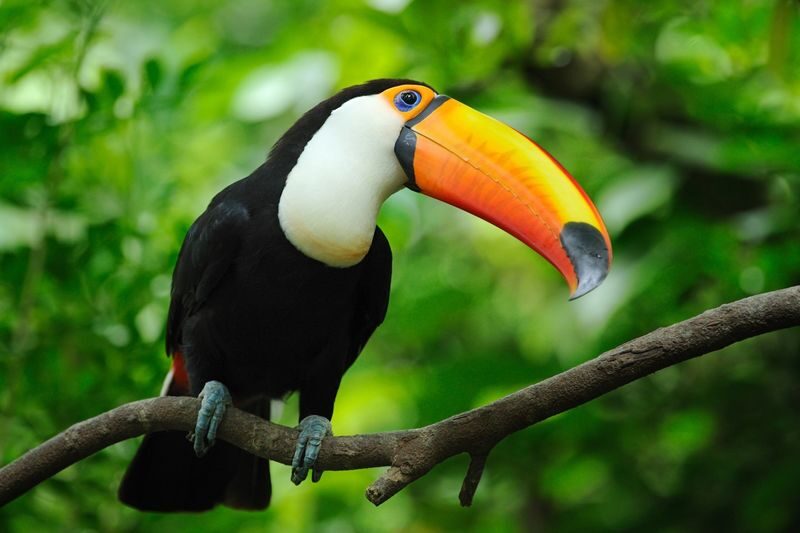
The Bird Ecological Park is one of Green World’s most distinctive areas. It is designed as a natural aviary, with birds flying and foraging among visitors in a jungle-like setting. The closeness makes the experience more immediate than viewing birds behind a row of distant enclosures.
Parrots, pelicans, and other birds are among the animals mentioned at the park, and there may be feeding or interpretation sessions. Schedules and availability are not specified, so I would treat these as possible highlights rather than plan the whole day around a particular show.
A practical detail: some parrots may land on people. Follow signs and staff instructions, and do not feed animals unless staff say it is allowed. The park asks visitors not to feed animals without permission, and that rule matters in an open setting where an animal may feel close enough to touch.
Plant collections, from water gardens to century-old cacti
Green World’s plant areas give the visit more variety than a standard animal park. The Aquatic Plants Park features about 500 species, including submerged, floating, emergent, and free-floating plants. Named examples include Taiwan’s Isoetes taiwanensis, Nymphaea tetragona, and Egyptian papyrus.
The Grand Discovery Area contains ten sections with rare and unusual plants. Its cactus collection includes specimens said to be more than 100 years old, some of which flower once or twice a year. If you visit during a flowering period, the displays can change considerably, but the timing is not guaranteed.
The park also includes a vanilla plant area, a seed plant area, and other themed garden spaces. These collections are worthwhile if you enjoy seeing how varied plant habitats can be, though they may not hold a child’s attention as long as animals do. Pair a plant stop with a more active area or a break on the grass.
Butterflies and the biodiversity area
The Butterfly Ecological Park is built around the butterfly life cycle, from mating and egg laying to pupation and emergence. Species listed for the park include Atlas moths, swallowtail butterflies, and yellow butterflies. Conditions can affect how many butterflies you see, so keep expectations flexible rather than assuming the enclosure will be full of activity every day.
The Biodiversity Exploration Area shifts to less familiar creatures, including legless lizards, piranhas, tree frogs, and geckos. This can be a useful stop for children who are curious about animals that do not fit the usual cute-and-cuddly mould. It also gives the visit an educational thread, though the quality of any particular display may vary.
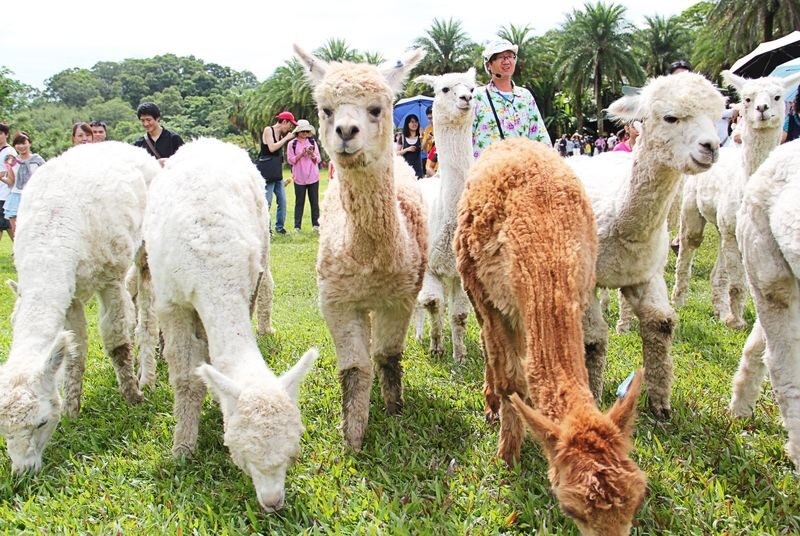
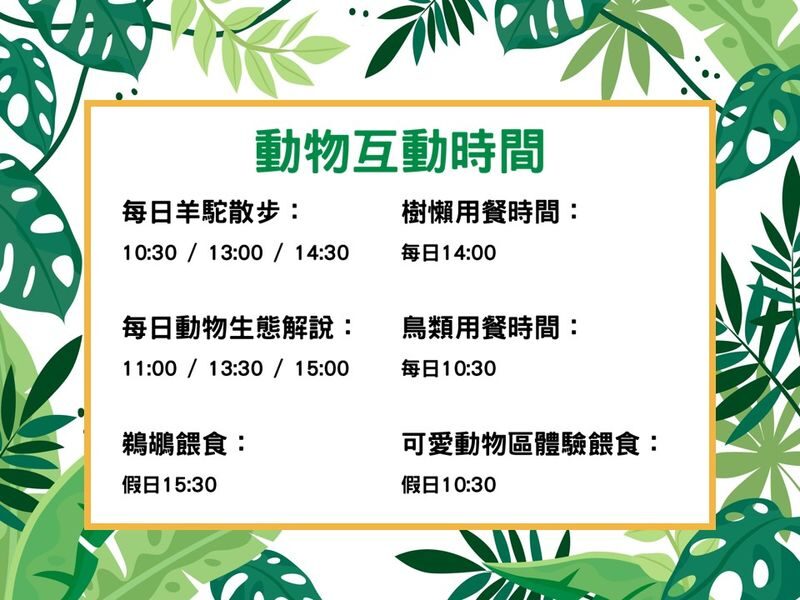
Other recommended areas include the Animal Ecological Interpretation Center, a cute animal area, a tropical rainforest skywalk, and a large grassy space. The park lists animal encounters such as alpaca walking and feeding experiences, but check what is operating on your visit rather than assuming every activity runs daily.
The shuttle can save your legs, but check the rules
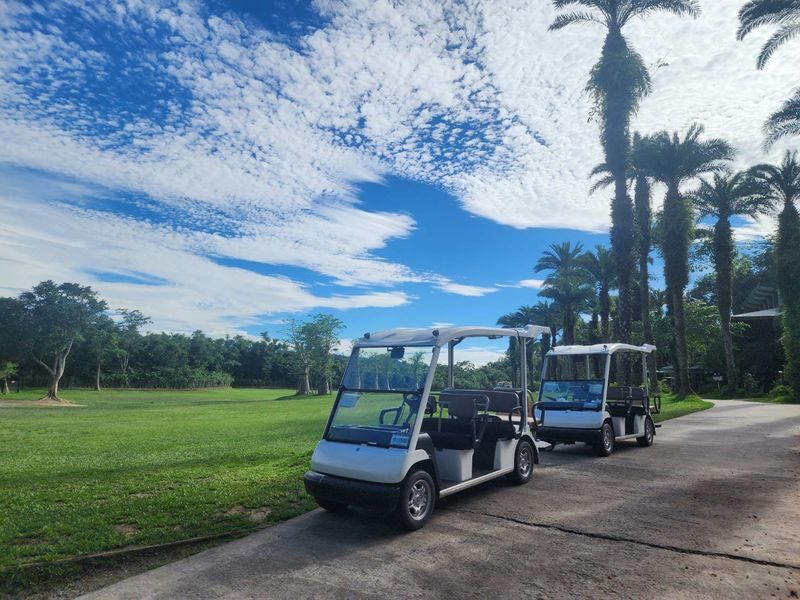
The shuttle is worth considering because the park is large and hilly. Some ticket packages include a single-use ride, while others let you choose between a shuttle and a dining voucher. A shuttle ticket may need to be redeemed at the service desk before boarding, so take care of that at entry.
Do not assume that a shuttle inclusion means unlimited rides. Some packages and visitor accounts describe a one-time transfer, and shuttle frequency can be limited. One practical approach is to use the ride to reach a farther point, then walk back downhill at a more comfortable pace. Ask staff how the current service works before choosing your route.
A few ticket options include a park shuttle, while others bundle a meal voucher or a Starbucks NTD50 coupon. The Starbucks coupon has its own redemption steps and a 14-day validity period from issue. If it is part of your package, follow the instructions attached to the voucher; the store cannot apply the discount just by checking your ticket.
What the ticket costs and what it gets you
The advertised price starts from US$13.15, but the actual cost depends on the package, ticket type, and date. Options include full-price admission, concession admission for eligible visitors, a two-person package, and adult tickets bundled with a shuttle or dining choice. Concession tickets require proof of eligibility at entry.
For a useful local comparison, one visitor reported a standard on-site price of NT$480 and an online price of NT$440 with a dining voucher. Those figures are not a guarantee of current pricing, and holiday rates or package terms may differ. Compare the live options rather than assuming that every online bundle is automatically the cheapest.
Value depends on how much of the park you plan to use. If you will stay for several hours and enjoy the animals, plant areas, and open space, admission can cover a substantial outing. If you only want a quick look at a few exhibits, the price may feel steep. For families, the lawn, animal areas, and range of habitats help make a longer visit more worthwhile.
The ticket is valid for 180 days from booking confirmation, but package terms also state that the package must be used within seven days after the first item is used. If your bundle includes a separate coupon, pay attention to its own expiry and redemption rules. Unused tickets and discount codes may qualify for a full refund under the stated conditions, but used or expired items do not.
Eating, Beipu, and small practical details
Some packages let you choose a dining voucher for Mr. Fossil or Sweet Dynasty. The park also has food and drink options, though the range may feel limited if you want a full choice of meals. If you prefer to bring snacks, check current venue rules; outdoor cooking, barbecuing, camping, and picnicking are prohibited inside the park.
Beipu’s Hakka food and old lanes offer a useful cultural counterpoint to the nature park. You can combine the outing with a visit to Beipu Old Street or Beipu Jiang’s New Western Building, but those stops are separate from the farm ticket. Neiwan Old Street and Zhudong Cultural and Creative Arts Village are other nearby attractions to consider when planning a wider Hsinchu day.
Bring water, sunscreen, and mosquito repellent, especially in summer. During Taiwan’s plum rain season, pack an umbrella or raincoat. The paths can be steep, so wear shoes with a firm grip, and bring a change of clothes if hot weather or active play is likely.
Strollers and wheelchairs are permitted, but the park’s stairs and slopes may still affect how easily you can move through it. Luggage storage is available, with fees to confirm on site. Pets are not allowed, except service animals with valid identification, and re-entry is not allowed once you leave.
Who should book Green World?
I would choose Green World if you want a roomy, family-friendly day built around animals and plants rather than rides or a formal guided program. It is especially suited to children who like close animal encounters, birdwatchers who enjoy observing waterfowl, and anyone happy to walk between themed areas.
It is less appealing if you want a compact attraction, guaranteed daily performances, or a flat route. The park’s scale is part of its value, but it asks for stamina and sensible footwear. Check the ticket package, redeem any shuttle ticket at the right place, and leave enough time to enjoy the grounds instead of racing through them.
If your plans include Beipu as well, the farm makes a good nature-focused half-day before Hakka snacks and old streets. Book if you are ready for a long walk and a varied outing; skip it if you only have time for a short stop or need every activity to run on a fixed schedule.
Green World Ecological Farm Ticket in Hsinchu
“Green World Ecological Farm is truly perfect for the whole family! The park is very huge, and stepping inside feels like entering a tropical rainfo…”
FAQ
How long should I allow for Green World Ecological Farm?
Plan for three to five hours. The park is large, and a slower visit with children or rest stops can take longer.
What are the opening hours?
The park is open daily from 8:30 a.m. to 5:30 p.m. Ticket sales run from 8:30 a.m. to 4 p.m.
What areas are included in the park?
The six main areas are Swan Lake, the Grand Discovery Area, the Aquatic Plants Park, the Bird Ecological Park, the Butterfly Ecological Park, and the Biodiversity Exploration Area.
Is the park shuttle included with admission?
Some packages include a single-use shuttle ride, while other packages offer a choice between a shuttle and a dining voucher. Check your selected package and redeem the shuttle ticket at the service desk before boarding.
Can children and older visitors get discounted admission?
Half-price tickets apply to kindergarten, elementary, and junior high school students, and people aged 65 or older. Eligibility documents may be required at entry.
Is Green World Ecological Farm wheelchair- and stroller-accessible?
The activity is listed as wheelchair- and stroller-accessible. The park also has stairs and steep slopes, so route conditions may affect how easy it is to move around.
Can I bring food or feed the animals?
Outdoor cooking, barbecuing, camping, and picnicking are prohibited inside the park. Do not feed animals unless staff give permission.
How long is the ticket valid?
The voucher is valid for 180 days from booking confirmation. The package also has a seven-day use period after the first item is used, including the day of first use.