At Kuidaore Honjin, you put on a white chef’s uniform and make nigiri sushi and seafood ehomaki at a restaurant with a 70-year history. The lesson is hands-on, and you finish by eating the sushi you made, with tempura and a kaiseki meal.
I like two things in particular: you get to take part in making the food, rather than just watching a demonstration, and the meal afterward gives the lesson a satisfying finish. The experience also comes with one free drink.
One thing to weigh is the price: from US$130.15 for one person, this is a special meal and activity, not a low-cost cooking class. It also takes 1 hour and 45 minutes, so plan around the fixed appointment time.
- The experience at a glance
- A sushi lesson with a meal at the end
- From chef’s uniform to handmade sushi
- Eating your work, with tempura and kaiseki
- What this package includes, and what it does not
- Who will get the most from the lesson
- Getting to the appointment in Kokurakita
- Is Kuidaore Honjin worth booking?
- FAQ
- How long does the sushi-making experience last?
- What will I make?
- Is a meal included?
- Is a drink included?
- What is the minimum age?
- How large can the group be?
- Where is the meeting point?
- What happens if I arrive late?
- When is the restaurant open?
- Can I get a refund if I cancel?
- More Tours in Kitakyushu
- More Tour Reviews in Kitakyushu
- Not for you? Here's more nearby things to do in Kitakyushu we have reviewed
The experience at a glance
 1 / 4
 2 / 4
 3 / 4
 4 / 4
- Make nigiri and seafood ehomaki: The selected package focuses on sushi, with you handling the making yourself.
- Wear a white chef’s uniform: The uniform is part of the activity and adds a little ceremony to the lesson.
- Eat what you make: Your sushi is served as part of a meal that includes tempura and kaiseki.
- Learn at a long-running restaurant: Kuidaore Honjin has been operating for 70 years and centers its experience on Japanese cuisine.
- Plan for 1 hour and 45 minutes: The lesson is a set activity, not a quick drop-in.
- Keep the package straight: Rice ball and yakitori activities are also offered at the restaurant, but they are not included in this single sushi-making package.
A sushi lesson with a meal at the end
This is a chance to work with sushi rather than simply order it. The activity centers on making nigiri and seafood ehomaki, with on-site professionals guiding the process. That practical element is the main reason to book: you get a closer look at how the food is put together, then sit down to eat the results.
The setting is Kuidaore Honjin, a Japanese restaurant in Kitakyushu with a 70-year history. Its experience program is built around sushi and washoku, the broader tradition of Japanese cooking. For you, that means the lesson takes place in a restaurant context, rather than being presented as a stand-alone craft workshop.
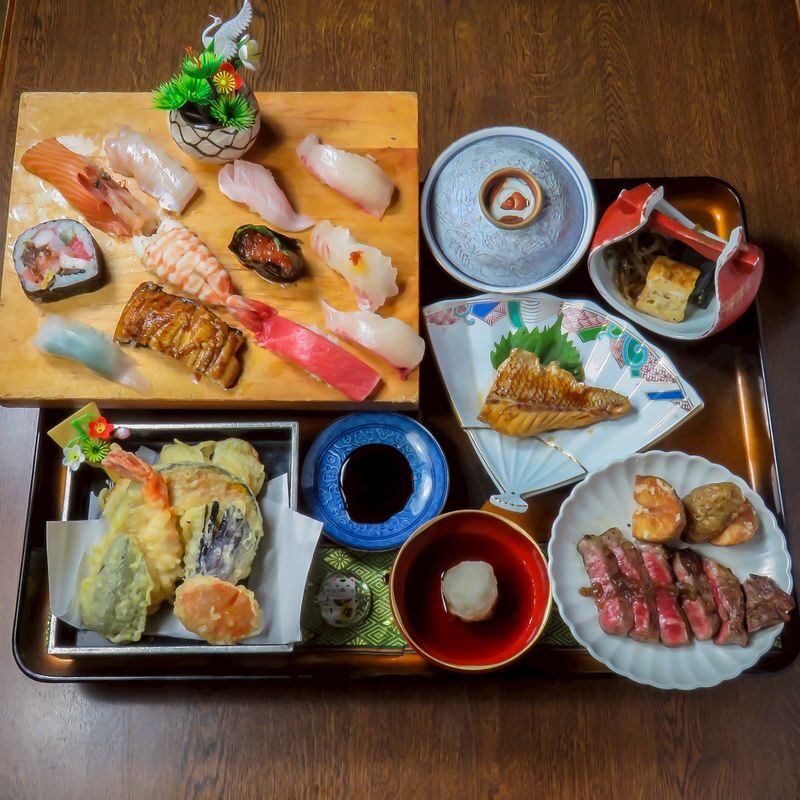
The experience lasts 1 hour and 45 minutes. You dress in a white chef’s uniform, learn to make the sushi, and then enjoy your creations with tempura. A kaiseki meal afterward includes the sushi you made, and the package also includes one free drink. The provided details do not spell out every dish or the exact order of service, so think of this as a guided cooking activity followed by a meal, not a menu you can customize.
That distinction matters. If you want a broad cooking course with several recipes, this package is narrowly focused on sushi. If you would rather spend an afternoon learning one central skill and eating what you produce, the format makes good sense.
You can also read our reviews of more tours and experiences in Kitakyushu.


From chef’s uniform to handmade sushi
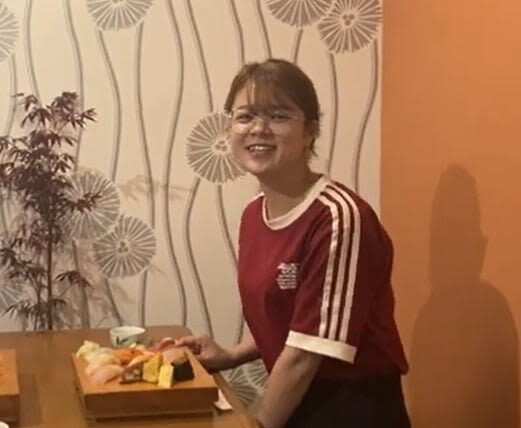
The white uniform is a small but useful signal that this is meant to be participatory. You are not just peeking into a kitchen or watching a chef work. You step into the role, follow the instructions, and make sushi yourself.
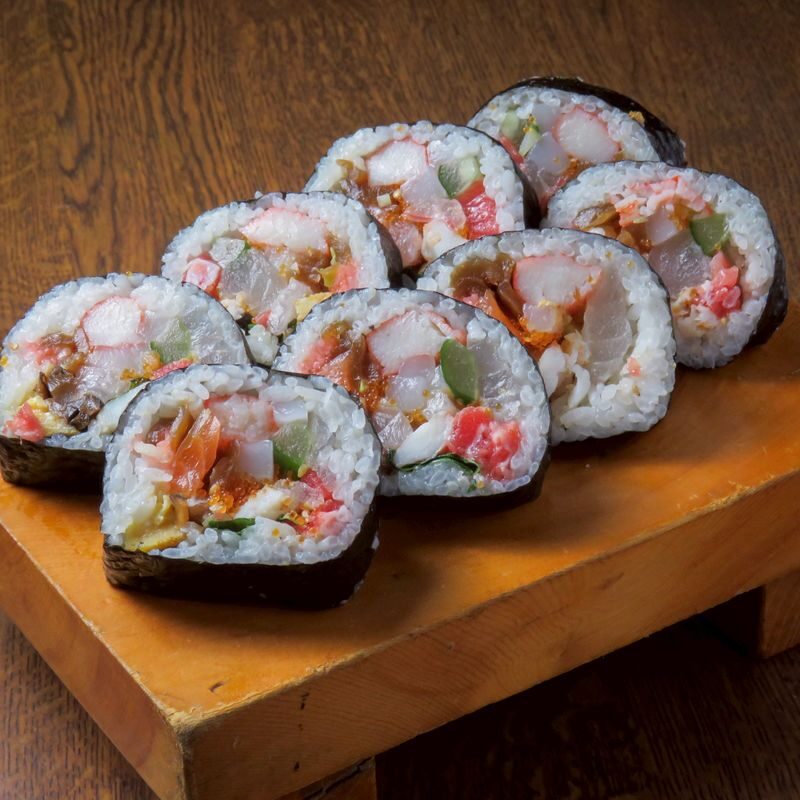
The central task is nigiri, the familiar hand-formed sushi made with rice and toppings, along with seafood ehomaki. The restaurant describes the session as a way to experience the sushi-making process under professional guidance. That should appeal if you have eaten sushi many times but have never tried shaping it yourself.
Do not expect the published details to answer every technique question in advance. They do not name the fish or seafood, explain how much you will make, or list the steps of the lesson. Those specifics are best left to the instructors on site. What is clear is that you will take part in making both nigiri and seafood ehomaki, and the finished sushi forms part of your meal.
I like that the lesson pairs activity with context about Japanese food culture. The restaurant’s program is built around sushi and washoku, so the goal is not only to make something edible, but also to connect the preparation with the food traditions behind it. The amount of cultural explanation is not specified, so do not book expecting a lengthy lecture. Think of it as a practical introduction with explanations along the way.
Eating your work, with tempura and kaiseki
The meal is an important part of the value. You do not finish the lesson and leave with only a souvenir photo or a recipe. You eat the sushi you made, with tempura, and the experience also includes a kaiseki meal featuring your sushi.
For a first-time sushi maker, that meal gives the activity a clear payoff. You can compare the feel of making the food with the pleasure of eating it, and the meal makes this more than a short demonstration. One free drink is included as well.
There is some ambiguity in the description about how the meal is arranged: it mentions enjoying your sushi with tempura, then says a kaiseki meal follows the experience. The practical point is that food is part of the booking, but the exact serving sequence and menu are not specified. If you have dietary needs or want to know the dishes in advance, check with the provider before booking rather than assuming the menu can be changed.
The package is listed from US$130.15. That is a significant amount for a single cooking activity, but you are paying for the lesson, the meal, and the restaurant setting, not just a brief sushi demonstration. The value will depend on what you want from your afternoon. If you mainly want a filling lunch, you can likely spend less elsewhere. If you want a guided food activity and a meal built around your own handiwork, the combined format is easier to justify.
What this package includes, and what it does not
The selected option is called the Single Sushi Making Experience. It includes the sushi-making session and one free drink. The activity details also describe tempura and a kaiseki meal that includes the sushi you made, so plan on a meal as part of the experience.
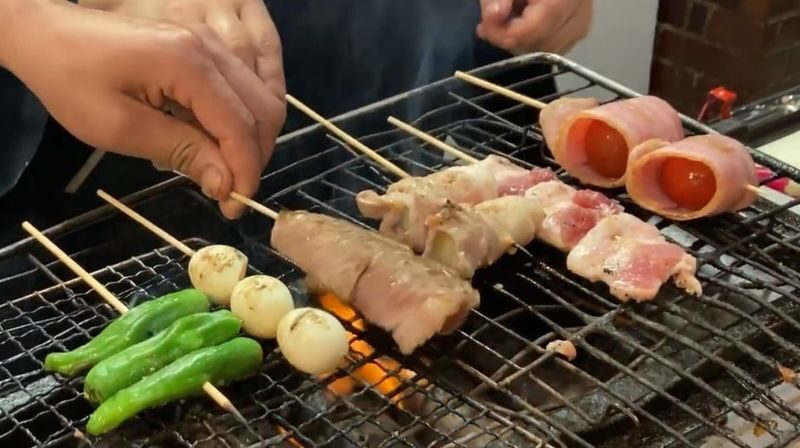
The restaurant offers other participatory activities, including sushi making, rice ball making, and yakitori making. The yakitori option is described as hands-on and focused on seasoning and grilling, while the rice ball activity introduces another familiar part of Japanese food culture. Those sound worthwhile if you want a different kind of food lesson, but they are separate experiences. Do not assume this sushi package includes onigiri or yakitori.
Transportation and personal purchases are not included. You will need to make your own way to the meeting address at 1-12 Kofunaba-cho, Kokurakita-ku, Kitakyushu-shi, Fukuoka Prefecture. No transportation service is listed, so include the journey in your day’s plans.
Who will get the most from the lesson
This experience suits you if you enjoy learning by doing, are curious about Japanese food, and want a meal to go with the activity. It can also work well for a family outing with older children: participants must be at least 10 years old. The activity has a maximum group size of 25, so it may not feel like a private lesson, especially if the booking is full.
A single account of a separate rice ball-making activity at the restaurant describes the staff as welcoming and helpful, and says the food lesson made for a memorable afternoon. That is encouraging if you value a friendly introduction, though it is not a report on this exact sushi package. No instructor names are provided, so you cannot request a specific teacher.
The activity may be less suited to you if you are looking for a very small group, a long technical course, or a budget meal. The maximum group size is worth noting: 25 people is manageable for an organized activity, but it is not the same as one-on-one instruction. The details do not promise individual coaching or a particular level of personal attention.


Getting to the appointment in Kokurakita
The meeting point is the restaurant’s address: 1-12 Kofunaba-cho, Kokurakita-ku, Kitakyushu-shi, Fukuoka Prefecture. Use the map information provided with your booking to find the exact location. Since transportation is not included, leave enough time to reach the address and get settled.
Punctuality matters here. If you are more than 15 minutes late, your appointment may be canceled. Set aside time for the journey, especially if you are unfamiliar with Kitakyushu or have other plans close to the session.
The listed business hours are Sunday through Thursday from 11:30 a.m. to 3 p.m. and 5 p.m. to 10 p.m. On Friday and Saturday, evening service runs until 11 p.m. The restaurant has irregular rest days, so the listed hours do not guarantee availability on a particular date. Your voucher is valid only for the date and time specified.
Confirmation is expected within 48 hours. If no confirmation email arrives, contact customer support. You can receive a full refund if you cancel at least 48 hours before the activity date, using the destination’s local time.
Is Kuidaore Honjin worth booking?
I would choose this experience if you want a hands-on introduction to sushi making in a restaurant setting, and you value having a proper meal included at the end. Making nigiri and seafood ehomaki, then eating your own work with tempura and kaiseki, gives the 1-hour-45-minute session a clear shape and purpose.
I would pause if price is your main concern, if you prefer an intimate class with only a few participants, or if you need detailed menu information before booking. The group can reach 25, and the included food is not described dish by dish. For a food-focused afternoon in Kitakyushu, though, the mix of instruction and meal makes this a more complete outing than a quick sushi demonstration.
Fukuoka: Japanese Cuisine Making Experience Kuidaore Honjin
“What a lovely way to spend an afternoon! I had a wonderful time with these ladies learning about Japanese food. They could not have been more helpf…”
FAQ
How long does the sushi-making experience last?
The sushi-making experience lasts 1 hour and 45 minutes.
What will I make?
You will make nigiri sushi and seafood ehomaki with guidance from on-site professionals.
Is a meal included?
The experience details say you can enjoy your sushi with tempura, and that a kaiseki meal after the activity includes the sushi you made.
Is a drink included?
Yes. The package includes one free drink.
What is the minimum age?
Participants must be at least 10 years old.
How large can the group be?
The maximum group size is 25 people.
Where is the meeting point?
The meeting point is 1-12 Kofunaba-cho, Kokurakita-ku, Kitakyushu-shi, Fukuoka Prefecture.
What happens if I arrive late?
If you are more than 15 minutes late, your appointment may be canceled.
When is the restaurant open?
Listed hours are Sunday through Thursday, 11:30 a.m. to 3 p.m. and 5 p.m. to 10 p.m. Friday and Saturday, it is open 11:30 a.m. to 3 p.m. and 5 p.m. to 11 p.m. Rest days are irregular.
Can I get a refund if I cancel?
You can receive a full refund if you cancel at least 48 hours before the activity date, using the destination’s local time.