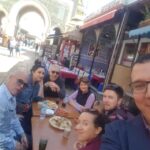
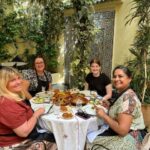
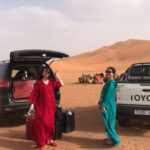
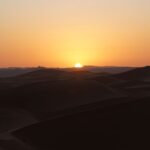
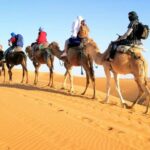
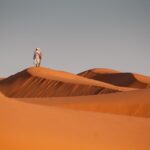
The big draw is a camel ride into the dunes of Erg Chebbi at sunset, followed by dinner and a night in a desert camp. By morning, you’re watching the Sahara change color from a high dune before setting out on the long road to Marrakech.
I like two things in particular: the route gives you a quick cross-section of Morocco, from cedar forest and palm oasis to sand dunes, and the camp stay makes the desert more than a roadside photo stop. A good driver-guide can also make those long transfers feel less like dead time, with local stories and well-chosen stops.
The trade-off is the pace. This is a lot of Morocco in two days, with very long drives and limited time at most stops. If you can spare a third day, the desert portion may feel less rushed.
- Sunset and sunrise camel rides: Ride into Erg Chebbi for the evening light, then return to the road after dawn.
- Choose your camp with care: The luxury option includes a private tent, real bed, shower and toilet. Standard camp facilities are shared.
- Expect long hours in the van: The Fès to Merzouga drive and the onward trip to Marrakech make this a demanding two-day route.
- Lunch costs extra: Breakfasts and dinners are included, but you’ll pay for lunch and any drinks or optional activities.
- Aït Benhaddou is not a tour stop: The visit is not included, so don’t book expecting time inside the kasbah.
- From Fès to the Atlas foothills
- Midelt, Ziz Valley and Erfoud
- Camelback into Erg Chebbi
- A night in the camp
- Sunrise, then the long drive to Marrakech
- What 3 buys, and what it doesn’t
- Guides, comfort and who should go
- FAQ
- How long is the tour?
- Is the luxury camp included in the 3 price?
- Are meals included?
- Are camel rides included?
- Can I ride an ATV instead of a camel?
- Does the tour visit Aït Benhaddou?
- What should I bring?
- The Best Of Fes!
- More VIP Experiences in Fes
- More Tours in Fes
- More Tour Reviews in Fes
- Not for you? Here's more nearby things to do in Fes we have reviewed
From Fès to the Atlas foothills
 1 / 7
 2 / 7
 3 / 7
 4 / 7
 5 / 7
 6 / 7
 7 / 7
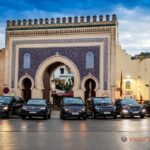
The tour starts with pickup at your hotel or, if your riad is in a car-free part of the old medina, at the nearest accessible point. From there, you head toward the Middle Atlas. The exact pickup time and route can vary, so keep an eye out for the operator’s message before departure. Some groups have had late pickup details, even when the trip itself ran smoothly.
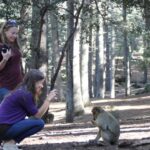
The first named stop is Ifrane, often called Moroccan Switzerland for its Alpine-style façades and cooler mountain air. It’s a striking change from Fès, and a useful early pause to stretch your legs and take photos. You may also pass through the cedar forests near Azrou, where Barbary macaques live. They can make for lively photo subjects, but sightings are not guaranteed; one route report described missing the monkeys.
This is a road trip, not a sequence of long guided visits. Stops are designed to break up the drive, take in a view, or grab a drink and a meal. I’d treat them as brief tastes of the region rather than time to explore each place at length.
👉 See our pick of the 2 Best Massage And Relaxation Services In Fes
Midelt, Ziz Valley and Erfoud
Midelt is the main lunch stop on the way south. Lunch is not included, and the available stop may be a tourist restaurant with buffet service. Prices and quality can vary, so check the menu before ordering. Bring cash for meals and drinks, and keep some small notes handy for quick stops.
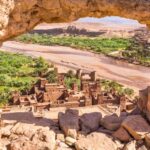
After Midelt, the scenery shifts again as the road crosses the Middle Atlas and descends toward the Ziz Valley. The valley’s palm groves and river corridor stand out against the dry, rocky surroundings. It’s a good stretch to watch from the window, though the road itself takes time and you won’t be wandering through the oasis on foot.
Erfoud is known for fossils and fossil quarries. The stop offers a chance to see the region’s ancient marine remains and learn how they are extracted and worked. The tour’s timing can be affected by weather and road closures. Snow has forced at least one group onto a detour that meant missing planned stops, so it’s wise to see the route as a plan rather than a promise.
You can also read our reviews of more tours and experiences in Fes


Camelback into Erg Chebbi
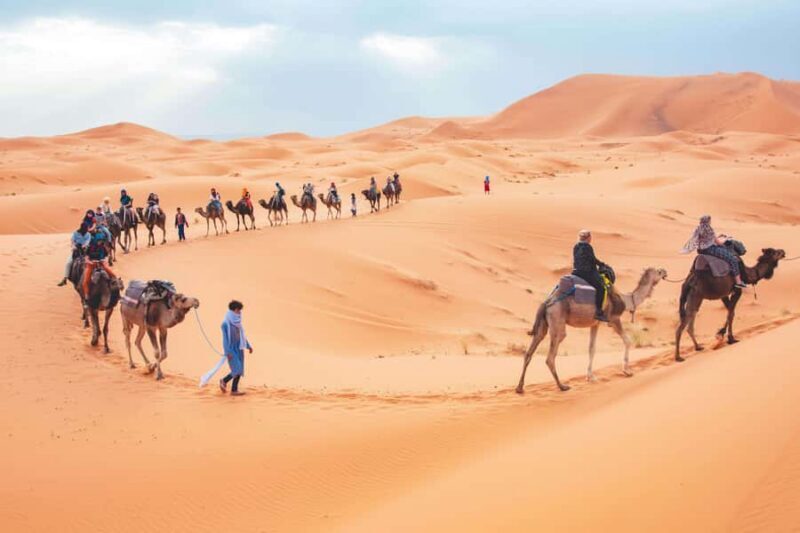
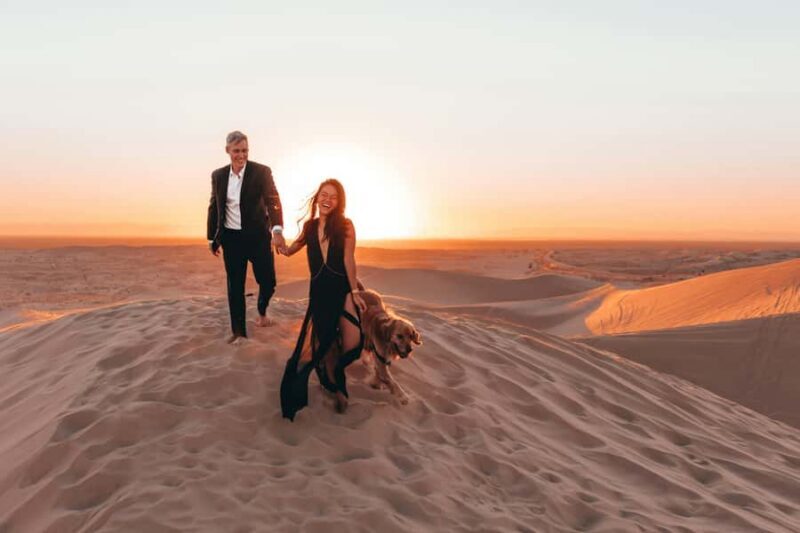
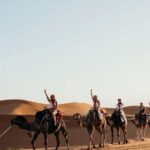
You reach Merzouga late in the day, when the main event is close at hand. After dropping your bags at camp, you ride a camel for roughly 40 to 45 minutes across the dunes. The ride is a memorable way to enter the desert, and the changing light gives the sand its strongest colors. You’ll stop around sunset, with time to enjoy the view and take photos.
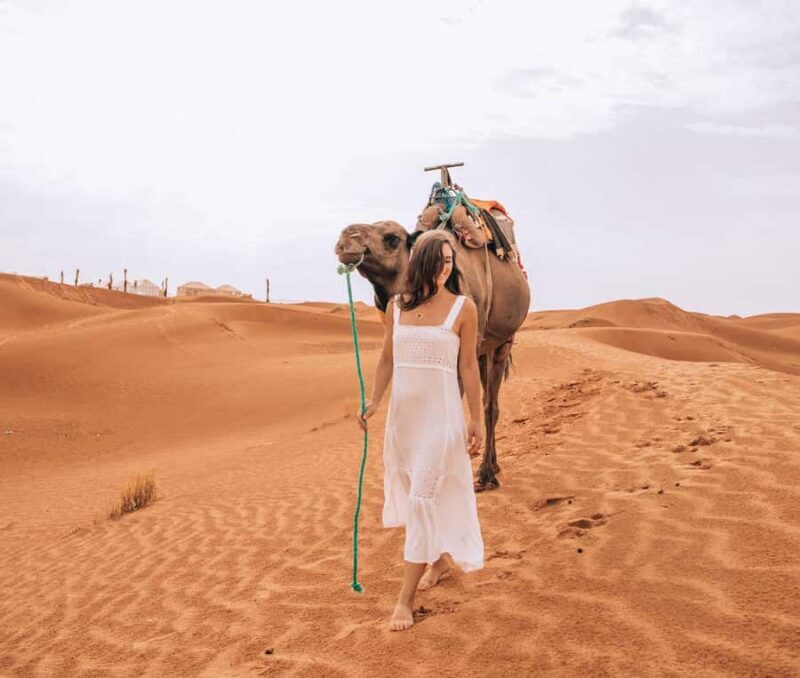
Camel riding can feel awkward at first, especially when the animal stands or sits. Wear closed-toe shoes and comfortable clothes, and follow the handler’s instructions. Sandboarding is included, too, though you may have to choose how much energy to spend on it after a full day on the road.
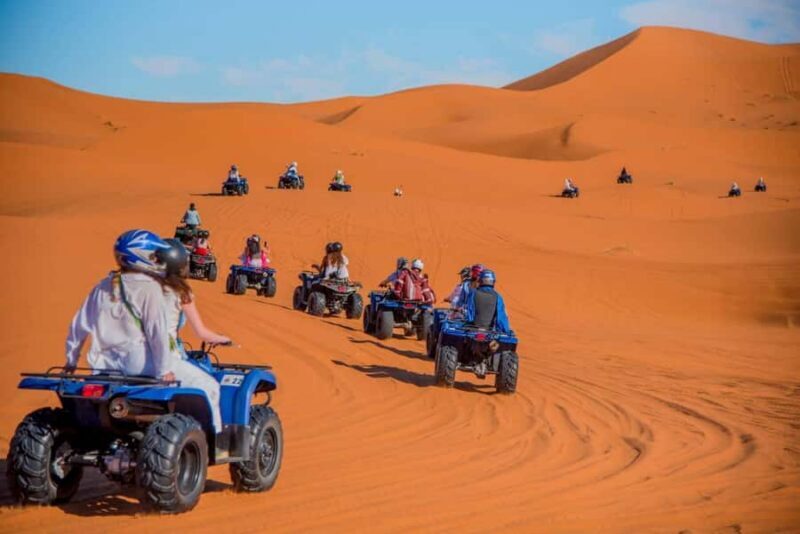
The ride back after sunrise is also included. Some trips offer the option to return by 4×4 or rent an ATV from local operators instead. Those motorized activities cost extra. One quoted ATV rate was 400 MAD for a single vehicle or 500 MAD for a double, but prices can change, so confirm the cost locally before setting off.
A night in the camp
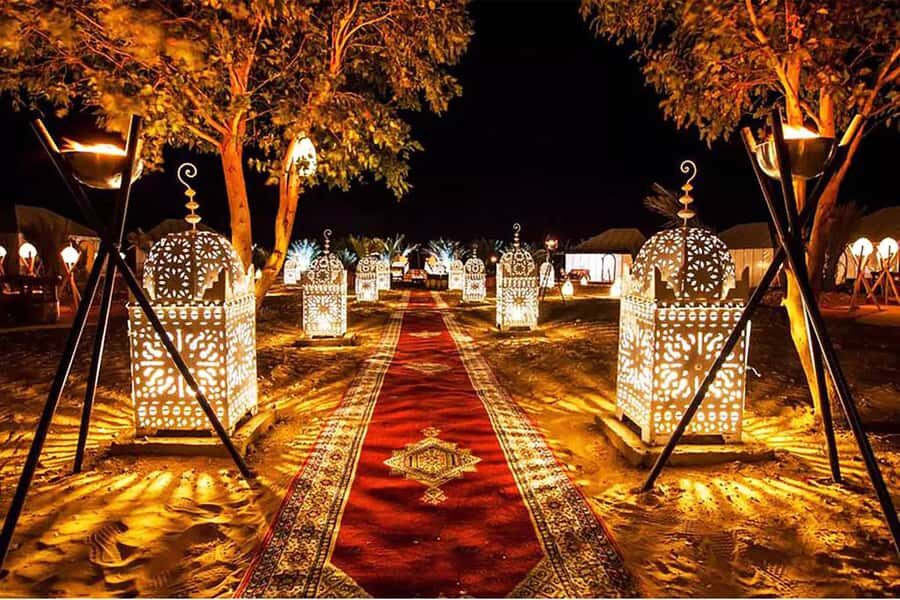
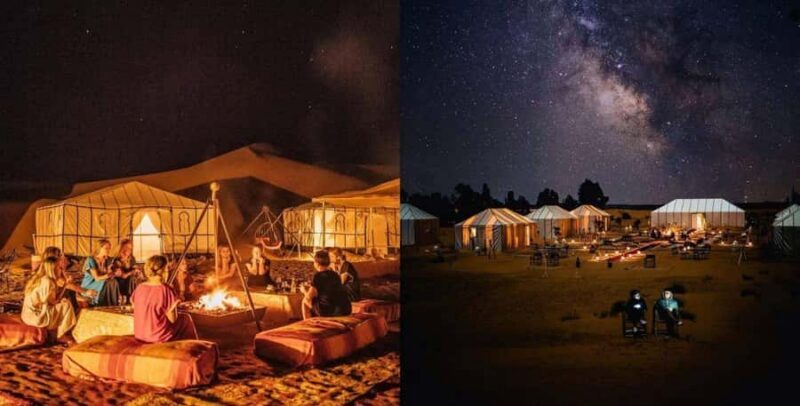
At camp, dinner, breakfast and Berber music with drumming are part of the package. The evening can be a warm, social end to a long day, with dancing around the fire and an unusually clear view of the stars when conditions allow. The music and camp activities may feel informal rather than like a staged show, which suits some people and may disappoint anyone expecting a polished performance.
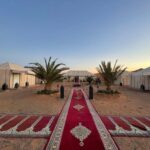
The accommodation depends on the option you select. Standard camp means shared bathroom and toilet facilities. The luxury option gives you a private tent with a real bed, shower and toilet, plus more personal service. For many people, the upgrade is worth considering after a long drive: a proper bed and private bathroom make the night easier, especially if you’re travelling in a group or want a little more comfort.
Don’t assume luxury means every detail will work perfectly. One account noted a faulty toilet and air conditioning, and another found poor ventilation in the heat. Such problems are not guaranteed, but they’re a reminder that desert facilities can be less predictable than a city hotel. In winter, pack a warm layer: the temperature can drop sharply after dark, and one visitor found the luxury tent warm inside despite an outside temperature near freezing.
Food is described as hearty but simple. Dinner and breakfast are included, but lunch is not, and drinks may cost extra. One group had to buy water separately with dinner, so bring cash and ask what is included when you arrive.
Sunrise, then the long drive to Marrakech
The early start is part of the bargain. You’ll get up before dawn for the sunrise over Erg Chebbi, then return by camel or arrange an optional motorized ride. Watching the light spread across the dunes is one of the strongest reasons to choose this trip. Bring a jacket, especially in cooler months, and keep your camera where you can reach it.
After breakfast, you leave the desert and head toward Marrakech. The return route includes a break around Tinejdad, then a stop near Kalaat M’Gouna for a meal and a chance to browse. The route continues past Ouarzazate and across the Tizi n’Tichka pass in the High Atlas. These mountain roads offer fine views, but they also add hours to an already long day. Expect to reach Marrakech in the evening, with drop-off at your hotel or near Djemaa El Fna.
Aït Benhaddou is a famous kasbah on this general route, but a visit is not included. The tour information specifically excludes entry and a visit, so don’t count on time to walk through the site. If it’s a priority, ask the operator before booking whether your departure can include it, and confirm any extra time or cost.
More Great Tours NearbyWhat $133 buys, and what it doesn’t
At $133 per person, the price can be good value if you want transport across Morocco, a driver-guide, camel rides, a camp night, two dinners and breakfasts, and luggage handling bundled together. You’re also avoiding the work of arranging separate transport and a desert camp. Air-conditioned transport is included; Wi-Fi is available on some vehicles, but not all.
The headline rate needs context. The camp level depends on the option you select, so check that your booking is for the luxury tent if you want a private bathroom and shower. Lunch, drinks and optional quad or buggy rides cost extra. The trip is also not a slow, in-depth tour of every town along the road. Much of the value lies in getting from Fès to Marrakech while making the desert overnight possible.
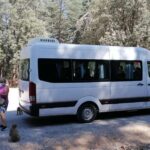
Transport group size varies. Trips have used small vans and larger vehicles, with examples ranging from about eight people to more than a dozen. More room matters on a long transfer, but the vehicle assigned to your departure may differ. If that is important to you, ask about group size and luggage space before booking.
You can also read our reviews of more tours and experiences in Fes
Guides, comfort and who should go
The driver-guide can shape the experience as much as the dunes do. Past departures have been led by people including Hakim, Ali, Mehdi, Younes, Iddir and Omar Faiz, but your guide will depend on the date. The listed languages are Arabic, French, Spanish and English. Strong guides have helped with practical needs, shared stories about local life, picked useful photo stops and kept groups informed. That personal attention is especially valuable when you’re travelling alone or are unsure about navigating Morocco on your own.
There are limits to what the guide can control. Road closures, weather and traffic can change the route, and communication about pickup times has sometimes arrived late. Once underway, the main challenge is physical rather than complicated: sitting for long hours, getting up early, and managing temperature changes between the mountains and desert.
Pack sunglasses, a hat, sunscreen, comfortable closed-toe shoes, a jacket, a camera, cash and your passport or ID. A copy of your ID is accepted. Keep essentials in a small day bag for the camp, rather than burying everything in luggage that may be handled separately.
I’d recommend this trip if you have only two days to connect Fès and Marrakech and the desert night is high on your list. It suits flexible, active people who don’t mind a packed schedule, long drives and basic camp routines. If you have more time, consider spending an extra night in the desert or taking a slower route. Book this one for the camel ride, the dawn over the dunes and the convenience of crossing the country in one arranged trip, not for leisurely visits at every stop.
From Fes To Marrakech: 2-Days with Luxury Camp, Desert Tour
FAQ
How long is the tour?
The activity lasts two days, travelling from Fès to Marrakech with an overnight stay at a desert camp in Merzouga.
Is the luxury camp included in the $133 price?
The camp type depends on the option selected. The luxury option includes a private tent with a real bed, shower and toilet. The standard option has shared bathroom and toilet facilities.
Are meals included?
Breakfasts and dinners are included. Lunch is not included, and you should bring cash for meals and drinks along the route.
Are camel rides included?
Yes. Camel rides are included for sunset and sunrise. The tour also includes sandboarding.
Can I ride an ATV instead of a camel?
ATVs and buggies are available to rent from local operators, at extra cost. One reported price was 400 MAD for a single ATV or 500 MAD for a double, but confirm the current price locally.
Does the tour visit Aït Benhaddou?
No visit is included. The kasbah may be associated with the route, but the tour information says that visiting Aït Benhaddou is not included.
What should I bring?
Bring comfortable, closed-toe shoes, sunglasses, a hat, sunscreen, a jacket, a camera, cash and your passport or ID. A copy of your ID is accepted.
You can check availability for your dates here: