Copenhagen’s bus tour makes a useful first map of a city whose sights stretch from Nyhavn and the Little Mermaid to Christiania and Copenhagen Zoo. I like having three routes to choose from, and I like that the commentary comes in 11 languages, so you can learn a little as you move between neighborhoods instead of spending the day figuring out connections.
The main trade-off is timing: the Classic route comes every 30 minutes, but the Colorful route runs hourly and the Urban Green route every two hours. Some stops are also closed for roadwork, so check the current route details before building your day around a particular stop.
- Key points to know before you board
- What the bus tour actually gives you
- The Classic route links the central sights
- Colorful route: Christianshavn, Christiania, and Reffen
- Urban Green route: Frederiksberg, the Zoo, and family stops
- How to choose a 24-, 48-, or 72-hour pass
- Ride frequency, ticket confusion, and practical details
- Is this a good fit for your Copenhagen plans?
- FAQ
- How often do the buses run?
- What are the operating hours?
- Does the pass include admission to attractions?
- Which languages are available for the audio guide?
- How do I use the voucher?
- Is the bus wheelchair-accessible?
- The Best Of Copenhagen!
- More City Tours in Copenhagen
- More Tours in Copenhagen
- More Tour Reviews in Copenhagen
- Not for you? Here's more nearby things to do in Copenhagen we have reviewed
Key points to know before you board
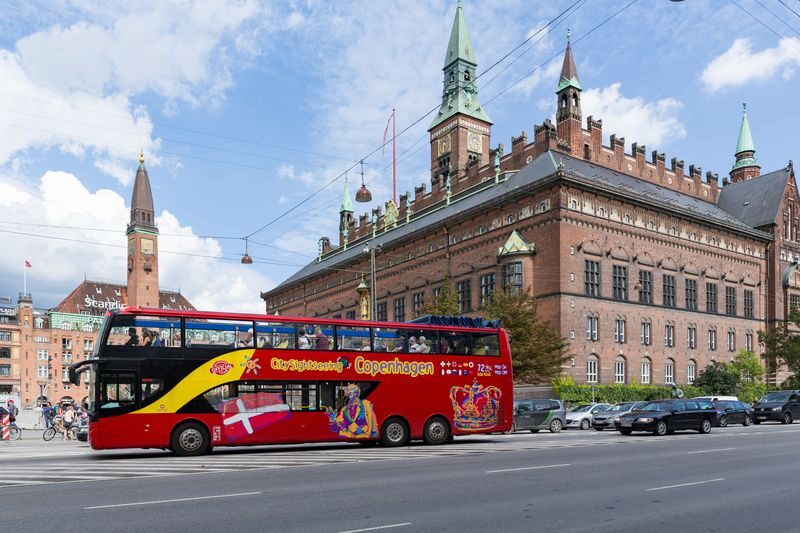
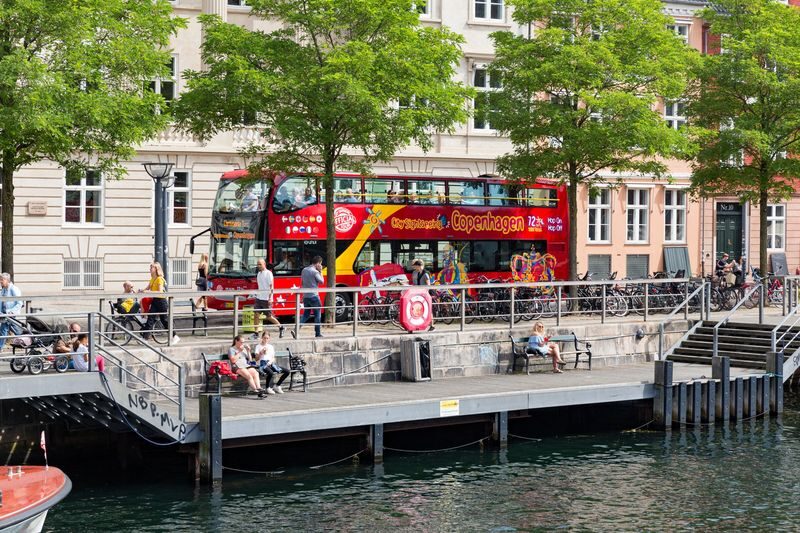
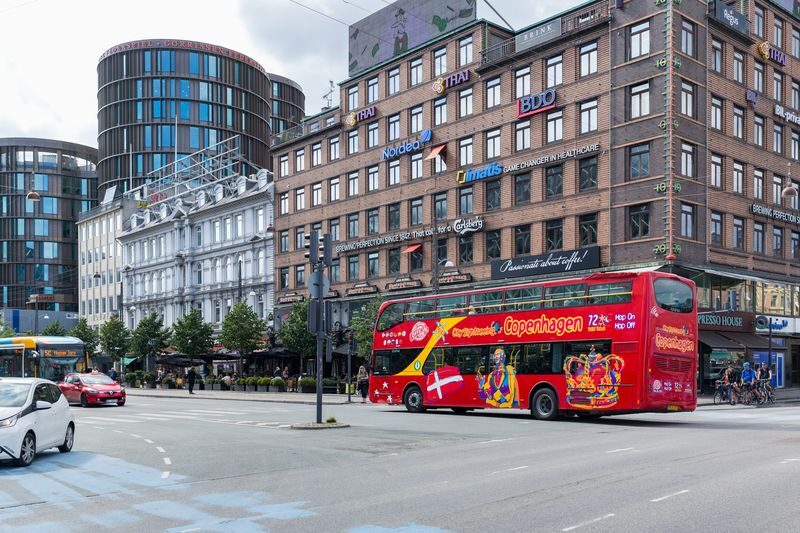
- The Classic route is the backbone: It runs daily from 10:00 to 17:30, takes 90 minutes for a full loop, and comes every 30 minutes.
- Three routes cover different corners of town: Choose Classic for central sights, Colorful for Christianshavn and Christiania, and Urban Green for Frederiksberg, the Zoo, and family attractions.
- The longer routes need more patience: Colorful buses come every 60 minutes, while Urban Green buses come every 120 minutes.
- Your pass is unlimited while active: Options run for 24, 48, or 72 consecutive hours, depending on the ticket you buy.
- Admission is not included: You pay separately to enter places such as Tivoli Gardens, Rosenborg Castle, and Copenhagen Zoo.
- Check for closures: City Hall Square/National Museum of Denmark and the Home of Carlsberg stop are listed as closed. Roadwork and traffic can also change routes.

👉 See our pick of the 6 Best Shopping Tours In Copenhagen
What the bus tour actually gives you
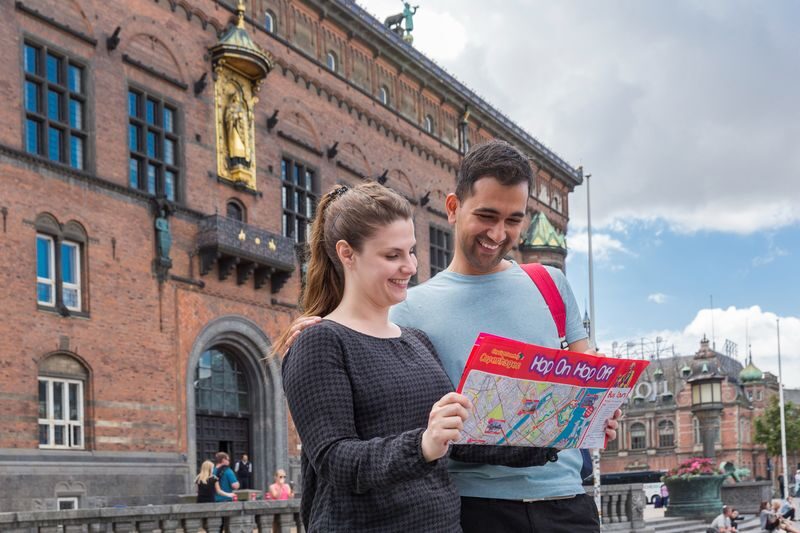
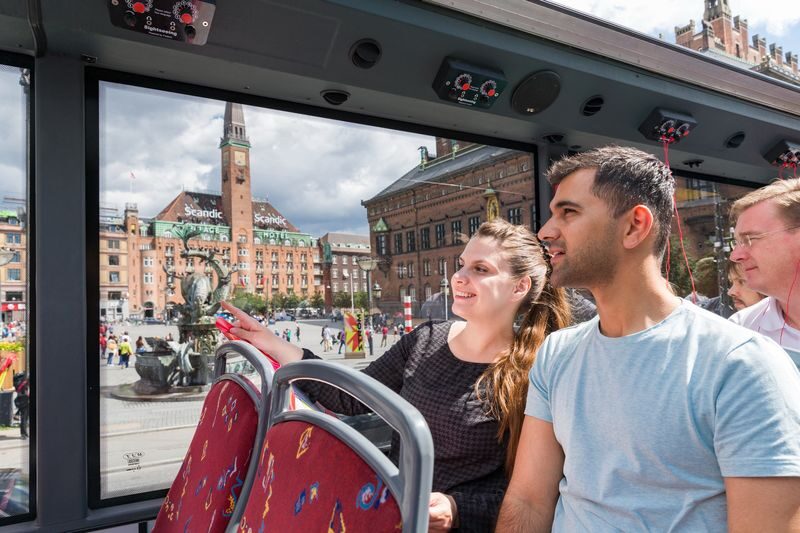
This is a sightseeing bus, not a guided walking tour. You ride between stops, listen to recorded commentary through the onboard audio guide, and get off when a place deserves more of your time. A free map and Wi-Fi are included, though I would still save a map or route plan on your phone in case the connection is patchy.
The pass is best understood as a flexible way to connect major sights, not as an all-access ticket. It does not cover attraction admission, a live tour guide, tips, or personal expenses. You can use the commentary to get basic context while riding, then make your own plans once you step off.
For a first visit, the biggest practical benefit is orientation. You can see how the center, waterfront, royal quarter, and outlying Frederiksberg area fit together before deciding where to spend the rest of your time. If you are already comfortable using Copenhagen’s public transport and have a tight sightseeing list, the bus may be less useful as transportation.
You can also read our reviews of more city tours in Copenhagen


The Classic route links the central sights
The Classic route runs every day from 10:00 to 17:30. A full loop takes about 90 minutes, and buses are scheduled every 30 minutes. That half-hour interval makes this the easiest route to use as a flexible base: you can hop off for a short visit, then plan around the next bus without waiting through a two-hour gap.
The route includes Ved Stranden and Strøget, Nyhavn, Amalienborg Palace and Ofelia Plads, Gefion Fountain, the Little Mermaid, Rosenborg Castle and the National Gallery of Denmark, Gammel Torv, City Hall Square and the National Museum, Tivoli Gardens, and several harbor-side stops. Langelinie North, Middle, and South are listed as seasonal stops from May through September.
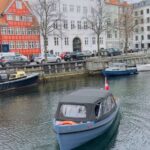
Nyhavn is a natural place to get off and walk. Its colorful waterfront is closely tied to Hans Christian Andersen, who grew up in the area. The yellow house associated with him makes a quick photo stop, but the canal is worth more than a snapshot if you have time to stroll along the water.
The route also brings you toward Amalienborg, the royal palace complex, and Ofelia Plads. From there, the waterfront walk toward the Little Mermaid and Langelinie gives you a chance to stretch your legs and take in the harbor. The statue itself is small, so set your expectations accordingly. You are visiting a familiar Copenhagen symbol, not a grand monument.
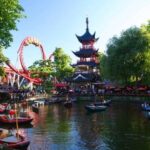
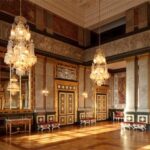
Rosenborg Castle is a good stop if royal history appeals to you. It holds royal relics, while the nearby gardens and surrounding area offer a calmer break from the busy center. Tivoli Gardens is another major stop, but the bus ticket does not include entry. The gardens date to 1843, and you will need a separate admission ticket if you want to go inside.
There is a current wrinkle at City Hall Square/National Museum of Denmark: this stop is listed as temporarily closed until further notice. The route may still be useful for reaching nearby sights from another stop, but check before counting on this exact pickup point.
Colorful route: Christianshavn, Christiania, and Reffen
The Colorful route runs daily from 11:45 to 16:45. Its loop takes about 55 minutes, but buses come only every 60 minutes. The listed stops are Ved Stranden/Strøget, Christianshavn, Christiania Freetown, the Opera, Reffen Street Food, Islands Brygge/Casino Copenhagen, and Tivoli.
This route adds a different feel to the trip. Christianshavn is known for its canals and waterfront setting, while Christiania Freetown offers a distinct neighborhood experience. You can get off to walk around rather than treat the area as a quick view from the upper deck. As always, be respectful of local rules and the people who live there.
Reffen is the stop for street food, with organic options listed among the draws. It can make a handy meal stop if the opening hours suit your plans. The hourly service matters here: if you get off for lunch, check the next departure time before settling in. Missing a bus can mean a substantial wait.
The schedule is shorter than the Classic route’s, and the buses are less frequent. That makes the Colorful route a better planned outing than an improvised shuttle. If Christianshavn, Christiania, or Reffen are priorities, use the route timetable to choose your stop order and avoid spending too much of your day waiting.
Urban Green route: Frederiksberg, the Zoo, and family stops
The Urban Green route runs daily from 11:00 to 15:00, with a 45-minute loop. Its buses come every 120 minutes, so timing is essential. Stops include Tivoli, the Planetarium, Gammel Kongevej, the University of Copenhagen Horticultural Gardens, Frederiksberg Shopping Mall and City Hall, the Royal Copenhagen Outlet, Copenhagen Zoo/Cisternerne, De Små Haver/Carlsberg/Bakkehuset, Frederiksberg Garden/Frederiksberg Allé, and the Meatpacking District.
This route reaches attractions that are farther from the central waterfront. Copenhagen Zoo and the Planetarium make it especially appealing if you are traveling with children or want a change from palaces and canals. Frederiksberg Garden is another good reason to leave the center for a while. The route can also help you connect several Frederiksberg stops without arranging separate transport.
The two-hour interval is the main drawback. This is not a route to use casually, hopping off whenever something catches your eye. Check the departure time, decide how long you want at each stop, and leave a margin in your schedule. The route operates for only four hours a day, so a missed bus can cost a large part of your sightseeing window.
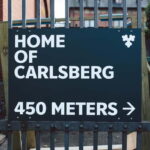
The Home of Carlsberg stop, identified as Stop 22, is listed as closed because of road maintenance, with the closure expected to last through the end of 2026. The closure notice is also associated with the Urban Green route. Since road conditions can change, confirm the latest route information close to your visit.
How to choose a 24-, 48-, or 72-hour pass
A 24-hour pass can work if you want a first-day overview and a few targeted stops. The shorter option is easier to justify when your plans center on the Classic route and you are not trying to cover every neighborhood. The 48-hour pass gives you more room to use the slower Colorful and Urban Green routes without cramming them into one day.
A 72-hour pass suits a slower visit or a plan that includes several outlying stops. The listed package prices start at US$41.00 for a 48-hour all-routes pass and US$45.49 for a 72-hour all-routes pass. The activity price is also shown from $45.10, so prices may vary by package and booking. Compare the exact ticket you are selecting before paying.
The value depends on how you use it. If you ride several routes and get off at multiple stops, the pass can save time and simplify transport. If you only want to see the city from the bus once, or plan to spend most of your time inside paid attractions, the cost may be harder to make back. Remember that entry to Tivoli, Rosenborg Castle, the Zoo, and other attractions is separate.
The pass becomes valid for 24, 48, or 72 consecutive hours once activated, according to the option you purchase. That means it is worth activating when you are ready to begin sightseeing rather than well before your first ride. The voucher itself is valid for 365 days from the participation date, but the active pass period is much shorter.



Ride frequency, ticket confusion, and practical details
The most consistently useful part of the service is its convenience for covering the main sights. The Classic route’s 30-minute frequency is manageable, and its central stops can help you get your bearings quickly. The less frequent Colorful and Urban Green services demand more planning, especially if you want to make several stops in one day.
There are multiple sightseeing bus companies in Copenhagen, and the ticket information can be confusing if company names are mixed together. One reported problem involved a QR code that could not be used for both City Sightseeing and Red Sightseeing. Before boarding, show your mobile or printed voucher to staff or the driver and confirm that it is accepted for the bus you are taking. The listed redemption address is Bernstorffsgade 14, but the voucher can also be presented at bus stops along the route.
The audio guide is available in English, Spanish, French, German, Italian, Japanese, Chinese, Russian, Polish, Swedish, and Danish. Commentary can make a long loop more useful, though language playback may not work on every bus. If the audio is important to you, check it soon after boarding so you can ask staff for help rather than discovering a problem halfway through the route.
Children aged zero to five ride free, but infants and children must still be included in the passenger headcount. Children aged zero to 15 must travel with a paying adult, and those aged 16 or older pay the adult rate. The buses are wheelchair-accessible for chairs up to 70 cm wide, 120 cm long, and 135 cm high. They can safely carry only one wheelchair user at a time, so you may need to wait for the next bus if that space is occupied. Staff can assist guests who need disability support.
Is this a good fit for your Copenhagen plans?
I would consider this bus if you are new to Copenhagen, want a straightforward overview, or prefer not to work out public transport between every major sight. It is particularly useful for joining central landmarks with places farther out, and the Classic route is a practical way to orient yourself before choosing where to linger.
I would be more cautious if your schedule is packed or you expect the bus to run like a frequent city shuttle. The 60-minute Colorful service and 120-minute Urban Green service require patience, and current stop closures may affect your plan. Choose the pass length based on the routes you will genuinely ride, check the schedule and closures before leaving, and confirm your ticket is valid on the bus you board. If those details suit your day, the pass can be a handy sightseeing tool. If not, a shorter Classic-only option or public transport may fit better.
Copenhagen Hop-On Hop-Off Bus by City Sightseeing
“initially rather confusing as there multiple companies doing hop on hop off tours but I think this company has more lines but only on wkends for so…”
FAQ
How often do the buses run?
The Classic route is scheduled every 30 minutes, the Colorful route every 60 minutes, and the Urban Green route every 120 minutes. Schedules can change because of traffic or roadwork.
What are the operating hours?
The Classic route runs daily from 10:00 to 17:30. The Colorful route runs from 11:45 to 16:45, and the Urban Green route from 11:00 to 15:00.
Does the pass include admission to attractions?
No. Attraction admission is not included. You need separate tickets for places such as Tivoli Gardens, Rosenborg Castle, and Copenhagen Zoo.
Which languages are available for the audio guide?
The audio guide is listed in English, Spanish, French, German, Italian, Japanese, Chinese, Russian, Polish, Swedish, and Danish.
How do I use the voucher?
Show your mobile or printed voucher to staff or the driver at a stop along the route. Once activated, it is valid for the consecutive period covered by your ticket.
Is the bus wheelchair-accessible?
Yes. The buses can accommodate wheelchairs up to 70 cm wide, 120 cm long, and 135 cm high. They cannot safely carry more than one wheelchair user at a time, and staff are available to assist.