Singapore’s old riverfront tells a harder story than its handsome shophouses suggest. On this three-hour walk, you follow the routes of coolies, the laborers who moved goods through the port, and towkays, the merchants and employers who profited from that trade. Along the way, the tour links historic sites to the modern gig economy, asking you to look at work, debt, and pay from a different angle.
I like two things in particular: you get to handle an original coolie coin, and the tour connects labor history to real places, from a temple to the former home of a Triad boss. The themed tea and coin-inspired cookie add a welcome pause. One consideration: the tour runs on Sundays only, and its strongest appeal is historical storytelling, not a general survey of Singapore’s sights.
- What makes this walk different
- From Fuk Tai Chi Museum into Singapore’s working past
- Yueh Hai Ching Temple and the workers’ everyday lives
- The coolie coin and a modern gig economy comparison
- Boat Quay, old godowns, and the river route
- A pause in the former home of a Triad boss
- The guide, pace, and overall value
- Should you book this Singapore history walk?
- FAQ
- When does the tour run?
- Where does the tour start and finish?
- How do I get to the meeting point?
- How early should I arrive?
- What is included in the price?
- What should I bring and wear?
- Can young children join?
- Is the tour accessible, and can I cancel?
- The Best Of Singapore!
- More Tours in Singapore
- More Tour Reviews in Singapore
- Not for you? Here's more nearby things to do in Singapore we have reviewed
What makes this walk different
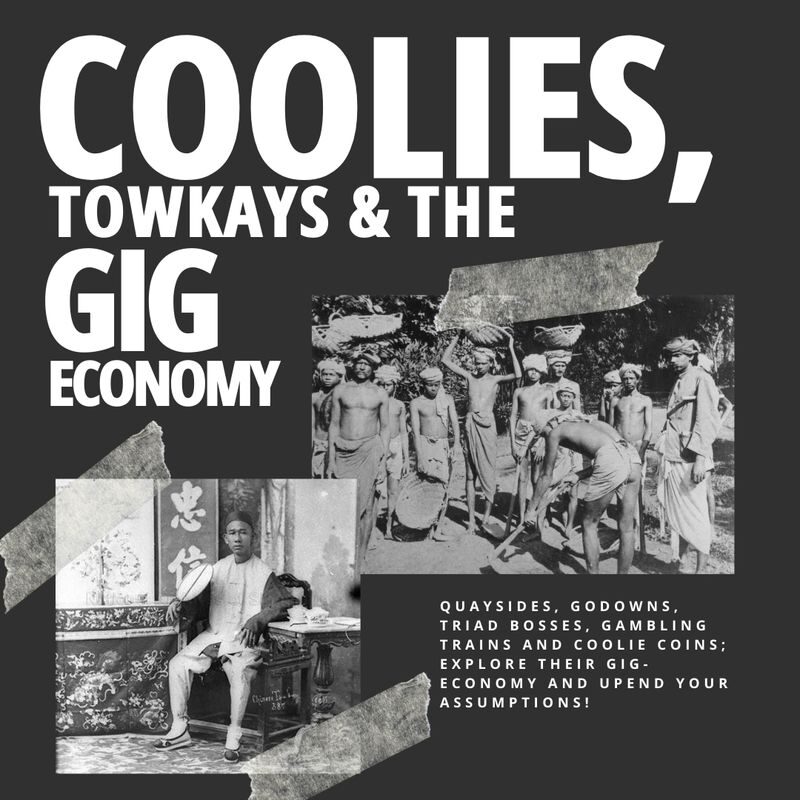
- Coolie coins in your hand: See how a coin-based payment system shaped workers’ choices, with the rare chance to touch an original example.
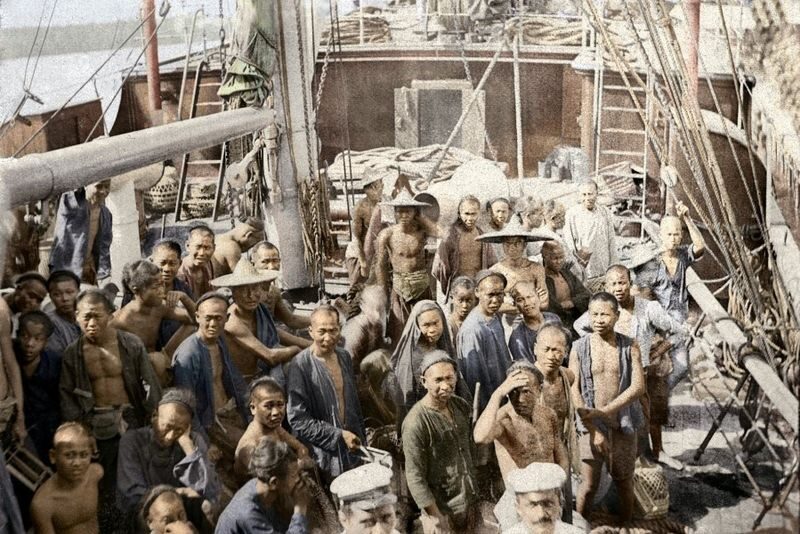
- A closer look at labor and debt: Hear about recruiter agents, indentured workers nicknamed Piglets, Indian money-lenders, and subsidized gambling trains to Malaysia.
- Temples as part of working life: Visit Yueh Hai Ching Temple and learn how temples served as places to spend time and seek love-luck.
- Riverfront buildings with a job to do: Follow the route past old godowns, historic houses, and quays that tie the stories to Singapore’s port.
- Small-group format: Groups are limited to 5 to 20 people, with headsets supplied so you can hear the guide while walking.
- A themed refreshment stop: The experience includes a tea-inspired drink and a coolie-coin cookie.
👉 See our pick of the 25 Best Guided Tours In Singapore
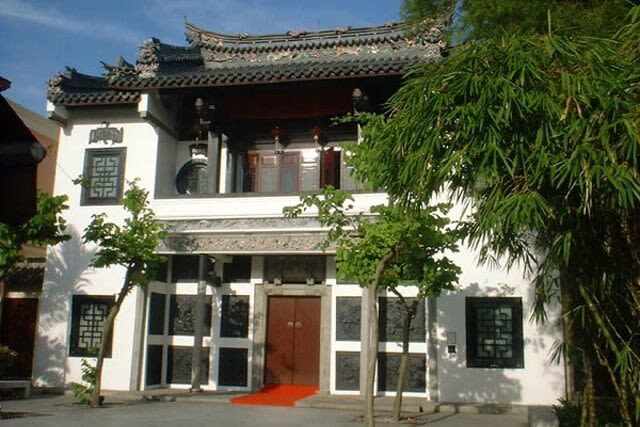
From Fuk Tai Chi Museum into Singapore’s working past
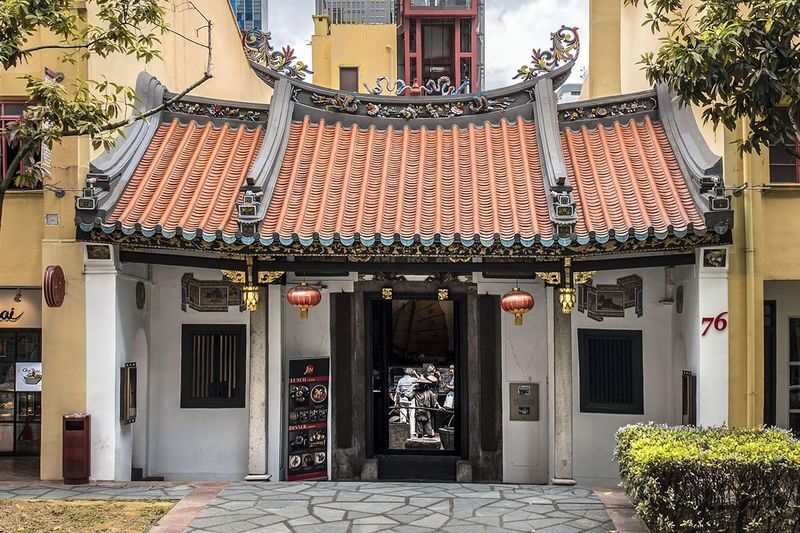
Meet at the entrance to Fuk Tai Chi Museum, 76 Telok Ayer Street, at 2:30 p.m. The walk ends near Fort Canning MRT around 5:30 p.m. Telok Ayer MRT station is about a one-minute walk from the meeting point, which makes arriving by train straightforward.
Arrive ten minutes early. Your guide wears an 8th Wave T-shirt and carries a sign, a useful detail in a busy city where several people may be waiting nearby. The group size ranges from 5 to 20, so this is more personal than a large coach tour, though not a private walk. Headsets are provided; you can also bring your own earphones.
The story begins with Singapore’s origins as a free port and the people whose work helped make it function. The tour follows the trails of merchants and laborers, rather than treating the city’s early trade as a tale of business success alone. That shift matters: a port’s warehouses and quays were not just infrastructure. They were workplaces shaped by unequal bargaining power, migration, and systems of payment.
The central question is how the lives of coolies compare with today’s gig workers. The parallel is not a claim that the two systems are identical. Instead, the tour invites you to consider how recruitment, pay, debt, and limited choices can shape a worker’s daily life. I find that approach more useful than a simple list of dates and names because it gives you a way to think about the past after the walk ends.
You can also read our reviews of more tours and experiences in Singapore.

Yueh Hai Ching Temple and the workers’ everyday lives
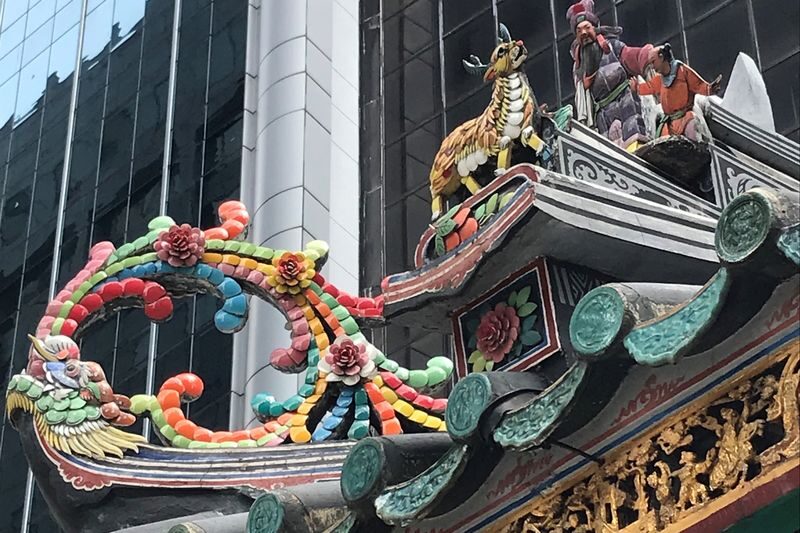
From Fuk Tai Chi Museum, the route heads to Yueh Hai Ching Temple. The temple is one of the historic UNESCO temples featured on the walk, and it adds a personal dimension to the port’s commercial story. The tour explores how coolies used temples as places to spend time, and how some came to burn incense in hopes of improving their love-luck.
That detail makes the stop more than an architectural pause. It brings the story down to the level of ordinary hopes and routines. Workers were not only laboring, borrowing, or being recruited; they also sought companionship, comfort, and luck. The temple setting gives the guide room to discuss those parts of life alongside the more difficult questions of wages and debt.
You should expect the guide to interpret the site in relation to the tour’s themes, rather than offer a broad survey of every feature of the temple. If you want a quiet, extended visit to examine the building on your own, this walking format may feel brisk. The schedule covers several locations in three hours, and the temple is one stop in a connected story.
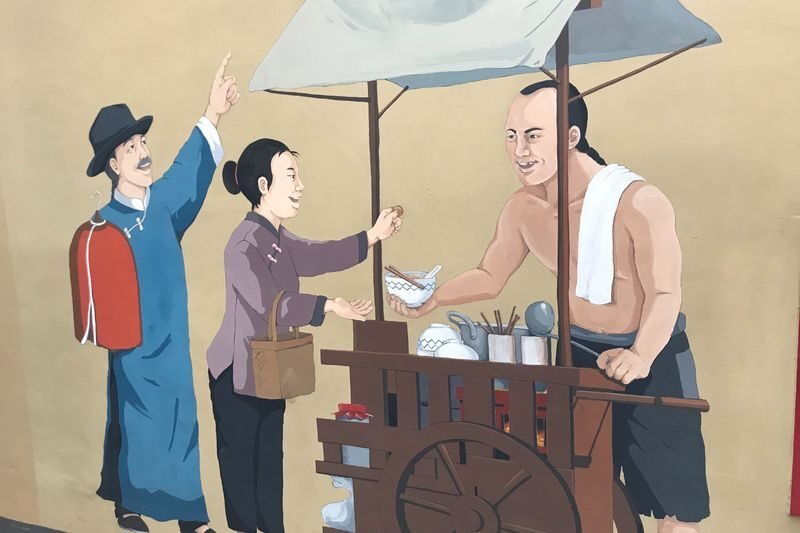
The tour’s broader explanation of coolie life includes the role of agents who recruited laborers and the sharp divide between those recruiters and the workers sometimes called Piglets. It also covers Indian money-lenders, a reminder that the financial pressures around labor did not begin and end at the workplace. You hear about subsidized gambling trains to Malaysia, too, a striking example of how leisure and spending could become part of the wider economy around workers.
The coolie coin and a modern gig economy comparison
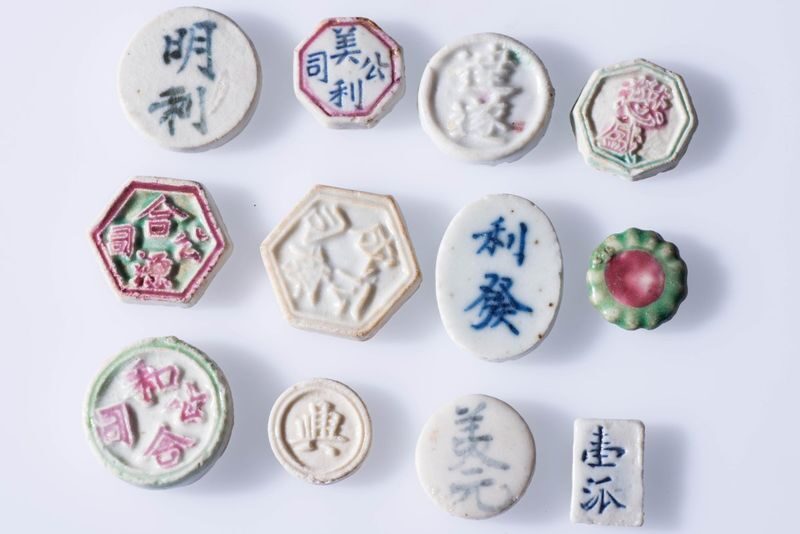
One of the most tangible parts of the walk is the chance to touch an original coolie coin. The coin helps make an abstract system concrete. Rather than only hearing how workers were paid, you can see and handle an object connected to that system and consider what it meant to receive compensation in a form that could restrict how money was used.
The tour explains how the coolie-coin system could remove the rewards of real cash. That is a sharp contrast with the familiar idea of wages as money a worker can freely spend. By pairing that history with the modern gig economy, the guide asks you to compare the power held by employers, recruiters, and workers across different eras.
I like that the connection is framed through questions about work and payment, not as a neat one-to-one comparison. A modern app-based worker and an indentured laborer lived in very different conditions. Still, the themes of who controls access to work, who sets the terms, and how much freedom workers have over their earnings are worth examining. The tour gives you historical material for that conversation without asking you to pretend the two experiences are the same.
The coin is also a useful anchor for younger participants. A discussion of labor systems can feel remote; an original object gives the story a physical point of reference. Children aged 0 to 4 can join free, but they do not receive the food and drink included for other participants. Parents should consider whether a three-hour history walk suits their child’s pace.
Boat Quay, old godowns, and the river route
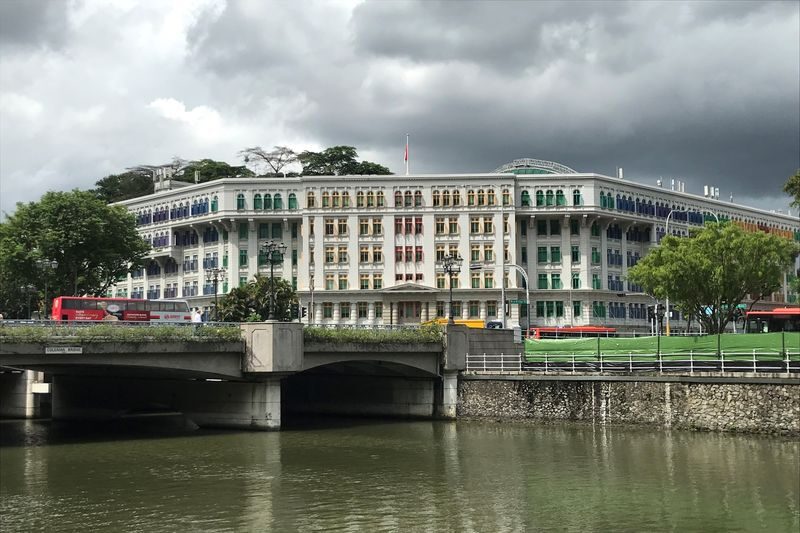
After Yueh Hai Ching Temple, the walk continues toward Boat Quay and follows the Singapore River. Along the way, the guide points out old godowns, historic houses, and quays. These are the places that help connect the tour’s labor stories to the movement of goods and the growth of the port.
The river route gives the walk a clear shape. You begin in Telok Ayer, move through temple and market-area history, then trace the waterway toward the foot of Fort Canning. The changing surroundings help you picture how trade, storage, and transport fit together. It is not just a walk between unrelated landmarks; each stretch carries the story forward.
The historic buildings and riverfront setting are also a reminder that Singapore’s past remains visible in the city’s present-day streets. But the experience is not designed as a photo-focused architecture tour. If your main goal is to collect landmark views, there are more direct ways to spend three hours. This route is best when you want the buildings explained through the people who worked around them.
The itinerary can change with traffic and weather. Singapore’s heat and sudden rain can affect the comfort and pace of any outdoor walk, so bring water and an umbrella, and wear comfortable shoes. The activity is listed as stroller- and wheelchair-accessible, but it is still worth considering that it covers a three-hour route with several stops.
A pause in the former home of a Triad boss
A distinctive stop is the former house of a Triad boss, where you can enjoy a themed tea-inspired drink. This moment gives the walk a change of pace and a setting that broadens the story beyond the port’s formal businesses. The drink is included, along with a coolie-coin-themed cookie you can take as a gift.
The house is an unusual setting for a refreshment break, but the reason it matters is the way it connects the tour’s history to figures outside the respectable merchant class. The tour sets out to show Singapore’s past from several angles, including the people and networks that operated around the labor economy. You get a short break without leaving the theme behind.
Food and drink are included, but other personal expenses are not. The tour details do not specify the exact drink, so treat it as a themed refreshment rather than a full meal. Eat beforehand if you need a proper lunch or dinner, especially since the walk runs from mid-afternoon into early evening.


The guide, pace, and overall value
An English-speaking guide leads the walk, and headsets are provided. A past participant singled out Patrick for explaining the subject thoroughly and with care. That gives a useful sense of the tone this experience aims for, but it does not guarantee Patrick will lead your departure. The guide assigned to your date may differ.
The experience has a perfect 5.0 rating from two tour-specific ratings, a very small sample. The operator, 8th Wave Pte Ltd, has 120 total reviews and a 90 percent good-review rate. I would read those figures as encouraging but limited evidence, not a promise that every detail will suit every person.
At a starting price of US$62.99, the value rests on the quality of the guided interpretation and the unusual access to the coin and Triad boss’s former home, rather than on a long list of included meals or transport. Another package price is shown as US$54.79, so prices appear in two different forms. Check the amount shown for your selected date and package before booking. The walk is three hours, includes a guide, headsets, themed snacks and drinks, and stays within central Singapore rather than requiring paid transport between distant attractions.
The operator has also shown flexibility when plans changed in the past: one participant who could not attend said the company offered a complimentary extra place for a rescheduled date. That is a kind gesture, but it does not change the stated terms for this booking. The tour has a no-cancellation, no-refund policy, so choose your date carefully.
This walk suits you if you enjoy social history, want to understand the human cost behind Singapore’s port economy, or prefer a guided story to a checklist of landmarks. It may be less appealing if you want a broad introduction to the whole city, a food tour, or a flexible drop-in activity. Since it is scheduled on Sundays only, check your plans before building the rest of the day around it.
Should you book this Singapore history walk?
Book it if you want to spend time with the people behind the port’s growth and are interested in how labor systems shape daily life. The original coolie coin, temple stories, and riverfront route give the subject enough variety to hold attention, while the gig-economy comparison keeps it relevant without erasing the differences between past and present.
Skip it if you prefer a fast-paced overview of Singapore’s major attractions or need a booking you can cancel freely. For history-minded visitors, though, this is a focused three-hour way to see familiar central streets through the lives of workers, merchants, and the systems between them.
Coolies, Towkays and the Gig Economy
“The tour was a marvellous and insightful experience into the lives of those who came before. It was wonderful with Patrick as our guide who explain…”
FAQ
When does the tour run?
It is available on Sundays, from 2:30 p.m. to 5:30 p.m.
Where does the tour start and finish?
It starts at the Fuk Tai Chi Museum entrance, 76 Telok Ayer Street, and finishes at Fort Canning MRT.
How do I get to the meeting point?
Take the Downtown Line to Telok Ayer MRT station. The meeting point is about a one-minute walk away.
How early should I arrive?
Arrive ten minutes before the 2:30 p.m. start. The guide wears an 8th Wave T-shirt and carries a signboard.
What is included in the price?
The tour includes an English-speaking guide, headsets, themed snacks, and drinks. Other personal expenses are not included.
What should I bring and wear?
Bring a mask, mobile phone, SafeEntry or TraceTogether app or token, water, and an umbrella. Wear comfortable footwear.
Can young children join?
Children aged 0 to 4 can join free of charge, but they do not receive food or drink.
Is the tour accessible, and can I cancel?
The activity is listed as stroller- and wheelchair-accessible. Cancellations and refunds are not available.