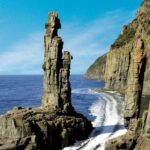
Cape Raoul is best appreciated from the water. From Port Arthur, the boat heads along a coast of tall dolerite cliffs, sea caves and arches, with the rock columns at Cape Raoul dropping toward the Tasman Sea. The scale is the point: some cliffs rise about 250 metres above the ocean.
I like two things in particular: you get a fresh view of the Port Arthur coast, including Point Puer and Isle of the Dead, and the 90-minute ride leaves time to explore the historic site afterward. Seals are a welcome possibility, not a promise, and dolphins or whales may appear too.
The main caution is the sea. This is open-coast cruising, and wind, swell and rain can turn a scenic outing into a cold, rough ride. If you are prone to seasickness, or need calm conditions to enjoy a boat trip, weigh that risk before booking.
- Cape Raoul from below: See the peninsula’s high dolerite columns and cliffs from the water, rather than from a walking track.
- A compact coastal route: The cruise takes about 90 minutes, giving you a useful window to pair it with Port Arthur.
- Historic coast views: Point Puer and Isle of the Dead add a human story to the wild shoreline.
- Wildlife is a bonus: Australian fur seals are a key possibility; dolphins and other marine life are not guaranteed.
- Port Arthur entry is required: Even the cruise-only option requires a separate site ticket.
- Expect real sea conditions: Wind and large waves can affect comfort, views and the route.
- Cape Raoul makes sense from the sea
- From Port Arthur Jetty to the open coast
- Cliffs, caves and pale beaches
- What 90 minutes can and cannot do
- Wildlife is never on a timetable
- The sea can change the whole mood
- Budget for the historic site as well
- Who should book the Cape Raoul cruise?
- FAQ
- How long is the Cape Raoul cruise?
- Where does the boat leave from?
- Do I need a Port Arthur Historic Site ticket?
- What departure times are available?
- Will I see seals or dolphins?
- Can bad weather affect the cruise?
- Are children allowed on the cruise?
- The Best Of Tasmania!
- More Boat Tours & Cruises in Tasmania
- More Tours in Tasmania
- More Tour Reviews in Tasmania
- Not for you? Here's more nearby things to do in Tasmania we have reviewed
Cape Raoul makes sense from the sea
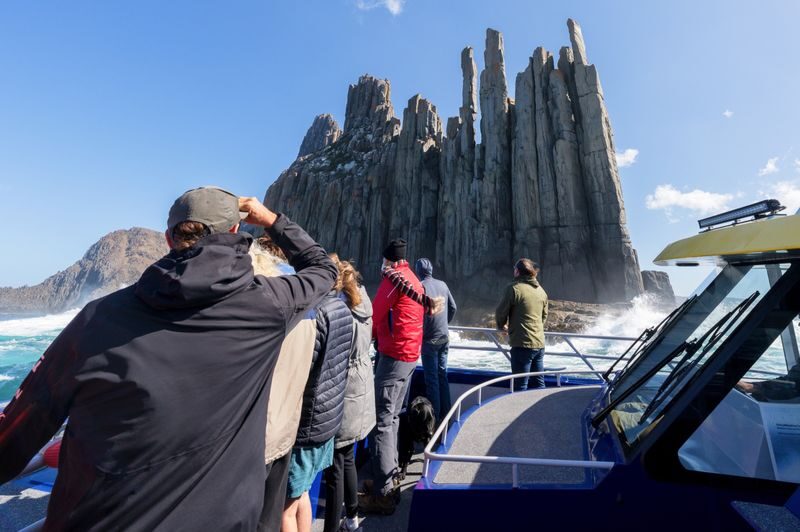
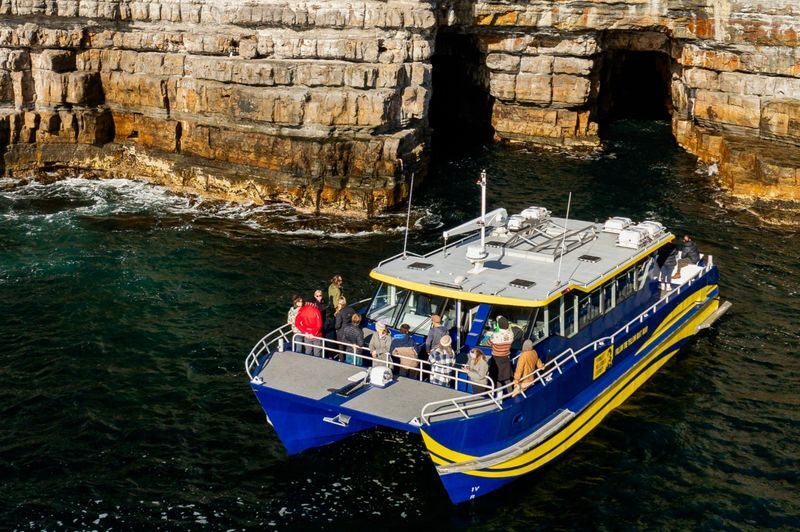
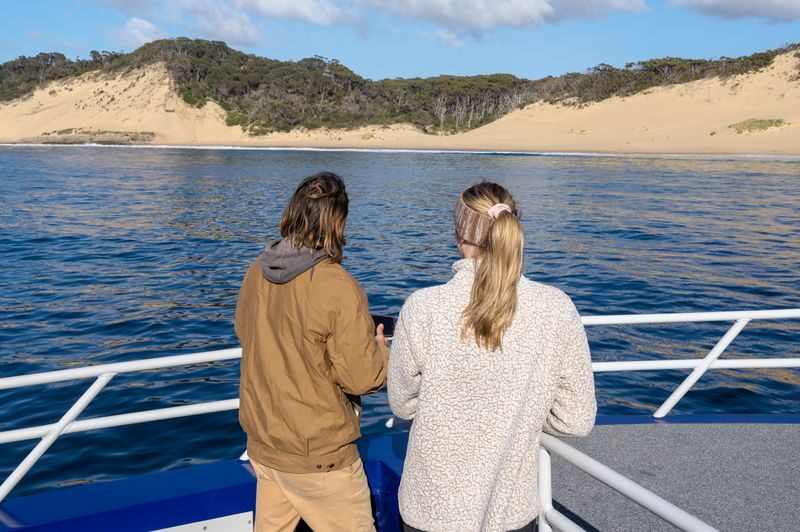
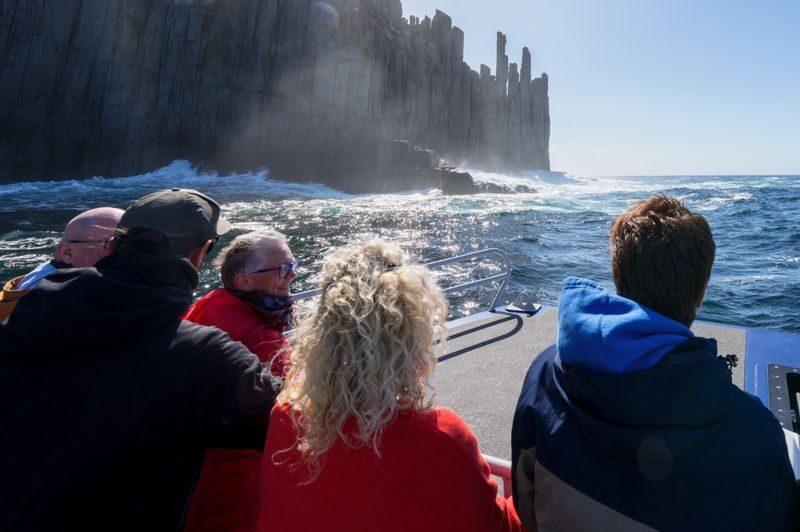
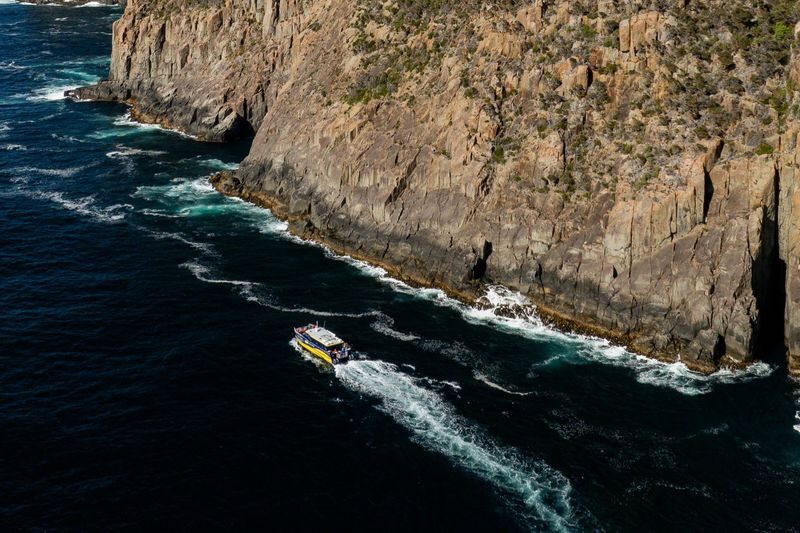
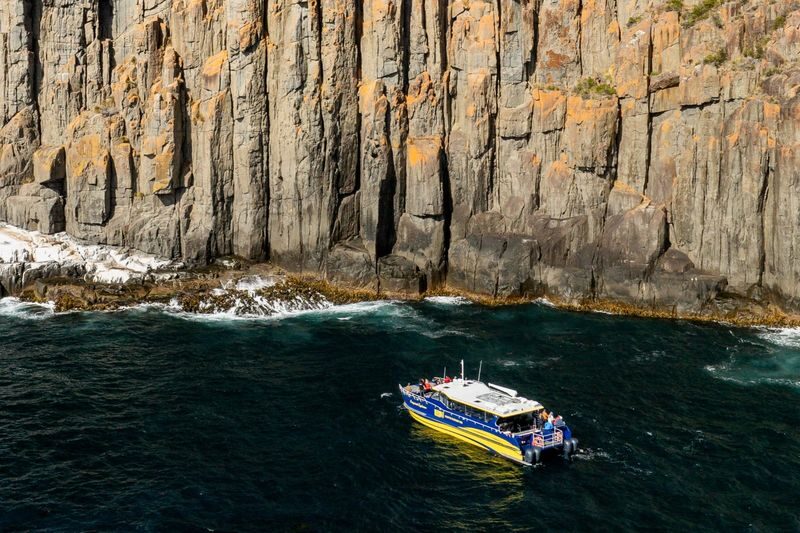
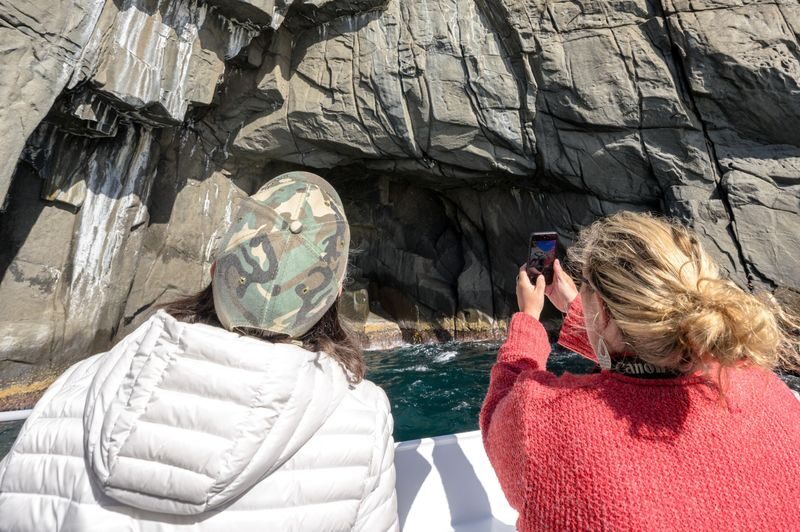
The Tasman Peninsula’s cliffs are not just a dramatic backdrop. They are the main reason to take this cruise. The boat brings you close enough to understand the size of the coastal formations, with dolerite columns, caves and arches shaped over geological time. The rock is about 170 million years old, and the cliffs rise as high as 250 metres above the water.
From shore, you can admire parts of this coast, but the cruise gives you a different angle: the cliffs lift straight from the sea, and Cape Raoul’s columns appear like broad steps descending toward the water. That scale can be hard to judge from photographs.
The trip passes several well-known coastal sights, including Point Puer and Isle of the Dead, as well as white-sand beaches at Safety Cove and Crescent Bay. It also offers views toward Cape Pillar and Tasman Island. These are not separate landing stops. The experience is a moving coastal tour, with the boat carrying you along the shore and the captain introducing sights as you go.

👉 See our pick of the 12 Best Tours In Tasmania
From Port Arthur Jetty to the open coast
You leave from Port Arthur Historic Site Jetty, on Jetty Road. Check in at the historic site first, then walk down to the jetty and board the yellow-and-blue boat. Plan to arrive 15 minutes before your chosen departure. The listed options are 10:45 and 13:15, with return times of 12:15 and 14:45, depending on your selection.
The trip details describe a 90-minute cruise, even though the short summary calls it one hour. Use the departure and return times as your practical guide, and allow a little extra time for check-in and moving between the site and jetty.
As the boat leaves Port Arthur, the history and geography begin to overlap. The nearby penal settlement was feared in part because of the peninsula’s isolated, formidable terrain. From the water, that rough coast comes into focus: narrow coves, steep cliffs and exposed ocean. Point Puer and Isle of the Dead give you coastal landmarks linked to the historic site, while also reminding you that this is a place with a difficult past, not just a scenic outing.
You can also read our reviews of more boat tours in Tasmania


Cliffs, caves and pale beaches
The main stretch is a succession of cliffs, rock formations, caves and arches along the Tasman Peninsula. The exact route can vary with weather and sea conditions, so don’t treat each named feature as a guaranteed stop or photo opportunity. The captain may adjust the trip when conditions require it.
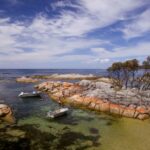
Safety Cove’s white sand and Crescent Bay’s dunes offer a striking contrast to the dark rock and open water. Cape Pillar and Tasman Island add to the wider view of the coast. On a clear day, the combination of high cliffs and open sea makes the outing feel larger than its short duration suggests.
At Cape Raoul, look for the tall dolerite columns and the way they form a series of steps down toward the sea. Australian fur seals may be seen resting around the cliffs. Dolphins have also been spotted on some trips, and a whale sighting is possible, but wildlife is unpredictable. Book for the coast first. Let animals be an extra, not the measure of whether the trip was worthwhile.
What 90 minutes can and cannot do
A 90-minute cruise is a good fit if you want a focused look at the peninsula from the water without setting aside most of a day. The compact timing also makes it easier to plan a visit to Port Arthur Historic Site before or after the boat, depending on your departure.
The trade-off is that the cruise is not an extended offshore expedition. If you hope to spend hours at sea or cover a broader area, this may feel brief. One visitor found the rock formations and seals less surprising than expected, while others valued the scenery and felt the duration was just right. That difference comes down to expectations: this is a short coastal circuit, not a guaranteed wildlife safari.
The boat ride itself is part of the experience. When the Tasman Sea is rough, waves can make the trip physically demanding. A few people may find the motion exciting; others may feel seasick or anxious. Conditions also affect what you can see. A rainy, cloudy day can obscure the scenery, while strong swell may lead the operator to alter the route or cancel.
Wildlife is never on a timetable
The most reliable reason to book is the coast. Seals are a common hope, but no animal sighting is guaranteed. Dolphins have appeared on some trips, and one outing may produce several sightings while another offers none. Humpback whales and albatross have also been spotted, but they are not part of a promised wildlife schedule.
I would make the decision based on whether dramatic cliffs and sea views appeal to you even without animals. If your main goal is to see dolphins or whales, this short cruise carries uncertainty. If a seal appears beside the towering rock, take it as a bonus.
The crew provide English-speaking commentary and safety guidance. The captain and staff are also part of the practical experience: they can explain the sights, help passengers stay safe, and adjust the trip to conditions. No individual guide is named in the tour details, so there is no particular person to request.
The sea can change the whole mood
Weather is not a minor detail on this route. The boat operates in a remote coastal area, and wind, rain and heavy swell can affect comfort, visibility and the route. A clear day brings out the contrast between the pale beaches, dark cliffs and blue water. Under cloud and rain, the cliffs may be harder to see, and the cold wind can take the pleasure out of standing outside.
Dress for the day’s conditions, not just the forecast you saw when booking. Bring a camera, but keep it secure when the boat is moving. If you are prone to motion sickness, think carefully about whether a potentially rough ride is right for you. One particularly rough outing left some passengers feeling ill and unsettled, especially children and older adults.
The operator may vary or cancel a trip because of weather. If the operator cancels due to weather, a full refund is provided. That safeguard helps with the cost, but it cannot restore a day’s schedule, so avoid making the cruise the only fixed part of a tight itinerary.


Budget for the historic site as well
The cruise-only price is listed from US$98.50, while another starting figure is shown as $113.29. Prices can vary, so check the amount and currency at checkout. More important, cruise-only does not mean you can skip Port Arthur admission. Every person in your booking needs a Port Arthur Historic Site entry ticket to board.
You can buy the cruise with site entry from US$133.69, or choose a package with entry and a Hobart bus service from US$181.39. If you buy site admission separately, bring your ticket or proof of purchase to check-in. Otherwise, you may have to pay the entry fee on the day.
The value depends on how you plan to visit Port Arthur. If the historic site is already part of your day, the cruise adds a striking natural perspective without taking up several hours. If you are buying both tickets, compare the package price with separate admission before booking. The cruise may feel expensive for a 90-minute ride if the weather is poor or wildlife is your main goal. On a clear day, the cliffs and beaches make a stronger case for the fare.
There is free parking and toilet access at the Port Arthur Historic Site. The departure and return point is the site jetty, so plan to check in at the historic site before heading down to the boat.
Who should book the Cape Raoul cruise?
This trip suits you if you want dramatic coastal scenery, enjoy being on the water and have time to pair the cruise with Port Arthur. It is also a practical choice if you want to see Cape Raoul from below but do not want to commit to a longer boat outing.
Families can bring children, but passengers aged 0 to 16 must be accompanied by a paying adult, and infants and children must be included in the passenger count. Keep the possibility of rough seas in mind when deciding whether the ride will suit your group. Anyone who is uneasy on boats or sensitive to motion should be cautious.
I would book when the coastline itself is your reason for going, and when you can be flexible about weather. Choose another plan if calm water is essential, if you need guaranteed wildlife, or if the combined cost of cruise and site admission does not fit your budget. For a compact, sea-level look at one of Tasmania’s most striking stretches of coast, Cape Raoul is a worthwhile add-on to a Port Arthur visit.
Cape Raoul Cruise
“Super fun, very windy, very wavy, and very exciting! However, the crew members made sure everyone's safety was looked after. We got to see dolphins…”
FAQ
How long is the Cape Raoul cruise?
The detailed trip schedule describes a 90-minute cruise. The brief summary gives a one-hour duration, so use the selected departure and return times when planning your day.
Where does the boat leave from?
The boat departs from Port Arthur Historic Site Jetty on Jetty Road. Check in at the historic site before walking down to the jetty.
Do I need a Port Arthur Historic Site ticket?
Yes. Each person in your booking must have a Port Arthur Historic Site entry ticket to join the cruise. If you buy admission separately, bring the ticket or proof of purchase to check-in.
What departure times are available?
The listed departure times are 10:45 and 13:15. Return times are 12:15 and 14:45, depending on the departure and itinerary selected.
Will I see seals or dolphins?
Wildlife sightings are not guaranteed. Australian fur seals may be seen around Cape Raoul, and dolphins have appeared on some trips.
Can bad weather affect the cruise?
Yes. Weather and sea conditions can lead the operator to change or cancel a trip. If the operator cancels due to weather, a full refund is provided.
Are children allowed on the cruise?
Yes. Children aged 0 to 16 must be accompanied by a paying adult, and infants and children must be included in the passenger headcount. Children aged 17 and older are charged the adult rate.