Buyeo’s Baekje sites make a fine change of pace from Seoul’s busy streets. In one long day, you go from a recreated royal complex to an ancient stone pagoda, then board a traditional-style Hwangpo sailboat on the Baengma River. The tour follows the story of the Baekje Kingdom through places you can see and walk around, rather than asking you to piece together distant sites on your own.
I like two things especially: Baekje Cultural Land brings palace and temple architecture together in one stop, and the boat ride gives Nakhwaam a memorable river approach. Gungnamji adds a gentler finish, with lotus flowers and open paths around a broad pond.
The main trade-off is the distance. You leave Seoul at 7:30 a.m. and return around 7:30 p.m., so this is a full day with several stops and limited time at each. You’ll also need to budget separately for lunch and drinks.
- A full Baekje history day: Visit Sabi Palace, Neungsa Temple, a Baekje village, and Wiryeseong Fortress at Baekje Cultural Land.
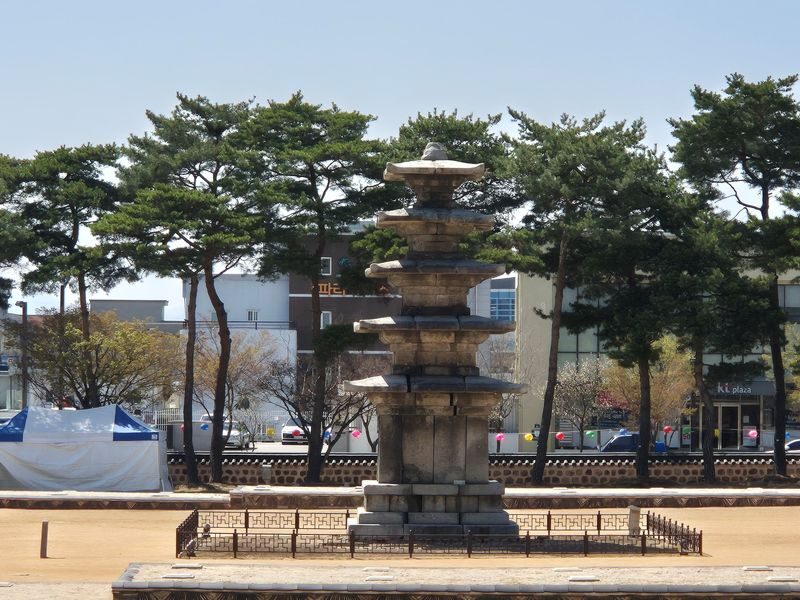
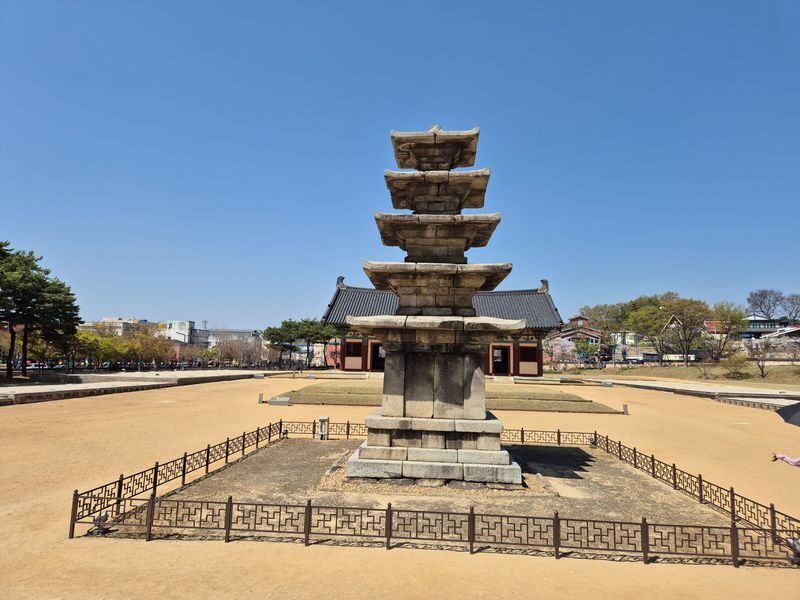
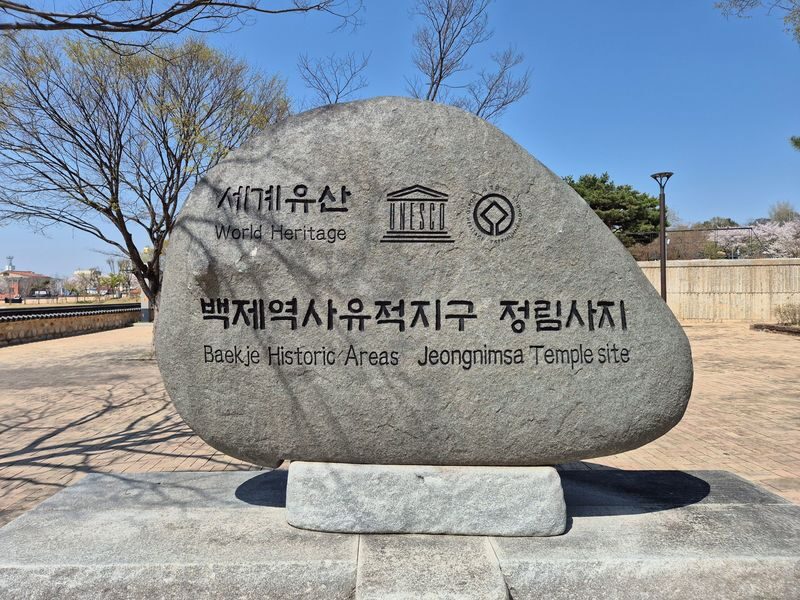
- A UNESCO-listed temple site: See Jeongnimsa’s five-story stone pagoda during a 45-minute self-guided stop.
- A river journey to Nakhwaam: Take a Hwangpo sailboat to the rock and old Goransa Temple.
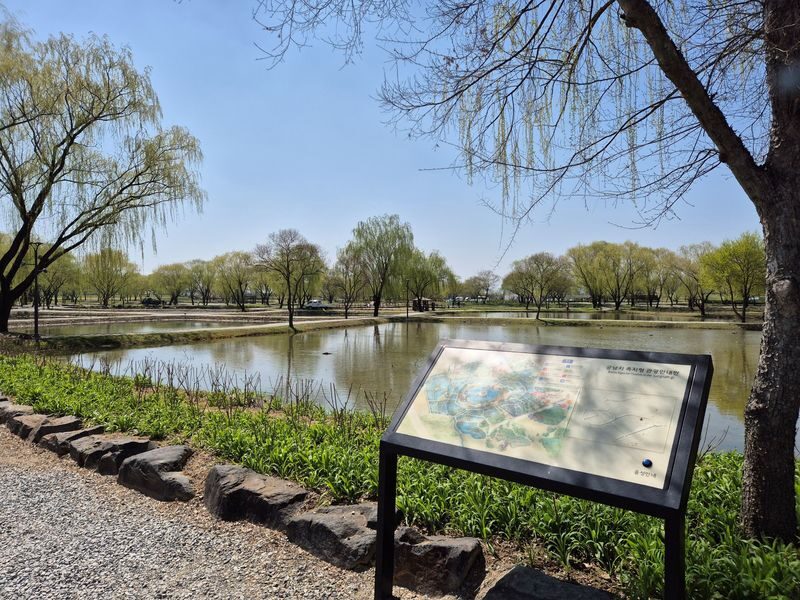
- Lotus season’s best photo stop: Walk around Gungnamji Pond, known for its lotus flowers.
- Useful inclusions: Round-trip transfers, attraction admission, and an English-speaking driver-guide are included; meals are not.
- From Seoul to Baekje country
- Palace halls, temple grounds, and a recreated Baekje village
- Jeongnimsa’s five-story pagoda
- A Hwangpo boat ride to Nakhwaam
- Lotus flowers at Gungnamji Pond
- What the price covers, and what it doesn’t
- Who will enjoy this day most
- Should you book the Buyeo Baekje tour?
- FAQ
- Where does the tour depart from?
- Where does the tour return?
- What is included in the tour price?
- Are meals included?
- Which places does the tour visit?
- Is the tour suitable for wheelchair users or families with strollers?
- What is the cancellation policy?
From Seoul to Baekje country
The day begins at 7:30 a.m. at Namsan Yejang parking lot, about a five-minute walk from Myeongdong Station Exit 1. Arrive at least 10 minutes early. The meeting area has tour buses and waiting passengers, so give yourself time to find the correct vehicle rather than trying to board at the last minute.
The drive south takes you away from Seoul for a day focused on Buyeo-gun and the former Baekje capital of Sabi. One account of the trip reached Buyeo around 9:15 a.m., while the planned visit to Baekje Cultural Land begins at 10. Traffic and weather can shift the day’s timing, so treat the schedule as a guide rather than a promise.
Round-trip transfers are part of the price, which is a real advantage for a day with several sites spread across the area. You won’t need to arrange separate transport or work out how to connect the river stop with the temples and pond. The vehicle can carry up to 40 passengers, excluding the driver, so expect a shared group outing rather than a private sightseeing day unless you choose the private-van option.
Palace halls, temple grounds, and a recreated Baekje village
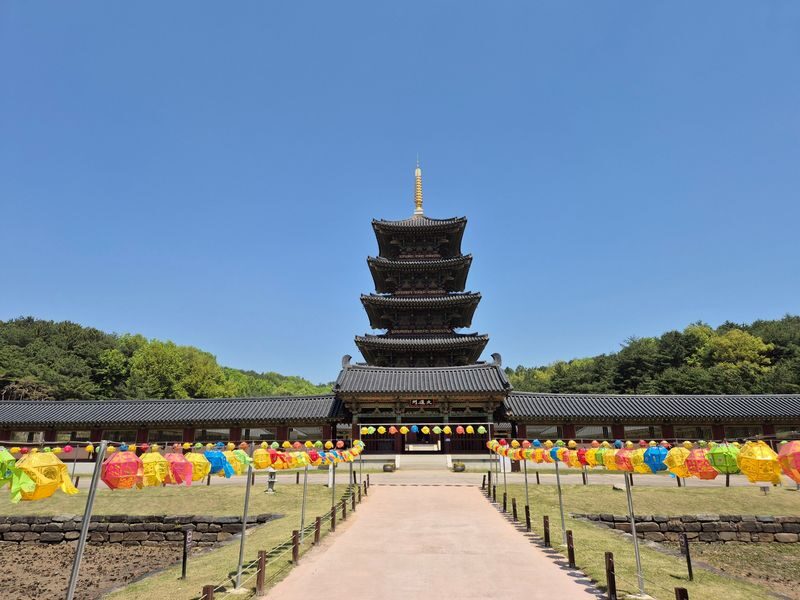
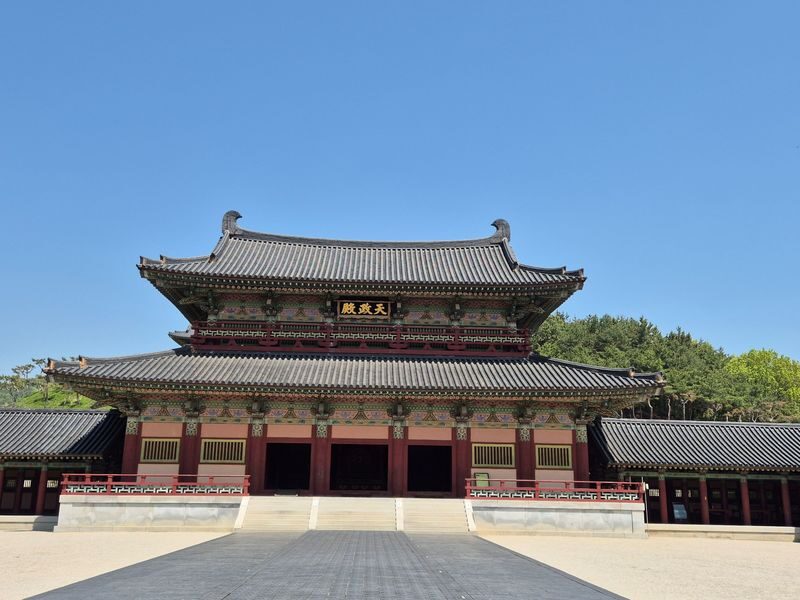
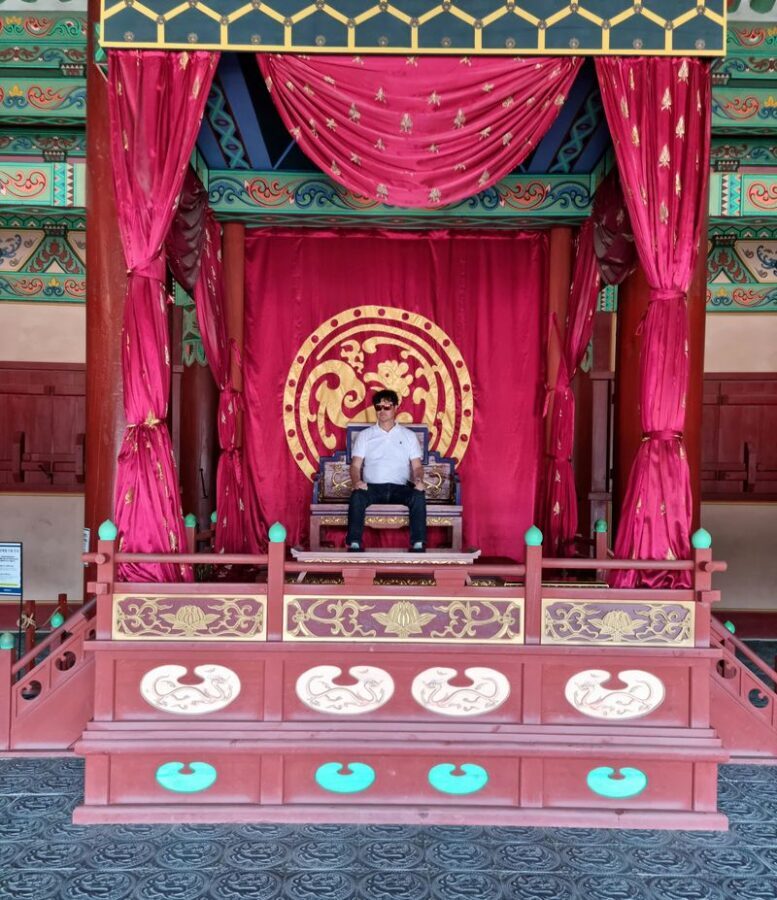
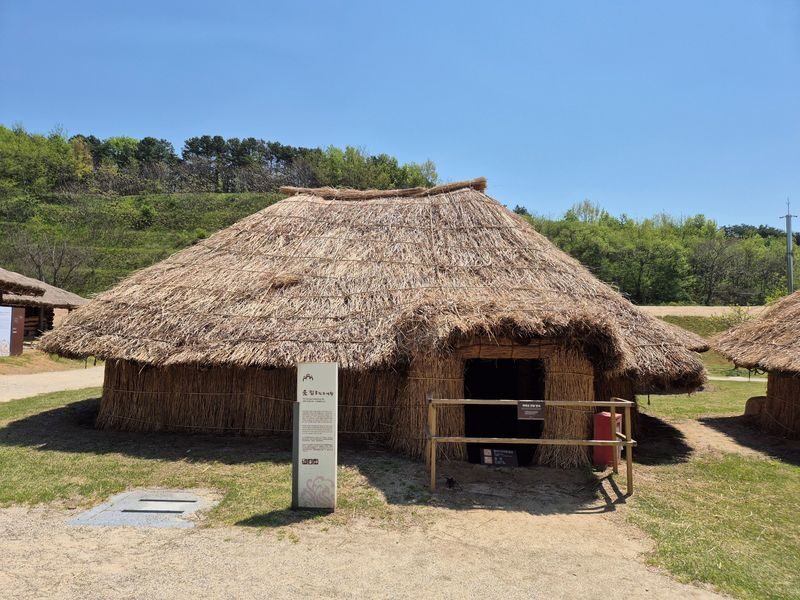
Baekje Cultural Land gets about an hour and a half. The complex brings together Sabi Palace, Neungsa Temple, a reconstructed Baekje village, and Wiryeseong Fortress. The point is to give you a visible sense of Baekje life, government, and religion roughly 1,500 years ago.
The palace and temple buildings are the main visual draw. Neungsa Temple is described as particularly large and imposing, while the fortress has been restored with reference to old written records. That makes this a useful first stop if you want architecture to help anchor the history. Instead of seeing one isolated relic, you can compare palace, religious, village, and defensive settings in one place.
This is a self-guided visit, so you’ll have some freedom to walk at your own pace, but the clock still matters. With several areas to see in 90 minutes, you may need to choose what interests you most rather than inspect every building closely. If you’re drawn to the temple or fortress, keep an eye on the time and agree on a return point with your guide.
Admission is included. The English-speaking driver-guide helps make the day workable, but the detailed sightseeing here is self-guided, so don’t expect a continuous lecture at every stop. The contrast between grand reconstructed buildings and the later, original stone pagoda at Jeongnimsa is part of what makes the day worthwhile.
Jeongnimsa’s five-story pagoda
The next stop is Jeongnimsa Temple Site, with about 45 minutes to see the remains and its five-story stone pagoda. The pagoda is the star: it is large, distinctive, and easy to appreciate even if you aren’t an expert in Buddhist architecture. The site is designated a UNESCO World Heritage site, adding context to a structure that might otherwise be just a striking photo stop.
This is another self-guided visit. Forty-five minutes is enough for a look around and time with the pagoda, but not a leisurely study of every detail. If you like photographing old stonework, this is a good place to slow down briefly and notice its scale and form rather than rushing straight to a picture.
Lunch is not included. There is time between the temple stop and the 2 p.m. river visit, and one account of the day included lunch nearby. Bring money for your meal and drinks, and don’t assume the tour price covers them. The schedule can vary, so check with your guide about the practical lunch window on the day.
A Hwangpo boat ride to Nakhwaam
At about 2 p.m., the group heads to Nakhwaam for a guided visit of roughly an hour and a half. The Hwangpo sailboat ride is a change from temple courtyards and paved paths. From the Baengma River, you approach Nakhwaam Rock and the old Goransa Temple, then return to the wharf.
The rock is tied to a sad story about the fall of the Baekje Kingdom: according to the tale, 3,000 of the king’s maids leapt from the cliff. The story adds a human note to the landscape, though it is best understood as a traditional account rather than a detail the tour can independently prove. Seen from the river, the site’s setting helps explain why it has remained part of Buyeo’s historical memory.
A past outing included about a 10-minute boat ride to the rock, followed by a roughly 10-minute walk up a mountain path to reach Nakhwaam. That gives you a practical sense of the visit: it is not only a boat cruise, and you should be prepared for some walking. The precise route and conditions can vary, so ask the guide if you have mobility concerns.
The guide leads this portion, which can help connect the river, rock, and temple into one story. A guide named Mr. Lee led one outing and was praised for his kindness and historical knowledge, but guide assignments may change. Don’t book on the assumption that you’ll have a particular person.
Lotus flowers at Gungnamji Pond
The final scheduled stop is Gungnamji Pond, with about an hour to look around. The broad pond is known for lotus flowers, and the setting offers a calmer end to a day packed with historic sites. White, red, and pink blooms can make it a rewarding photo stop when flowers are present.
The flowers are seasonal, so the exact display depends on your travel date. The tour information does not promise blooms on every departure. Even without a full spread of flowers, the pond remains a place to walk and take pictures, but if lotus blossoms are your main reason for booking, check conditions for your dates before you go.
This visit is self-guided. An hour gives you time to stroll and take photographs without needing a formal tour at every turn. It also means you’ll need to keep track of the departure time and return to the meeting point promptly.
The scheduled return to Myeongdong Station Exit 9 is around 7:30 p.m., near Hotel Skypark 3. Traffic or weather may affect the arrival time. If you have an evening reservation or a train to catch, leave a generous buffer.
What the price covers, and what it doesn’t
The tour is listed from $148.79, while the standard package is also shown from $152.20. Prices can vary by package and booking details, so check the total shown for your chosen date before paying. A private-van option is listed from $804.29, a substantial jump that may make sense for a group seeking its own vehicle, but not for someone mainly looking for a lower-cost way to visit Buyeo.
The standard price includes admission to the attractions, round-trip transfers, and an English-speaking professional driver-guide. That bundle is useful because it removes separate admission and transport planning from a long day trip. You pay extra for meals, beverages, personal purchases, and tips.
Value depends on what you want from the day. If you’re interested in Baekje history and want to see several sites without arranging transport yourself, the package offers a practical route. If you prefer long, unhurried visits or want to spend much of the day at one temple, the fixed schedule may feel brisk. The self-guided stops offer some independence, but they don’t turn the day into a fully flexible private tour.
Who will enjoy this day most
I’d recommend this trip to anyone based in Seoul who wants a focused introduction to Baekje sites beyond the capital. The mix works well: recreated architecture at Baekje Cultural Land, an original stone pagoda, a river outing, and a pond walk. Each stop feels different, which helps a full day pass without becoming one long sequence of ruins.
It is also a good choice if you’d rather not coordinate regional transport or admissions yourself. The tour’s guide-led river portion and English-speaking driver-guide provide helpful structure, while the self-guided visits leave room to explore at your own pace.
The day is less suited to anyone who dislikes early starts, long coach outings, or a schedule that can change with traffic. There is walking at the sites, and the Nakhwaam visit may include a short uphill path. The tour is marked stroller- and wheelchair-accessible, but child seats are not available; if the path or boat access matters for your needs, check with the operator before booking.
Children aged 0 to 3 are free. Pets are prohibited. Bring sunscreen, sunglasses, a hat or cap, water, and valid identification. The supplied guidance also calls for a passport with at least six months of validity. There is no luggage storage or delivery service, so travel light.
Should you book the Buyeo Baekje tour?
Book it if you want a well-organized, one-day introduction to Baekje history and are happy to trade free-ranging time for a convenient route from Seoul. The pagoda, the Hwangpo boat ride, and Gungnamji’s lotus pond give the day a good variety, while included admission and transport simplify the logistics.
Skip it if you need a slow pace, want to choose your own lunch and stop lengths without a timetable, or are booking chiefly for lotus flowers outside their bloom period. For most history-minded visitors with a full day to spare, this is a sensible way to see Buyeo without turning the transport puzzle into the main event.
Buyeo Baekje Kingdom One Day Tour
“It departed from Seoul at 7:30 and arrived in Buyeo at 9:15. The first place I went was to the Baekje Cultural Tourism Complex and saw the splendid…”
FAQ
Where does the tour depart from?
It departs from Namsan Yejang parking lot, about a five-minute walk from Myeongdong Station Exit 1. Arrive 10 minutes before the 7:30 a.m. departure.
Where does the tour return?
The scheduled return is around 7:30 p.m. at Myeongdong Station Exit 9, near Hotel Skypark 3. Traffic and weather can affect the schedule.
What is included in the tour price?
Admission to attractions, round-trip transfers, and an English-speaking professional driver-guide are included.
Are meals included?
No. Meals and beverages are not included, and you should budget separately for lunch and drinks.
Which places does the tour visit?
The route includes Baekje Cultural Land, Jeongnimsa Temple Site, Nakhwaam and Goransa Temple, and Gungnamji Pond.
Is the tour suitable for wheelchair users or families with strollers?
The activity is listed as wheelchair- and stroller-accessible. Child seats are not available. The Nakhwaam visit may involve a short path uphill, so confirm with the operator if you need details about access at that stop.
What is the cancellation policy?
You can receive a full refund if you cancel at least 24 hours before the activity date, using the destination’s local time. No refund is provided for late arrivals or no-shows, and participants who are 10 minutes or more late are not eligible for a refund.