Binondo Food Wok makes a neighborhood’s history easier to grasp by putting it on the table. Over roughly two hours, you walk through Manila’s Chinatown, taste Chinese-Filipino dishes, and hear how the community’s story connects to the food and streets around you.
I like two things in particular: the guided food tastings, which give you a broad sample of local specialties, and the personal stories from guides with ties to the neighborhood. Guides Ivan and Anson have both led tours, sharing food and cultural history along the way.
One caution: the advertised meeting details are not entirely consistent, and a tour described as private may be combined with other groups. Confirm where and when to meet before setting out, especially since traffic can make reaching Binondo slow.
- At a glance
- Binondo’s story, told over lunch
- What the walk and meal are like
- A menu that covers more than dumplings
- Landmarks add context between bites
- Does the price make sense?
- Booking, meeting up, and group expectations
- Who will get the most from Binondo Food Wok?
- Should you book it?
- FAQ
- How long does Binondo Food Wok take?
- What foods are included?
- Is the tour suitable for vegetarians?
- Where do I meet the guide?
- Is the tour private?
- What should I bring?
- The Best Of Manila!
- More Food & Drink Experiences in Manila
- More Tours in Manila
- More Tour Reviews in Manila
- Not for you? Here's more nearby things to do in Manila we have reviewed
At a glance
 1 / 3
 2 / 3
 3 / 3
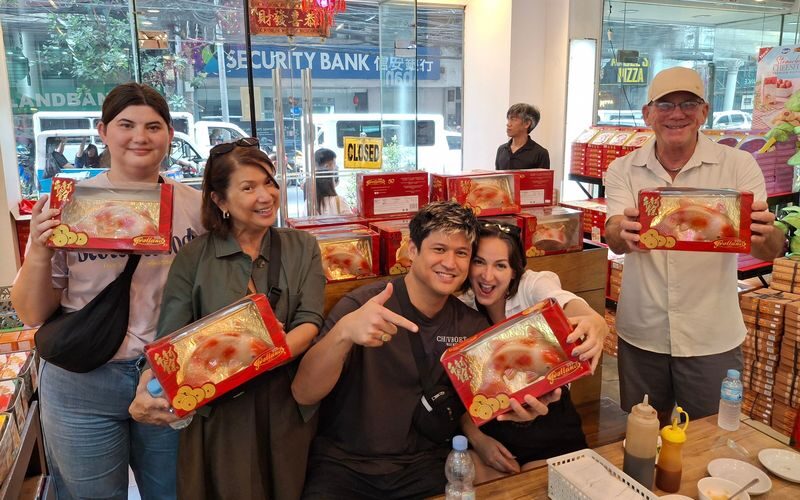
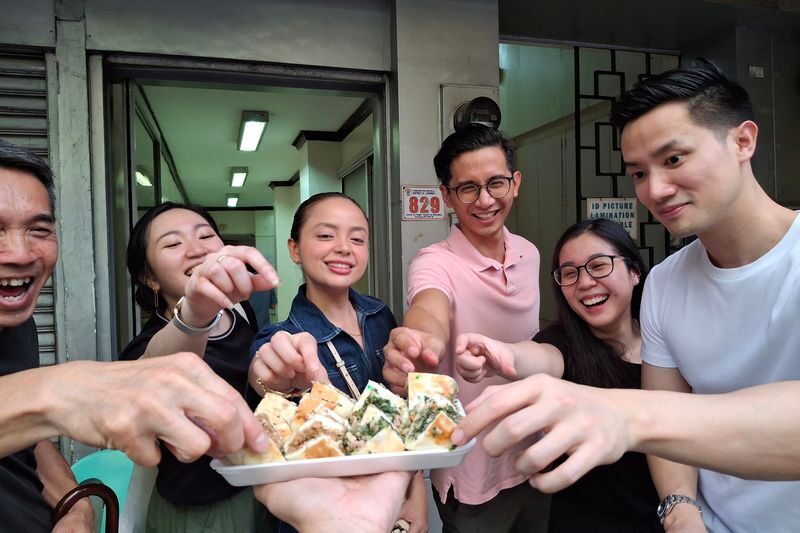
- A tasting menu with range: Expect dishes such as lumpia, pancit, tofu, dumplings, empanada, hopia, and meatball soup.
- Stories with local roots: The guide connects Tsinoy, or Chinese-Filipino, heritage with everyday food and neighborhood life.
- A walking tour, not a seated meal: The route is about half indoors and half outdoors, with some walking on crowded streets.
- Allow room for a full meal: Portions can be substantial, and some stops serve hearty food rather than tiny samples.
- A modest group-size caveat: The tour requires at least six participants and may be combined with other bookings.
- Price needs a close look: Package options are listed from US$34.89, while the experience summary gives a starting price of US$40.10.
👉 See our pick of the 8 Best Historical Tours In Manila
Binondo’s story, told over lunch
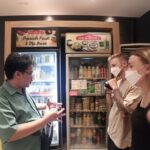
Binondo is often described as the world’s oldest Chinatown, and this tour takes a down-to-earth approach to its long history: you learn as you walk and eat. Rather than asking you to absorb a string of dates and names, the guide uses dishes, businesses, and street landmarks to explain the Chinese-Filipino community, often called Tsinoy.
That format is a good fit if you enjoy history but prefer it tied to real life. A story about a dish or a neighborhood custom is easier to remember when you’ve just tasted the food. The tour also has a social, informal tone, with humor and conversation part of the pitch.
Guides named in the tour’s history include Ivan and Anson. Ivan has led groups through the food stops while explaining the area’s history; Anson has also guided Chinese-speaking participants. The tour is offered in English, with Tagalog and Mandarin options available. If language matters to your booking, check that your preferred option is confirmed.
You can also read our reviews of more food & drink experiences in Manila
What the walk and meal are like
Plan for around two hours, but leave a little slack in your day. One past outing took about two and a half hours, and weather or other conditions can change the program. The route is described as leisurely and roughly split between outdoor and indoor time, so you get some street-level exposure without having to keep a fast pace.
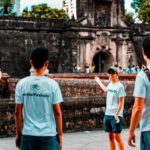
The walk is part of the point. Binondo’s streets and food shops are the setting for the meal, and you’ll pass notable places such as Plaza Calderon dela Barca, Basilica de San Lorenzo Ruiz, and Ongpin Street. The precise order of stops can change, so treat those as landmarks you may see rather than a guaranteed stop-by-stop route.
The walking is manageable for many people, but tight spaces and crowded areas can be awkward for wheelchairs and strollers. Comfortable shoes are a sensible choice. Bring a hat or umbrella as well, since part of the tour is outdoors and weather can affect the program.
A menu that covers more than dumplings
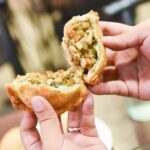
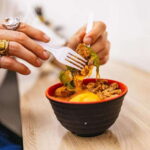
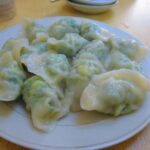
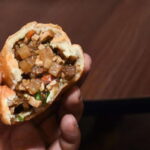
The sample menu gives you a useful sense of the food’s range. It includes lumpia, pancit, tofu, empanada, dumplings, fried pancakes, hopia, kiampong with meatball soup, fried siopao, and champoy. You’ll find savory dishes alongside sweet or snack-like items, so this is not simply a dumpling crawl.
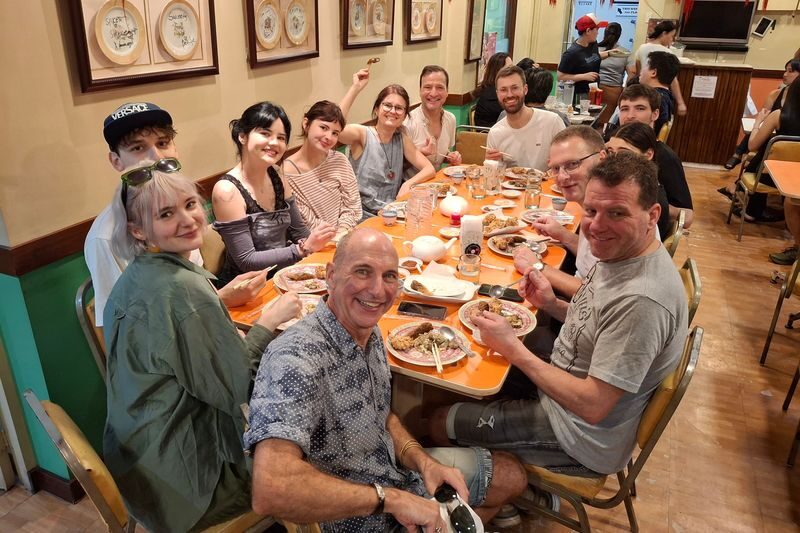
Some stops offer a small taste, while others serve more substantial portions. People have come away full, with one past participant describing the food as close to all-you-can-eat. That is a useful clue about how much food may be served, but don’t count on unlimited portions: the stated offering is a tasting menu, and portions can vary by stop.
The selection also gives the guide plenty to talk about. You get to compare different foods and hear how Chinese and Filipino traditions meet in the neighborhood’s cooking. That makes the tour especially useful if you’re new to local food and want more context than you’d get by choosing dishes at random.
Tell the organizer about dietary restrictions when booking. The listed menu can include vegetables, pork, chicken, seafood, nuts, wheat, and soy, and selected vegetarian concessions are available. That does not guarantee every restriction can be accommodated, so be clear about what you can and cannot eat. Drinks and anything you buy along the way cost extra.
Landmarks add context between bites
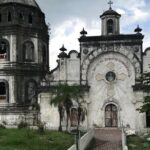
Binondo Church is the stated return point, and the tour also names the Basilica de San Lorenzo Ruiz, Plaza Calderon dela Barca, and Ongpin Street among its landmarks. These give the walk a sense of place: you’re not just moving from one snack to the next, but seeing part of the neighborhood where its food culture has taken shape.
The tour’s central strength is the link between place and plate. The guide can explain why a food is part of local life, then point you toward the street or community context around it. If you want a detailed architectural or historical tour, this may not go far enough on those subjects. One past participant wanted more focus on the history of the places and dishes. Think of the format as a food-led introduction, not a long lecture or a full walking tour of every landmark.
Does the price make sense?
The package options are shown from US$34.89 for both weekday and weekend or holiday tours, while the overall experience summary lists a starting price of US$40.10. Since those figures differ, check the final price for your date and package before paying.
To judge value, consider what you’re getting: a local guide, a planned route, several tastings, and food stories that help make sense of Binondo. If you would otherwise spend time deciding where to eat and what to order, the tour’s structure can be worth paying for. The portions can be generous, too, which adds practical value if the stops amount to a substantial meal.
On the other hand, the route has been described as visiting about five shops, with some stops offering just a sample and a couple serving a fuller meal. If you mainly want a long meal at a single restaurant, or you’re confident choosing food on your own, the price may feel high for the number of stops. Drinks and shopping purchases are extra, so budget for those separately if they’re part of your plan.
You can also read our reviews of more tours and experiences in Manila
Booking, meeting up, and group expectations
The meeting information deserves a check before tour day. One instruction gives a 9:20 meet-up at the Ramada by Wyndham Manila Central, ten minutes before the start. Other details name Binondo Church as the departure or return point and say the start time is confirmed after booking. Because those details do not line up neatly, contact the provider to verify your exact meeting place and time rather than guessing.
Traffic is another reason to leave plenty of time. Reaching Binondo can take longer than expected, and a missed start would be a frustrating way to begin a food tour. Confirmation is expected within 24 hours of booking; if it does not arrive, contact customer support.
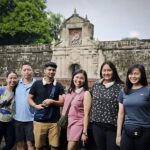
Although the tour is described as private, the terms also say tours are not exclusive and that other participants may join. A minimum of six participants is required. If that number is not reached, you can choose another date or request a full refund. If you’re booking for a small group and exclusivity matters, clarify the arrangement before you commit.
The experience is open to all ages and is described as senior-friendly and leisurely paced. Still, the tight shop spaces and street conditions may make it a poor match for some wheelchair users or families with strollers. The voucher is for the date and time booked, and you present it on your phone.
Who will get the most from Binondo Food Wok?
I’d look at this tour if you want a first taste of Binondo with someone else handling the route and explaining what’s on your plate. It works well for curious eaters, visitors interested in Tsinoy culture, and people who enjoy walking between small food stops rather than sitting down for one long meal.
It can also be a good choice for balikbayans or local residents who want a fresh angle on a familiar district. The food is the main event, but the guide’s neighborhood stories give you something beyond a checklist of dishes. If you’re an avid history buff, ask how much time the guide can spend on the landmarks and community history, since the emphasis is firmly on food.
I would pause if you need a guaranteed private group, have strict dietary requirements, or find narrow, crowded spaces difficult. Those are not small details here: the group arrangement may vary, the menu includes several common allergens, and the tour involves walking through a busy neighborhood.
Should you book it?
Book Binondo Food Wok if you want a guided introduction to Chinatown’s food and Chinese-Filipino heritage, and you’re happy to trade a little control over the menu for a local guide and a ready-made route. The tastings can add up to a filling meal, and the stories give the neighborhood more meaning than a quick restaurant stop.
Before booking, confirm the price, language, meeting point, and group arrangement. If those details suit you, this is a practical way to eat your way through Binondo while learning where its food and community fit into Manila’s story.
Binondo Food Wok: Eat Your Way Through Manila Chinatown!
“the food was amazing and it was pretty much all-you-can-eat. be prepared for a little bit of walking. i wouldn't recommend wheelchairs and stroller…”
FAQ
How long does Binondo Food Wok take?
The tour is described as roughly two hours. Some outings have taken around two and a half hours, and weather or other conditions may affect the schedule.
What foods are included?
The sample menu includes lumpia, pancit, tofu, empanada, dumplings, fried pancakes, hopia, kiampong with meatball soup, fried siopao, and champoy. The exact program may change.
Is the tour suitable for vegetarians?
Selected vegetarian concessions are available. Tell the organizer about your dietary restrictions when booking, and confirm that the available options suit your needs.
Where do I meet the guide?
The details give a 9:20 meet-up at the Ramada by Wyndham Manila Central, but also name Binondo Church as a departure or return point. Confirm your exact meeting place and time before the tour.
Is the tour private?
It is described as a private tour, but the terms also say that other participants may join. Contact the provider if you need to know whether your booking will be exclusive.
What should I bring?
Wear comfortable footwear and bring a hat or umbrella. The tour is about half outdoors, and the program may change with the weather.