Asahiyama Zoo’s close-up animal displays are the main event on this long day from Sapporo, but the route also takes in Farm Tomita, Biei’s Blue Pond, and a view of Patchwork Road. I like the contrast: flower fields and a striking pond in summer, then the zoo’s snow-season penguin walk as a possible winter highlight.
I also like that zoo admission and round-trip transport are included, which makes a distant attraction easier to reach without arranging your own connections. The main drawback is the tight schedule: you get about two hours at the zoo, and traffic can cut into time at the stops. The tour’s winter details also refer to Bibai Snow Land, so check what your selected date and package actually include before booking.
At a glance
- Farm Tomita’s lavender has a short peak: Fields begin coloring in late June, with the best chance of peak bloom from mid to late July.
- Blue Pond is a quick stop: You have about 30 minutes, and traffic may prompt a swap to Hokusei-no-oka Observatory.
- Asahiyama Zoo gets two hours: Admission is included, but lunch is not.
- The bus leaves Sapporo at 7:35 AM: Arrive 10 minutes early; late arrivals are not waited for.
- Winter penguins are not guaranteed: The parade runs only in snowy conditions and depends on the penguins’ condition.
- The base service is Japanese: Translation software is available for other languages, but don’t assume an English-speaking guide on every departure.
- At a glance
- A long Hokkaido day, with the zoo at its heart
- Farm Tomita’s flowers depend on the calendar
- Blue Pond’s color is a brief, memorable stop
- Asahiyama Zoo rewards a plan
- Check what the winter version includes
- The value comes from transport and convenience
- Who should book this Sapporo day trip?
- FAQ
- How long is the tour?
- Where does the tour depart from?
- Is Asahiyama Zoo admission included?
- Is lunch included?
- How much time do I get at Asahiyama Zoo?
- When does Farm Tomita’s lavender bloom?
- Can I count on seeing the penguin walk?
- What happens if traffic prevents a stop at Blue Pond?
- What language is the tour service in?
- Is Bibai Snow Land included in the winter tour?
- More Zoos in Asahikawa
- More Tours in Asahikawa
- More Tour Reviews in Asahikawa
- Not for you? Here's more nearby things to do in Asahikawa we have reviewed
A long Hokkaido day, with the zoo at its heart
 1 / 7
 2 / 7
 3 / 7
 4 / 7
 5 / 7
 6 / 7
 7 / 7
This is a full-day coach outing from Sapporo to central Hokkaido, with several scenic stops before you reach Asahiyama Zoo. The listed price starts at $82.09 for a 10.5-hour trip. Since zoo admission and round-trip transfers are included, the fare can be good value if you want to see these far-flung sights without planning several connections yourself.
The trade-off is that you are spending much of the day on the road. The schedule begins at 7:35 AM and returns to JR Sapporo Station’s North Exit at about 6:00 PM. You’ll have a 15-minute break at Iwamizawa Service Area, then another 15-minute stop at Sunagawa on the return journey. Those breaks are useful, but they don’t change the fact that this is an early start and a long ride.
A Japanese-speaking staff member is listed for the bus, but the tour does not promise a guide who accompanies you at every stop. Translation software may be used for languages other than Japanese. Some winter departures have had guides named Jessica, Vivian or Vivien, and Yuka, with guests praising their helpfulness and clear explanations. Treat those names as examples from past departures, not a guarantee of who will lead yours.
You can also read our reviews of more tours and experiences in Asahikawa


Farm Tomita’s flowers depend on the calendar
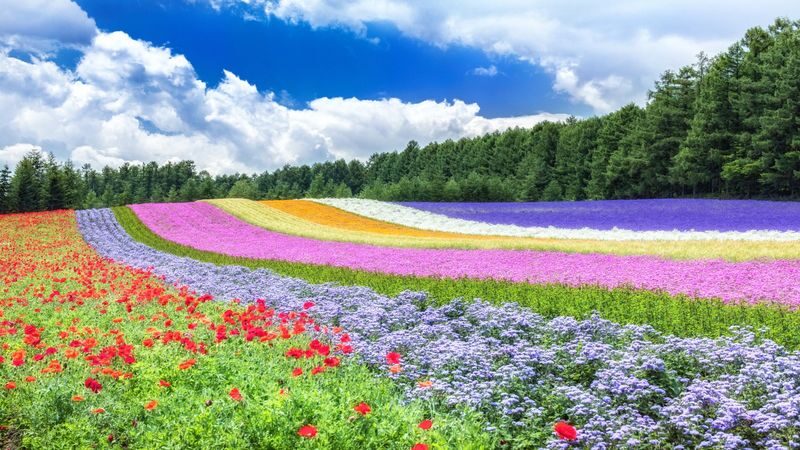
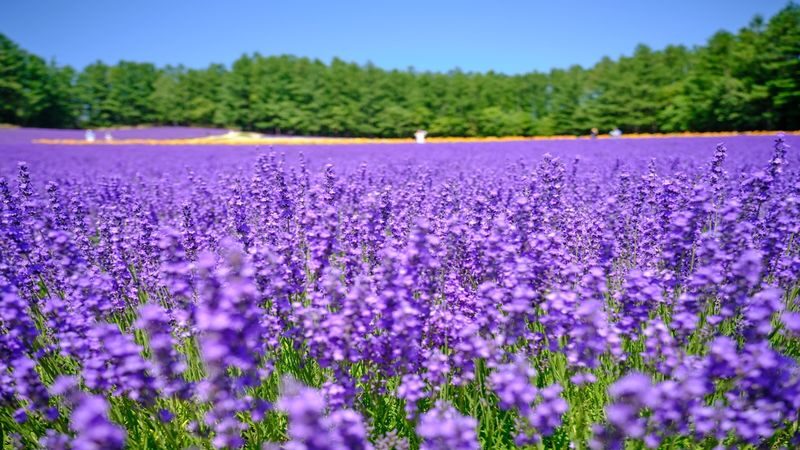
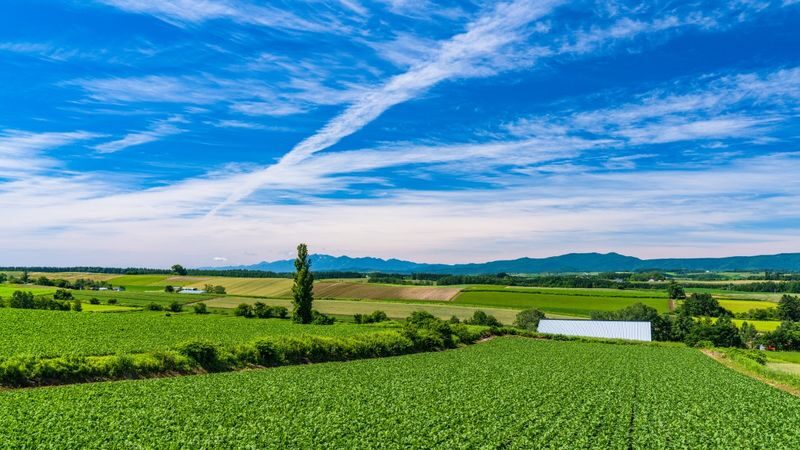
The first major stop is Farm Tomita, where you get about 50 minutes to walk among the flower fields. It’s a short visit, so use the time for a focused stroll and photos rather than expecting to explore every part of the grounds at leisure.
Timing matters here. Lavender starts to color in late June, usually reaches its peak from mid to late July, and is harvested from early August. If lavender is your main reason for coming, mid to late July gives you the best chance of seeing the fields in their famed purple hues, though flowering can shift with the weather and from year to year.
There’s more than lavender to look for. The layered Irodori Field is a recommended photo stop, and the mix of flowers changes with the season. Outside peak lavender time, the visit may still offer colorful planting, but don’t book on the assumption that you’ll see a hillside at full bloom. Check current flowering conditions before your trip.
Blue Pond’s color is a brief, memorable stop
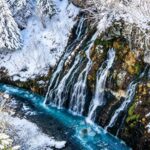
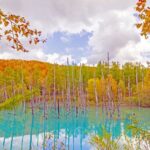
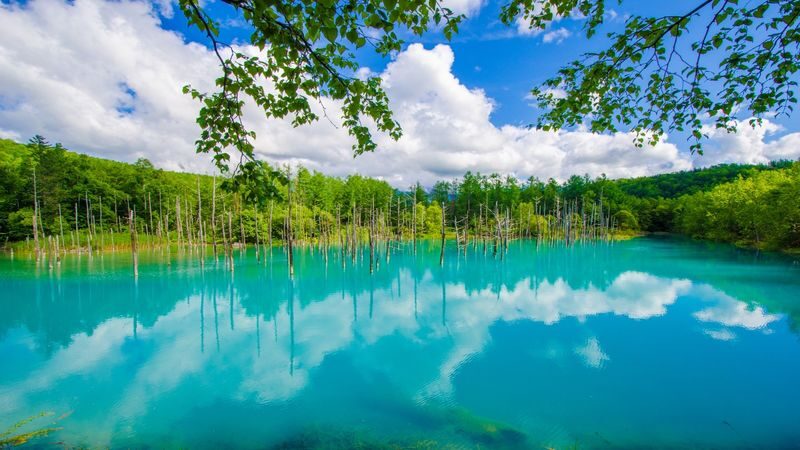
At Shirogane Blue Pond, you’ll have around 30 minutes to see the cobalt-colored water and the pale, dead larch trees standing in it. The pond’s color comes from aluminum-containing water reflecting sunlight. The effect changes with the season and conditions, which is part of the appeal, but the short stop leaves little room to linger.
Peak-season traffic is a real scheduling factor. If congestion makes the pond difficult to reach on time, the bus may instead visit Hokusei-no-oka Observatory. That is a practical way to keep the day moving, but it means Blue Pond is not guaranteed on a crowded day. If seeing it is essential, consider visiting separately rather than relying on a tightly timed group itinerary.
After the pond, Patchwork Road is viewed from the bus window. You’ll get a passing look at Biei’s patchwork of fields, not a separate walking stop. Keep your camera ready, but don’t count on time to get out and explore the area.
Asahiyama Zoo rewards a plan
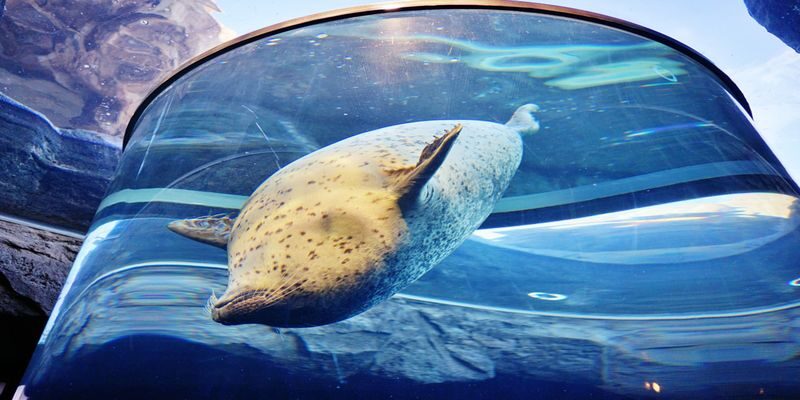
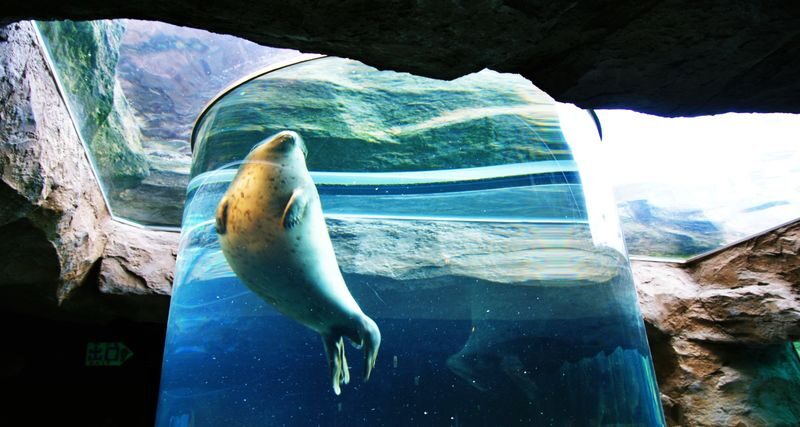
The zoo is the longest stop, with two hours of self-guided time. Its behavioral exhibits are designed to show animals moving, swimming, jumping and hunting in settings intended to bring you closer to their natural behavior. That focus makes the zoo more than a quick roll call of species: you’re there to watch how animals move and respond, not just tick off enclosures.
Two hours is enough to see some highlights, but it is not generous if you want to cover the entire zoo at an unhurried pace. The grounds can be busy, and getting oriented takes time. Before leaving the bus, decide which animals or exhibits matter most to you, and note the return time. If you spend the first half hour finding your way, the rest of the visit can feel hurried.
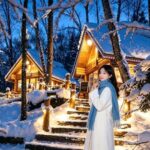
The setting changes markedly with the season. In summer, the zoo is surrounded by green and has a milder feel than Hokkaido’s winter conditions. In winter, the penguin walk can be a special sight, but it takes place only when there is enough snow. The event has been held in previous years from late December to mid-March, though exact dates vary, and the penguins’ condition can also affect whether it happens on a given day.
Don’t make the penguin walk your only reason to book. Snow, road conditions, and the group’s arrival time all matter, and a delay can mean missing it. If seeing the parade is your top priority, a separate visit gives you more control over timing. The tour’s road and weather warnings are especially important in winter, when delays can affect both arrival and time inside the zoo.
Lunch is on your own at the zoo. With a short visit, it makes sense to decide in advance whether you want to eat first or use the time for exhibits, rather than leaving both decisions until you arrive. Meals and drinks are not included, so bring cash and budget for food and any personal purchases.
Check what the winter version includes
The timed route described for this experience includes Farm Tomita, Blue Pond, Patchwork Road from the bus, and Asahiyama Zoo. Separate winter information refers to Bibai Snow Land, snow activities and a winter itinerary, and winter departures appear in the available package details. But Bibai Snow Land is not listed among the timed stops in the route above.
That mismatch matters if you’re booking for winter. Do not assume snowland activities are part of your chosen departure just because they appear in the general information. Check the exact date and package description before paying, especially if you want to ride a mini snowmobile or take part in another activity. Some snowland activities may cost extra even when other activities are covered by an admission ticket.
The same care applies to language. The basic tour information specifies Japanese service and mentions translation software, while some winter departures have had guides who could speak multiple languages. Your selected package may differ, so check what support is promised rather than relying on a guide’s language skills from another date.


The value comes from transport and convenience
At a starting price of $82.09, the tour is most appealing if you want one booking to connect several sights that are spread across Hokkaido. Zoo admission and the bus ride are included, and you avoid arranging separate transport to Farm Tomita, Biei and Asahiyama. For a one-day visit from Sapporo, that convenience has real value.
You are paying for coverage, not long visits at every stop. Farm Tomita gets 50 minutes, Blue Pond 30 minutes, and the zoo two hours. The coach also needs to cover a substantial route, and weekend or holiday traffic can change the timing. A private plan or separate visits may offer more freedom, but it also means handling the transport yourself.
The tour allows one suitcase per person, up to 30 kg, with each piece no larger than 155 cm in combined depth, height and width. Valuables should stay with you rather than in the bus trunk. Infants aged 0 to 2 can ride free if they do not need their own seat; a separate seat requires the adult fare.
Arrive at the Sapporo meeting point at least 10 minutes before departure and look for the WonderTour flag. The bus leaves at 7:45 AM after the 7:35 gathering time, and no wait or refund is provided for late arrivals. If you have a train or flight after the tour, leave a generous buffer: traffic or weather can delay the return, and onward connections are not guaranteed.
Who should book this Sapporo day trip?
I’d choose this tour if you have one day to see the zoo and several well-known Hokkaido sights, value having transport arranged, and are comfortable with a fixed schedule. It can also suit families who want a straightforward day out, though the early start, long bus ride and limited zoo time are worth weighing with young children.
I’d look elsewhere if you want a slow visit, need a particular language guaranteed, or are booking chiefly for the penguin parade. For summer, the best fit is someone who can travel around lavender season but is willing to accept that blooms vary. For winter, confirm the exact stops and snowland inclusions before booking. This can be a useful way to cover a lot in one day, but it works best when you treat the timetable as a framework that weather and traffic may change.
Asahiyama Zoo & Furano Biei Blue Pond Tour
“The driver is friendly and helpful. The entire trip is worry-free, comfortable.”
FAQ
How long is the tour?
The day runs from about 7:35 AM to 6:00 PM, or roughly 10.5 hours. Traffic and weather may affect the schedule and return time.
Where does the tour depart from?
It meets at JR Sapporo Station’s North Exit. Arrive 10 minutes early and look for the WonderTour flag.
Is Asahiyama Zoo admission included?
Yes. Admission to Asahiyama Zoo is included, along with round-trip transfers from the meeting point.
Is lunch included?
No. You arrange and pay for your own lunch at Asahiyama Zoo.
How much time do I get at Asahiyama Zoo?
The planned visit is about two hours. It is self-guided, so it helps to decide which exhibits you most want to see.
When does Farm Tomita’s lavender bloom?
Lavender starts coloring in late June, usually peaks from mid to late July, and harvesting begins in early August. Flowering conditions can vary by year.
Can I count on seeing the penguin walk?
No. The walk is held only during snowy periods, and its timing depends on snow and the penguins’ condition. It has taken place in previous years from late December to mid-March.
What happens if traffic prevents a stop at Blue Pond?
During peak-season congestion, the itinerary may be adjusted to visit Hokusei-no-oka Observatory instead.
What language is the tour service in?
The tour information specifies Japanese-speaking staff on the bus and says translation software may be used for other languages. Check your selected package for any additional language service.
Is Bibai Snow Land included in the winter tour?
The winter information mentions Bibai Snow Land, but it is not among the timed stops in the route described here. Confirm the exact stops and inclusions for your selected date and package.