The starkest part of Tallinn’s KGB Prison Cells is the contrast between the elegant Art Nouveau building and its grim purpose: holding and interrogating people the Soviet state regarded as enemies. This is a compact, sobering visit, not a large museum. I like that it puts Estonia’s occupation history in a tangible setting, and that the displays include stories of resistance as well as repression.
I also like the clear English explanations and the freedom to move through the exhibition at your own pace. The main consideration is its limited scale: the cells and text panels may not fill a long museum visit, and there is no guide to add detail or answer questions.
- The building sets the tone: Pagari 1’s Art Nouveau design contrasts sharply with its use as a KGB detention facility.
- The cells are the heart of the visit: You see the prison rooms themselves, not just an account of what happened there.
- The exhibition is self-guided: Admission does not include a tour guide, so you set the pace and rely on the displays.
- Resistance is part of the story: The museum addresses both human rights abuses and the courage of people who resisted Soviet control.
- Plan for stairs: The KGB Prison Cells are only reachable by stairs, even though the activity is listed as stroller-friendly.
- Keep your expectations measured: It is a small, text-led exhibition, best suited to a focused stop rather than a lengthy museum outing.
- Pagari 1: An elegant building with a grim purpose
- Inside the cells: the physical evidence matters
- A self-guided visit, with English explanations
- How much time to set aside
- Price and what the ticket buys
- Practical details before you go
- Who will find this visit worthwhile
- Should you book the KGB Prison Cells?
- FAQ
- Where are the KGB Prison Cells?
- What does admission include?
- Are visits guided?
- What are the opening hours?
- Is the museum open on public holidays?
- Can I take photographs?
- Are lockers available?
- Can I bring a stroller?
- Do children, students, or pensioners receive free or reduced admission?
- The Best Of Tallinn!
- More Tours in Tallinn
- More Tour Reviews in Tallinn
- Not for you? Here's more nearby things to do in Tallinn we have reviewed
Pagari 1: An elegant building with a grim purpose
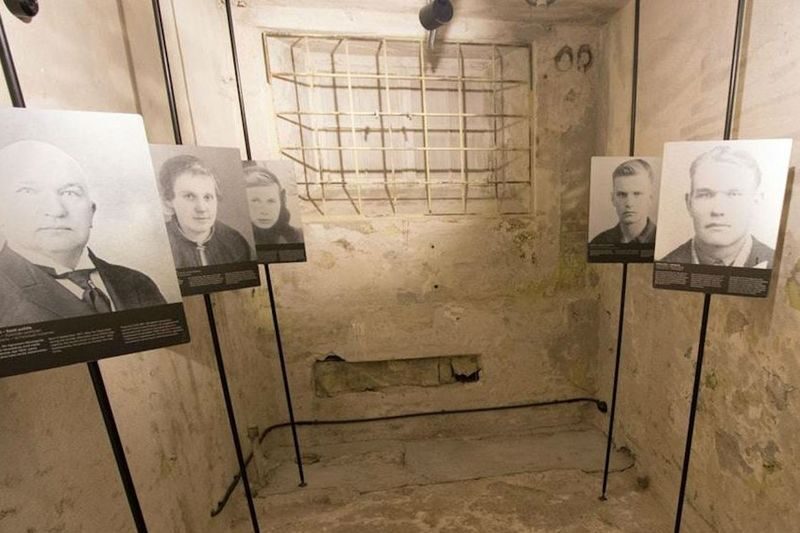
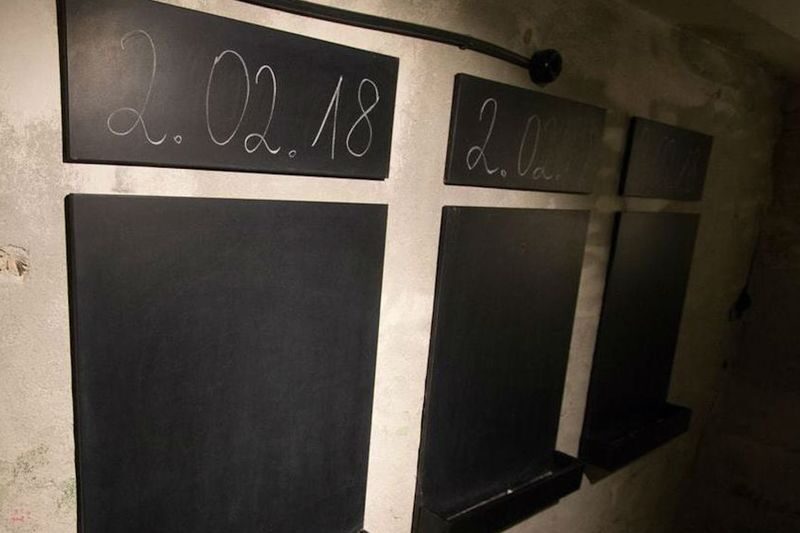
The address is Pagari 1, in Tallinn. The Art Nouveau structure is an arresting part of the visit: its elaborate exterior and the history of what happened inside sit uneasily together. That contrast helps make the place more than a set of display boards. You are standing in a building tied to the machinery of Soviet rule.
The KGB used the detention facility to interrogate and torment people it considered adversaries of the state. The exhibition places that abuse within Estonia’s experience of Soviet occupation and its efforts to suppress resistance. Its focus is direct and serious, rather than broad or decorative.
I would not come expecting a grand museum with a long sequence of galleries. The space is small, and the cells themselves are central to the visit. That limited scale can be a strength if you want a concentrated encounter with a difficult period, but a drawback if you expect hours of exhibits.

👉 See our pick of the 7 Best Guided Tours In Tallinn
Inside the cells: the physical evidence matters
The prison cells are the visit’s most immediate feature. Reading about detention and seeing the rooms where people were held are different things. The setting makes the subject harder to keep at a distance, even though the exhibition is modest in size.
The displays explain the role of the KGB and its violations of human rights. They also bring in stories of courage and resistance, so the visit is not only about what the authorities did. It points to the choices people made under pressure and to the persistence of the Estonian spirit.
The cells are not a theatrical attraction, and the available information does not suggest a staged or guided presentation. This is a place for quiet attention. Give yourself time to read the explanatory panels and consider the history they describe, rather than rushing through simply because the site is compact.
You can also read our reviews of more tours and experiences in Tallinn.


A self-guided visit, with English explanations
Admission is for the museum itself. A tour guide is not included, so you will explore independently, moving between the cells and the explanatory displays at your own pace. That arrangement suits visitors who prefer to pause, read, and reflect without keeping up with a group.
The English explanations are clear, which makes the self-guided format workable for English-speaking visitors. Still, written panels have limits. If you want a detailed account of particular events or a chance to ask follow-up questions, this visit may leave you wanting more context.
That is worth bearing in mind before booking. The exhibition is most rewarding if you arrive with some interest in Estonia’s Soviet-era history, or if you are willing to take the panels slowly. If you want a guide to connect the story to other sites around Tallinn, this admission ticket does not provide one.
How much time to set aside
There is no set tour length. You can move through the exhibition at your own pace, and its compact scale makes it a relatively short stop compared with a large museum. One assessment of the site described it as requiring the shortest visit time among Estonia’s prison sites, but the actual time you spend will depend on how carefully you read.
I would avoid squeezing it into a schedule with no breathing room. Even a small exhibition deserves time for the subject to register. On the other hand, this is not the best choice if you need a full afternoon of museum activity from a single ticket.
The right approach is to treat it as a focused visit within a wider day in Tallinn. Pair it with other plans only if you can give the subject your attention. Its value lies less in the number of rooms than in the place itself and the difficult story attached to it.
Price and what the ticket buys
The package price is shown from US$11.19, while the headline price is listed as US$12.35. Since those figures differ, check the price displayed for your chosen date before you book. Admission covers entry to the KGB Prison Cells; it does not include a guide.
For a modest admission fee, the ticket gives you access to a site with a direct connection to Estonia’s Soviet occupation history. The building and prison cells offer something that a quick online search cannot fully reproduce: a chance to encounter the actual setting. The value is strongest for visitors who care about the subject and are comfortable with a compact, mostly text-based visit.
It is weaker value if you judge museums by their size, range of interactive features, or amount of guided interpretation. There is no promise of a long itinerary or a personal storyteller. Think of the price as entry to a focused historical site, not a full-scale museum program.
Practical details before you go
The meeting point is the KGB Prison Cells at Pagari 1, 10142, Tallinn. You can enter directly with your voucher. The voucher is valid only on the specified date and, if one is shown, the specified time, so make sure your booking matches your plans.
Opening hours change by season. From October through April, the museum is open Wednesday to Sunday from 11:00 to 18:00, and closed Monday and Tuesday. From May through September, it is open daily from 10:00 to 18:00.
It is closed on 23 June, 24 June, 24 December, 25 December, 26 December, and 1 January. Check the date carefully if your visit falls near a public holiday or around Christmas.
The venue is listed as stroller-friendly, but the KGB Prison Cells are only reachable by stairs. If stairs could be a problem for you or someone in your party, contact the venue before booking to clarify which parts can be accessed. Lockers are available onsite, and photography is permitted for private use only.
Children aged 0 to 8 enter free. Free admission is also listed for disabled children aged 0 to 16 with one carer, severely disabled visitors over 16 with one carer, journalists with an IFJ press card, and every fifth visitor in a group. A family package is available for parents with children under 18. Pensioners and students should bring valid identification or a student ID.


Who will find this visit worthwhile
This is a strong fit if you are interested in Estonia’s occupation history, the KGB, or the human cost of political repression. It also suits visitors who value original settings and do not need a long, highly interactive exhibition to make a museum visit meaningful.
It may be less satisfying if you prefer a guided account, extensive displays, or a large collection of objects. The written panels carry much of the interpretation, and the small scale can make the visit feel brief. If you are already familiar with the subject, you may find the building and cells more compelling than the amount of new information.
For families, the free entry rules for young children and the family package are useful. Still, the subject is serious, and each adult should decide whether the material is appropriate for the children in their group. The stair access is also a practical point to weigh, even though the activity is described as stroller-friendly.
Should you book the KGB Prison Cells?
Book this if you want to see the actual setting of a painful chapter in Estonia’s history and are happy with a short, self-guided exhibition. The Art Nouveau building, the prison cells, and the accounts of resistance give the visit a clear purpose.
Skip it if you expect a large museum, a guided tour, or extensive interpretation at every stop. For the right visitor, the place makes a compact but affecting addition to a Tallinn itinerary. Go in prepared to read, take your time, and let the setting do some of the explaining.
Admission to KGB Prison Cells in Tallinn
“Booking through Klook is convenient, and the price is similar to the official prison website. Tallinn Prison is mainly an exhibition space without…”
FAQ
Where are the KGB Prison Cells?
The address is Pagari 1, 10142, Tallinn, Estonia. The KGB Prison Cells are also the meeting point.
What does admission include?
The ticket includes admission to the KGB Prison Cells. A tour guide is not included.
Are visits guided?
No guide is included. You explore the exhibition independently.
What are the opening hours?
From October through April, the museum is open Wednesday to Sunday from 11:00 to 18:00 and closed Monday and Tuesday. From May through September, it is open daily from 10:00 to 18:00.
Is the museum open on public holidays?
It is closed on 23 June, 24 June, 24 December, 25 December, 26 December, and 1 January.
Can I take photographs?
Yes. Photography is allowed for private use only.
Are lockers available?
Yes, lockers are available onsite.
Can I bring a stroller?
The activity is listed as stroller-friendly, but the KGB Prison Cells are only reachable by stairs. Check with the venue if stair access is a concern.
Do children, students, or pensioners receive free or reduced admission?
Children aged 0 to 8 enter free. A family package is available for parents with children under 18. Pensioners and students should present valid ID or a student ID; the supplied information does not specify their admission price.


