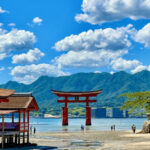
Miyajima’s great torii gate changes with the tide: at one moment it appears to rise from the sea, and at another it stands on the exposed shore. This four-hour tour from Hiroshima Station pairs that famous view with Itsukushima Shrine and Daisho-in Temple, giving you a useful introduction to the island’s sacred places.
I like two things in particular: the guide explains the Shinto and Buddhist traditions behind the sights, and the route ends near Omotesando’s shops and local snacks, so you can linger over Momiji Manju afterward. Guides have included Cva, Shu, Nana and Martin, with praise for clear storytelling, thoughtful answers and an easygoing pace.
The main consideration is the clock. The tour includes a train ride and ferry crossing, and the route covers several sites on foot; the four-hour schedule can feel tight, and the route information does not promise a return to Hiroshima Station. Confirm the end point and allow extra time if you have another commitment.
At a glance
- The torii gate looks different with the tide: Its appearance shifts between a gate above the water and one set against the shoreline.
- Train and ferry travel are not included: A JR Pass can be used on both, according to the tour details.
- The guide adds cultural context: Expect explanations of the island’s Shinto and Buddhist traditions, not just photo stops.
- Daisho-in offers a quieter change of scene: Its temple grounds bring religious art and practice into the tour.
- You finish by Omotesando: Use the time after the guided portion to browse, eat or continue exploring.
- Walking is central to the visit: Comfortable shoes are recommended, and the tour is not suitable for wheelchair users or people with mobility impairments.
- At a glance
- The torii gate sets the scene
- Hiroshima Station to the island
- Walking the shore among deer
- Itsukushima Shrine and its floating approach
- Daiganji and Daisho-in: two temple stops
- Momiji Manju and a finish on Omotesando
- What gets you, and what it does not
- Pace, timing and who will enjoy this tour
- Should you book the Miyajima half-day tour?
- FAQ
- How long is the tour?
- Where does the tour start?
- Are train and ferry fares included?
- Are entrance tickets included?
- Does the tour visit Itsukushima Shrine?
- Is Daisho-in Temple included?
- Can I feed the deer on Miyajima?
- Is the tour suitable for wheelchair users?
- Can I cancel the booking?
- More Half-Day in Hatsukaichi
- More Tours in Hatsukaichi
- More Tour Reviews in Hatsukaichi
- Not for you? Here's more nearby things to do in Hatsukaichi we have reviewed
The torii gate sets the scene
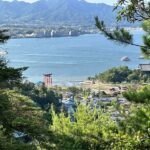
Miyajima, also known as Itsukushima Island, is best known for the O-Torii gate standing offshore beside Itsukushima Shrine. The view is not fixed. Depending on the tide and weather, the gate may appear to float above the water or sit on the exposed shore, so the same landmark can make a very different impression at different times of day.
That changing view is part of the appeal, but it also means you should not expect one particular photo. The tour includes time to see the gate and take pictures, though the exact amount of free time depends on the pace of the group and the day’s schedule.
The route begins at Hiroshima Station’s general information center, then heads toward Miyajima by train and ferry. The journey is part of the outing, not a private transfer: the supplied schedule lists about 30 minutes by train and 10 minutes by ferry. You can use a JR Pass on both, but otherwise budget separately for transportation.
You can also read our reviews of more tours and experiences in Hatsukaichi
Hiroshima Station to the island
Meeting at the station gives you a clear starting point for a day trip, and the guide leads the group through the train and ferry portion. This can be especially handy if you are unfamiliar with the local transport or want someone to help you sort out tickets. The tour fee does not cover those fares, however, so a JR Pass or separate transport budget matters when comparing the price.
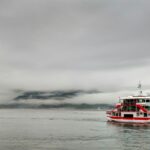
The ferry crossing is short, but it marks a shift from city travel to an island visit. As Miyajima comes into view, you may catch sight of the torii from the water. It is a fine preview, though the closer views on foot are the main event.
One practical wrinkle is timing. The activity is advertised as four hours, but the transfer portions take up some of that window, and the listed route ends around Omotesando Shopping Street rather than clearly stating a return to Hiroshima Station. One account described the trip back and the final timing as less obvious than expected. I would ask the operator where the tour concludes and leave a generous buffer before any onward plans.
Walking the shore among deer
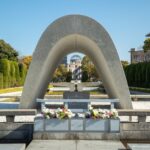
From Miyajima Ferry Port, the route heads along the waterfront toward the shrine and torii. Your guide introduces the island’s religious and cultural role as you walk, helping you read the place beyond its postcard view. The group also passes the World Heritage monument and the Three Views of Japan monument, with opportunities to take in the coast and watch the island’s free-roaming deer.
The deer are part of everyday island life and may wander close to the walking route. Feeding them is not allowed, so keep snacks put away and avoid treating the animals as a petting stop. That rule protects both the deer and the people moving through busy public areas.
The seaside walk is scenic, but it is still a walk, not a vehicle tour. Wear comfortable shoes and be ready for changing weather. The tour is not suitable for wheelchair users or people with mobility impairments. If you are travelling with children or have a specific mobility concern, check the route details with the provider before booking rather than assuming every path will suit your needs.
Itsukushima Shrine and its floating approach
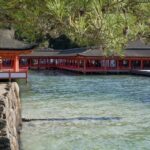
Itsukushima Shrine is the spiritual heart of the visit. Built partly over the water, it reflects the island’s sacred status in Shinto belief. The guide explains the shrine’s architecture and history, including the tradition that ordinary people were once forbidden from setting foot on the island itself. That context makes the structures feel less like a scenic backdrop and more like part of a long-standing religious practice.
The torii gate and shrine are connected sights, but they are not interchangeable. The gate is the instantly recognizable offshore landmark; the shrine gives you a closer look at the religious site and its unusual relationship with the sea. A guide can help explain why the buildings sit where they do and what you are looking at, details easy to miss if you simply arrive, take a picture and move on.
Entrance tickets are not included in the tour price. The activity information does not specify the admission cost, so check the current amount before your visit and keep it separate from the $48 tour fee. The guided visit is included; entry is not.
More Great Tours NearbyDaiganji and Daisho-in: two temple stops
The route also includes Daiganji, a short guided visit, before continuing to Daisho-in. These stops widen the focus beyond the island’s best-known shrine and give you a look at its Buddhist side.
Daisho-in is the longer temple visit and one of Miyajima’s most important Buddhist complexes. Its forested setting and quieter paths contrast with the waterfront and shopping street. Here, your guide can point out Buddhist images, prayer wheels, halls and other religious details while explaining the customs behind them. The value is not just seeing more buildings; it is understanding how Shinto and Buddhist traditions both shape the island.
The tour includes a guided visit to Daisho-in, but entrance tickets are listed as not included. Be prepared for more walking as you move between the sites. The schedule offers a broad introduction rather than a long, unhurried temple stay, so if Daisho-in is a major interest, consider returning after the guided portion to explore at your own pace.
The strongest guide experiences combine facts with stories and leave room for questions. Guides named Cva, Shu, Thomas or Tomas, Yehor, Nana and Martin have been praised for clear explanations, warm conversation and respectful treatment of religious subjects. Guide assignments can vary, of course, but the experience is built around having someone connect the places rather than simply lead you between them.


Momiji Manju and a finish on Omotesando
The guided route finishes around Omotesando Shopping Street, Miyajima’s main shopping area. Shops sell local snacks, regional foods, crafts and souvenirs, making this a good place to pause after the more reflective shrine and temple visits.
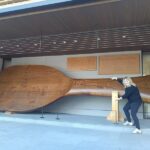
Try Momiji Manju, the island’s maple leaf-shaped cake. Common fillings include sweet red bean paste, custard and chocolate. The tour introduces the local specialty, but food purchases are not included, so bring money if you want to sample a few things or take treats away.
This stop is also where the tour’s structured portion gives way to your own choices. You can browse, eat or stay on the island to see more, as the route does not describe a guided return to Hiroshima Station. That flexibility is useful if you want to extend the day, but less convenient if you need a firm finish time. Ask the operator how the group concludes before making plans.
What $48 gets you, and what it does not
At $48 per person, the fee buys a guide-led introduction to several of Miyajima’s central sights, including the torii, Itsukushima Shrine and Daisho-in. The chief value is the interpretation: a good guide can explain the religious customs and history in a way that makes the scenery more meaningful. The most consistently praised qualities of guides on this tour are their storytelling, patience and ability to make cultural details accessible.
The price does not include train and ferry fares or entrance tickets. If you have a JR Pass, the train and ferry can be covered by it; otherwise, add those costs before deciding whether the tour fits your budget. Food and shopping are also personal expenses.
You can visit Miyajima independently, and one of the tour’s useful trade-offs is that you pay for structure and explanation rather than access to an otherwise unreachable place. If you enjoy figuring out transport, reading up on the sites and setting your own pace, a solo visit may suit you better. If you want help with the journey and cultural context at each stop, the fee can be worthwhile.
Pace, timing and who will enjoy this tour
The four-hour format suits visitors who want a guided overview without committing a full day to the island. You see the waterfront, shrine, temples and shopping street in one outing, with a guide to connect them. It is a fairly full route, so it may not leave much time for a leisurely meal or a long independent visit during the guided portion.
A few accounts described an easy pace, helpful tips and time to enjoy the sites; one found the day too long and the finish uncertain. That difference is a reminder to keep your schedule flexible. The actual feel of the tour can depend on the guide, group and conditions on the day. Hot weather can make the walking feel harder, while crowds may slow movement around the main sights.
I would choose this tour if you have limited time in Hiroshima, want a guide to explain the island’s religious traditions, or would like help with the train-and-ferry journey. It also suits curious first-time visitors who want a clear route and a few hours to continue on their own afterward. It is less suitable if you need step-free access, prefer a very slow visit, or want a guaranteed return to Hiroshima Station by a strict time.
Free cancellation is available up to 24 hours before the activity for a full refund, and you can reserve now and pay later. Languages are offered, but the available language details are not specified here, so confirm your preferred language when booking. Private groups are available as well.
Should you book the Miyajima half-day tour?
Book it if the guide’s explanations matter as much as the famous view. The combination of shoreline, Itsukushima Shrine, Daisho-in and local food gives you a solid first look at Miyajima, while a good guide helps make sense of the island’s spiritual traditions. Cva, Shu, Nana and Martin are among the guides named in connection with particularly engaging visits, though you cannot assume a specific guide will lead your tour.
Skip it if you want to control every stop and pause, or if you need a precise return time without confirming the endpoint. For most first visits, the tour’s best value is the cultural context and organized route, not the transport or admission costs. Add those expenses to the $48 price, wear comfortable shoes, and leave room to stay on the island for a snack or more exploring.
Miyajima Half-Day Small Group Tour from Hiroshima Station
FAQ
How long is the tour?
The tour lasts four hours. The route includes train and ferry travel as well as walking visits around Miyajima.
Where does the tour start?
The meeting point is Hiroshima Station’s general information center, listed as 広島駅総合案内所.
Are train and ferry fares included?
No. Transportation costs are not included. The tour information says you can use a JR Pass on the train and ferry.
Are entrance tickets included?
No. Entrance tickets are not included in the tour price.
Does the tour visit Itsukushima Shrine?
Yes. The route includes a guided visit to Itsukushima Shrine and sightseeing at the O-Torii gate.
Is Daisho-in Temple included?
Yes. The tour includes a guided visit to Daisho-in Temple.
Can I feed the deer on Miyajima?
No. Feeding animals is not allowed, including the free-roaming deer on the island.
Is the tour suitable for wheelchair users?
No. The tour is listed as unsuitable for wheelchair users and people with mobility impairments.
Can I cancel the booking?
Yes. You can cancel up to 24 hours in advance for a full refund.
You can check availability for your dates here: