At Finca El Ocaso, coffee is not just a drink at the end of the visit. You follow it from the plant to the mill, then see how roasting and traditional brewing shape the cup. That makes this 90-minute tour a useful choice if you want to understand the work behind Colombian coffee, not just sample it.
I like two things in particular: the tour connects farming choices to sustainability, and it shows the practical steps between harvesting and selling coffee. The final tasting, prepared in a cloth strainer and pot, brings those steps back to the cup in a simple, satisfying way.
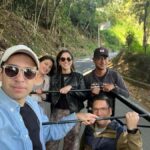
One thing to plan around is the farm’s rural location. Transport is not included, the access road is not fully paved, and the tour is in Spanish. Willys Jeeps run from Salento, but a low car is not recommended.
- Follow the coffee process: Learn about planting, harvesting, processing, drying, storage, threshing, roasting and brewing.
- See sustainable practices in context: The visit includes a composting station, crop fertilization, and an explanation of the farm’s sustainability certification.
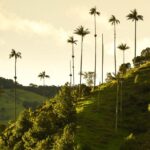
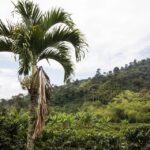
- Walk gardens and plantations: The tour includes the farm’s gardens and coffee-growing areas, with discussion of local flora and fauna.
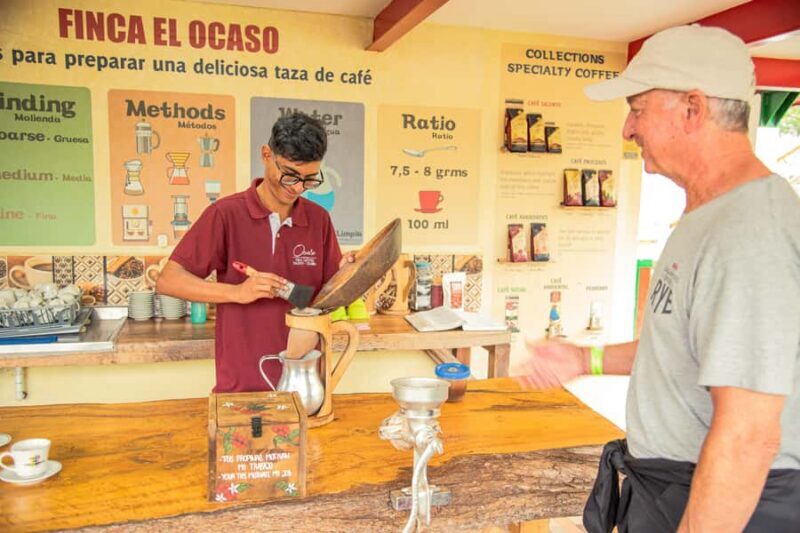
- Finish with a traditional cup: Coffee is prepared in a cloth strainer and pot, with a tasting included.
- Plan for a rural road: Willys Jeeps leave Salento hourly from 8:30 am to 4:30 pm, and the ride is not part of the $19 ticket.
- From coffee tree to cup in 90 minutes
- Walking the gardens and coffee plots
- Compost, fertilization and sustainable production
- Inside the mill: pulping and drying
- Storage, threshing and getting coffee to market
- Roasting and a cloth-strainer tasting
- Getting to the farm from Salento
- Is a good value?
- Who should book this coffee tour?
- Should you book?
- FAQ
- How long is the tour?
- How much does the tour cost?
- What language is the tour in?
- How do I get to Finca El Ocaso?
- Is the road suitable for a low car?
- What should I bring?
- What happens if it rains?
- More Farms in Salento Colombia
- More Tours in Salento Colombia
- More Tour Reviews in Salento Colombia
- Not for you? Here's more nearby things to do in Salento Colombia we have reviewed
From coffee tree to cup in 90 minutes
 1 / 8
 2 / 8
 3 / 8
 4 / 8
 5 / 8
 6 / 8
 7 / 8
 8 / 8
Finca El Ocaso’s tour is built around a practical question: how does coffee get from a growing tree to the cup in your hand? In an hour and a half, you get a guided walk through the farm’s growing areas, an explanation of cultivation and processing, and a tasting that lets you finish with the result.
This is a compact visit, so expect a brisk overview rather than a long class in every detail. Still, its range is appealing. Instead of focusing only on coffee plants or only on brewing, it links both ends of the process: planting and harvesting, the mill and drying, roasting and preparation.
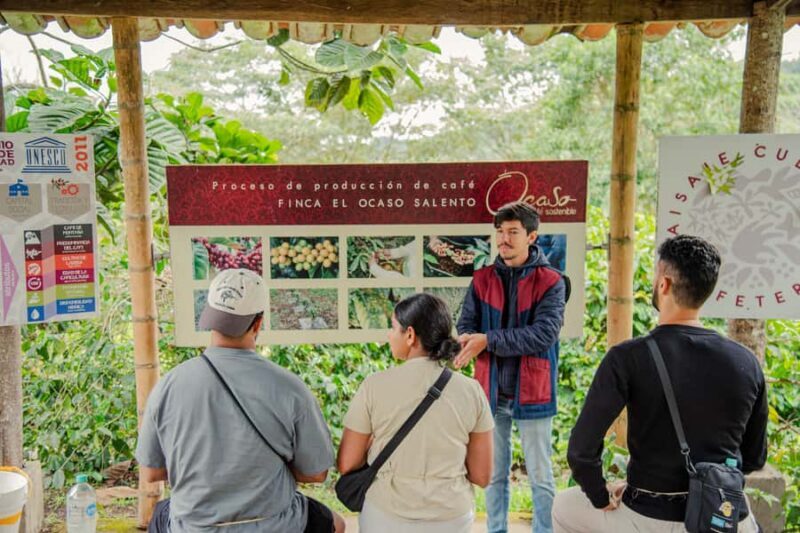
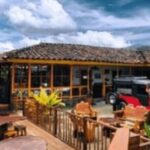
The farm identifies itself as a specialty coffee producer with certification in sustainable production. That gives the sustainability discussion a real setting. You can see the composting station and hear how crop fertilization fits into the operation, rather than receiving a general talk about responsible farming with no practical examples.
The guide speaks Spanish. If you are comfortable following a Spanish-language explanation, you can get more from the details and questions along the way. If not, keep in mind that translation is not listed as part of the tour.
You can check availability for your dates here:Walking the gardens and coffee plots
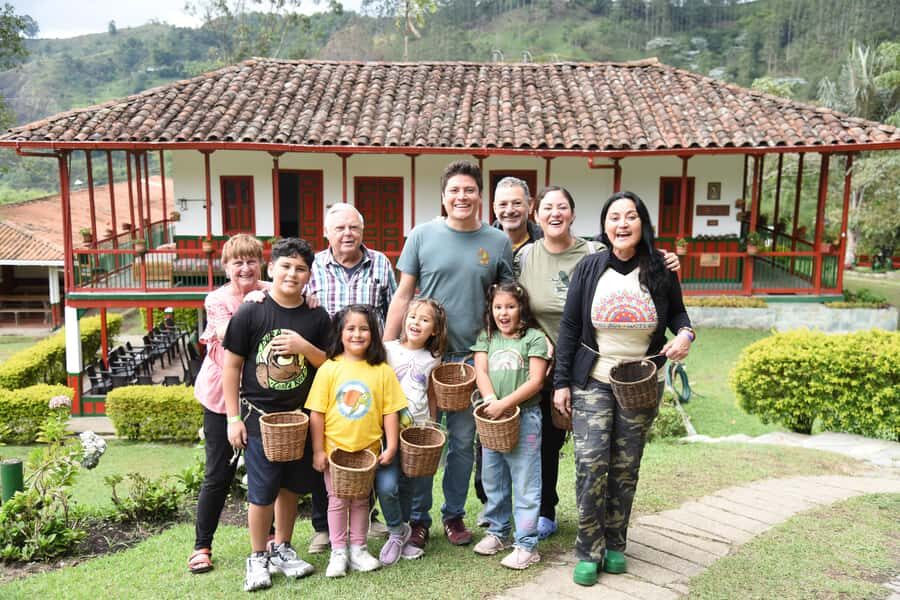
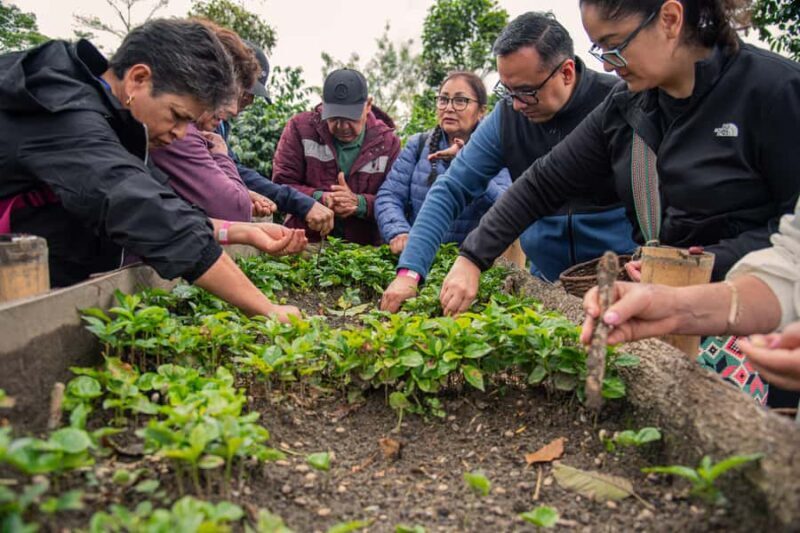
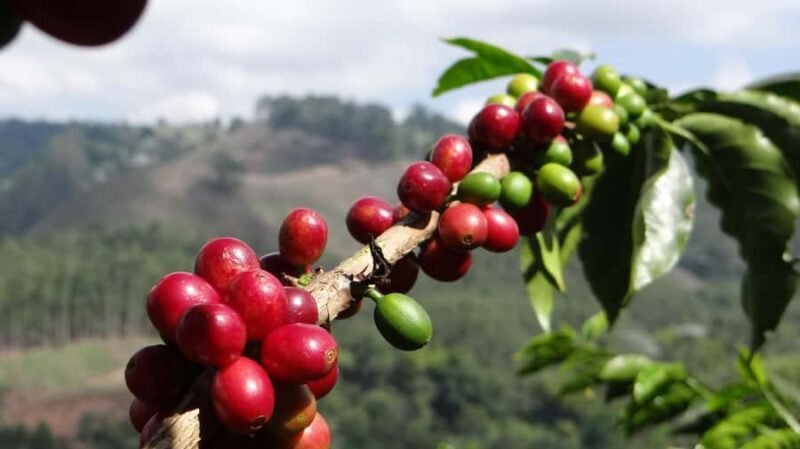
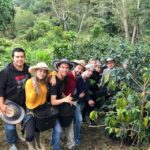
The tour begins with coffee’s history, the predominant species grown, and the basic life of a coffee tree. From there, you visit the gardens and plantations, where the guide explains planting and growth, as well as harvesting and sowing.
This part is valuable because coffee’s finished flavor begins long before roasting. A tree must be established and cared for, and harvesting is part of the chain that eventually determines what reaches the mill. The visit gives you a farm-level view of those stages, rather than treating coffee as a product that appears in a bag.
The garden walk also brings in the farm’s surrounding life. You hear about local flora and fauna, alongside the explanation of sustainability. That broader view helps put coffee production in context: a farm is a growing environment, not simply a row of crops.
The details provided do not promise a particular harvest activity or a chance to plant a tree yourself. You can expect discussion of harvesting and sowing, but do not book on the assumption that you will take part in hands-on farm work. The main value is seeing the setting and learning how the processes fit together.
You can also read our reviews of more tours and experiences in Salento Colombia
Compost, fertilization and sustainable production
At the composting station, the guide explains how organic material is used and how the crop is fertilized. It is one of the more useful stops for anyone curious about the less glamorous work behind a coffee farm. A well-grown crop depends on daily decisions about soil and plant care, not just the variety of coffee or the final roast.
Finca El Ocaso’s sustainability certification is part of the tour’s story, but the certification name and its specific standards are not supplied. It is best to treat the visit as an introduction to the farm’s sustainable practices, not a technical audit of its methods.
The discussion of fauna and flora adds another layer. You can ask how the farm approaches its natural surroundings and how those considerations relate to coffee growing. The tour promises an explanation, though it does not specify a particular wildlife sighting or conservation project.
For a coffee enthusiast, this is a good reminder that quality and production choices are connected. For a casual drinker, it makes the visit more than a tasting stop. You come away with a better sense of what happens on a farm before coffee is processed.
Inside the mill: pulping and drying
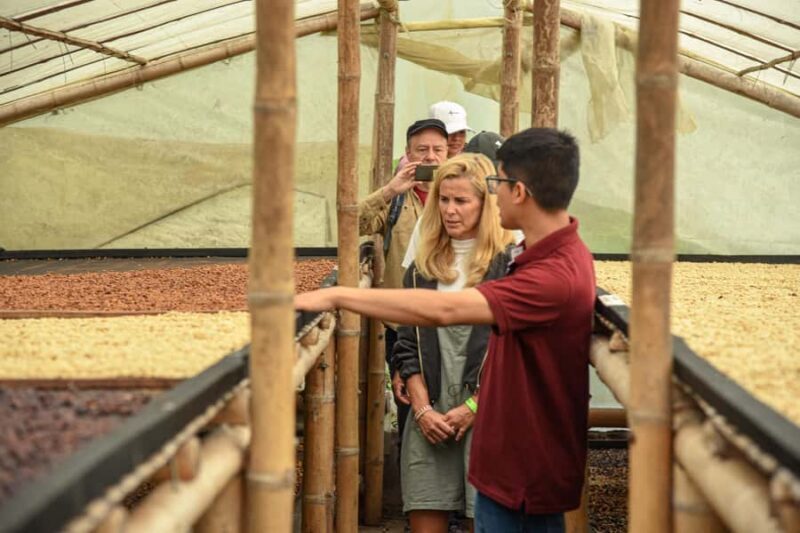
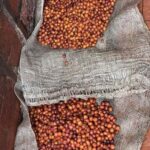
The visit then moves to the mill, where you see equipment including the hopper and pulper. The guide explains mechanical drying and traditional drying, two methods that make the post-harvest stage tangible.
This is where the tour shifts from growing to processing. After coffee is harvested, the beans need to be handled and dried before later steps can take place. Seeing the mill helps you understand that the path from fruit to prepared coffee involves several stages, each with its own equipment and decisions.
The contrast between mechanical and traditional drying is especially helpful. You hear about both approaches in one place, rather than learning about them as abstract terms. The tour information does not specify the farm’s exact drying schedules or compare the taste outcomes of each method, so think of this as a clear introduction rather than a technical workshop.
The mill visit is also a good moment to ask questions. If you want to understand what each machine does, or how drying fits into the wider process, bring those questions along. With a Spanish-speaking guide, your ability to take part will depend on your comfort with Spanish.
Storage, threshing and getting coffee to market
After drying, the tour covers storage, threshing and commercialization. These steps may be less photogenic than coffee trees or a cup being poured, but they matter if you want to understand how farm production becomes a product that can be sold.
Storage is part of handling coffee after processing, while threshing prepares it for later stages. The discussion of commercialization rounds out the chain by showing that growing and processing are not the whole story. Coffee also has to be prepared and moved into the market.
The visit does not offer specific information about pricing, sales channels or the farm’s commercial partners. Still, covering these subjects in a short tour gives you a useful outline of the journey beyond the plantation. It is the sort of context that can change how you look at a bag of coffee back home.
More Great Tours NearbyRoasting and a cloth-strainer tasting
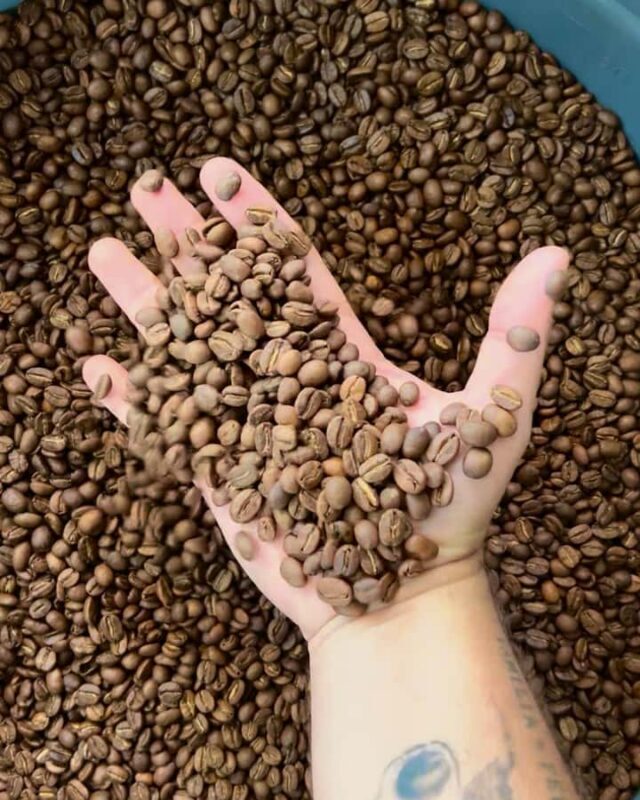
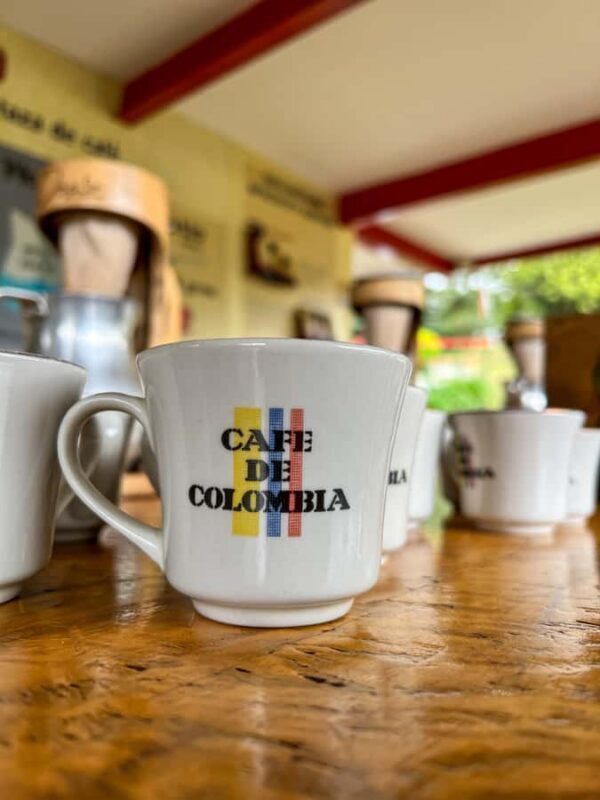
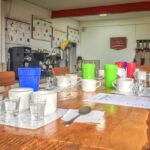
The final steps turn from production to the qualities you can taste. You learn about types of roasting and why roasting matters to coffee quality, then watch coffee prepared traditionally in a cloth strainer and pot.
That traditional preparation is a fitting close to the visit. It keeps the focus on the coffee itself, without relying on elaborate equipment or a complicated tasting ritual. You get to taste the result after hearing about the farm, mill and roast, which makes the cup feel connected to the work you have just seen.
A tasting is included in the $19 price. The tour information does not specify how many coffees you will try or whether there are multiple roast profiles, so expect a tasting rather than a full cupping session. If you are a devoted coffee hobbyist hoping for detailed sensory training, this may be more of an overview than a specialist class.
For most people, though, the sequence works well. You learn the steps, see some of the tools, then try the drink in a traditional preparation. The tasting gives the tour a natural finish and gives you a chance to think about how growing, processing and roasting contribute to the final cup.
You can also read our reviews of more tours and experiences in Salento Colombia
Getting to the farm from Salento
Finca El Ocaso is in the rural area of Salento, and you must make your own way there. Willys Jeeps leave Salento every hour from 8:30 am to 4:30 pm. You can also return to Salento from the farm by Willys, but the cost of transport is not included in the ticket.
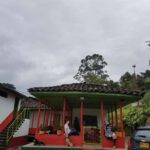
The access road is not completely paved, and low cars are not recommended. If you are arranging your own ride, take that warning seriously rather than assuming the approach is a smooth city drive. The farm’s rural setting is part of the experience, but it does call for a little planning.
The activity continues in rainy weather. Rain ponchos can be bought at the farm, and insect repellent is also available in the store. Neither repellent nor sunblock is included, so bring what you need rather than counting on the farm shop for every item.
Wear comfortable clothes and bring insect repellent. Food is not included, and the tour lasts 90 minutes, so plan your meal around the visit. Alcohol and drugs are not allowed.
Is $19 a good value?
At $19 per person, the price covers a guided 90-minute tour and a coffee tasting. You also get a broad look at farming, sustainability, processing and preparation, which makes the cost reasonable if you want more than a quick plantation walk or a cup with a view.
The value depends on what you want from a coffee visit. If you enjoy understanding how a product is made, the range of subjects is a strong point. You get the farm, composting station, mill, drying methods, storage and roasting in one concise outing. If your priority is an extended tasting, a detailed specialty-coffee workshop or a long hands-on session, the tour may feel brief.
Remember to add transportation to your budget. The ticket does not cover the Willys ride, food, insect repellent or sunblock. The hourly departures make public transport a practical option, but you will need to coordinate your timing with the farm visit and the available return ride.
Free cancellation is available up to 24 hours in advance, and you can reserve without paying immediately. Check the available start times before building the visit into a tight day plan.
Who should book this coffee tour?
I would put this tour high on the list for coffee lovers who want to connect the drink to the work that produces it. It suits curious visitors who enjoy seeing real farm operations and hearing how planting, processing, roasting and preparation relate to one another.
It is also a good fit if you have only 90 minutes and want a structured introduction rather than a whole-day coffee excursion. The mix of gardens, sustainability, mill equipment and a traditional tasting gives the visit a clear arc, from plant to cup.
It may be less suitable if you need an English-speaking guide, want transport included, or prefer not to deal with a rural road. It is also not the right pick if you are looking for a long practical session or a meal as part of the experience.
Some afternoon tours have been led by Nicolás, and one visitor described an afternoon with him as entertaining. The guide can shape the feel of a short visit, but the named guide is not guaranteed for every departure. The strongest reason to book is the tour’s clear, friendly approach to the full coffee process, not any single person or one particular harvest day.
Should you book?
Book Finca El Ocaso if you want a grounded introduction to coffee production, from coffee trees and compost to the mill and a cloth-strainer cup. The included tasting and sustainability discussion add substance to a modestly priced, 90-minute visit.
Skip it if transport arrangements, Spanish-language guiding or the unpaved access road would make the outing a poor fit. If those points work for you, bring comfortable clothes and repellent, check the Willys schedule, and make room for a farm visit that explains what lies behind your morning coffee.
Coffee Tour at Finca El Ocaso Salento: Traditional Spanish Farm
FAQ
How long is the tour?
The tour lasts 90 minutes.
How much does the tour cost?
The price is $19 per person. Transportation, food, insect repellent and sunblock are not included.
What language is the tour in?
The live guide speaks Spanish.
How do I get to Finca El Ocaso?
You must go directly to the farm. Willys Jeeps leave Salento every hour from 8:30 am to 4:30 pm, and you can also return to Salento by Willys. The transportation cost is not included.
Is the road suitable for a low car?
The access road is not completely paved, and arriving in a low car is not recommended.
What should I bring?
Wear comfortable clothes and bring insect repellent. Sunblock is not included. Rain ponchos and insect repellent can be purchased at the farm.
What happens if it rains?
The activity is not cancelled in case of rain. Rain ponchos can be purchased at the farm.
You can check availability for your dates here: