Old Dubai makes more sense when you move through it on foot, then cross Dubai Creek in a wooden abra. This three-hour guided walk links Al Fahidi’s old houses with the textile, spice, and gold souks, giving you a feel for how Dubai grew around the creek.
I like two things in particular: the guide adds context to the old streets, and the abra ride turns a market visit into a small, useful journey across the water. Included camel milk tea, chocolate, local food, and water also make the $23 price feel fair.
The main trade-off is the walking in heat, with limited suitability for anyone with mobility needs. The route is not wheelchair accessible, and you should expect sun, busy souk lanes, and a steady three-hour outing.
- Al Fahidi’s wind towers and old houses offer a striking contrast to Dubai’s newer districts.
- The abra crossing carries you across Dubai Creek to the spice and gold souks.
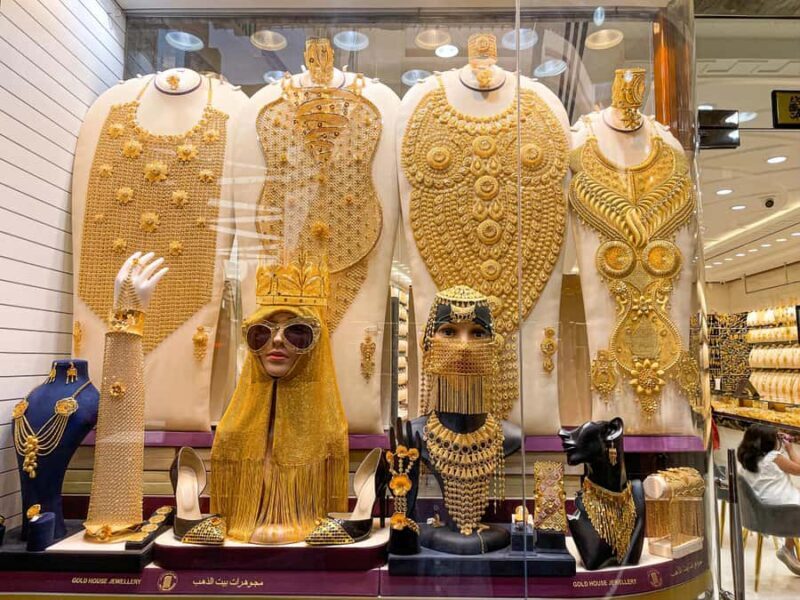
- More than 350 gold retailers make the Gold Souk an eye-catching stop, even if shopping is not your goal.
- Camel milk tea, camel milk chocolate, local food, and water are included.
- Guides such as Abdullah, Ikram, and Muhammad have been praised for clear explanations and a friendly approach.
- Meet at Sharaf DG Metro Station, Exit 4, unless you book the private option with pickup.
- Start among Al Fahidi’s old houses
- See the Old Mosque and Dubai’s old wall
- Browse the textile market and Al Souq Al Kabeer
- Cross Dubai Creek by abra
- Follow the spice smells to the Gold Souk
- Is good value for three hours?
- Prepare for the walk and the weather
- Should you book this Old Dubai walk?
- FAQ
- How long is the tour?
- Where is the meeting point?
- What is included in the price?
- Is hotel pickup included?
- Which languages are available?
- Is the tour suitable for wheelchair users?
- What should I bring, and what is not allowed?
- The Best Of Dubai!
- More Walking Tours in Dubai
- More Tours in Dubai
- More Tour Reviews in Dubai
- Not for you? Here's more nearby things to do in Dubai we have reviewed
Start among Al Fahidi’s old houses
 1 / 8
 2 / 8
 3 / 8
 4 / 8
 5 / 8
 6 / 8
 7 / 8
 8 / 8
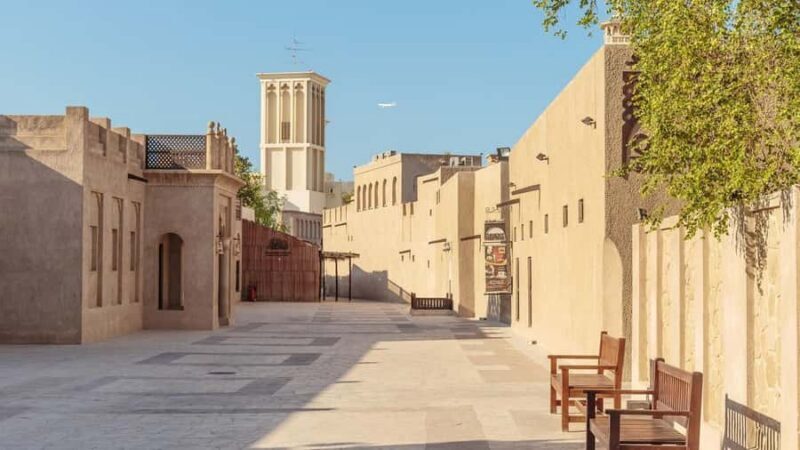
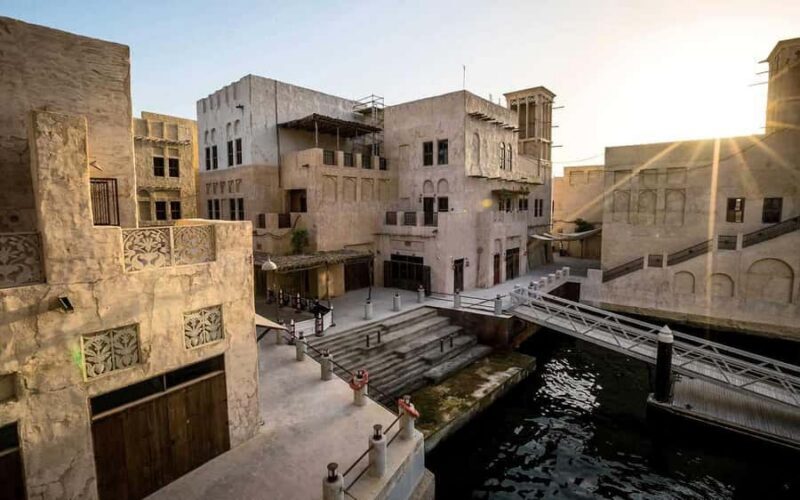
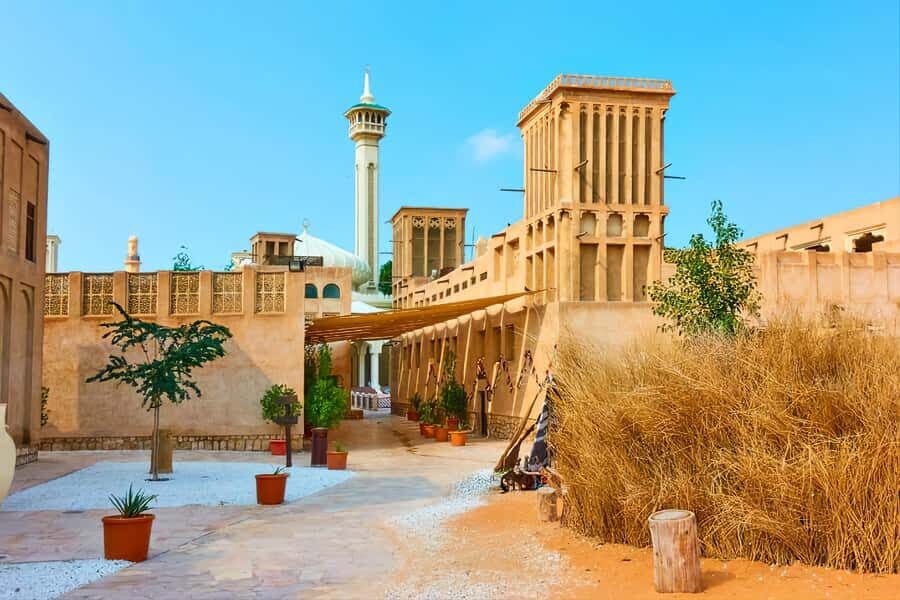
The walk begins in or near Al Fahidi, also known as Al Bastakiya. Here, low-rise buildings and traditional Arabian design give you a first look at a side of Dubai that can feel a world away from its towers and highways. Wind towers are a key feature: they rise above the houses and offer a useful clue to how people lived before modern air conditioning.
Many of the old buildings now serve as cultural venues, including museums, galleries, event spaces, and the Coffee Museum. The tour’s value is not just in seeing old walls. A guide can help you read the place, explain how the neighborhood has changed, and answer questions about Emirati history, customs, and life today.
Guides vary, but several names associated with the tour include Abdullah, Ikram, Muhammad, Aqib Abbas, Hassan, Mazher, Shahzad, and Ehsan. The strongest praise centers on their ability to explain the past in an approachable way and adapt to the group. Ikram, for example, slowed the pace for a family traveling with an elderly father. If you have a question-heavy group or children, that personal touch can make a short tour feel much less hurried.
You should still expect a group walk rather than a private history lesson unless you book the private option. The group size can vary: one person joined two families, while another tour ran with just one party. That flexibility can be a plus, though it is not a promise of a small group every time.
You can check availability for your dates here:
👉 See our pick of the 25 Best Shopping Tours In Dubai
See the Old Mosque and Dubai’s old wall
The route passes the Old Mosque, a chance to take in its traditional architecture and hear how religion fits into daily life in Dubai. The walk also reaches remnants of Dubai’s Old Wall, built around 1800 AD. These stops are brief, but together they help anchor the area’s history in actual streets and structures.
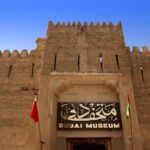
The tour includes a pass by Al Fahidi Fort and a visit to the Dubai Museum area, where relics and artifacts offer a view of Emirati civilization. Access to individual houses and indoor venues can vary. One Sunday, a house was closed at 4 pm, so it is sensible not to pin your hopes on any single interior. The streets and the guide’s explanations still carry the experience if a door is shut.
This is where the tour earns its keep for first-time visitors. Dubai’s development can seem sudden if you only see its recent construction. In Al Fahidi, a guide can connect the older neighborhood to the city’s growth and the lives of the people who built it. Several guides have also discussed the wider Emirates, the royal family, local habits, and the city’s present-day culture. You can ask your own questions rather than relying on plaques or a map.
You can also read our reviews of more walking tours in Dubai


Browse the textile market and Al Souq Al Kabeer
The route continues through the Old Textile Market, where fabrics in a range of colors give the walk a more commercial feel. This is a pass-through stop, not a long shopping session, but you can look over the goods and see how the souks differ from one another.
Al Souq Al Kabeer adds another stretch of traditional market lanes. The useful thing about having a guide here is practical as well as historical: you have someone to orient you, explain what you are seeing, and help you avoid feeling pressured to buy. Hassan, one guide on the tour, was praised for directing his group toward fairly priced gift shops and friendly sellers. That is the kind of tip that can save you both money and awkwardness.
Keep your expectations realistic. A souk is a working market and a visitor attraction at once. You will find sales pitches, shop displays, and people moving through narrow lanes. If you would rather browse quietly, say so politely and keep walking. You are not expected to purchase anything to take part in the tour.
Cross Dubai Creek by abra
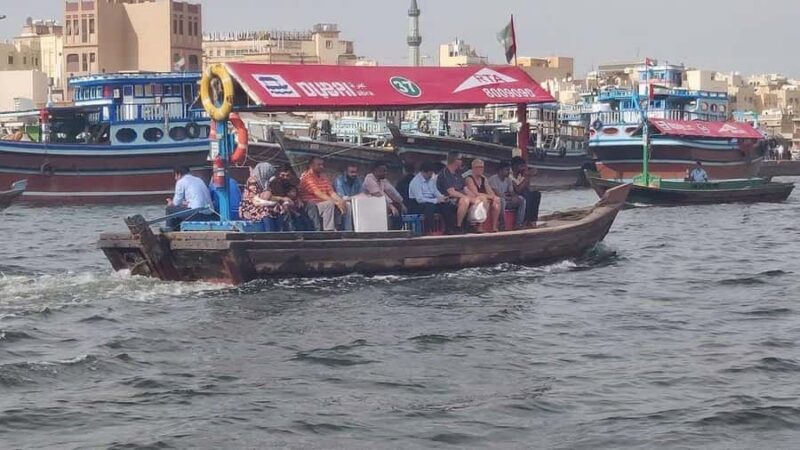
The abra ride is a short but memorable change of pace. After walking through the old neighborhoods and markets, you board a water taxi and cross Dubai Creek toward the spice and gold souks. The ride is about 15 minutes in the itinerary, and it gives you a view of the city from the water rather than the street.
This crossing matters because the creek is more than a scenic break. It links the two sides of the route and helps explain why the area’s trade and markets developed where they did. You are not taking a long cruise, so think of the abra as local transport with a view, not a sightseeing boat tour.
The boat ride is included in the price. If you have never taken an abra, it is a simple and direct way to experience a familiar part of old Dubai’s transport. It also offers a welcome pause from walking, though the tour continues on the other bank.
Follow the spice smells to the Gold Souk
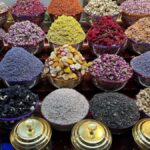
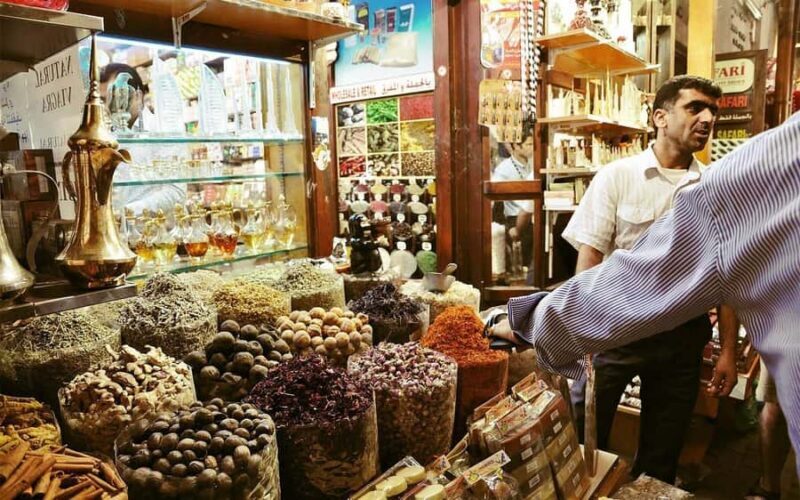
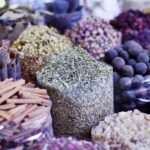
At the Spice Souk, expect a sensory stop: piles of spices, the scent of coffee, and vendors selling ingredients from across the region. A guide can introduce flavors and recipes and help explain what you are looking at. Local food is included, but the exact item may vary. One group had a chicken wrap before crossing the creek, while another sampled Arabic coffee and dates in a Bedouin-style tent. Treat those particular bites as examples, not a fixed menu.
Camel milk tea and camel milk chocolate are also included, along with water. These small tastings add something to the walk beyond architecture and shopping, and you can ask about flavors that are new to you. If you have dietary concerns, the available information does not specify alternatives, so ask the operator before booking.
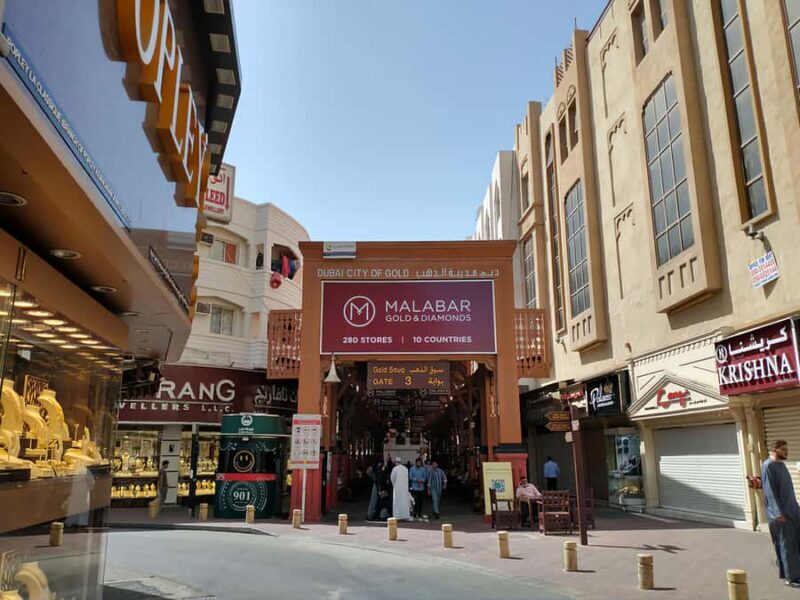
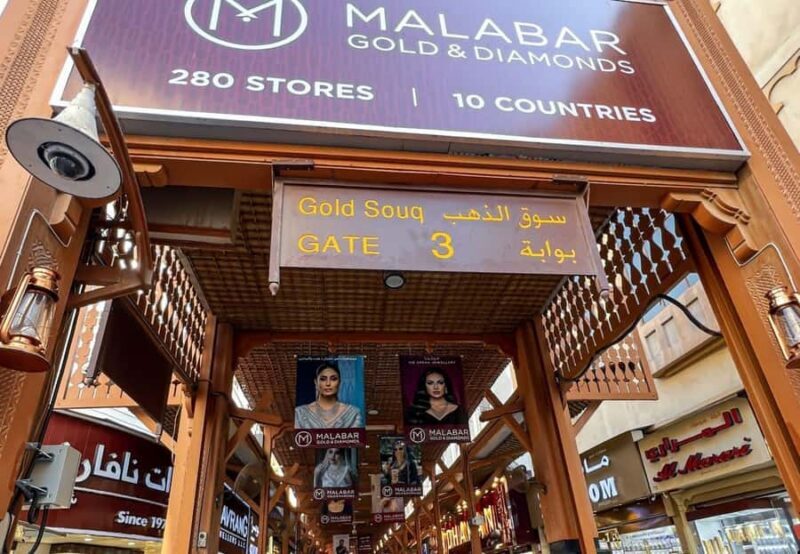
The Gold Souk is the route’s biggest visual flourish. With more than 350 tax-free gold retailers, the market is striking even if you have no plans to shop. Displays of gold jewelry fill the storefronts, and the scale of the retail area makes for a memorable final stop. You can browse, take photos, and listen to your guide without making a purchase.
The itinerary allows about 45 minutes each at the spice and gold souks, enough to take in the scene and hear an explanation. Market pace varies, and the lanes can be busy. Keep your belongings close and take care with photos around shops and people.
More Great Tours NearbyIs $23 good value for three hours?
At $23 per person, the tour is good value if you want a guide to connect the sights and take care of the route. The price includes a licensed guide, an abra crossing, camel milk tea, camel milk chocolate, local food, and water. Taken together, those inclusions make it more than a basic walking tour, especially if you value historical context and help navigating the markets.
The value depends on what you want. If you prefer to explore every shop at your own speed, a guided group may feel restrictive. If you want a compact introduction to old Dubai, the guide’s explanations and the one-way crossing are a practical way to cover several distinct areas in three hours.
Hotel pickup and drop-off are not included in the standard option. The meeting point is Sharaf DG Metro Station, Exit 4, which is accessible by metro or taxi. A private option is available with pickup and drop-off anywhere in Dubai, including hotels and the airport. The tour’s listed drop-off points include Dubai and Al Ras Metro Station, so confirm which one applies to your selected option.
You can also read our reviews of more boat tours in Dubai






Prepare for the walk and the weather
Wear comfortable shoes and clothes, and bring sunglasses and a sun hat. The route includes outdoor walking and market lanes, so even a tour with shaded sections can feel hot. One group found the markets well shaded, but you should not count on shade for every part of the walk.
This is not a suitable choice for wheelchair users or people with mobility impairments. Baby strollers and large bags are not allowed. The three-hour duration and the mix of walking, stopping, and boarding an abra are worth considering before you book, particularly if you are traveling with young children or anyone who needs a slower, accessible route.
Tours are offered in English and German, with private groups available. Starting times depend on availability. You can cancel up to 24 hours in advance for a full refund, and the reserve-now, pay-later option lets you hold a place without paying immediately.
Should you book this Old Dubai walk?
Book it if you want a guided introduction to Al Fahidi, the creek, and the old souks, and if a short abra ride sounds more appealing than simply walking between markets. It is especially suited to first-time visitors, curious history fans, and anyone who wants help understanding the difference between old Dubai and the newer city.
Think twice if you need an accessible route, dislike heat, or want plenty of unstructured shopping time. For most people who are comfortable on foot, the combination of a local guide, market visits, tastings, and creek crossing makes this a useful and fairly priced way to spend three hours.
walking tour in old dubai, souks, abra boat, old town
FAQ
How long is the tour?
The tour lasts three hours. It includes walking through Old Dubai, visits to market areas, and a water-taxi crossing of Dubai Creek.
Where is the meeting point?
The standard meeting point is Sharaf DG Metro Station, Exit 4. It is accessible by metro or taxi, and the guide waits there wearing a tour guide license.
What is included in the $23 price?
The tour includes a licensed guide, camel milk tea, camel milk chocolate, local food, water, and the abra water-taxi trip.
Is hotel pickup included?
Hotel pickup and drop-off are not included in the standard option. Pickup and drop-off anywhere in Dubai are included with the private option.
Which languages are available?
The live tour guide languages are English and German.
Is the tour suitable for wheelchair users?
No. The tour is not suitable for wheelchair users or people with mobility impairments.
What should I bring, and what is not allowed?
Bring comfortable shoes, sunglasses, a sun hat, and comfortable clothes. Baby strollers and luggage or large bags are not allowed.
You can check availability for your dates here: