Van Gogh’s painted world takes on a different shape in Tallinn: you can study reconstructed works in a gallery, then watch color and movement fill a 360-degree hall. I like the mix of art and biography, and the chance to step into scenes such as Café Terrace or a starry field with the optional virtual reality tour.
One point to weigh: this is an exhibition of reconstructions and multimedia, not a chance to see original Van Gogh paintings. Some rooms can feel warm, and the signs directing you to the venue may not be clear, so give yourself a little extra time to find it.
What to know before you book
- More than 200 artworks: Reconstructed oil paintings, sculptures and animated canvases bring Van Gogh’s work into a physical gallery.
- A 360-degree show: A large multimedia room uses movement and music to carry you through Van Gogh-inspired scenes.
- VR costs extra: The virtual reality tour is included only with the VR ticket option.
- A personal view of the artist: Step into a recreation of Van Gogh’s bedroom and read personal letters alongside information about his life.
- Flexible visit length: Your ticket is valid for one day, and there is no time limit on your visit after you enter.
- Plan for the room conditions: Some exhibition rooms may feel hot, and signage to the venue could be clearer.

👉 See our pick of the 7 Best Guided Tours In Tallinn
- What to know before you book
- Starting with Van Gogh’s life and work
- The gallery: reconstructed paintings and personal letters
- The 360-degree hall: color, music and movement
- The VR option: walking through painted scenes
- What the ticket gets you
- Finding the venue and planning your visit
- Who will enjoy this exhibition most?
- Should you book the Van Gogh exhibition?
- FAQ
- Are original Van Gogh paintings on display?
- Is virtual reality included with the regular ticket?
- How long can I stay inside?
- What are the opening dates and hours?
- How early or late can I arrive for my entry time?
- Is the exhibition wheelchair accessible?
- Do children under four need a ticket?
- The Best Of Tallinn!
- More Tickets in Tallinn
- More Tours in Tallinn
- More Tour Reviews in Tallinn
- Not for you? Here's more nearby things to do in Tallinn we have reviewed
Starting with Van Gogh’s life and work
 1 / 3
 2 / 3
 3 / 3
This exhibition tells Van Gogh’s story through more than paintings on a wall. You move between a physical gallery, biographical material and large-scale projections, with each part offering a different way to approach his work. That variety helps if you want a compact introduction rather than a long, text-heavy museum visit.
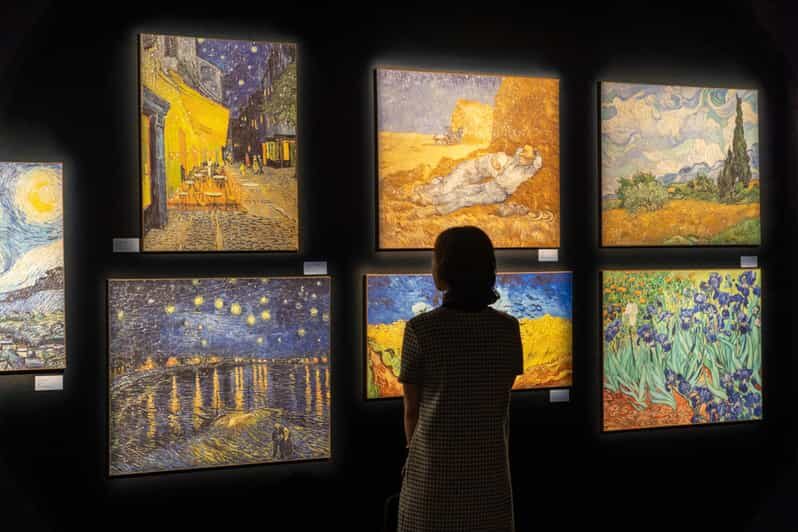
The experience is run by PoCo, the Pop And Contemporary Art Museum. The ticket gives access to more than 200 artworks, including reconstructed oil paintings, sculptures and three-dimensionally animated canvases. The distinction matters: you are seeing interpretations and presentations of Van Gogh’s art, not original paintings by the artist.
I like that the exhibition links artistic technique with emotion. It explains how Van Gogh used color and brushstrokes to convey feelings such as anxiety, joy, loneliness and hope. Even if you already know the famous images, that focus can help you look at them with more attention.
It is also a practical choice if you want to learn something in a relatively short time. One visitor described getting a useful sense of Van Gogh’s life and work in a short visit, and the different formats make it easier to keep moving between looking, reading and watching. You do not need to plan a full day around it, though the ticket itself remains valid for one day.
You can also read our reviews of more tours and experiences in Tallinn


The gallery: reconstructed paintings and personal letters
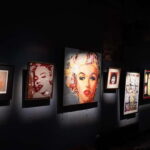
The physical gallery is the best place to begin if you want some context before the projections take over. Reconstructed paintings sit alongside sculptures and animated canvases, giving you a chance to look at the work in more than one form. The range of over 200 artworks sounds substantial, but remember that quantity here refers to a presentation of works and related material, not a collection of originals.
A recreation of Van Gogh’s bedroom offers a more intimate change of pace. It shifts the focus from the familiar images to the artist’s everyday life, while personal letters provide another route into his story. If you enjoy biographies as much as pictures, these details may be the most rewarding part of the visit.
The exhibition also addresses Van Gogh’s struggles with poverty and mental health. That context can make the work feel less like a set of famous images and more like the output of a person working through difficult circumstances. The information is designed to be approachable, though it is not a substitute for a detailed art-history account.
Take time to look at the different tools and formats on display. One visitor particularly valued seeing the tools used in the creative process, and the exhibit’s mix of physical objects and digital presentation gives you more to inspect than projected images alone. If you are visiting with someone who prefers traditional galleries, this section may be the part that feels most familiar.
The 360-degree hall: color, music and movement
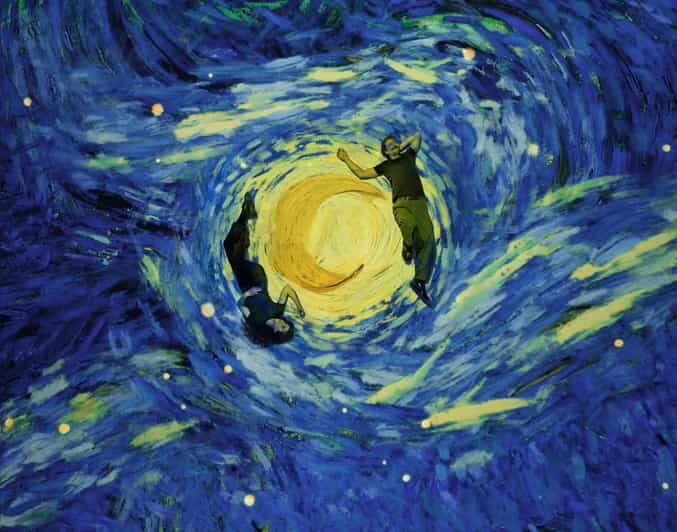
The central multimedia room is where the exhibition changes scale. Rather than standing in front of one framed image, you can sit or stand in a space where animated images spread across the room. The presentation uses music and movement, making brushwork and color feel more immediate than they do on a standard gallery wall.
The scenes include yellow fields and a starry sky, with Van Gogh’s visual language filling your field of view. The effect is intended to make you feel as if you are moving through the art rather than simply viewing it. That can be a welcome change for visitors who respond to sound and motion, or for children who have trouble lingering in a conventional gallery.
A playful visual illusion involving the floor was singled out as especially captivating. The exhibition’s changing perspectives are part of the appeal: you may find yourself watching the walls, then looking down or around as the room alters the sense of space. Give yourself time to settle into the show instead of treating it as a quick photo stop.
There are limits to this approach. Large projections can make art feel dramatic, but they do not offer the same close inspection of paint, canvas or brushwork as an original work. One visitor wished the presentation included more sensory elements, such as touch and smell. If you value close study of original objects above spectacle, this format may not be your ideal way to meet Van Gogh.
The VR option: walking through painted scenes
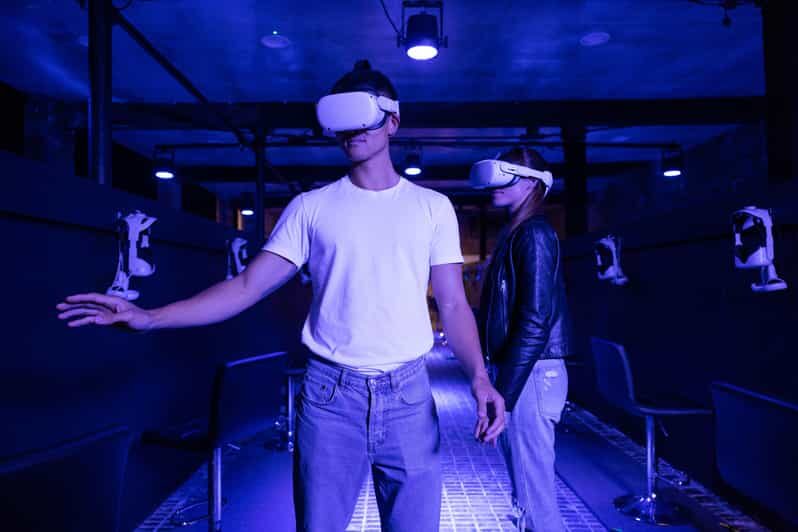
The virtual reality tour is an add-on, not part of the regular ticket. If you choose the VR option, the headset places you inside Van Gogh-inspired settings, including Café Terrace, yellow fields and a starry sky. The point is not simply to see the paintings at a larger scale, but to move through their imagined spaces.
That change in viewpoint can make familiar scenes feel playful and surprising. A visitor described the headset as a fun part of the exhibition, and the interactive quality may appeal if you like trying new formats. It is also a sensible choice if the main reason you are booking is to experience art in a way a conventional museum cannot offer.
You can still visit the exhibition without VR. The physical gallery and 360-degree multimedia hall are included with the regular ticket, so you are not missing the core experience by declining the upgrade. Choose the VR option if you are curious about the technology or want the most interactive version; skip it if you prefer to spend your time with the gallery and large-screen presentation.
More Great Tours NearbyWhat the $19 ticket gets you
At $19 per person, the standard ticket covers access to the physical gallery, more than 200 artworks and the 360-degree multimedia hall. It is a fair value if you enjoy a mix of visual art, personal stories and digital presentation, especially since you can stay as long as you like after entering.
The main value is variety. You can look at reconstructed works, read letters, explore the bedroom recreation and then move into a full-room presentation. For a visitor with limited time in Tallinn, that makes this a compact, self-contained cultural stop rather than a visit that depends on a long guided tour.
The price is less persuasive if you expect original Van Gogh paintings. One visitor felt the exhibition should have included a couple of originals, which points to a real difference in expectations. You are paying for the presentation and the range of formats, not access to works from the artist’s own hand.
Tickets bought in advance cost less than tickets bought on site. If your dates are settled, booking ahead is a straightforward way to keep the cost down. You can also reserve now and pay later, and cancel up to 24 hours before your visit for a full refund.
You can also read our reviews of more museum experiences in Tallinn





Finding the venue and planning your visit
The exhibition is in Harju, and it is open from 18 June to 10 January 2027, between 10:00 and 20:00. It closes on 24 and 25 December, 31 December and 1 January. Check the available entry times when booking, as the ticket is tied to a selected time.
You may enter up to 15 minutes before or after that time. Once inside, there is no limit on how long you can stay, so you can move at your own pace and return your attention to a section that interests you. The exhibition is listed as a small group experience, with a limit of 10 participants.
Getting to the area by tram is possible, but signage to the venue may be poor. It is worth checking the location before you set off rather than assuming the entrance will be obvious. There are other services in the area, which can be useful if you want to combine the visit with a nearby stop.
Some rooms may feel hot. Dress for indoor comfort, and take advantage of the free lockers available at the venue if you need to store belongings. Pets are not allowed, though assistance dogs are permitted.
Wheelchair access is available. Children under four enter free, and a companion accompanying a visitor with disabilities also enters free of charge. Discount tickets require a document confirming eligibility, so have the appropriate proof with you.
Who will enjoy this exhibition most?
I would recommend this to you if you are curious about Van Gogh but want an accessible, visually lively introduction. The blend of biography, reconstructions and projections can work well for families, casual art fans and anyone who enjoys seeing familiar paintings presented in a new way.
It is also a good fit if you want a cultural activity that does not require hours of reading labels. The personal letters and recreated bedroom offer context, while the large-screen show gives the visit a clear visual center. The small group limit may also suit you if you prefer a less crowded setting, though the information provided does not specify how every entry time is arranged.
You may want to choose a traditional art museum instead if original paintings are your priority. This exhibition is about interpretation and atmosphere, not the close study of authentic canvases. And if you are sensitive to warm rooms or find projection shows tiring, keep that in mind before booking.
Should you book the Van Gogh exhibition?
Book if you want a varied, approachable look at Van Gogh’s work and life, with the option to add a virtual reality tour. The gallery, letters and 360-degree room give you several ways to engage, and the $19 price includes a generous visit window with no fixed end time.
Skip it if you are specifically seeking original Van Gogh paintings or a quiet, traditional gallery experience. For everyone else, it is a useful Tallinn stop, especially if you book in advance, check the route carefully and decide before checkout whether VR is worth the extra cost.
Van Gogh Immersive Exhibition Entry Ticket in Tallinn
FAQ
Are original Van Gogh paintings on display?
The exhibition includes reconstructed oil paintings, sculptures and animated canvases. The information provided does not list original Van Gogh paintings.
Is virtual reality included with the regular ticket?
No. The VR experience is included only if you select the VR ticket option.
How long can I stay inside?
Your ticket is valid for one day, and your visit has no time limit after you enter.
What are the opening dates and hours?
The exhibition is open from 18 June to 10 January 2027, from 10:00 to 20:00. It is closed on 24 December, 25 December, 31 December and 1 January.
How early or late can I arrive for my entry time?
You can enter up to 15 minutes before or after the selected time.
Is the exhibition wheelchair accessible?
Yes, the exhibition is wheelchair accessible. A companion of a visitor with disabilities enters free of charge.
Do children under four need a ticket?
Children under four enter free of charge.
You can check availability for your dates here: