
Kampot and Kep make an appealing pair: one day can take you from a 7th-century Shiva shrine inside a limestone cave to a pepper farm, a crab market and the coast. I like the mix of local history and countryside stops, and the chance to taste pepper where it grows. Guides such as Vandy and Sa Ny help make the route more than a string of photo stops.
I also like that a small group, capped at 10, can cover a lot without asking you to arrange separate rides. The main cave may be hard to enter in wet weather, and salt harvesting is seasonal, so the sights can change with conditions. You’ll spend much of the day in an open tuk-tuk, which is part of the pleasure when the weather cooperates and less fun in heavy rain.
- Key points to know before you go
- One day, from Kampot’s salt fields to Kep’s shore
- Salt fields: a useful stop, with a seasonal catch
- Phnom Chhngok: a shrine inside a limestone cave
- Secret Lake: scenery with a difficult past
- Kampot pepper: walk, taste and choose a farm
- Kep Crab Market: lunch on your own terms
- The Crab Statue, beach and old French villas
- The Durian Roundabout and the ride back
- What buys, and what you’ll pay extra for
- A few practical details that affect the day
- Who should book this Kampot and Kep tour?
- FAQ
- How long is the Kampot and Kep tour?
- Which sights are included?
- Is lunch included in the price?
- Can I see salt being harvested?
- Is the pepper-farm tasting included?
- Is this tour suitable for someone with limited mobility or claustrophobia?
- More Tours in Kampot Province
- More Tour Reviews in Kampot Province
- Not for you? Here's more nearby things to do in Kampot Province we have reviewed
Key points to know before you go
 1 / 8
 2 / 8
 3 / 8
 4 / 8
 5 / 8
 6 / 8
 7 / 8
 8 / 8
- Phnom Chhngok is the standout stop: Find an old brick Hindu shrine dedicated to Shiva inside a limestone cavern.
- Pepper is more than a souvenir: A guided farm walk and peppercorn tasting are included.
- Kep brings the seafood and sea air: The crab market, blue swimmer crab statue and beach give the day a coastal finish.
- The salt fields depend on the season: Harvesting is most active in the dry months.
- The $20 price covers the ride and guide: Bring extra money for lunch, personal purchases and any entrance fees.
- The group stays small: The maximum is 10, with English-speaking local guides and hotel pickup available.
One day, from Kampot’s salt fields to Kep’s shore
This tour is built for a useful first look at two neighboring parts of southern Cambodia. In about 7.5 hours, you travel by tuk-tuk through rural Kampot Province and onward to Kep, with stops that range from farming and local history to food and the coast.
The plan covers nine main sights: Kampot Salt Fields, Phnom Chhngok Cave Temple, Secret Lake, a pepper farm, Kep Crab Market, the Crab Statue, Kep Beach, the old French villas and Kampot’s Durian Roundabout. The appeal is the variety. You get a sense of how the area is shaped by agriculture and the sea, rather than spending the whole day inside one attraction.
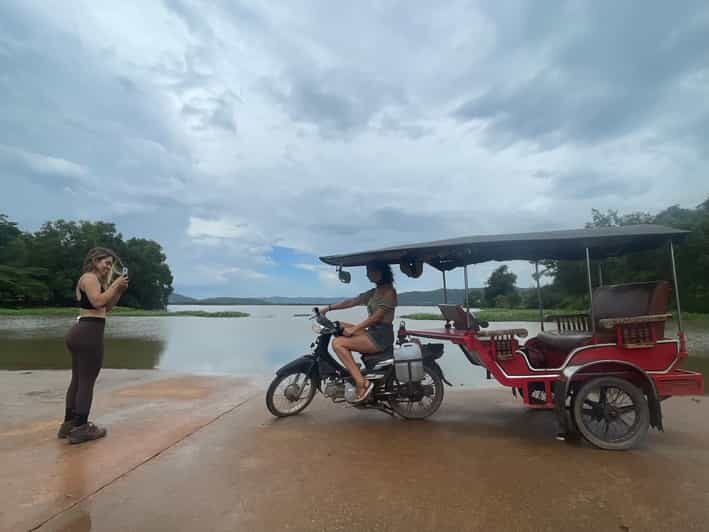
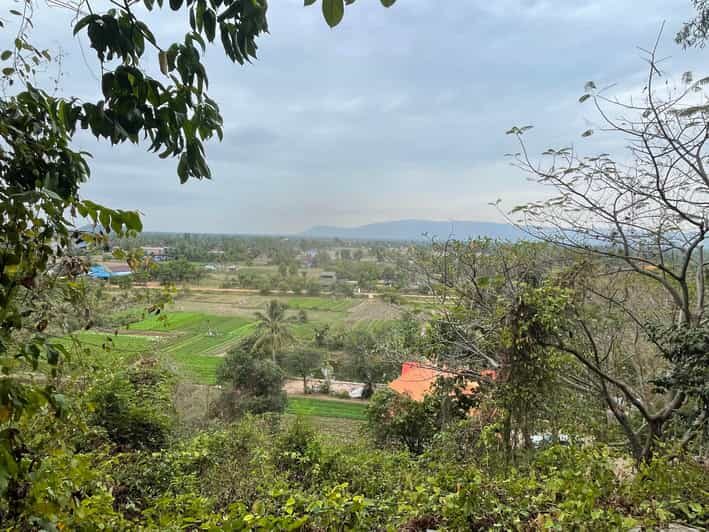
The ride is part of the experience. You’re close to the countryside, and the route offers views of rice fields and limestone karst country. But a tuk-tuk is open to sun and rain, and the trip includes several stretches on the road. Pack for the weather, and don’t expect a climate-controlled transfer.
You can also read our reviews of more tours and experiences in Kampot Province.
Salt fields: a useful stop, with a seasonal catch
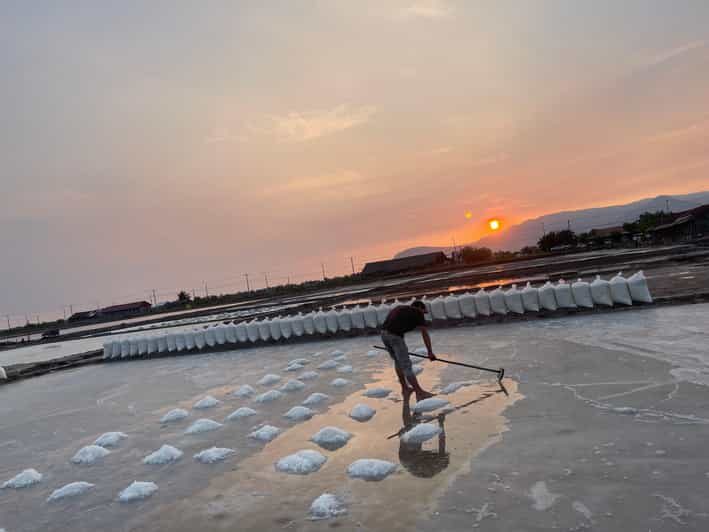
The morning begins at Kampot’s salt fields, where traditional sea-salt harvesting is visible during the dry season. When production is active, you can see how salt is collected and processed. It’s a practical introduction to one of the region’s local industries, and a good reminder that the countryside here is not just scenery.
Timing matters. Salt harvesting is primarily active in the dry season, so you may see stored salt rather than the work itself at other times of year. In the rainy season, the fields can still be a stop, but don’t plan your day around watching the full process.
This is one reason the tour’s range helps. If one seasonal activity is quiet, other stops still offer different things to see and learn. Bring your camera, but also treat the salt fields as a working place, not just a backdrop.
Phnom Chhngok: a shrine inside a limestone cave
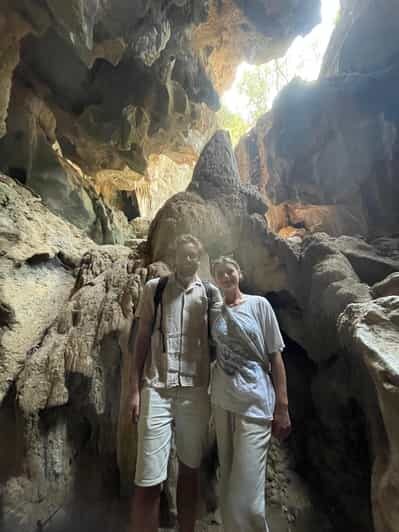
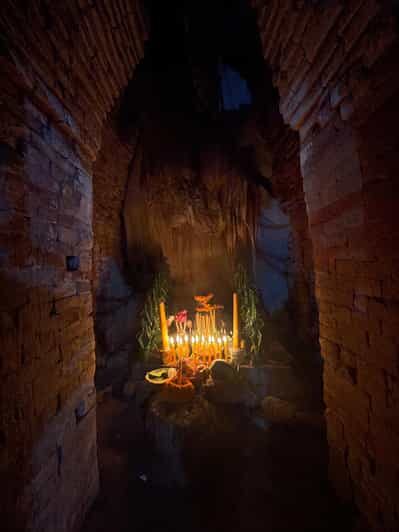
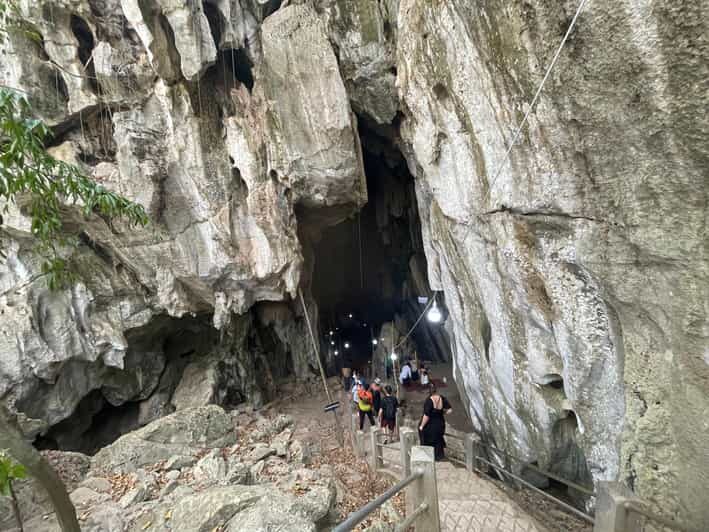
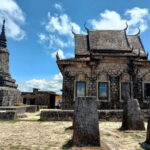
The most unusual stop is Phnom Chhngok, a cave temple that holds a 7th-century brick Hindu shrine dedicated to Shiva. The setting is memorable: limestone surrounds the old structure, and reaching it means going into a cavern rather than simply walking up to a temple façade.
The cave brings an element of exploration that many standard countryside tours lack. The shrine also gives your guide a chance to explain the area’s earlier religious and cultural history. Guides including Sa Ny and Vandy are praised for explaining the stops clearly and answering questions, which matters here: a remarkable structure makes more sense when you know what you’re looking at.
There is a practical caveat. The main cave may be inaccessible in some conditions, including during rainy weather, and a substitute cave may be offered instead. The tour is also listed as unsuitable for people with claustrophobia, respiratory issues, heart problems or mobility impairments. If any of those apply, ask the operator about the cave and walking demands before you book.
Secret Lake: scenery with a difficult past
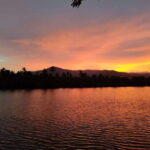
Secret Lake, also known as Brateak Krola, is an artificial reservoir set among rural scenery. It’s a quieter pause between the cave and the farm, with time to take photographs and hear about the lake’s history.
The site is associated with the Khmer Rouge era, giving the visit a more sobering note than its peaceful appearance might suggest. This contrast is part of what makes the stop worthwhile: the view is lovely, but the place is also connected to a painful chapter in Cambodia’s past. Let your guide’s explanation set the tone, and take a moment rather than treating it as only a quick photo stop.
More Great Tours NearbyKampot pepper: walk, taste and choose a farm
The pepper farm is one of the day’s best opportunities to connect a familiar ingredient with its origin. Your visit includes a guided walk and a peppercorn tasting, and farms on the route may include La Plantation or BoTree. The exact choice can be flexible, so you can ask which farm is planned and what the visit includes.
At BoTree, visitors have described an especially engaging farm tour and a generous tasting. The tasting gives you a chance to compare different peppers, while the walk helps explain how the crop is grown. You can also buy pepper to take home, but purchases are optional and not part of the tour price.
Allow time to look around and ask questions. The farm stop can take a meaningful share of the day, and that is a good thing if food and agriculture interest you. If you prefer to spend longer at the coast or market, ask your guide whether the pace can be adjusted. The guides are often described as attentive to individual interests, but the day still has several stops to fit in.

Kep Crab Market: lunch on your own terms
Kep Crab Market is the day’s most tempting stop for anyone who likes seafood. The market is known for fresh blue swimmer crabs, and you’ll have time to explore and eat. Lunch is not included, so keep cash ready for a meal and any other personal purchases.
Fresh crab with green pepper is a regional specialty worth considering. If you’re unsure how to choose or order, your guide may be able to help you communicate with vendors and pick a meal. That kind of local assistance can make a market stop easier, especially if you’re travelling solo or unfamiliar with the food.
The market is a working place, not a polished food hall. Expect a more casual meal and decide what suits your appetite and budget. You can also use this stop to try other local food, but the tour price does not cover your order.
The Crab Statue, beach and old French villas
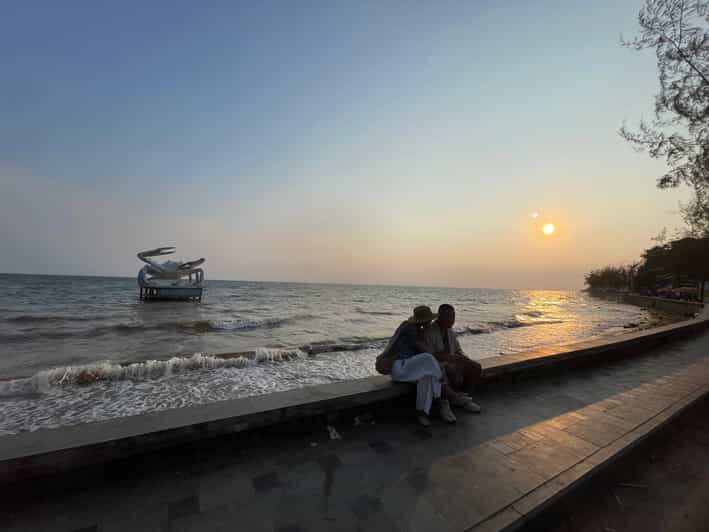
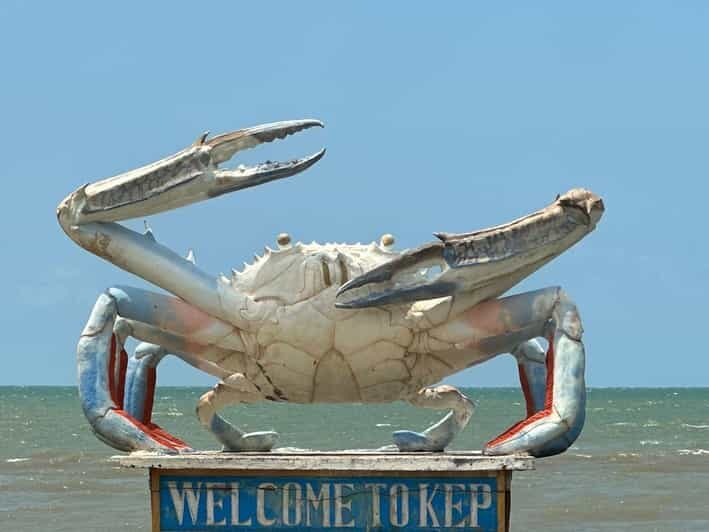
Near the market, the blue swimmer Crab Statue makes an easy photo stop by the water. It’s a playful landmark and a quick way to mark the move from countryside to coast.
Kep Beach offers time to stroll or relax along its crescent-shaped shore. The beach is a welcome change of pace after a full day of stops, and some tours reach it late enough for sunset. Bring swimwear if you might want to get in the water, though the schedule and weather will shape how long you can linger.
The abandoned colonial French villas add a more atmospheric note. These ruins are scattered along Kep’s coastline, a reminder of the town’s earlier role as a seaside retreat. Your guide can point out the buildings and explain their place in the area’s past. Treat them as ruins to view respectfully, rather than assuming every structure is open to enter.
The Durian Roundabout and the ride back
The tour finishes with a photo stop at Kampot’s Durian Roundabout, a distinctive town landmark, before returning to the starting point at Epic Arts Café. Hotel pickup may be available, but check the details for your date and arrange to be ready 15 minutes before the scheduled start if you’re meeting at your hotel.
The last stop is brief, but it brings the route back to Kampot and gives you a familiar point to orient yourself after a day outside town. Some guides may be able to drop you somewhere other than the original meeting point, but don’t count on that without checking in advance.
What $20 buys, and what you’ll pay extra for
At $20 per person, this is strong value if you want transport, a guide and a broad introduction to Kampot and Kep in one day. Full-day tuk-tuk transportation, an experienced local guide or driver, the guided pepper-farm walk and tasting, cold water and coconuts are included.
You’ll need extra cash for lunch, souvenirs, personal expenses and any entrance fees that apply. The tour is not an all-inclusive day, but its low price leaves room to choose what you want to eat or buy. If you order fresh crab or pick up pepper at the farm, those costs are yours to manage.
A group is limited to 10 people, though some departures may be smaller. Solo travellers have also taken the tour alone with a guide, while larger parties may travel in more than one tuk-tuk. The small-group format can make it easier to ask questions and adjust the pace than on a large coach tour.
A few practical details that affect the day
Wear comfortable shoes for the cave and the stops where you’ll be walking. Bring water beyond the cold water and coconuts provided if you know you drink a lot, plus insect repellent, cash and a camera. Swimwear makes sense if you want the option of a dip at Kep Beach.
Rain can change the day. Salt production is seasonal, and access to the main cave may be affected by wet conditions. A guide may adjust the route, but you should be ready for a different version of a stop rather than expecting every sight to look the same year-round.
The tour is described as wheelchair accessible, but it is also listed as unsuitable for people with mobility impairments. Because cave access and uneven ground can be challenging, contact the operator to clarify whether the route fits your specific needs before booking.
Who should book this Kampot and Kep tour?
I’d choose this tour if you have one day to spare, want to see both Kampot and Kep, and would rather leave the transport and route planning to a local guide. It is particularly well suited to curious eaters, people interested in rural life and history, and solo travellers who value a guided day with company.
It may not suit you if you want a slow beach day, have difficulty with cave access or need a fully predictable outdoor itinerary. Weather and season affect some stops, and you’ll spend a fair amount of time on the road. But for $20, the combination of a cave shrine, pepper tasting, market lunch options and coastal scenery makes it an efficient, engaging way to get your bearings.
Kampot & Kep: Full Day Premium Tour of 9 Top Sights
FAQ
How long is the Kampot and Kep tour?
The tour lasts about 7.5 hours. It starts at Epic Arts Café, with hotel pickup available depending on the booking details, and returns to the starting point.
Which sights are included?
The main stops include Kampot Salt Fields, Phnom Chhngok Cave Temple, Secret Lake, a pepper farm, Kep Crab Market, the Crab Statue, Kep Beach, colonial French villa ruins and Kampot’s Durian Roundabout.
Is lunch included in the $20 price?
No. Lunch and personal expenses are not included. Entrance fees may also cost extra, while transportation, a local guide, the pepper-farm walk and tasting, cold water and coconuts are included.
Can I see salt being harvested?
You’re most likely to see active salt harvesting during the dry season. Harvesting is seasonal, so at other times you may see stored salt rather than the process in action.
Is the pepper-farm tasting included?
Yes. The tour includes a guided pepper-farm walking tour and a peppercorn tasting. Pepper purchases and other souvenirs are extra.
Is this tour suitable for someone with limited mobility or claustrophobia?
The tour is listed as unsuitable for people with mobility impairments or claustrophobia. Cave access and walking may be challenging, so contact the operator to discuss your needs before booking.
You can check availability for your dates here: