Monteverde’s coffee story comes into focus on a small family farm, where you can see how beans are grown and processed, then taste the results. The two-hour tour also brings you fresh sugar cane juice and a short chocolate-making demonstration, so the experience is as much about tasting as learning.
I like the small group size, capped at eight, and the chance to hear about coffee production from guides with family ties to the farm. I also like that the demonstrations lead straight to samples: you can taste sugar cane juice, several coffees, and chocolate rather than just watch a process from a distance.
One thing to know before booking: despite the three-crop title, coffee gets most of the attention. Sugar cane and chocolate add welcome variety, but the chocolate segment is brief, and cocoa is not grown on the farm.
- Key points to know before you go
- A small farm, with coffee at its heart
- Walking the coffee and sugar cane plots
- Seeing how coffee becomes a cup
- Pressing cane and sampling its sweetness
- Chocolate at the end, with a caveat
- What buys you
- Who will enjoy this tour most
- Should you book it?
- FAQ
- How long does the tour last?
- Where does the tour start?
- Which languages are available?
- What tastings are included?
- Is chocolate grown on the farm?
- What should I wear?
- The Best Of Monteverde!
- More Coffee Experiences in Monteverde
- More Tours in Monteverde
- More Tour Reviews in Monteverde
- Not for you? Here's more nearby things to do in Monteverde we have reviewed
Key points to know before you go
 1 / 7
 2 / 7
 3 / 7
 4 / 7
 5 / 7
 6 / 7
 7 / 7
- Coffee is the main event: Expect a farm walk, an explanation of processing and roasting, and a tasting of several coffee types.
- Sugar cane is hands-on: You can taste freshly harvested cane and see it pressed into juice.
- Chocolate is a short finale: Learn a little about cocoa and chocolate-making, then sample chocolate, sometimes with fresh fruit.
- Guides bring family experience: Junior and Axel are among the guides praised for lively, personal explanations.
- The farm is small and artisanal: This is a close-up look at working methods, not a vast plantation visit.
- Plan for a walk outdoors: Wear comfortable shoes and be ready for changing weather.

👉 See our pick of the 25 Best Tours In Monteverde
A small farm, with coffee at its heart
Café Ancestros is about 20 minutes from the center of Monteverde. The meeting point is listed at Los Tornos, 500 meters west of Escuela de, in Guanacaste Province. The tour starts and ends at the café, making it a straightforward outing if you are already exploring the Monteverde area.
The setting matters. A small farm gives your guide room to explain the work at a human scale: how plants are tended, what happens to coffee after harvest, and how local production has changed over time. Guides such as Junior and Axel draw on family experience in the coffee industry, including stories of helping older generations with farm work. That personal thread gives the tour more character than a generic overview of coffee production.
You should not expect acres of crops stretching to the horizon. The plantation is modest, and that is both its appeal and its limit. You get a more direct conversation and can get close to the plants and demonstrations, but the experience is not a grand agricultural estate tour.
The group limit of eight suits this format. A small group makes it easier to hear the guide, ask questions, and take part when there is a chance to handle or taste something. Some departures may be even smaller, but you should book expecting a group tour rather than a private one.
You can also read our reviews of more tours and experiences in Monteverde

Walking the coffee and sugar cane plots
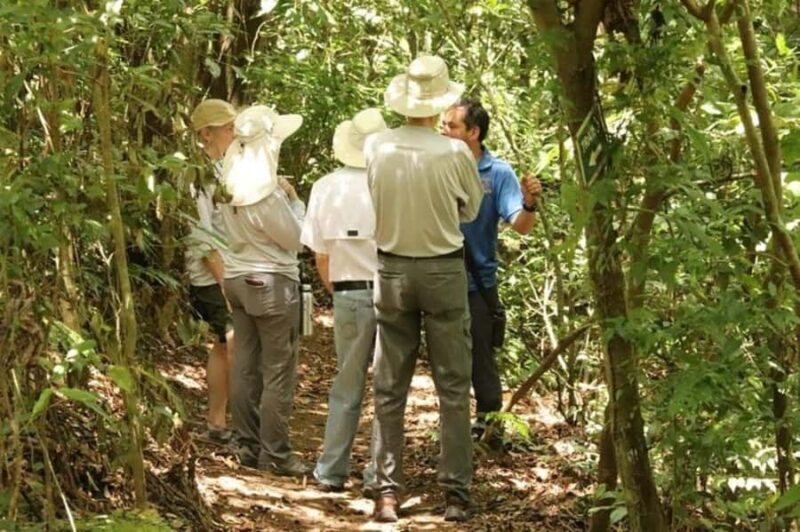
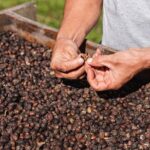
The walk begins among coffee and sugar cane plants, with the guide explaining what grows here and how these crops connect to local life. You will hear about coffee’s journey to the Americas and the place sugar cane has held in regional traditions. The walk is not only a scenic stroll: it sets up the demonstrations by showing you the plants behind the products.
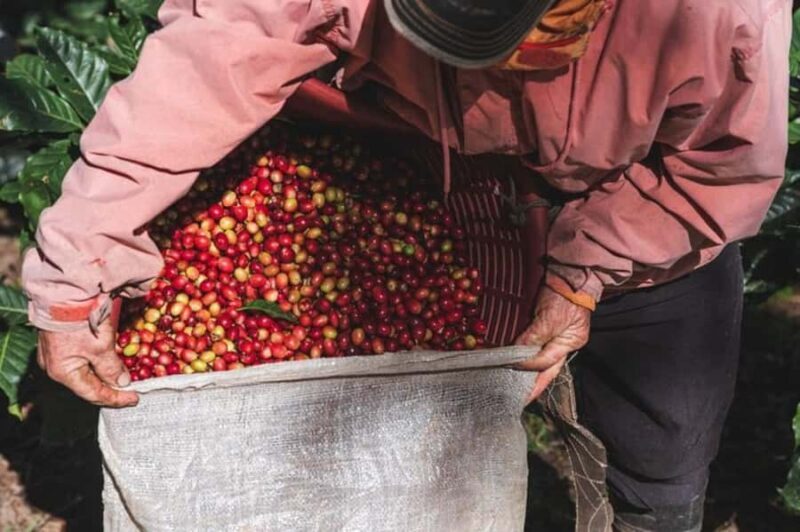
Coffee is the stronger part of this section. At higher elevations, coffee is well suited to the local conditions, and the guide explains why the region’s altitude matters. You can get a better sense of coffee as an agricultural product, not just a drink on a menu: the plant, the harvested bean, and the choices that shape what ends up in your cup.
Sugar cane makes the tour more tactile. You can taste a freshly harvested piece and experience its sweetness before it is processed. The cane may also be pressed so you can try the juice. This is a simple demonstration, but it connects the crop to its final flavor in a way that a talk alone cannot.
The tour description includes scenic views along the way, though the main draw is the farm and its explanations rather than a dedicated viewpoint stop. Wear shoes you are comfortable walking in, and bring clothing suited to outdoor conditions. The walk takes place on a working plantation, so it is sensible to expect natural ground rather than a polished indoor route.
Seeing how coffee becomes a cup
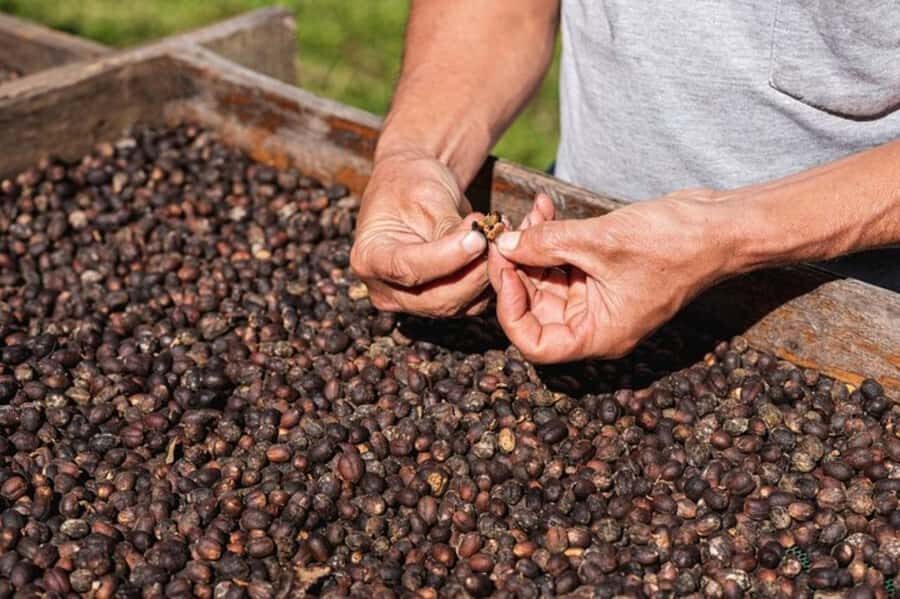
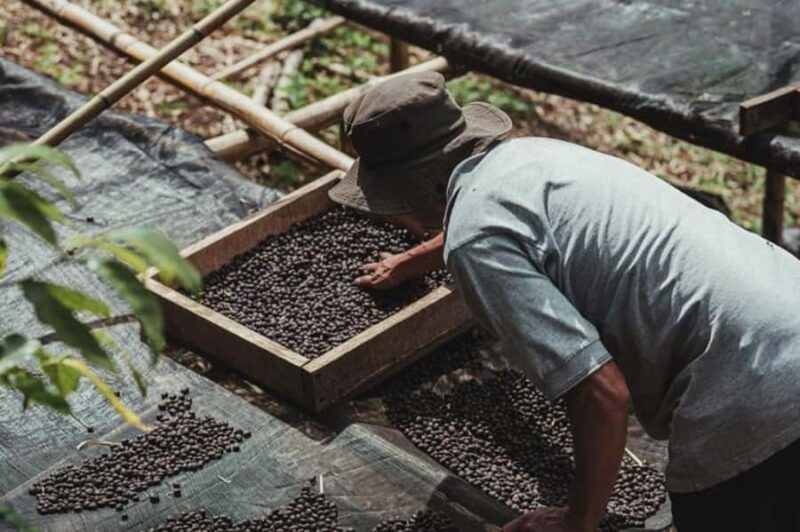
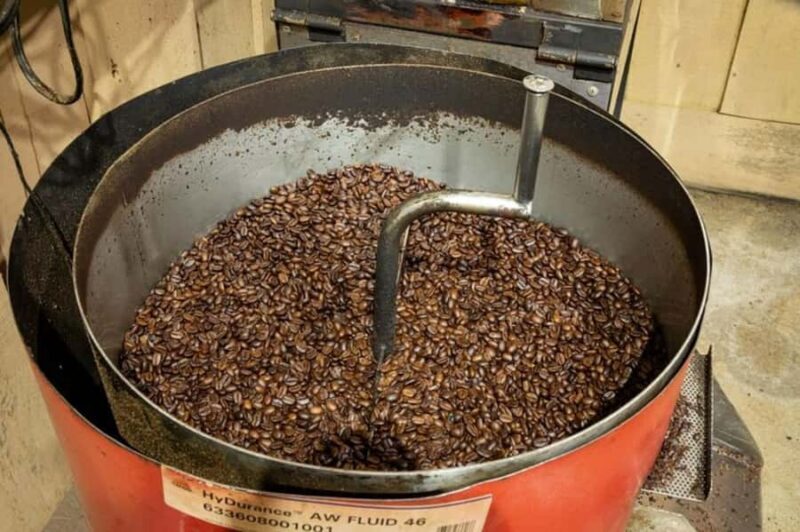
Coffee processing is the core of the experience. Your guide explains how coffee is handled after harvest and shows aspects of the processing method, linking the plant walk to the tasting that follows. The details can help you make sense of why coffees differ, and why roasting choices change the flavor you notice in the cup.
The guides’ family connections are particularly useful here. You are not only hearing definitions of coffee terms; you are also getting a sense of how methods have changed over time through practical experience. Junior and Axel are both named by past participants as engaging guides, and the broader strength of the tour is the way explanations are delivered with humor and conversation rather than as a lecture.
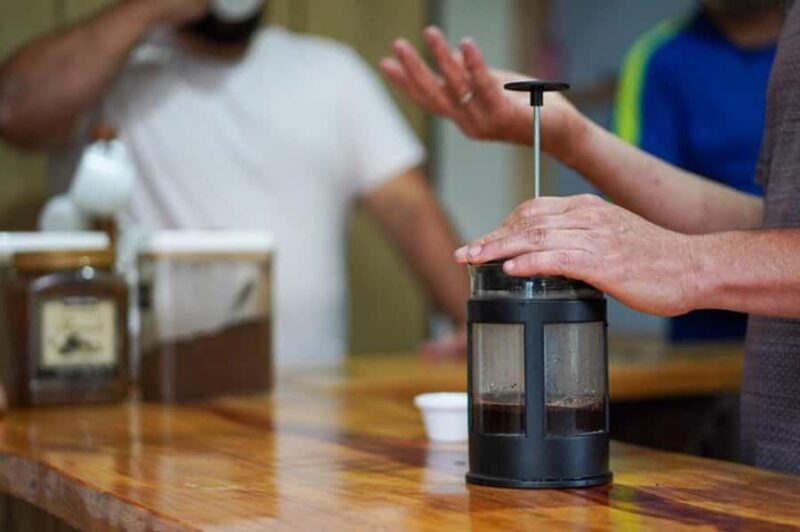
The tasting gives you a chance to compare different coffee types and roasts. The experience is described as including several samples, with options that can range from a bold espresso style to a smoother medium roast. The point is not to turn you into a coffee judge in two hours, but to help you notice how processing and roasting affect taste.
One useful perspective concerns the economics of coffee. The tour can also address the gap between what a coffee shop earns from a cup and what the farmer receives for the crop. That context matters: it links the pleasure of tasting coffee to the labor and business realities behind it. If you already drink coffee every day, this may change how you think about the value of a carefully made cup.
Expect the tasting to be a highlight, but not a formal tasting class with a stated curriculum. The tour promises multiple coffee samples and explanations of processing and roasts, not a professional cupping session. If your main goal is to compare beans in a technical way, check the current details before booking.
Pressing cane and sampling its sweetness
Sugar cane is the tour’s quickest hands-on contrast to coffee. You can taste cane fresh from the plant and see how it is pressed into juice. Some visitors have also been able to help grind the cane, making this a good moment for children to take part under the guide’s direction.
The flavor is direct and sweet, with none of the distance between crop and drink that comes with a processed product. You see the source, watch the method, and taste the result in one sequence. That small chain of steps is why the sugar cane stop adds more than a token sample.
Still, keep your expectations in proportion. The tour includes an introduction to sugar cane and a tasting, but most of the detailed explanation and time are devoted to coffee. If sugar production is your main interest, this is likely to feel like an appetizing introduction rather than a deep study of the crop.
More Great Tours NearbyChocolate at the end, with a caveat
The final section introduces cocoa and chocolate-making, then offers samples of chocolate. The guide may demonstrate how chocolate is made from cocoa beans, and the tasting can include chocolate sauce served with fresh fruit. It is a pleasant finish, especially after the coffee and cane samples.
But this is the shortest of the three themes. Cocoa is not grown on the farm, and the tour offers an introduction rather than a full plantation-to-bar account. If you are choosing the experience mainly to learn about chocolate cultivation or production, you may be better served by a dedicated chocolate tour elsewhere in Costa Rica.
That limitation does not make the chocolate segment pointless. It rounds out the story of three crops with strong links to food and local tradition, and it gives you another flavor to compare. Just book with coffee as your main expectation, and treat chocolate as a bonus.
You can also read our reviews of more tours and experiences in Monteverde

What $44 buys you
At $44 per person, the price covers a two-hour guided experience, the farm walk, coffee processing demonstration, and tastings of sugar cane, coffee, and chocolate. Meals and personal expenses are not included, so consider this a substantial tasting activity rather than a meal replacement.
The value is strongest if you enjoy learning how food is made. You get several parts of a coffee experience in one short visit: crop, processing, roasting, and tasting, with sugar cane and chocolate adding variety. The small group and family-farm setting also make the price easier to justify than a brief talk followed by a single sample.
There is a possible mismatch if you interpret the title as promising equal time for three crops. Coffee is the clear focus, sugar cane receives a shorter demonstration, and chocolate is a brief introduction. At $44, I think the tour makes the most sense for someone curious about coffee production who would also enjoy a few extra tastes.
There may be handmade goods available for purchase at the family-run shop, including coffee and other items. Purchases are optional and separate from the tour price. If you like bringing home local food products, you may want to leave a little room in your bag, but there is no need to buy anything to get the full experience.
Who will enjoy this tour most
I would recommend this tour to coffee drinkers who want to understand more than the roast name on a bag. It is also a good fit for curious eaters, families, and anyone who likes a guide who can make a practical process feel personal. The small group format and tasting stops help keep the pace friendly for people who do not want a long, formal tour.
You do not need to be a coffee expert to enjoy it. In fact, the explanations of growing, processing, and roasting give beginners useful context without requiring prior knowledge. Children may appreciate the sugar cane demonstration and hot chocolate, though the outdoor walk and food-focused explanations will suit some children better than others.
This may not be the best choice if you want a large-scale plantation visit, an extensive chocolate workshop, or a long technical coffee course. It is also worth noting that even someone who does not drink much coffee can still enjoy the farm walk, sugar cane, and chocolate, but coffee remains the centerpiece.
The tour lasts about two hours, and starting times depend on availability. It is guided in English or Spanish. Comfortable walking shoes are recommended, and you should be ready for outdoor weather. Booking can be made with payment deferred, and cancellation up to 24 hours ahead is eligible for a full refund.
Should you book it?
Book this if you want a compact, personable introduction to Monteverde coffee and like learning through tasting. The family-farm setting, guides such as Junior and Axel, and hands-on cane demonstration make it more engaging than a simple coffee sample session.
Skip it if chocolate is your main reason for going, or if you expect a large plantation and equal attention to all three crops. For most people who are curious about how coffee moves from plant to cup, though, the two hours offer good value and a pleasing range of flavors.
Monteverde: Coffee, Sugar Cane, and Chocolate Tour
FAQ
How long does the tour last?
The experience lasts about two hours, including the guided farm walk, demonstrations, and tastings.
Where does the tour start?
It starts and ends at Café Ancestros Coffee & Night Tour. The meeting point is in Los Tornos, 500 meters west of Escuela de, in Guanacaste Province, and is about 20 minutes from the center of Monteverde.
Which languages are available?
The live guide is available in English or Spanish.
What tastings are included?
You can sample freshly harvested sugar cane, different coffees, and chocolate. The tour also includes an introduction to cocoa and chocolate-making.
Is chocolate grown on the farm?
No. The farm experience focuses mainly on coffee, and cocoa is not grown there. Chocolate is introduced through a short explanation and tasting.
What should I wear?
Wear comfortable shoes for walking through the plantations, and be prepared for outdoor weather conditions.
You can check availability for your dates here: