El Badi Palace makes its impression through scale rather than polish. Its broad courtyards, sunken gardens and tall walls hint at the royal residence Sultan Ahmed al-Mansur built in the late 16th century, while the ramparts offer views over Marrakech toward the Atlas Mountains.
I like two things in particular: you can explore without a group or fixed start time, and the storks nesting on the walls bring a lively touch to the old stone. The included postcard is a pleasant extra, especially if you send it a photo you took at the palace.
The main caveat is that these are ruins, not restored palace rooms. Renovation work may limit access, and some visitors find the site smaller in terms of things to see than its size suggests. An audio guide can help you picture what is no longer there.
Key points
- The palace is a vast ruin: Walk through open courtyards and gardens, then look up at the walls that once enclosed a royal residence.
- The ramparts reward the climb: From the top, you can see across Marrakech toward the Koutoubia Mosque and, on clear days, the Atlas Mountains.
- Storks add a surprise: Nests on the old walls make the palace feel less like an empty monument.
- You set the pace: There is no fixed entry time or meeting point during opening hours, and the visit is self-guided.
- The postcard takes a little follow-through: Send one or two photos to the email address on your voucher after your visit.
- A museum visit is optional: Select the Culinary Art Museum option if you want a second self-guided stop focused on Moroccan food traditions.
- Key points
- A palace built to impress
- Exploring the courtyards and gardens
- Climbing the walls for a city view
- What the self-guided format means
- The optional Culinary Art Museum
- The photo postcard, and how to claim it
- Is the ticket good value?
- Practical details before you go
- Who should book this visit?
- FAQ
- How long does a visit to El Badi Palace take?
- What are the palace opening hours?
- Do I need to arrive at a set time?
- Is a guide included?
- What does the ticket include?
- How do I receive the postcard?
- What are the Culinary Art Museum’s opening hours?
- Is the palace wheelchair accessible?
- What should I bring, and what is not allowed?
- More Tickets in Marrakesh
- More Tours in Marrakesh
- More Tour Reviews in Marrakesh
- Not for you? Here's more nearby things to do in Marrakesh we have reviewed
A palace built to impress
Sultan Ahmed al-Mansur commissioned El Badi Palace in the late 16th century as a show of Saadian wealth and power. The original design used Italian marble, gold decoration and fine craftsmanship. Today, much of that finish is gone, but the huge open spaces still give you a sense of the ambition behind the project.
The palace is best approached as a place to imagine. You will not be walking through furnished royal rooms. Instead, you move among exposed walls, broad courtyards and sunken gardens, reading the scale of the site from what remains. The emptiness is part of the story, though it can also leave you wanting more interpretation.
Give yourself time to look closely at the layout rather than simply crossing the courtyard and heading for the views. The broad spaces help you understand how grand the residence must have felt, while the high walls show how the palace was designed to command attention.
You can also read our reviews of more tours and experiences in Marrakesh
Exploring the courtyards and gardens
The self-guided visit lets you choose your own route and pace. That freedom suits anyone who prefers to pause for photos, take in the architecture slowly or move on once they have seen enough. There is no guide service included, so the history you take away depends partly on how much context you bring with you.
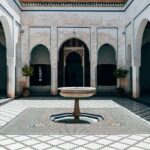
The open courtyards are the heart of the visit. They make the palace’s size easy to grasp, but their scale can also make the ruins feel sparse. If you arrive expecting a fully preserved interior, adjust that expectation: this is an archaeological site, and its effect comes from its footprint, walls and atmosphere rather than a sequence of decorated rooms.
Some areas may be closed temporarily during post-earthquake renovation work. That can affect how much of the site you can reach, and the extent of access may change. The palace remains open to visitors, but it is sensible to check for current closure information before setting out, particularly if the site is a priority on a short Marrakech stay.
Climbing the walls for a city view
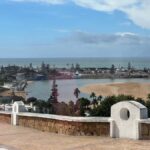
The ramparts offer one of the visit’s strongest payoffs. From above, you can look across the rooftops of Marrakech, pick out the Koutoubia Mosque and, in the distance, see the Atlas Mountains. The view gives the palace a useful connection to the city around it, rather than leaving it as a ruin you experience in isolation.
The old walls are also where you are most likely to notice the storks nesting. Their presence adds movement and sound to a place otherwise defined by stone and open space. Bring a camera, but take a moment to watch them without rushing from one viewpoint to another.
The information describes access to the top of the walls, while also warning that climbing is not allowed. Treat that as a reminder to use visitor routes and viewpoints rather than scrambling onto structures or restricted sections. Wear shoes you can walk in, and follow signs and staff directions.
What the self-guided format means
This is an independent visit, not a guided tour. Your voucher serves as your entry ticket, and you can arrive at any time during the palace’s opening hours. There is no set meeting point, no transport and no hotel pickup, so plan your own route to the entrance.
That arrangement keeps the visit flexible. You can fit El Badi Palace around other plans in the Medina and linger as long as you like within opening hours. It also means you will need to make your own sense of the history. One useful tip is to consider an audio guide if one is available when you visit; it can help explain the building and make the bare spaces easier to picture as a functioning palace.
A focused visit may take around an hour, although your timing depends on how long you spend at the viewpoints and what areas are open. Go early if you want to avoid the midday heat. The palace opens at 9:00, closes at 17:00, and stops admitting visitors at 16:30. Arriving near opening also gives you more room to explore before the day’s crowds build.
More Great Tours NearbyThe optional Culinary Art Museum
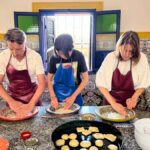
If you select the museum option, you can add the Moroccan Culinary Art Museum as a second self-guided stop. It is housed in a restored 18th-century riad in the Medina and focuses on Moroccan food traditions, including ingredients, cooking techniques and the background to well-known dishes.
This makes a useful contrast with the palace. El Badi is about royal power and monumental architecture; the museum shifts attention to everyday culture and food. If you have time and want more than a series of historic sites, the museum gives your day a different angle on Moroccan heritage.
The museum is not included with every ticket, so check that you have selected the option that includes admission. It is open from 9:00 to 20:00, with last entry at 18:00. No food or drinks are included, and transportation between locations is not provided. The schedule gives you room to plan both visits independently, but leave time to get between them.

The photo postcard, and how to claim it
The postcard is a small but personal extra. After your visit, upload one or two photos and email them to the address shown on your voucher. The postcard is then prepared and mailed worldwide. It is a digital service connected to the ticket, not a product issued by El Badi Palace itself.
Because you need to send the photos after the visit, this is not a postcard handed to you at the gate. Save the voucher email and follow its instructions when you are ready to submit your images. If you do not want to manage a follow-up task, treat the postcard as a bonus rather than a main reason to book.
Is the $17 ticket good value?
At $17 per person, the ticket buys entry to the palace and the postcard service. The museum is an additional inclusion only if you choose that option. For a self-guided visit that may take about an hour, the price can feel high if you are judging it only by the number of intact rooms or exhibits.
The value is stronger if you care about Saadian history, enjoy monumental ruins, want the rampart views and will make use of the photo postcard. On the other hand, some people have found the ticket more expensive than buying admission at the site. Since no current on-site price is provided here, compare the price when you book with the amount charged at the entrance if you are already nearby.
You are paying for the convenience of arranging admission ahead, plus the postcard service, rather than a guide, transport or a long guided program. If interpretation matters to you, budget time to use an audio guide if available. If you want a full day of guided activities, this ticket is not that kind of product.
Practical details before you go
Bring a hat, sunscreen, water and a camera. The courtyards are open and the visit involves walking, so sun protection matters, especially in warmer weather. Modest clothing is recommended, though there is no strict dress code.
The palace is partially wheelchair accessible. Because the site includes multiple levels and access to the walls, the available route may not reach every area. Check the current access details if you need step-free access to specific parts of the palace.
Pets are not allowed, although assistance dogs are permitted. Food, drinks, transport and hotel pickup are not part of the ticket. The activity is non-refundable, so check the date and selected option carefully before booking.
There has been at least one report of arriving to find the site unexpectedly closed, despite information suggesting it was open. Temporary closures can happen, so checking for current operating updates before you travel is a sensible precaution. The stated hours are 9:00 to 17:00, with last entry at 16:30.
Who should book this visit?
El Badi Palace suits you if you enjoy historic sites where the imagination does some of the work. Its architecture, open courtyards, storks and city views make it a worthwhile stop, especially if you are already exploring Marrakech’s historic center. The independent format is also a good fit if you prefer to set your own pace.
You may want to skip it if you expect furnished rooms, extensive displays or a guided explanation included in the price. Renovation work can reduce access, and the site may feel brief if you move quickly. Consider the museum option if you want another stop with a different focus, and check the ticket price against on-site admission before deciding.
Marrakech: El Badi Palace Entry Ticket & Souvenir Postcard
FAQ
How long does a visit to El Badi Palace take?
There is no fixed tour duration. A focused visit may take around an hour, but you can explore at your own pace during opening hours.
What are the palace opening hours?
El Badi Palace is open from 9:00 to 17:00. Last entry is at 16:30.
Do I need to arrive at a set time?
No. There is no fixed entry time or meeting point. You can visit independently at any time during the palace’s opening hours.
Is a guide included?
No. The visit is self-guided, and guide services are not included. An audio guide may be worth considering if one is available when you visit.
What does the ticket include?
It includes entry to El Badi Palace and a personalized postcard featuring your photo, mailed worldwide. Entry to the Moroccan Culinary Art Museum is included only if you select that option.
How do I receive the postcard?
After your visit, upload one or two photos and email them to the address listed on your voucher. The postcard is prepared after your experience and mailed to your address.
What are the Culinary Art Museum’s opening hours?
The museum is open from 9:00 to 20:00, with last entry at 18:00.
Is the palace wheelchair accessible?
The palace is partially wheelchair accessible. Access to all areas is not guaranteed.
What should I bring, and what is not allowed?
Bring a hat, camera, sunscreen and water. Pets are not allowed, but assistance dogs are permitted.
You can check availability for your dates here: