Gion’s old lanes are more than a pretty backdrop: they are part of a living district where geisha and maiko still work. This two-hour sunset walk gives you context for what you’re seeing, from wooden townhouses and teahouses to the customs behind a geisha’s training and dress. A glimpse of a maiko is possible, but never promised.
I like two things in particular: the route leaves room for quiet backstreets as well as well-known sights, and the Spanish-speaking guide can explain cultural details without making you rely on guesswork. At $13, it is an appealing way to get your bearings and hear the stories behind the scenery.
The main consideration is language: the tour is described as conducted entirely in Spanish, even though English is also listed among the guide languages. It is also a walking tour over outdoor streets, so it is not suited to wheelchair users or people with mobility impairments.
- Two hours on foot: A compact route links Pontocho, Shirakawa Canal, Yasaka Shrine, Nene no Michi, and Hanamikoji Street.
- A chance, not a guarantee: You may see a geisha or maiko near the end, but they are on their way to work, not performing for the tour.
- Spanish-language cultural context: Expect explanations about training, dance, dress, etiquette, and Gion’s traditions.
- Quiet lanes alongside famous sights: The walk includes less-trafficked corners as well as the district’s best-known streets.
- Practical local advice: Guides have shared recommendations for places to eat and things to do elsewhere in Kyoto.
- Gion makes more sense when you know what you’re seeing
- From Pontocho to the willow-lined Shirakawa Canal
- Yasaka Shrine and the streets around it
- Hanamikoji Street and the chance of a maiko sighting
- What the guides add to a short walk
- Is good value for two hours in Gion?
- Who should take this Gion walk?
- FAQ
- How long is the Gion sunset tour?
- What language is the tour conducted in?
- Where does the tour start?
- Which places does the walking route include?
- Is seeing a geisha or maiko guaranteed?
- Can I cancel after booking?
- The Best Of Kyoto!
- More Evening Experiences in Kyoto
- More Tours in Kyoto
- More Tour Reviews in Kyoto
- Not for you? Here's more nearby things to do in Kyoto we have reviewed
Gion makes more sense when you know what you’re seeing
 1 / 5
 2 / 5
 3 / 5
 4 / 5
 5 / 5
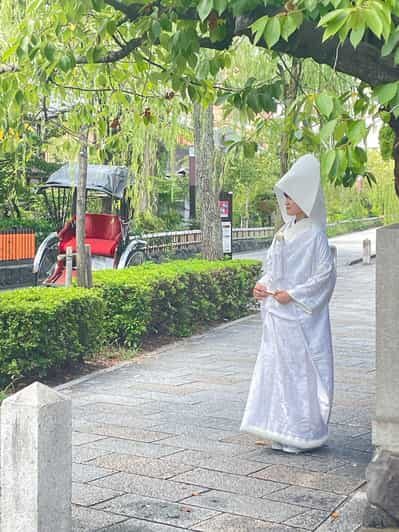
Gion can be a feast for the eyes and a puzzle for the unbriefed. A lantern-lit lane, a wooden facade, or a woman in a formal kimono may look like a scene from another age, but knowing a little about the district helps you see more than the surface. This tour is built around that difference: you walk through the neighborhood while a local guide explains the traditions that continue to shape it.
The subject is geisha culture, including the demanding training of geisha and maiko, their dance traditions, and the care that goes into their clothing and hairstyles. The guide also covers customs and etiquette, useful context in a district where visitors need to be mindful of residents and working professionals.
The experience is not a geisha performance, and it cannot arrange a meeting or guarantee a sighting. Instead, it offers a respectful introduction to the culture and the places where it is practiced. If a maiko happens to pass near the end, treat it as a lucky moment, not the tour’s main deliverable.
👉 See our pick of the 25 Best Workshops And Classes In Kyoto
From Pontocho to the willow-lined Shirakawa Canal
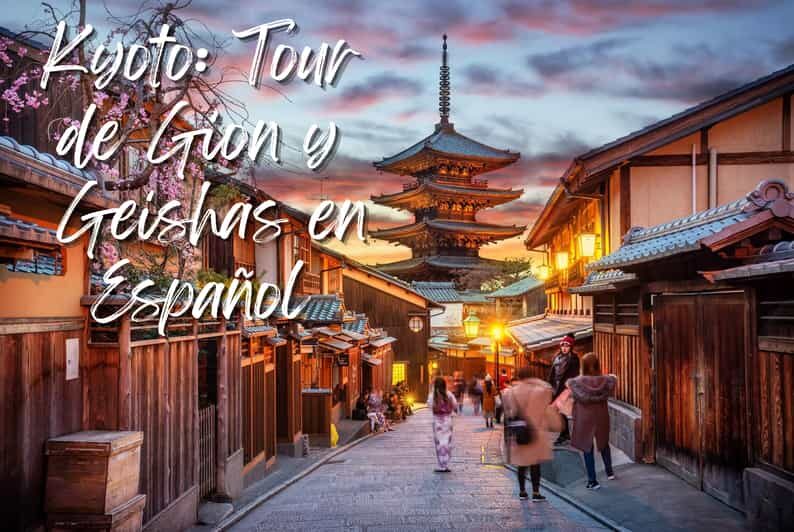
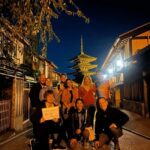
The walk starts by McDonald’s at Shijo-ohashi Bridge and heads toward Pontocho. This narrow, atmospheric area is a good first stop for seeing how Kyoto’s traditional streets can sit close to modern city life. Your guide points out the scenery and provides background as you go, rather than leaving you to guess what makes the district significant.
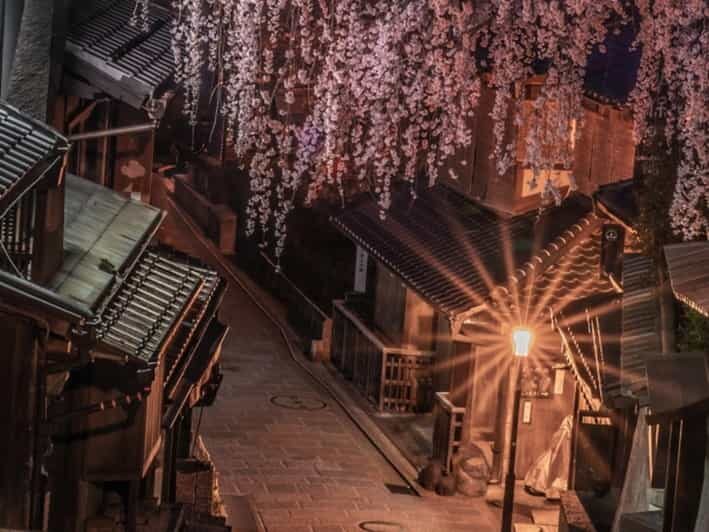
Next comes the Shirakawa Canal, one of the most scenic parts of the route. Willow trees, stone paths, and traditional teahouses create the kind of view that rewards a slower pace and a camera ready for a quick photo. The canal is also a chance to notice Gion’s quieter side, away from the busiest streets.
The atmosphere changes with the light. The tour is timed around sunset, so you may see the scenery shift as the afternoon gives way to evening. That can make the walk especially appealing for photographers, though changing weather and daylight are part of the deal. Bring clothing for outdoor conditions, and wear comfortable shoes for the full route.
You can also read our reviews of more evening experiences in Kyoto
Yasaka Shrine and the streets around it
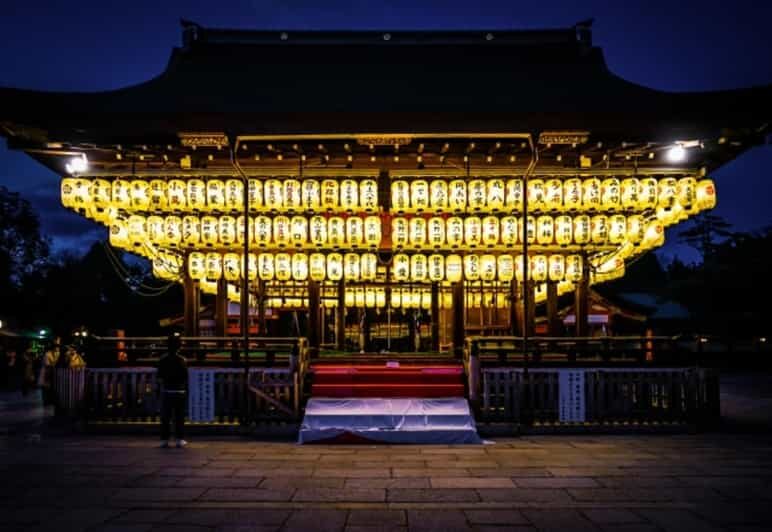
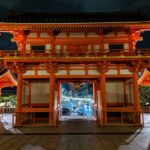
Yasaka Shrine is a major stop, with time for a guided look and photos. The tour describes it as a 1,000-year-old shrine, and its place in the route helps connect Gion’s streets to Kyoto’s religious and cultural life. Your guide can explain the site as part of the neighborhood rather than treating it as a quick photo stop.
From there, the route continues toward Nene no Michi, a historic-feeling lane where sunset light can bring out the character of the surrounding streets. You will also pass Hōkan-ji Temple, known for the striking view of its pagoda. These stops offer classic Kyoto scenery, but they are also public places with other people around. This is a walking tour, not a private visit, so expect to share the streets and viewpoints.
Yasui Kompira-gu Shrine is another stop on the route. The itinerary describes a visit and guided explanation, with some of the route passing by. The walk strings together several sites rather than lingering for a long time at any single one. That is useful if you have limited time in Kyoto, but less suited to you if you want extended visits at each shrine or temple.
Hanamikoji Street and the chance of a maiko sighting
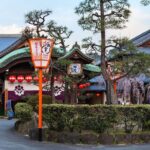
The tour ends on Hanamikoji Street, at the heart of Gion’s geisha district. Here, traditional buildings and teahouses give the neighborhood its familiar look, while the guide’s explanations help you understand the working culture behind it. You will have time to walk and take photos, but the focus remains on learning and moving through the district.
This is also where you may catch sight of a geisha or maiko heading to an evening engagement. Several guide-led walks have ended with a fortunate sighting, including one where the group saw two maiko. But the district is not a stage, and there is no reliable way to promise that someone will appear during your two hours.
Keep your camera respectful. Flash photography is not allowed, and a geisha or maiko going to work should be given space and privacy. The best approach is to listen to your guide and follow local etiquette, rather than treating a possible sighting as a photo opportunity to chase.
One useful timing tip comes from a visitor who felt an earlier afternoon departure could be better for seeing geisha, though that person’s late tour still happened to encounter two. The practical lesson is simple: choose the start time that suits your schedule, but do not book on the assumption that one time guarantees a sighting.
What the guides add to a short walk
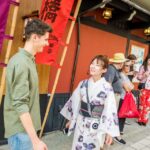
At two hours, the route covers plenty of ground. The guide is what keeps it from becoming a string of pretty addresses. The strongest praise for this experience centers on clear explanations, patience, friendliness, and the willingness to answer questions. Those qualities matter in a neighborhood where an expert explanation can turn a picturesque lane into a place with meaning.
Guides named in past experiences include Antonio, Lara, Godoi, Alex, Matías, and Raúl. Their individual styles vary, but the comments describe lively storytelling, cultural background, patient pacing, and practical recommendations. Some groups have received tips for local businesses or suggestions for the rest of their stay in Kyoto.
The pace may suit you if you want to stop for photos and ask questions without feeling hurried. One participant specifically appreciated a guide who took the group’s age and walking speed into account, while another noted that the walk ran longer than scheduled. Neither point should be treated as a guarantee, but they suggest the experience can feel more conversational than a brisk march between landmarks.
There is one important language detail to settle before booking. The tour is described as entirely in Spanish, while the activity information also lists Spanish and English for the live guide. If you need English, confirm the language for your chosen departure rather than assuming that English is available throughout.
More Great Tours NearbyIs $13 good value for two hours in Gion?
At $13 per person, this is a modestly priced way to add cultural context to a walk through one of Kyoto’s best-known districts. The price includes a native Spanish-speaking local expert guide. The main value is not simply reaching the sights: you can find streets and shrines on your own, but explanations about geisha training, traditions, clothing, and etiquette are harder to piece together while walking.
The tour also makes sense as an early Kyoto activity. It introduces several nearby areas and gives you recommendations that may help with the rest of your stay. If you are comfortable exploring independently and already know a lot about Gion, you may prefer to stroll at your own pace. But if you want the neighborhood’s history explained in Spanish, the cost is easy to justify.
Booking is flexible: you can reserve now and pay later, and cancel up to 24 hours in advance for a full refund. Those terms are handy if your plans are still taking shape. Check the available start times before choosing, since the experience lasts two hours and outdoor conditions can affect how comfortable the walk feels.




Who should take this Gion walk?
I would choose this tour if you want a guided introduction to Gion, speak Spanish, and value cultural explanation as much as photographs. It is especially useful if you are curious about geisha and maiko but want to understand the traditions rather than simply hope for a sighting. The route also suits visitors who like a mix of iconic views and smaller lanes they might not find alone.
It is less suitable if you need step-free access, use a wheelchair, or have difficulty walking. The tour covers multiple outdoor stops and is explicitly not suitable for people with mobility impairments or wheelchair users. Comfortable shoes and weather-ready clothing are sensible.
Book for the walk, the history, and the guide’s perspective. Consider a possible maiko sighting a bonus. If that balance sounds right, this is a useful, affordable way to spend two hours in Gion.
Kyoto: Gion Geisha District Sunset Tour
FAQ
How long is the Gion sunset tour?
The tour lasts two hours. Check the available start times when planning your day.
What language is the tour conducted in?
The tour is described as conducted entirely in Spanish. Spanish and English are also listed as guide languages, so confirm the language for your chosen departure if you need English.
Where does the tour start?
It starts by McDonald’s at Shijo-ohashi Bridge.
Which places does the walking route include?
Stops and sights include Pontocho, Shirakawa Canal, Yasaka Shrine, Nene no Michi, Hōkan-ji Temple, Yasui Kompira-gu Shrine, and Hanamikoji Street.
Is seeing a geisha or maiko guaranteed?
No. You may see one near Hanamikoji Street, but a sighting depends on who happens to be going to an engagement during your tour.
Can I cancel after booking?
You can cancel up to 24 hours in advance for a full refund. You can also reserve now and pay later.
You can check availability for your dates here: