Warsaw’s vanished Jewish district is not easy to read from the modern streets. This two-hour walk connects surviving fragments, former ghetto sites, and old photographs to the lives that once filled them, including the people who resisted during the 1943 Uprising.
I like two things in particular: the route pairs visible traces, including a surviving stretch of ghetto wall, with personal stories and visual documents; and it begins with centuries of Jewish-Polish life rather than treating the ghetto as the whole story. The guide-led format also leaves room for questions.
One consideration: this is a serious, sometimes distressing subject, not a light city stroll. The tour is not suitable for children under 16, and you should allow extra time, since it can run about half an hour longer than the advertised two hours.
- Start at All Saints Church: Begin on Plac Grzybowski, an area that still carries traces of Jewish Warsaw.
- See the Nożyk Synagogue: Visit Warsaw’s last active synagogue and learn about Jewish life before the war.
- Find fragments of the ghetto wall: Touch surviving sections and see how little remains of the former boundary.
- Follow the story of resistance: Explore the history of the Warsaw Ghetto and the 1943 Uprising through sites, images, and testimony.
- Finish at Hala Mirowska: End near a historic market hall after stops that include Norblin Factory and the Footbridge of Memory.
- A Walk Through Jewish Warsaw, Not Just the Ghetto
- Nożyk Synagogue and the City’s Living Heritage
- At the Ghetto Wall, History Becomes Physical
- Norblin Factory, Parade Square, and the Footbridge of Memory
- What the Guide Adds to the Experience
- Two Hours, With a Good Chance of Running Longer
- Who Should Take This Tour
- Should You Book the Jewish Warsaw Tour?
- FAQ
- How long is the Jewish Warsaw tour?
- How much does the tour cost?
- What languages are offered?
- Where does the tour start?
- Where does the tour finish?
- Which synagogue does the tour visit?
- Does the tour include the Warsaw Ghetto Wall?
- Is the tour suitable for children?
- Are public transport tickets or food included?
- How large can the group be?
- The Best Of Warsaw!
- More Historical Tours in Warsaw
- More Tours in Warsaw
- More Tour Reviews in Warsaw
- Not for you? Here's more nearby things to do in Warsaw we have reviewed
A Walk Through Jewish Warsaw, Not Just the Ghetto
 1 / 8
 2 / 8
 3 / 8
 4 / 8
 5 / 8
 6 / 8
 7 / 8
 8 / 8
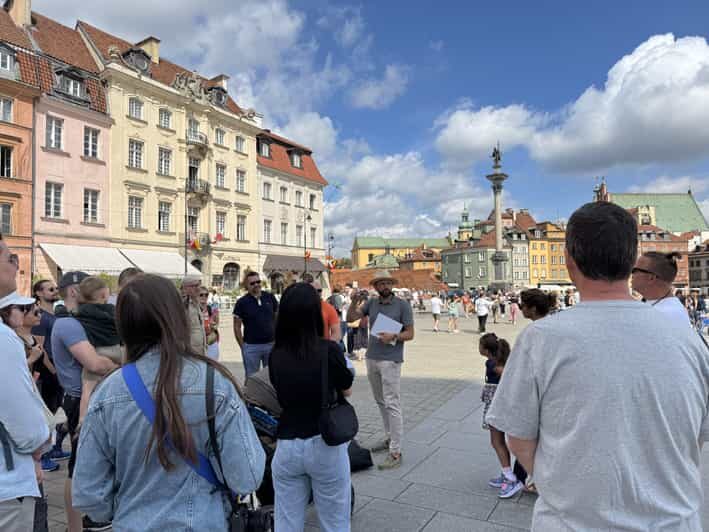
The tour starts in front of All Saints Church on Plac Grzybowski, a useful place to begin because the surrounding area helps set the scene. Here, your guide introduces the long story of Jewish life in Warsaw and Poland, which stretches back to the 15th century. That context matters: it keeps the tour from reducing a whole community’s history to the years of persecution and war.
You’ll hear about the centuries of Jewish-Polish coexistence and why Poland was known as Polin, a name associated with the idea of a place where Jews could thrive. At one point, nearly 80 percent of the world’s Jewish population lived in Poland. The scale of that history can be hard to picture in today’s city, so the guide’s photographs and explanations help connect the past to the streets around you.
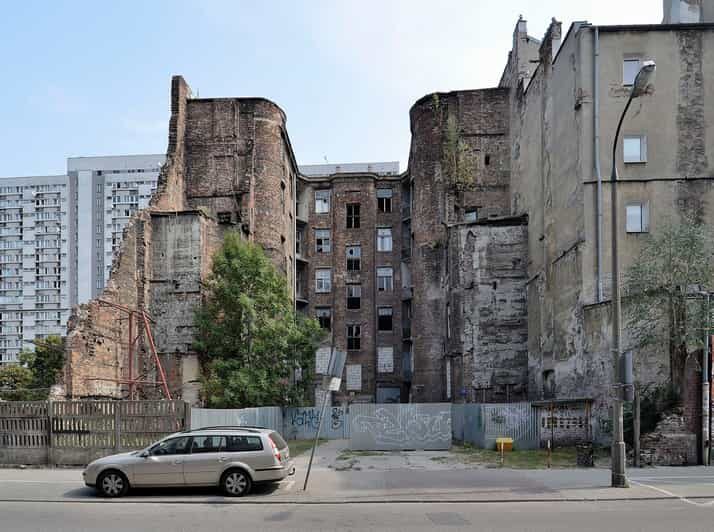
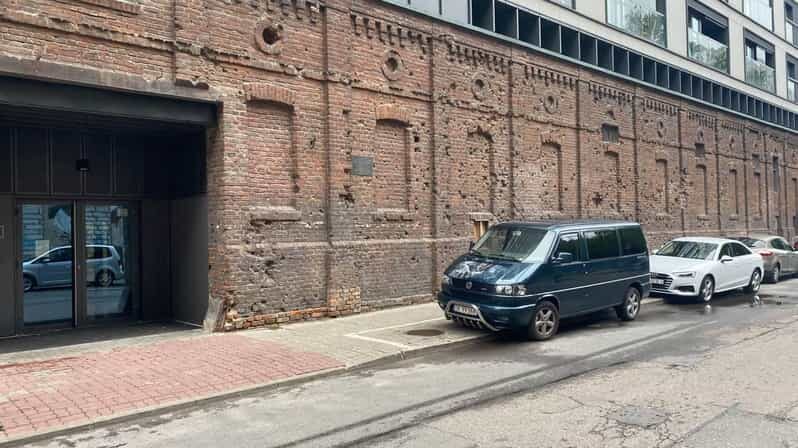
The tour then moves through a city shaped by destruction and rebuilding. Much of the former Jewish district is gone or altered, and surviving traces can be easy to miss if you walk past without context. I value a route that explains both what remains and what has disappeared, rather than promising a preserved neighborhood that no longer exists.
👉 See our pick of the 25 Best Guided Tours In Warsaw
Nożyk Synagogue and the City’s Living Heritage
The Nożyk Synagogue is identified as Warsaw’s last active synagogue, making it one of the tour’s most important stops. It offers a direct link to Jewish life in the city beyond memorials and wartime history. Your guide explains its place in the story of Jewish Warsaw and the wider community.
The tour includes a guided stop at the synagogue, but the information provided does not specify whether the visit includes entry inside. If seeing the interior is important to you, check the current arrangements before booking rather than assuming the stop guarantees access. Even from the outside, the synagogue gives the walk a valuable point of connection to Jewish life in the present.
From here, the route continues to places linked with the former ghetto and the city’s changing streets. The guide uses visual material to show how sites looked before and during the war. That kind of comparison is especially useful in Warsaw, where a present-day street corner may offer few visible clues to what stood there before.
You can also read our reviews of more historical tours in Warsaw

At the Ghetto Wall, History Becomes Physical
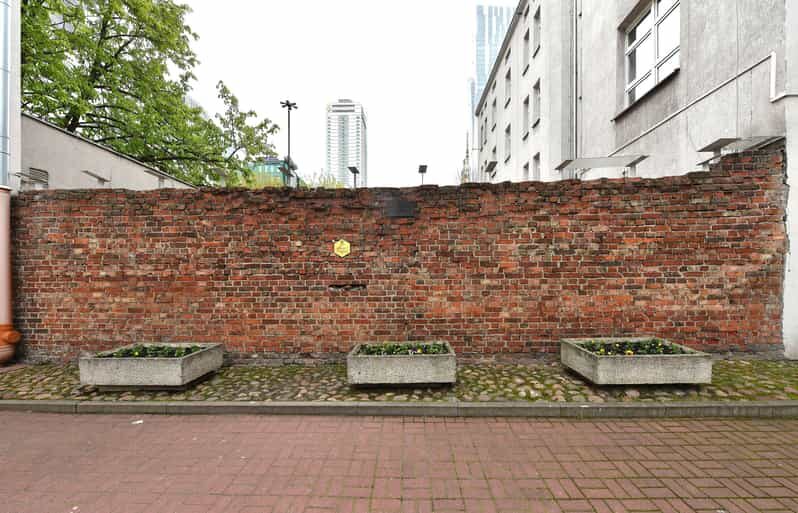
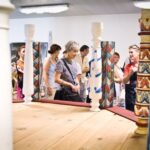
The surviving wall fragment on Waliców is among the most concrete stops on the walk. It is described as the longest remaining section of the Warsaw Ghetto wall, and the tour also visits another original fragment. These small pieces make the scale of the former boundary easier to grasp. You can touch the surviving brickwork, but the fragment is only a remnant, not a complete or preserved wall.
The wall is a powerful reminder of how the ghetto divided a city and constrained the people forced to live within it. Your guide explains the conditions of life and the events that led to the 1943 Uprising, placing the resistance in the context of daily hardship and danger. The subject is presented directly, without softening the violence or turning it into spectacle.
The itinerary also includes the exterior of the Museum of the Warsaw Ghetto. That means this tour focuses on the sites and street history rather than a museum visit with indoor exhibits. If you want more time with archival displays, you can plan a separate museum visit; this walk gives you a field introduction to the places and their meaning.
Norblin Factory, Parade Square, and the Footbridge of Memory
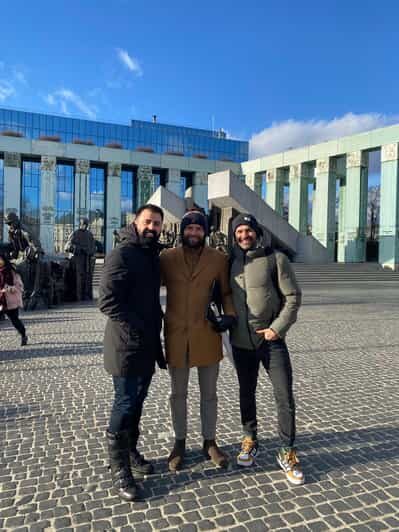
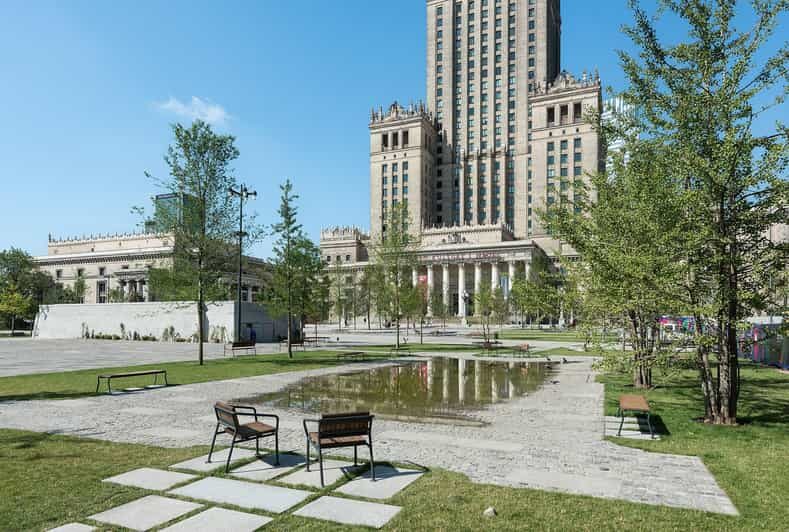
The named stops include Parade Square, Norblin Factory, and the Footbridge of Memory. Together with the wall fragments, they help carry the story beyond one memorial point. Your guide explains the historical links of each stop and how the sites fit into the route through Jewish Warsaw and the former ghetto.
The Norblin Factory is one of several places where the modern city and its earlier layers meet. The tour also includes locations associated with Roman Polanski’s The Pianist, which may be familiar to viewers of the film. The point is not simply to spot a movie location: the guide uses images and historical detail to connect places you can see now with the people and events that once shaped them.
The Footbridge of Memory is part of the route’s focus on remembrance and the geography of the ghetto. As with other stops, the value comes from having a guide explain what you are looking at. Without that context, some locations may appear ordinary or may have changed so much that their past is not immediately clear.
The walk ends at Hala Mirowska. This gives the route a clear finish after a series of emotionally demanding stops. Allow yourself a little breathing room afterward; the tour’s subject can stay with you, and several parts are described as particularly hard to hear.
What the Guide Adds to the Experience
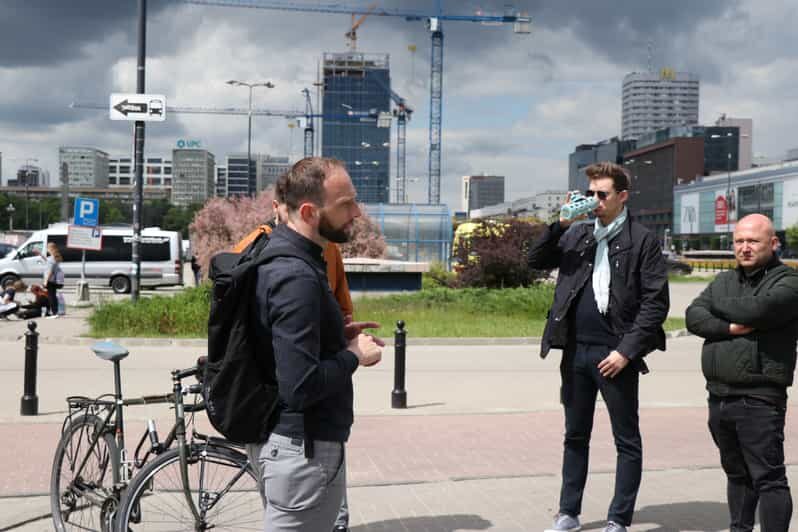
This tour depends heavily on the guide. The route covers a large story in a short time, and the best way to understand it is through someone who can connect street corners, dates, photographs, and individual lives. Guides use visual documents, including old images and maps, to show what has changed and where people lived.
Robert is a guide name associated with many departures, and Roland and Antoni are also named. The exact guide may vary. The consistently useful qualities to look for are clear explanations, openness to questions, and a respectful tone. Reports of the tour describe guides answering questions at the end and offering practical suggestions for the rest of the day, but it is sensible to treat that as a possibility rather than a guaranteed feature.
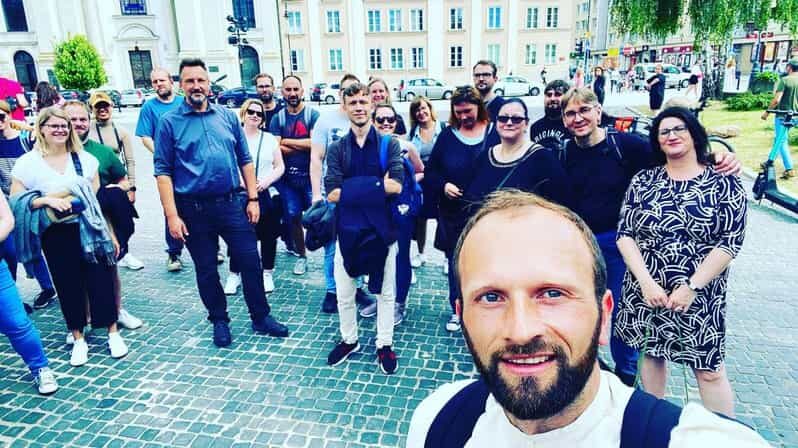
The tour is offered in English or German, so choose the language in which you can follow a detailed account of difficult history. Groups can include up to 30 people. That is a reasonable size for a walking tour, though it may feel less intimate than a small-group experience. If you want to ask questions, stay close enough to hear and make use of the pauses at each stop.
The guide’s use of photos is more than a visual extra. Warsaw’s wartime destruction and later rebuilding mean that the modern city often does not resemble the historical image in your mind. Seeing then-and-now views can help you understand where people lived and how the ghetto’s boundaries cut through the city.
More Great Tours NearbyTwo Hours, With a Good Chance of Running Longer
The advertised duration is two hours, but it is wise to leave space in your schedule. Some tours take roughly two and a half hours, especially when the group has questions or the guide spends longer at the final stops. I would not book a tightly timed museum entry or meal immediately afterward.
This is a walking tour through several locations, not a ride between attractions. Public transport tickets are not included, and neither are lunch, coffee, or cake. Wear comfortable shoes and bring what you need for the weather; the route’s value comes from being outdoors and seeing the sites in place.
At $12 per person, the tour offers strong value if you want a guided introduction to Jewish Warsaw and the ghetto’s surviving traces. You are paying for a licensed guide, two hours of interpretation, and visual material that can make otherwise hard-to-read streets meaningful. It does not include museum admission or a meal, so compare it with your plans for the rest of the day rather than expecting an all-in experience.
Booking is flexible: you can reserve now and pay later, and cancellation up to 24 hours in advance is eligible for a full refund. Check available start times before choosing, since the duration and language options may affect which departure suits you.

Who Should Take This Tour
This walk is best for adults and older teens who want a serious, place-based introduction to Jewish life in Warsaw, the ghetto, and resistance. It also suits you if you prefer a guide who explains the city rather than simply pointing out buildings. The photo material and opportunities to ask questions can help make a complex history easier to follow.
It is not designed for children under 16, and even older participants should be prepared for painful subject matter. The story includes persecution, suffering, and the former children’s hospital in the ghetto. If you need a lighter introduction to Warsaw, choose another activity first and return to this subject when you have time and emotional space.
Should You Book the Jewish Warsaw Tour?
Book it if you want to understand how Jewish life shaped Warsaw and how the ghetto and 1943 resistance fit into that longer history. The strongest reasons are the remaining wall fragments, the Nożyk Synagogue, and a guide who uses images and personal stories to make a changed city legible.
Skip it if you are seeking a relaxed sightseeing walk or have only a short gap before another commitment. This is a moving, sometimes difficult tour, and it may run longer than two hours. For a modest $12, it is a worthwhile choice for visitors ready to give the subject their attention.
Jewish Warsaw Tour | History, Daily Life, Ghetto, Resistance
FAQ
How long is the Jewish Warsaw tour?
The tour is scheduled for two hours. It may take about two and a half hours, so leave extra time afterward.
How much does the tour cost?
The listed price is $12 per person.
What languages are offered?
The licensed guide leads the tour in English or German.
Where does the tour start?
It starts in front of All Saints Church on Plac Grzybowski in Warsaw.
Where does the tour finish?
The tour finishes at Hala Mirowska.
Which synagogue does the tour visit?
The route includes the Nożyk Synagogue, identified as Warsaw’s last active synagogue. The provided details do not specify whether the visit includes entry inside.
Does the tour include the Warsaw Ghetto Wall?
Yes. It visits surviving fragments of the former ghetto wall, including the longest remaining section in Waliców.
Is the tour suitable for children?
It is not suitable for children under 16.
Are public transport tickets or food included?
No. Public transport tickets, lunch, and coffee and cake are not included.
How large can the group be?
The standard group can include up to 30 people.
You can check availability for your dates here: